A Home for Survival
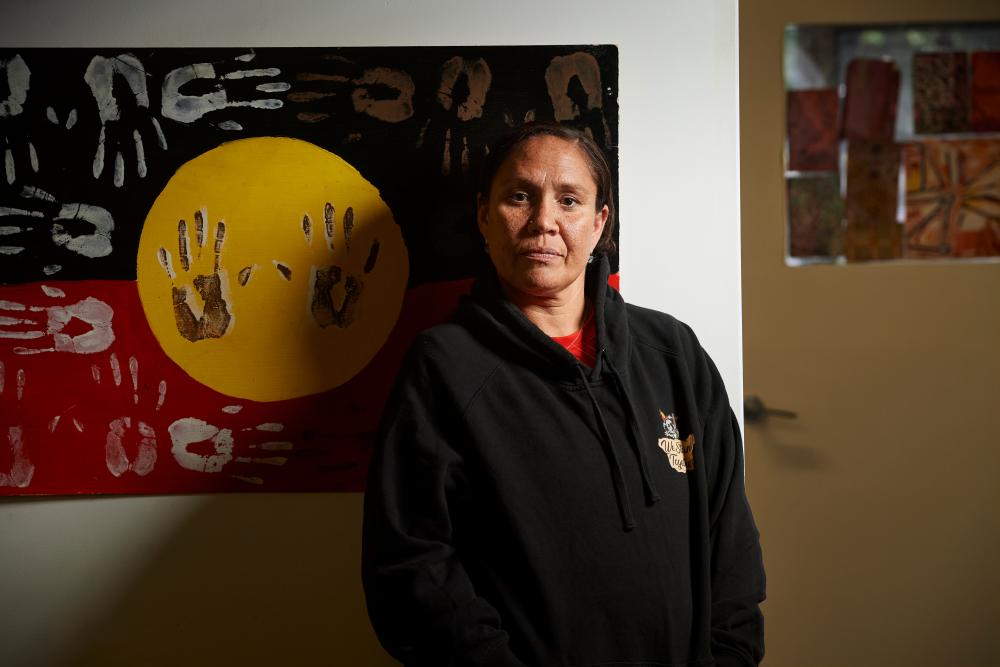
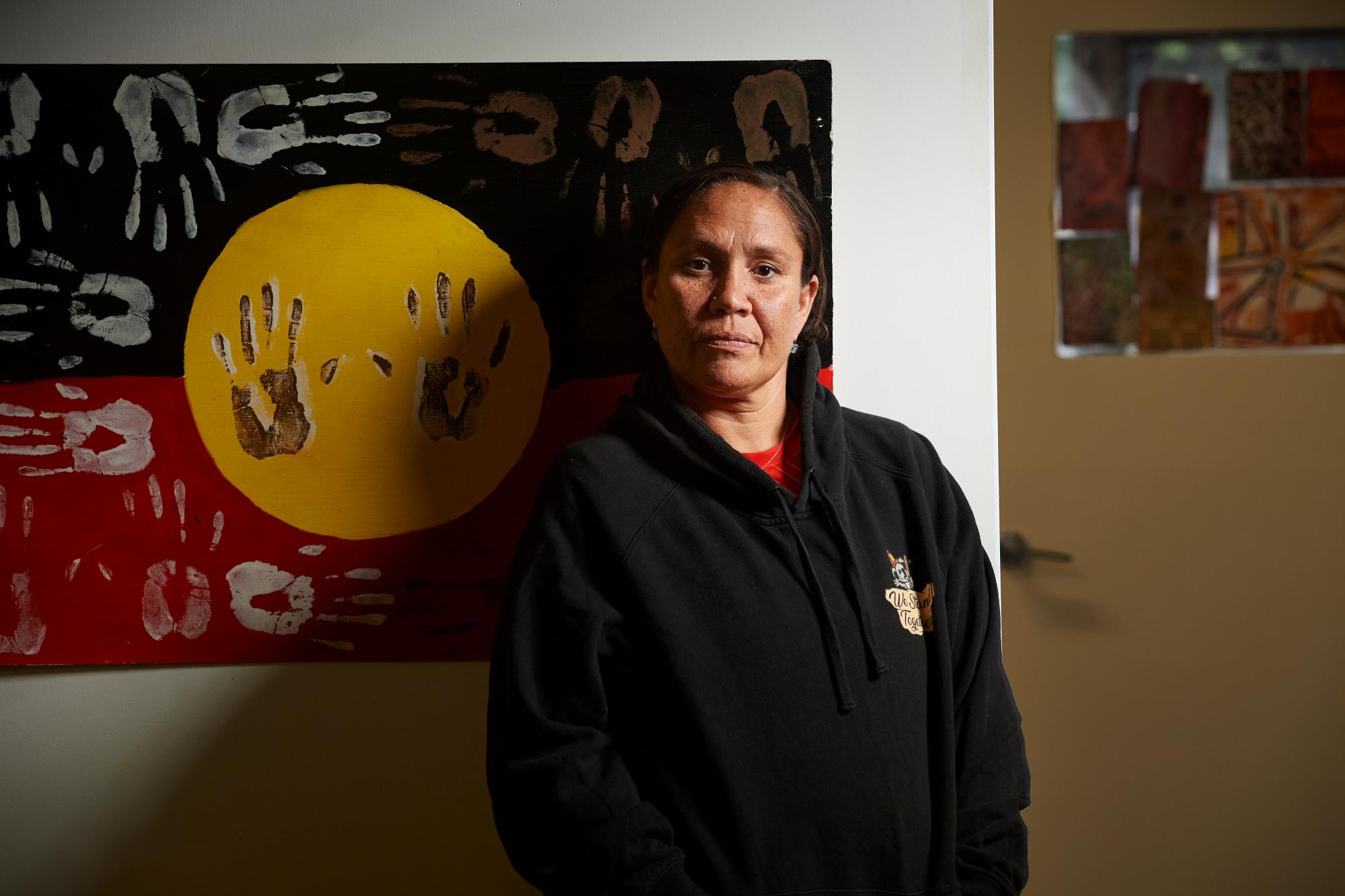
Andrea Woodley, a First Nations woman from Western Australia, is currently battling septicemia, a life-threatening condition that has spread to her heart and lungs. Her family and advocates are deeply concerned about her health and the lack of access to a safe home, which they believe could be the difference between life and death.
Woodley has been living on the streets in Perth since 2023 after her home in Broome was firebombed by a violent stalker. The trauma of this event forced her to leave the Kimberley region, where she had previously lived. Now, she is struggling to manage her medical condition while navigating the challenges of homelessness.
Her mother, Heather Taylor, who lives 2,000 kilometers away in Derby, expressed her fears during a recent conversation with Guardian Australia. Taylor explained that doctors have warned her daughter’s condition could be fatal without proper treatment and stable housing.
“The doctor called me and said that Andrea had bacterial pneumonia, and the bacteria had gone to her heart, the left chamber, left side of her heart,” Taylor said. “And I said, ‘Oh my God.’ And she had septicemia.”
Medical Challenges and Housing Needs
Woodley was recently discharged from Armadale Hospital but returned to the streets. This has raised concerns about her ability to take her antibiotics regularly and attend outpatient appointments. Additionally, she lacks appropriate clothing, socks, and shoes to protect her feet, which are vulnerable due to infected blisters.
Taylor emphasized the importance of a stable home for her daughter’s recovery. “I said: ‘You’ve got to be very, very careful. The doctor said you could die. So I’m telling you to be very careful,’” she said. She added that every phone call is a source of anxiety, as she fears the worst.
Woodley’s situation is compounded by the fact that she has been unwell and unable to keep in touch with her loved ones. Her phone was stolen after she was discharged from the hospital, leaving her unreachable.
Safety Concerns and Vulnerability
As a mother of five children, Woodley has experienced significant trauma and violence on the streets. Her current health condition makes her more vulnerable to further harm. “She can’t walk on her feet. She’s more at risk. That makes her at risk of being attacked,” Taylor said. “She can’t run or anything, and that’s why she’s afraid.”
Woodley has been sleeping in areas with cameras and bright lights in the city, trying to find shelter early enough. However, the fear of another incident remains high. “I’m really frightened that something’s gonna happen to her. The next time she gets sick, it might be too late,” Taylor added.
The family has also faced intergenerational trauma, including the loss of children, the loss of a sibling, and chronic housing instability. These challenges have made their fight for a safe home even more urgent.
Advocacy and Government Response
Dr Betsy Buchanan, a lawyer and housing advocate from Daydawn, has been supporting Woodley and her family for years. She has been concerned about Woodley’s safety and wellbeing since she was released from prison into homelessness earlier this year.
Buchanan has written on Woodley’s behalf to the WA housing department and the office of the housing minister. She highlighted that despite the severity of Woodley’s medical condition, she still faces a two-year wait for public housing.
“They’ve just got a stock answer that ‘everyone on the priority list is the same,’ and they don’t make any exception to the fact that a First Nation person might be dying,” Buchanan said.
The WA government has faced increasing pressure regarding public housing waiting lists. Last week, it announced a ban on “no ground” evictions, a policy that has disproportionately affected First Nations families. Jesse Noakes, a campaigner with End Unfair Evictions, welcomed this move.
“In recent years, the state government has evicted hundreds of families from public housing without grounds at the end of fixed term tenancies,” Noakes said.
A Call for Immediate Action
Despite these efforts, the Department of Housing and Works stated that priority housing waiting lists in the state are long, and it is difficult to determine how long it would take for a suitable property to become available. The department noted that people experiencing domestic or family violence are referred to services for additional support.
“The Department of Housing and Works strives to meet the housing needs of all applicants on the waiting list at the earliest possible opportunity,” a spokesperson said.
However, Taylor believes that access to a safe and secure home could save her daughter’s life. “She just says ‘all I want is a room of my own, with my little TV’,” Taylor said. “I know that she will get better if she was to have that. That’s all she wants.”
Support Resources
Indigenous Australians can call 13YARN on 13 92 76 for information and crisis support; or call Lifeline on 13 11 14 or Mensline on 1300 789 978.
Never miss global, independent news with the Guardian app. With no billionaire or big corporate owner, we’re funded by our readers – making our journalists free to report without interference. Download the Guardian app now.