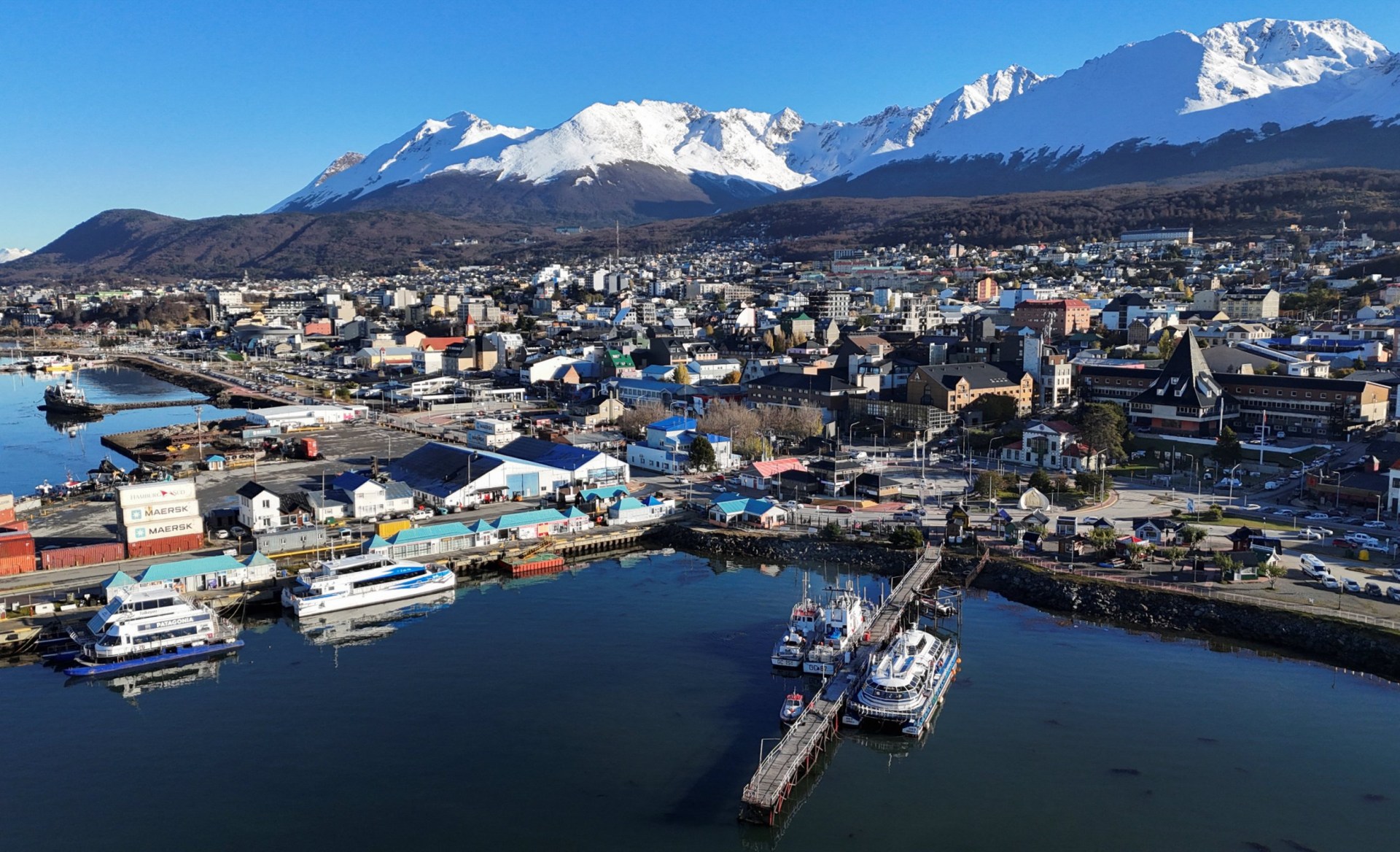
On April 1, the MV Hondius cruise set sail from the port of Ushuaia in southern Argentina. Since then, the vessel has captured global attention due to an outbreak of hantavirus, a rare disease typically spread through the faeces of infected rodents. Health officials are currently meeting with the ship in Granadilla on the island of Tenerife, where British passengers will be repatriated via a dedicated flight.
While the origin of the outbreak remains unclear, a potential clue may lie in the ship’s starting point. Argentina has seen an unusually high number of hantavirus cases this year, with 101 recorded since last June. This represents a 10 per cent increase compared to the same period the previous year, when only 59 cases were reported.
Ushuaia is not among the regions in Argentina where hantavirus cases have been recorded. The disease is typically concentrated in four geographical areas, including provinces in the northeast, northwest, and south of the country. Experts now suggest that climate change has played a role in the rise of cases, as habitat destruction increases human exposure to the urine and faeces of infected rodents.
The Argentine Ministry of Health stated: “Increasing human interaction with wild environments, habitat destruction, the establishment of small urbanisations in rural areas, and the effects of climate change contribute to the appearance of cases outside historically endemic areas.” Temperature changes are also influencing the spread of the disease. Ecosystem shifts affect the long-tailed mouse, which is the primary carrier of the virus in Argentina and Chile.
Rodents have shown greater adaptability to climate change, which could explain the rise in hantavirus cases. This year, the capital region of Buenos Aires has become the epicentre of the disease, with 42 cases recorded.
A Dutch couple, Mirjam Schilperoord, 69, and her husband, both died of the disease after boarding the MV Hondius. It is believed they visited at least two affected areas, Misiones and Neuquén, during a tour of South America.
The sudden outbreak on board the cruise ship has sparked memories of the COVID-19 pandemic. There are some similarities, as both viruses are thought to originate from animals, with experts pointing to climate change and human encroachment on natural habitats as possible causes of the outbreaks. However, unlike COVID, epidemiologists do not believe hantavirus will become the next pandemic.
Dr Tedros Adhanom Ghebreyesus, director-general of the World Health Organization, stated that the risk posed by the virus to the public remains “low” during a press conference in Tenerife.
In contrast to the highly contagious nature of COVID, hantavirus rarely spreads between humans. When it does, it is usually after prolonged contact with an infected person. Dr Charlotte Hammer, an assistant professor in health security and infectious diseases at Cambridge University, noted that the conditions onboard the MV Hondius do not reflect those of everyday life. Passengers on cruises often mix in tight spaces, but this does not necessarily translate to the same transmission risks as with other viruses.
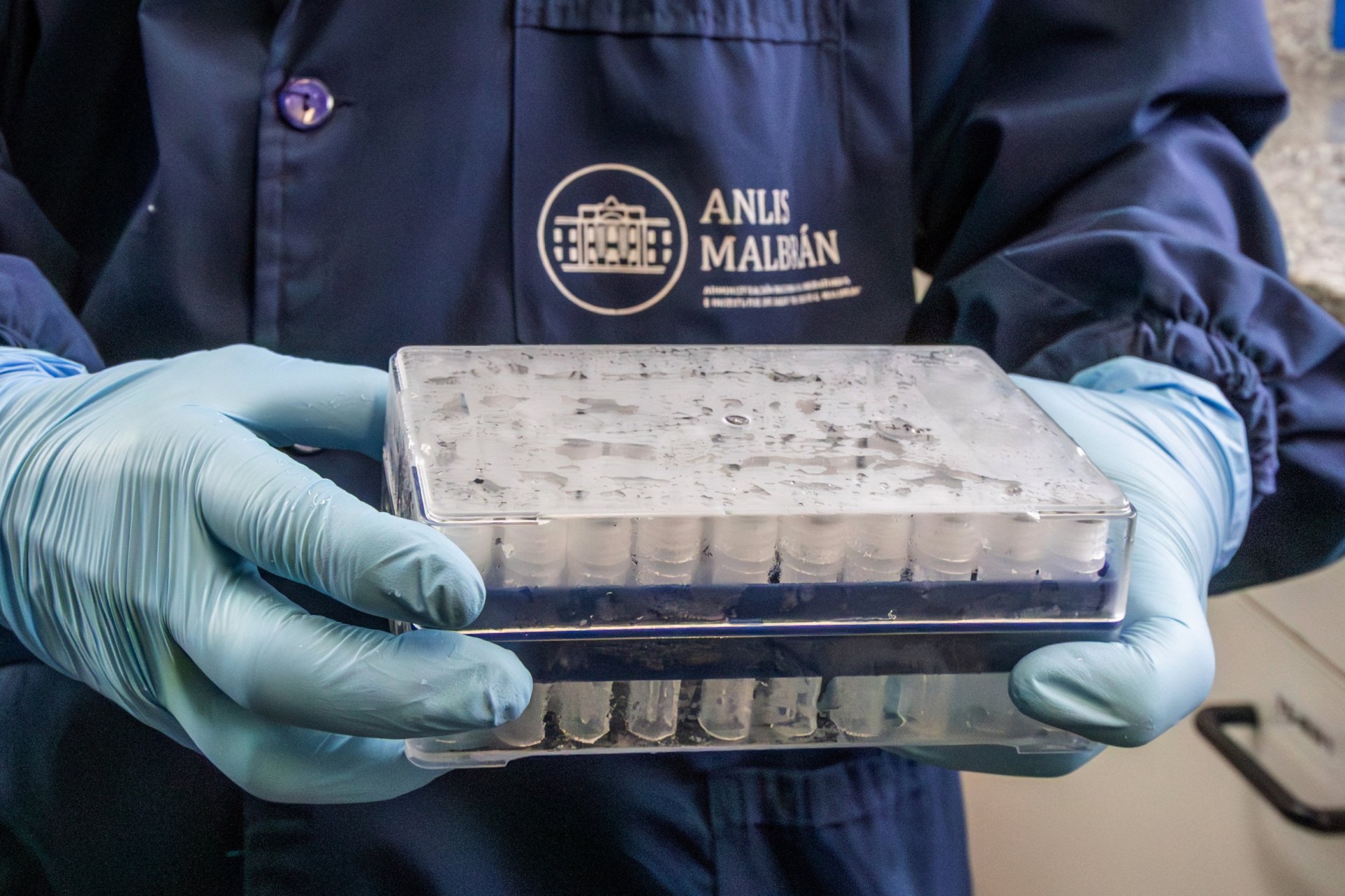
The situation highlights the importance of monitoring emerging infectious diseases and understanding how environmental changes can impact their spread. As climate change continues to reshape ecosystems, the risk of zoonotic diseases may increase, requiring ongoing vigilance from public health authorities.
Experts emphasize the need for continued research into the factors driving the emergence of such diseases. This includes studying the interactions between humans, wildlife, and the environment, as well as improving surveillance systems to detect outbreaks early.
Public health measures remain crucial in preventing the spread of hantavirus and other similar diseases. This includes educating communities about the risks of rodent exposure, promoting safe waste disposal, and encouraging individuals to seek medical attention if symptoms arise.
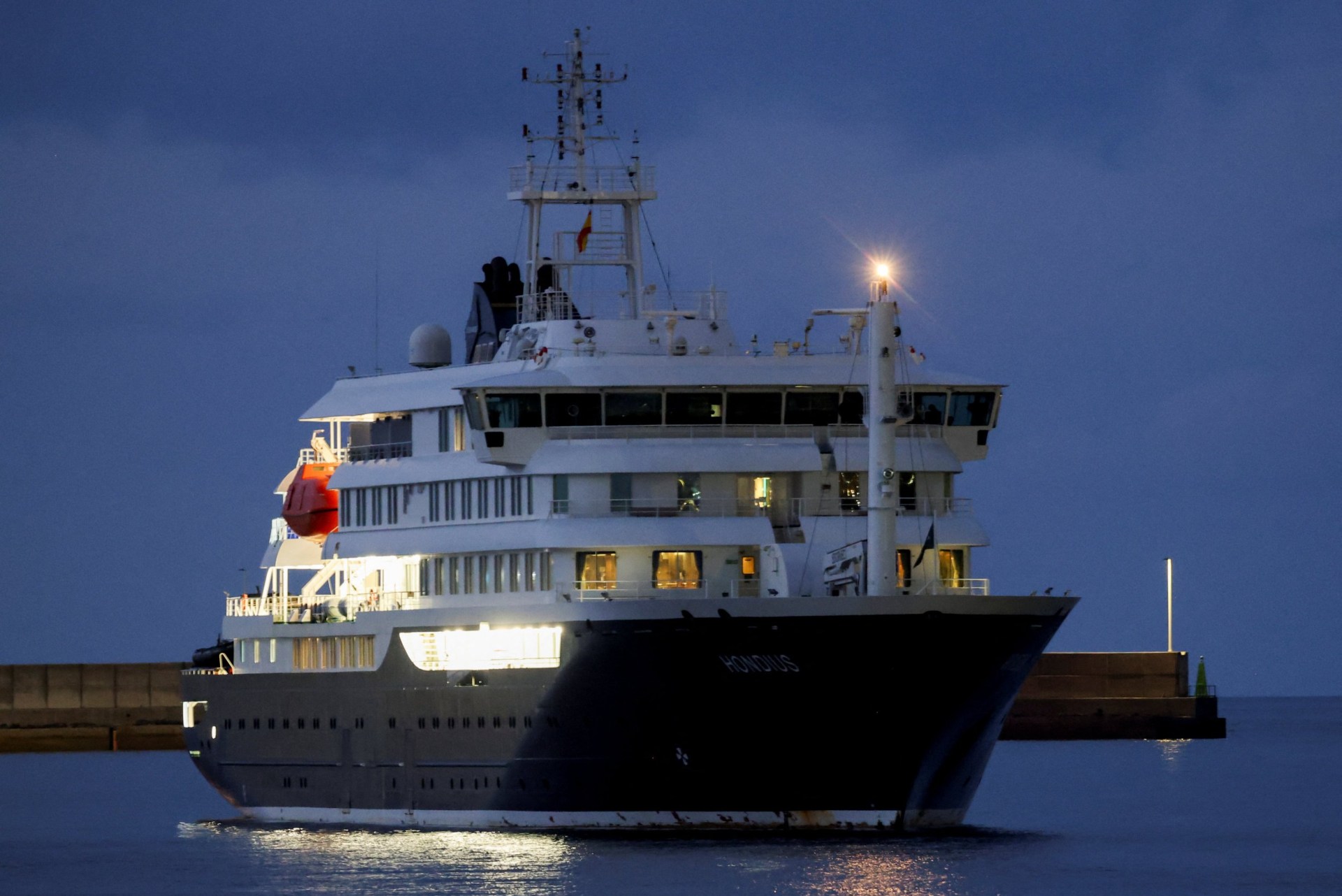
As the MV Hondius case illustrates, even in seemingly controlled environments, the threat of infectious diseases cannot be ignored. The incident serves as a reminder of the complex relationship between human activity, environmental changes, and public health. By learning from such events, health officials can better prepare for future challenges and protect vulnerable populations.
For more information on hantavirus and its prevention, individuals are encouraged to consult local health authorities or reputable sources of medical advice. Staying informed and taking proactive steps can help reduce the risk of infection and ensure a safer community for all.