The Trial That Could Shape the Future of AI
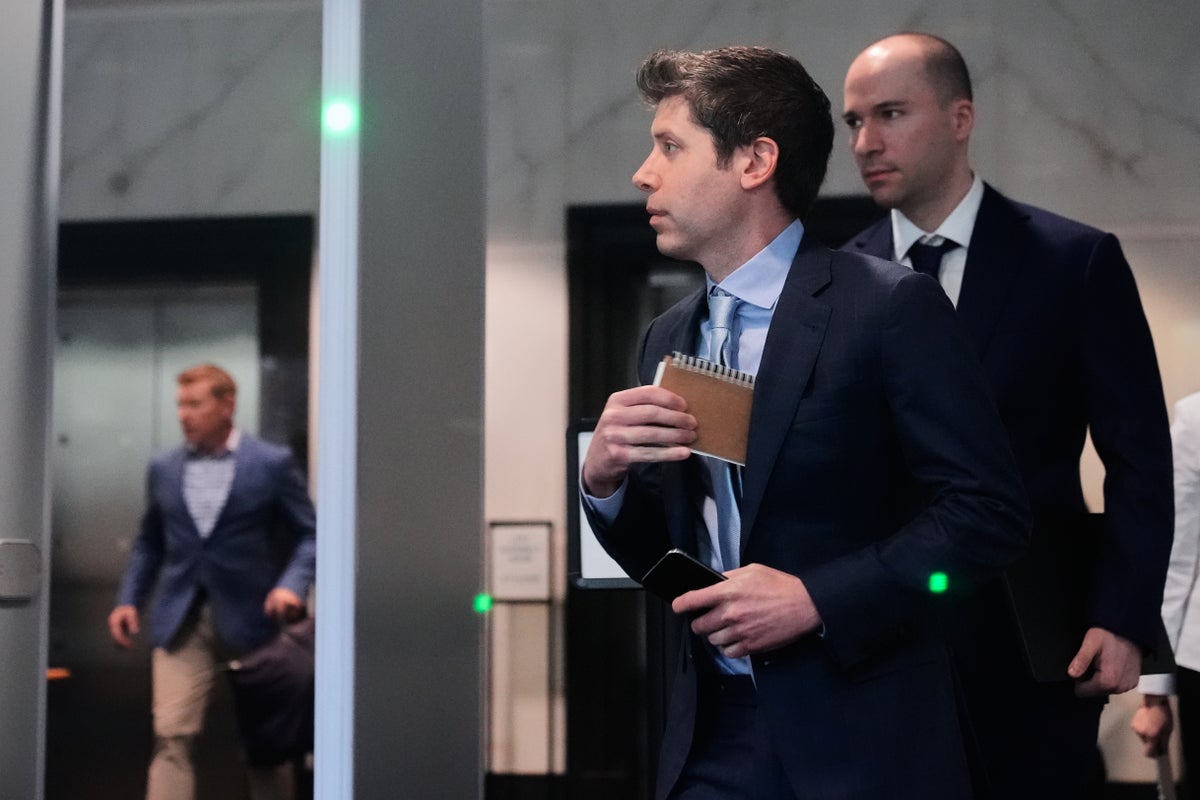
Lawyers for Elon Musk and OpenAI have concluded their closing arguments in a high-profile trial that could significantly influence the future of artificial intelligence. This case, which has drawn global attention, involves Musk, the world’s richest individual, who was once a co-founder of OpenAI. Founded as a nonprofit in 2015, OpenAI became renowned for creating ChatGPT. Musk invested $38 million during its early years but later filed a lawsuit in 2024, accusing OpenAI CEO Sam Altman and his top deputy of secretly shifting the company towards a profit-driven model without his knowledge.
The outcome of this trial could impact the balance of power within the AI industry—a sector that is increasingly seen as both revolutionary and potentially dangerous to humanity. With scrutiny on Altman’s leadership, the trial has become a pivotal moment for OpenAI and its competitors, including Musk’s own AI firm and Anthropic, which was established by seven former OpenAI leaders.
IPOs and the Race for Dominance
All three companies are currently preparing for planned initial public offerings (IPOs), which are expected to be among the largest in history. In addition to seeking damages, Musk is also pushing for Altman’s removal from OpenAI’s board. If successful, this could disrupt OpenAI’s IPO plans and shift the competitive landscape.
Timing and Legal Challenges
One of the key issues the jury must determine is whether Musk filed his lawsuit within the appropriate timeframe. Much of the testimony has focused on OpenAI’s early years following its 2015 founding. However, there is a limited window for claiming the alleged breaches of trust and unjust enrichment that Musk is asserting.
OpenAI has argued that Musk waited too long and cannot claim harms that occurred before August 2021. The judge, Yvonne Gonzalez Rogers, stated in a recent court filing that if the jury finds Musk failed to meet the statute of limitations, it is highly likely she will accept that finding and issue a verdict in favor of the defendants.
If the jury decides the lawsuit was timely, they will then need to assess whether OpenAI had a “charitable trust” and whether the company and its executives violated that trust. Musk’s other claim requires jurors to determine if Altman, Greg Brockman, and OpenAI unjustly enriched themselves at Musk’s expense. For Microsoft, a co-defendant in the trial, the jury must decide if the company aided and abetted the breach.
Musk’s Attorney Focuses on Altman’s Credibility
Musk’s attorney, Steven Molo, emphasized Altman’s credibility during his closing arguments. He highlighted testimony from five witnesses who described Altman as a “liar.” These witnesses included Musk himself, co-founder Ilya Sutskever, former chief technology officer Mira Murati, and two ex-board members, Helen Toner and Tasha McCauley.
Molo argued that Altman’s credibility is central to the case. “Sam Altman’s credibility is directly at issue in this case. He’s the defendants’ main witness. The defendants absolutely need you to believe Sam Altman. If you cannot trust him, if you don’t believe him, they cannot win. It’s that simple,” he said.
A Question of Money
During a brief exchange while the jurors were out of the room, Judge Yvonne Gonzalez Rogers criticized Molo for suggesting that Musk was not seeking any money in the lawsuit. While Musk abandoned a bid for personal damages before the trial, he is still seeking an unspecified amount of money to fund OpenAI’s charitable efforts.
Musk is seeking “billions of dollars of disgorgement,” the judge noted, and ordered Molo to either retract his statement or “drop your claim for billions of dollars.” They eventually agreed that the judge would correct the statement to the jurors.