Ongoing Timekeeping Issues in the AFL
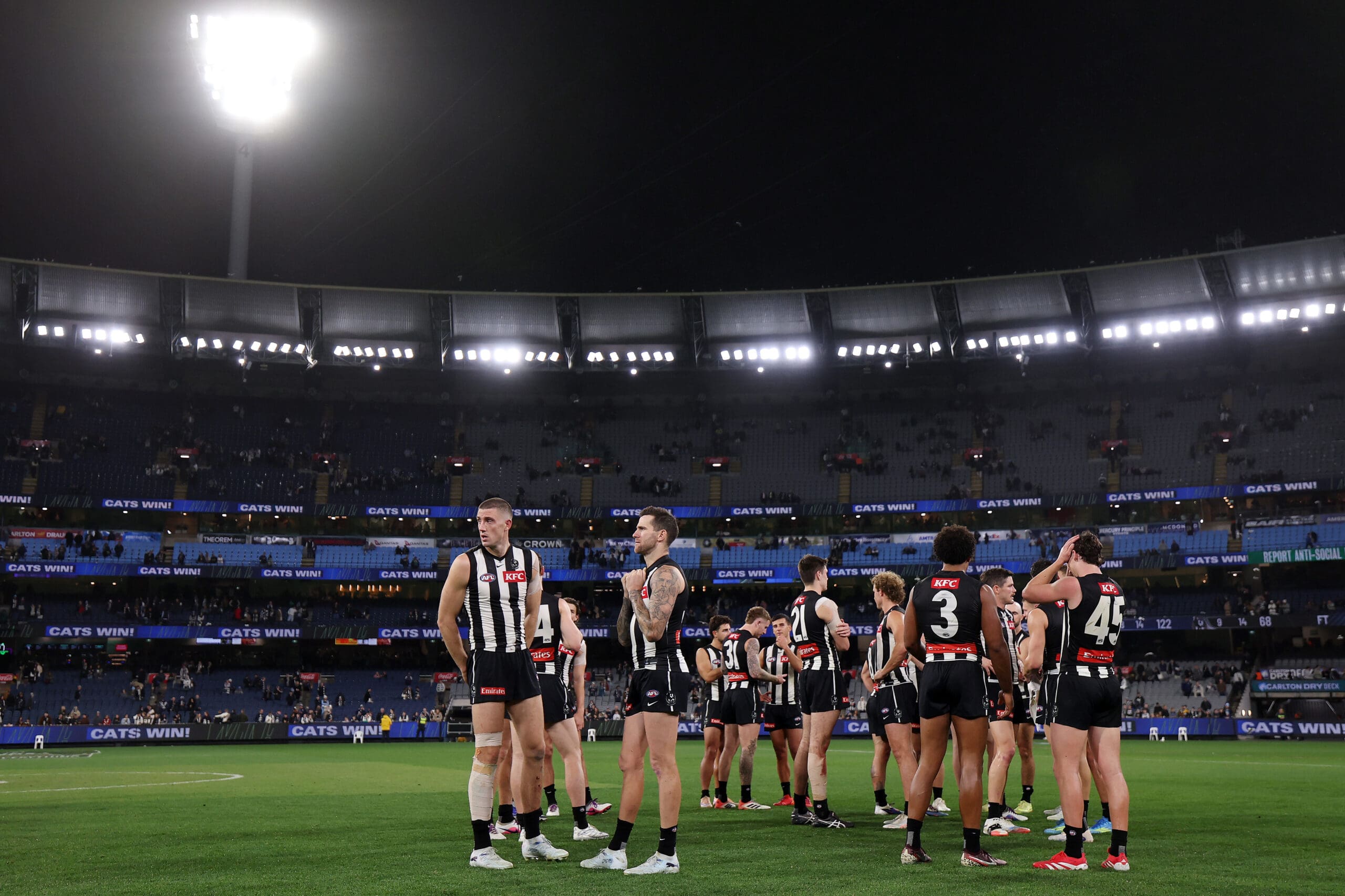
The Australian Football League (AFL) is currently investigating another timekeeping error that occurred during a high-profile match between Geelong and Collingwood on Saturday night. The incident involved an unexpected addition of approximately two minutes to the game clock, raising concerns about the reliability of the league’s timing systems.
During the third term of the match, the Cats were in control of the contest when the clock unexpectedly froze for about a minute with 3 minutes and 36 seconds remaining in the quarter. When the clock resumed, it showed 2 minutes and 56 seconds, but then inexplicably added an additional minute, bringing the time back to 3 minutes and 56 seconds. This anomaly suggests that an extra two minutes were effectively played during the third quarter.
Despite this error, which was confirmed by AFL CEO Andrew Dillon on Monday, it did not impact the outcome of the match. During the affected period, Collingwood managed to score only two behinds. Geelong ultimately secured a convincing victory, winning by 54 points and extending their lead at the final change.
This incident follows a similar timekeeping issue in Round 2 of the season, where the AFL admitted that 29 seconds should have been added to the clock during a match between GWS and St Kilda. A technical malfunction caused the countdown clock to jump from 29 seconds to zero after a goal by St Kilda player Max Hall. The error resulted in the quarter ending prematurely, which proved costly for the Giants as they lost by four points in a thrilling finish.
The AFL has since released a statement regarding the incident, explaining that a software update was responsible for the malfunction. However, the timekeepers were meant to step in and manually adjust the clock if necessary. In this case, the manual backup process was not activated, leading to the error.
“Post a second-quarter goal by St Kilda player Max Hall, a technical issue caused the countdown clock to jump from 29 seconds to 00 seconds, effectively ending the quarter,” the statement read. “Upon a full review, it has been determined that 29 seconds should have been added back onto the timeclock. In the moment, the timekeepers were unaware of the technical error. There is a manual backup process for the timekeepers to resort to, however in this instance that did not happen.”
In response to these incidents, the AFL has announced plans to re-test the relevant timekeeping technology ahead of the next round of matches. The league also intends to reinforce the manual backup process with all timekeepers to prevent similar errors from occurring in the future.
Additional Timekeeping Errors in the Same Match
The issues with the timekeeping system were not limited to the first quarter. During the third quarter of the GWS vs. St Kilda match, the run-down clock experienced another glitch, jumping from 9.41 to 12.46 before auto-correcting. This further highlighted the need for improved oversight and training for timekeepers to ensure accurate and reliable timing throughout the game.
These recurring issues raise questions about the overall reliability of the AFL’s timing systems and the effectiveness of the backup processes in place. As the league continues to grow and attract larger audiences, maintaining the integrity of the game through precise timekeeping becomes increasingly important.
The AFL has made it clear that it is taking these errors seriously and is committed to addressing them. With ongoing testing and training, the hope is that such incidents will become rare, ensuring that the focus remains on the players and the competition itself.