The Ambitious Vision Behind 2015’s ‘Fantastic Four’
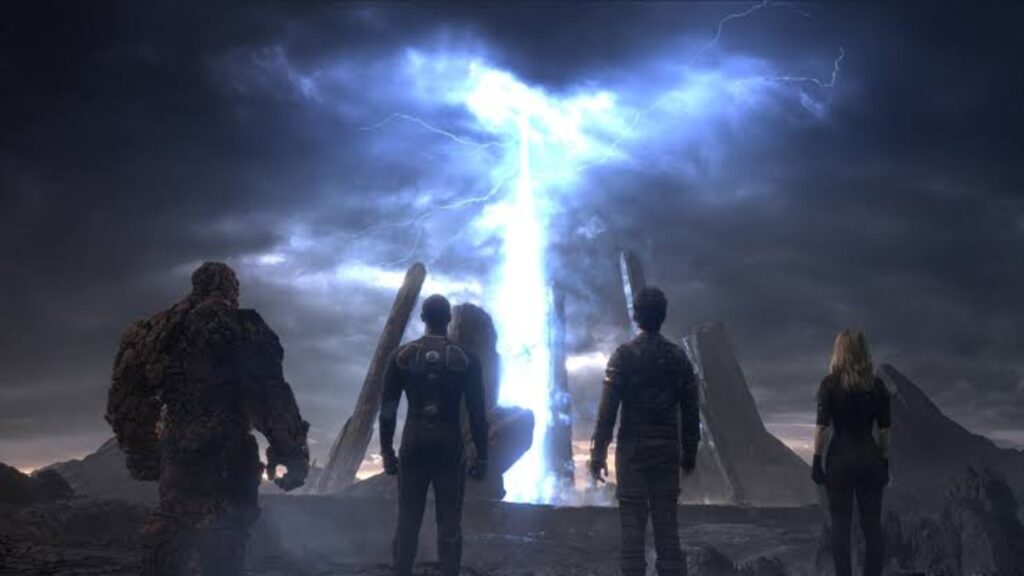
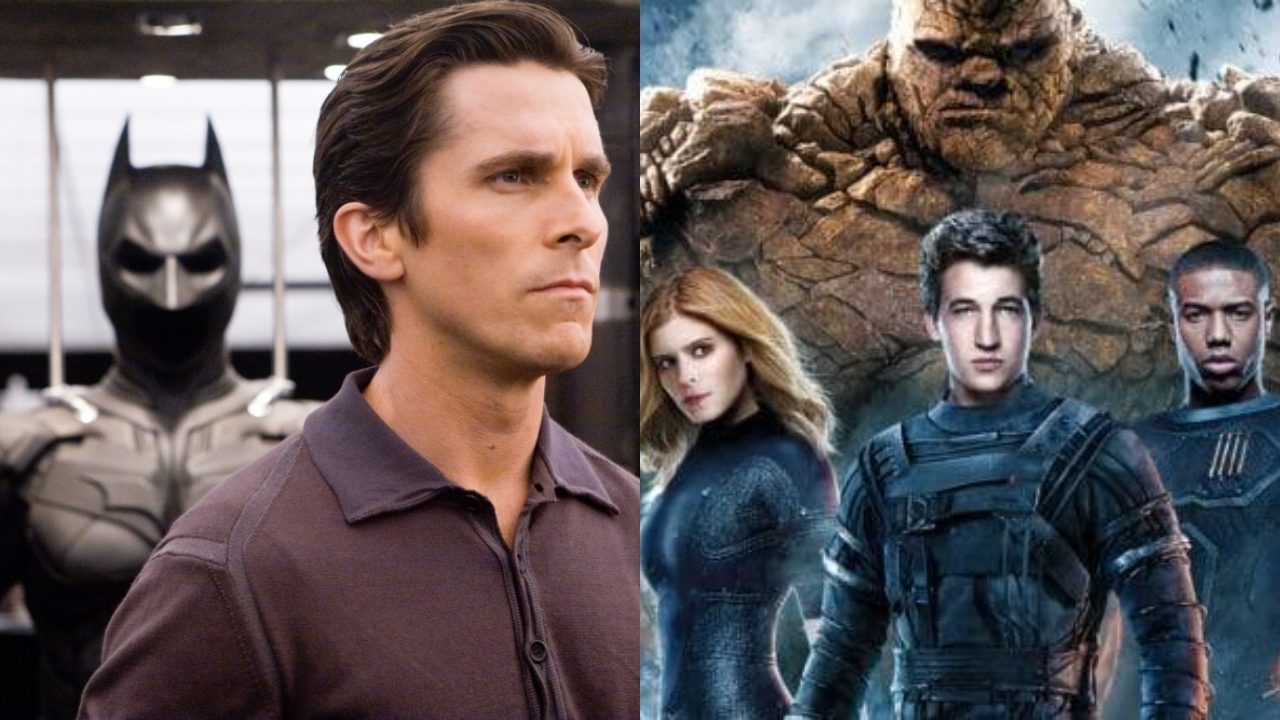
Screenwriter Jeremy Slater had high hopes for the 2015 reboot of ‘Fantastic Four’. He believed that this film could redefine superhero storytelling and potentially reach the same level of acclaim as the ‘The Dark Knight’ trilogy. For Slater, the project was not just another movie—it was an opportunity to create something grounded, mature, and prestige-driven.
In an interview, Slater shared his initial confidence, stating that he once thought, “we’re the next Christopher Nolan.” However, looking back, this statement feels overly optimistic. At the time, superhero movies were undergoing a transformation, with studios aiming for more mature and complex versions of comic book heroes. For a young writer entering the Marvel universe, this was a huge opportunity.
The Challenges of Franchise Filmmaking
Despite the initial excitement, Hollywood often does not go according to plan. Slater discussed how writers can lose control once production begins, especially on large-scale franchise films. These projects are typically overseen by studios, producers, and directors with their own visions, which can lead to significant creative differences.
“You don’t really have any bearing on the quality of the finished product. You just hope that your collaborators all want to make the same movie you wanted to make,” Slater said. This disconnect became evident when ‘Fantastic Four’ was released, as it received harsh reviews, behind-the-scenes drama, and poor box-office performance from the start.
Rather than launching a new franchise, the film became one of the most infamous superhero flops of the 2010s.
The Messiness of Creative Collaboration
What makes Slater’s comments particularly resonant is the honesty about the collaborative chaos in filmmaking. When a superhero movie fails, fans often point to a single cause. However, the reality is much more complicated.
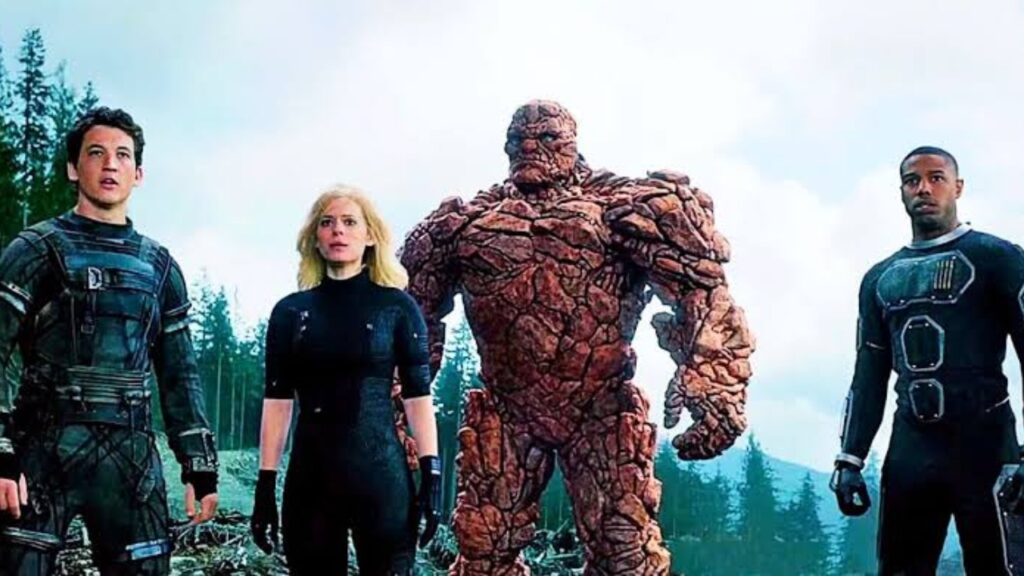
Scripts are rewritten, tones shift during production, reshoots happen, and creative priorities change rapidly. In a different scenario, this version of ‘Fantastic Four’ could have been a darker, character-driven sci-fi epic. Instead, it became a cautionary tale about the risks of losing the original creative vision during the process.
The Legacy of ‘Fantastic Four’
A decade later, the film raises more questions than answers, not about what it was, but what it could have been. Its failure serves as a reminder of the challenges involved in bringing a creative vision to life in the world of blockbuster filmmaking.
Lessons from the Past
While the film may not have achieved its intended goals, it highlights important lessons for future projects. The importance of maintaining creative control, the need for collaboration, and the unpredictable nature of the film industry are all factors that continue to shape the superhero genre.
For screenwriters and filmmakers, the story of ‘Fantastic Four’ is a reminder that even the most ambitious ideas can face significant obstacles. It also underscores the value of learning from past mistakes and striving for better outcomes in future projects.