
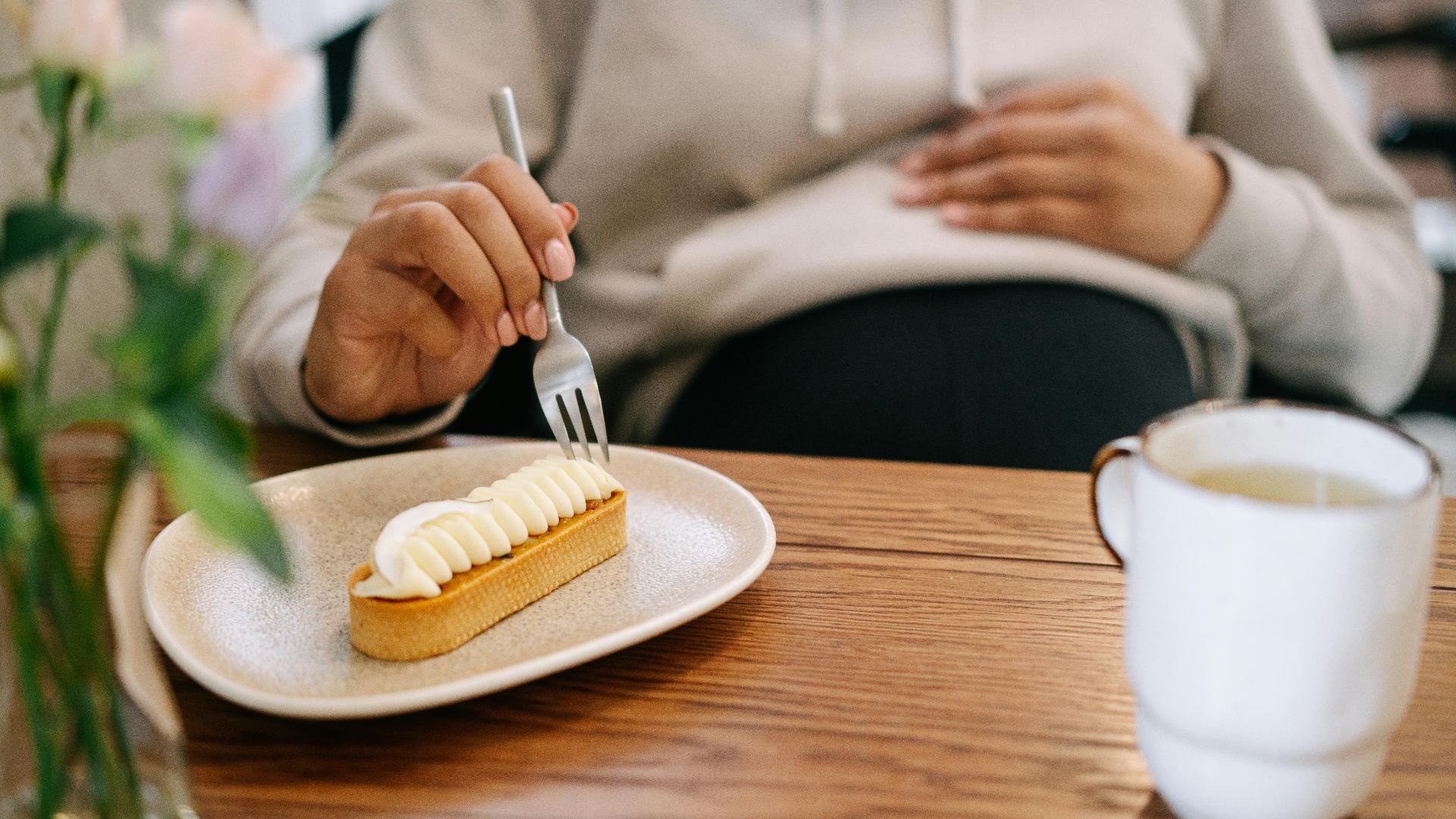
The Science Behind Pregnancy Cravings
Pregnancy is a time of profound change, not just for the body but also for the mind. One of the most intriguing aspects of this transformation is the phenomenon of food cravings. These intense desires for specific foods can be both puzzling and fascinating. While many people are familiar with the idea of craving pickles or ice cream during pregnancy, the science behind these cravings is far more complex than it appears.
Research consistently shows that around 80% of pregnant women experience food cravings, with sweets being the most commonly reported. This high percentage suggests that cravings are not just a quirky side effect but rather a near-universal biological event. Understanding why they occur and why they can sometimes veer into bizarre territory requires looking at what pregnancy actually does to the brain.
Your Brain Gets Rewired Before You Notice
The cravings are not a result of willpower failure or a sudden personality change. Instead, they stem from a wholesale restructuring of the brain’s reward system. A study published in Nature Metabolism in 2022 by a team at IDIBAPS in Barcelona found that pregnancy modulates dopamine signaling through neurons expressing dopamine D2 receptors in the nucleus accumbens, a region in the basal forebrain that directly controls food craving episodes. In simpler terms, the part of your brain that determines what feels rewarding and desirable gets reorganized around high-calorie, palatable foods almost as soon as pregnancy begins.
The same research revealed that during pregnancy, the brain undergoes alterations to functional connections in both the reward system and the taste and sensorimotor centers. This makes pregnant women significantly more sensitive to sweet foods and drives compulsive eating behaviors toward high-calorie options. This isn’t a gentle nudge; the circuitry that normally governs motivation and desire, the same pathway involved in addiction research, gets tuned specifically toward food in a way that makes cravings feel urgent and non-negotiable. Researchers found that when they blocked the activity of those D2R neurons in pregnant mice, the food anxiety disappeared entirely.
The Evolutionary Logic
The evolutionary logic behind these changes is fairly straightforward. A pregnant body has higher caloric and micronutrient demands than usual, and the brain has learned over millennia to push hard for calorie-dense food when those demands are highest. The reward system isn’t malfunctioning. During pregnancy, the body undergoes a series of physiological and behavioral changes specifically to create a favorable environment for the embryo’s development, and cravings are one mechanism in that larger project. However, the system is calibrated for a nutritional environment very different from the one most people now live in, which is part of why the cravings often land on ice cream and not leafy greens.
Why the Specific Cravings Feel So Random
The particular food that grabs you during pregnancy is less random than it seems. A 2025 study comparing pregnant and non-pregnant women found that pregnant participants showed a marked preference for foods described as cold, craving them at more than double the rate of the non-pregnant control group, while the control group leaned toward warm, creamy, or thick foods. Cold foods, it turns out, may help manage nausea and the elevated body temperature that often accompanies early pregnancy, which means the body is making targeted requests even when they feel arbitrary.
Pregnant women describe cravings as urgent, food-specific, and cognitively demanding in ways that are clearly distinct from ordinary hunger. That distinction matters because it explains why eating something else doesn’t satisfy them. Hunger is a caloric signal. A craving is a specific neurological request for a particular sensory experience, and the two systems operate somewhat independently. Substituting crackers for the thing your brain is fixated on can feel like trying to scratch an itch through a wall.
Cultural context shapes which specific foods end up on the list. Research on pregnancy cravings shows that sweet foods and fruit are among the most commonly reported cravings, but the exact pattern varies by population and food culture. What stays consistent is the intensity and the specificity, the feeling that only one particular thing will do.
When Cravings Cross Into Truly Strange Territory
Pica, the craving for non-food substances, is the outer edge of the pregnancy craving phenomenon, and it affects far more people than most conversations about it acknowledge. A study of pregnant women in Western Kenya found pica prevalence at 27.4%, with soil and soft stones being among the most frequently reported substances consumed. That figure is not an outlier. Similar rates show up across sub-Saharan Africa, parts of Latin America, and communities globally where certain non-food substances have deep cultural meaning.
A 2020 study of 286 pregnant women in Ghana found that around 47% had experienced some form of pica during pregnancy, with ice and white clay among the most commonly consumed non-food items, and some women reporting that they believed these substances had nutritional value or helped with nausea. The underlying driver is often a genuine nutritional gap. Deficiencies in important minerals like iron and zinc are associated with pica, and pregnant women face elevated anemia risk from insufficient iron or B vitamins, which can trigger these unusual cravings. The body is reaching for something it needs badly and sometimes reaching in the wrong direction.
The Full Picture
The full picture of pregnancy cravings is less about indulgence and more about a body under significant biological pressure, making urgent requests through the most persuasive channel it has. The brain doesn’t ask politely. It reorganizes its reward system and sends you to three stores at midnight.