Rising Violence and Aggression in Retail Due to Illicit Tobacco Crisis
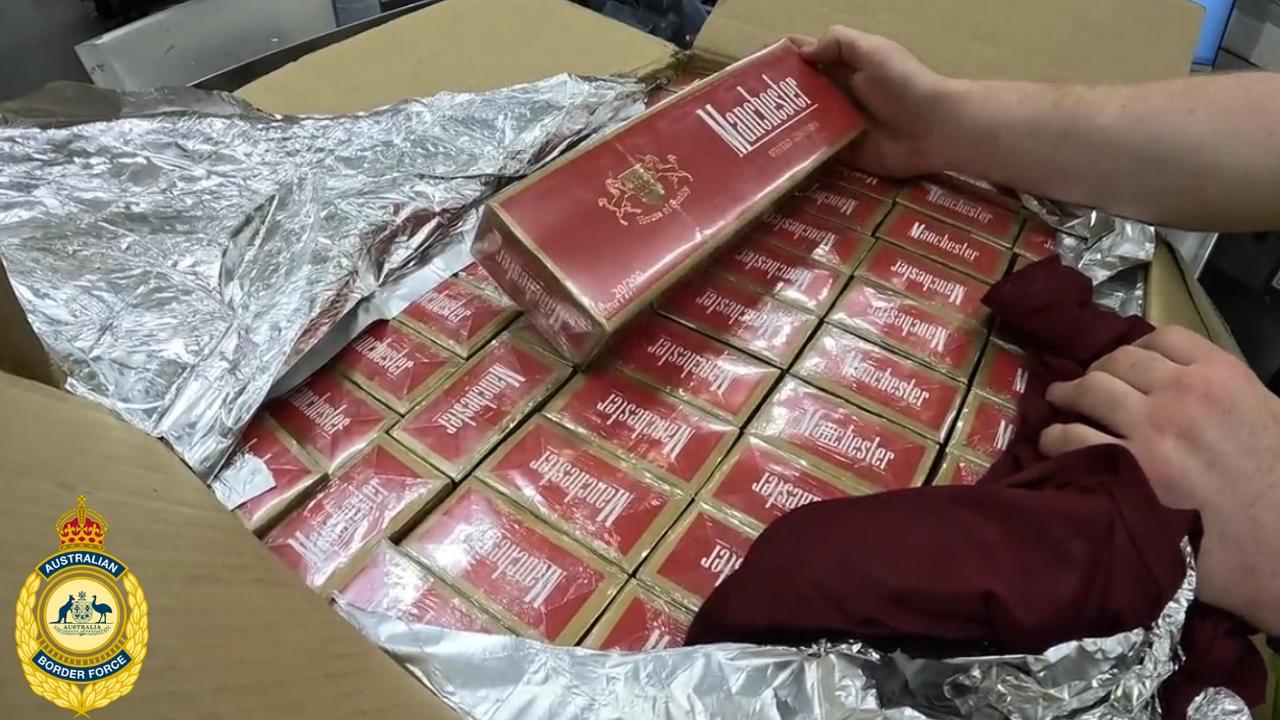
Retail workers across Australia are increasingly facing violence and aggression from customers as the illicit tobacco trade continues to grow, according to a recent parliamentary inquiry. Industry representatives from convenience stores and grocers highlighted the growing problem during the Senate inquiry, which is examining the impact of the black market on public safety and government revenue.
The Australian Association of Convenience Stores (AACS) chief executive, Theo Foukkare, shared alarming accounts of retail staff being forced to flee to safe rooms within their stores to avoid violent threats. He explained that some retailers in high-risk areas have converted their back offices into secure spaces where employees can retreat if attacked.
“We’ve had instances where some retailers in bad areas are setting up safe rooms,” Mr Foukkare said. “They’re converting their back office into a room where the staff can escape to should they be attacked.”
He emphasized that these measures are taken to ensure the safety of workers and protect both staff and products. “It’s really just about making sure the staff are going to be OK to go home to their families,” he added.
Master Grocers Australia chief executive, Martin Sterling, also spoke about the frustration experienced by customers who face higher prices for legal tobacco compared to illicit alternatives. This has led to increased aggression towards retail workers, particularly among younger staff members who may not be accustomed to such situations.
“The price of illicit tobacco has now been normalised. There is a normalised baseline of about $10 per pack (of cigarettes),” Mr Sterling said. “When customers complete their grocery shop at an independent supermarket and perhaps want to purchase some tobacco, they become irate when they’re told (the price) will be $50 or $60.”
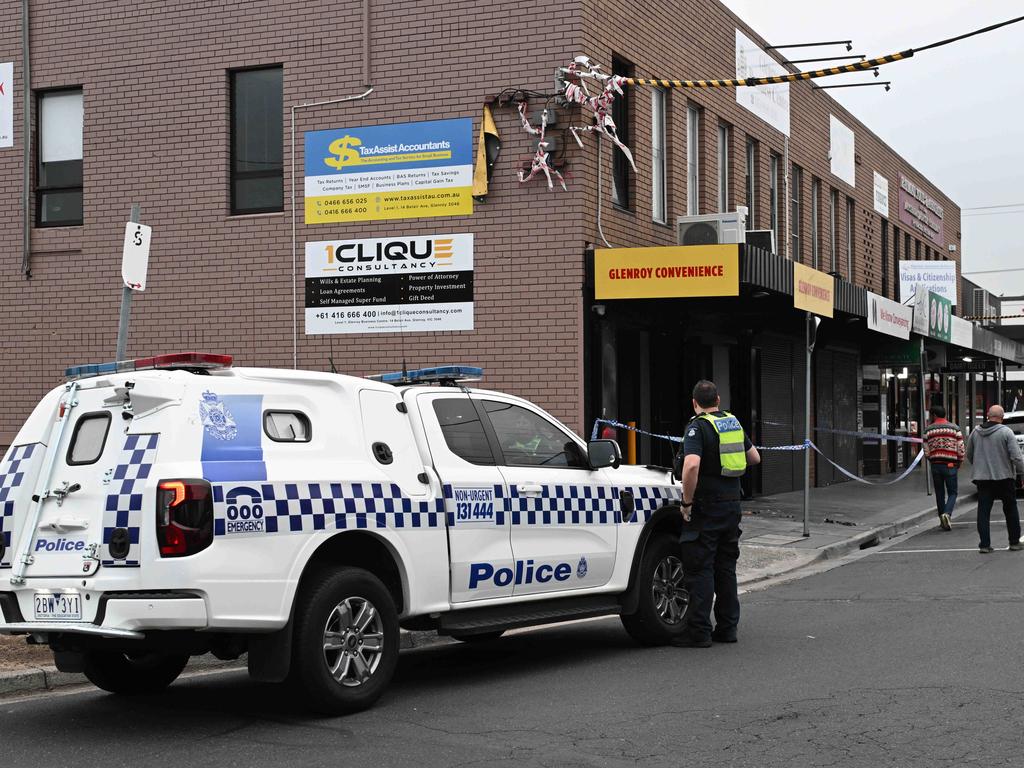
This frustration often results in dangerous and uncomfortable situations for retail workers. Mr Sterling stressed that this issue is not only affecting the mental well-being of staff but also creating an unsafe working environment.
Impact of the Illicit Tobacco Trade on Public Safety
The Australian Federal Police (AFP) and the Australian Criminal Intelligence Commission (ACIC) also provided testimony to the inquiry, highlighting the broader implications of the illicit tobacco trade. They reported that the black market has led to violence between organized crime gangs, with tragic consequences.
ACIC deputy chief executive officer of intelligence, Adam Meyer, described the situation as “very concerning.” He noted that there have been various violent activities, including over 200 arson attacks on tobacconists and other facilities, largely linked to inter-group violence.
“Various groups have been trying to take greater control of the illicit tobacco market themselves, and that violence has unfortunately spilt into the community,” Mr Meyer said.
He added that the black market offers high profitability and lower barriers for entry into criminal activities. “It’s easier for actors to become involved. The penalties against them are generally lower for other illicit commodities, drugs in particular,” Mr Meyer explained.
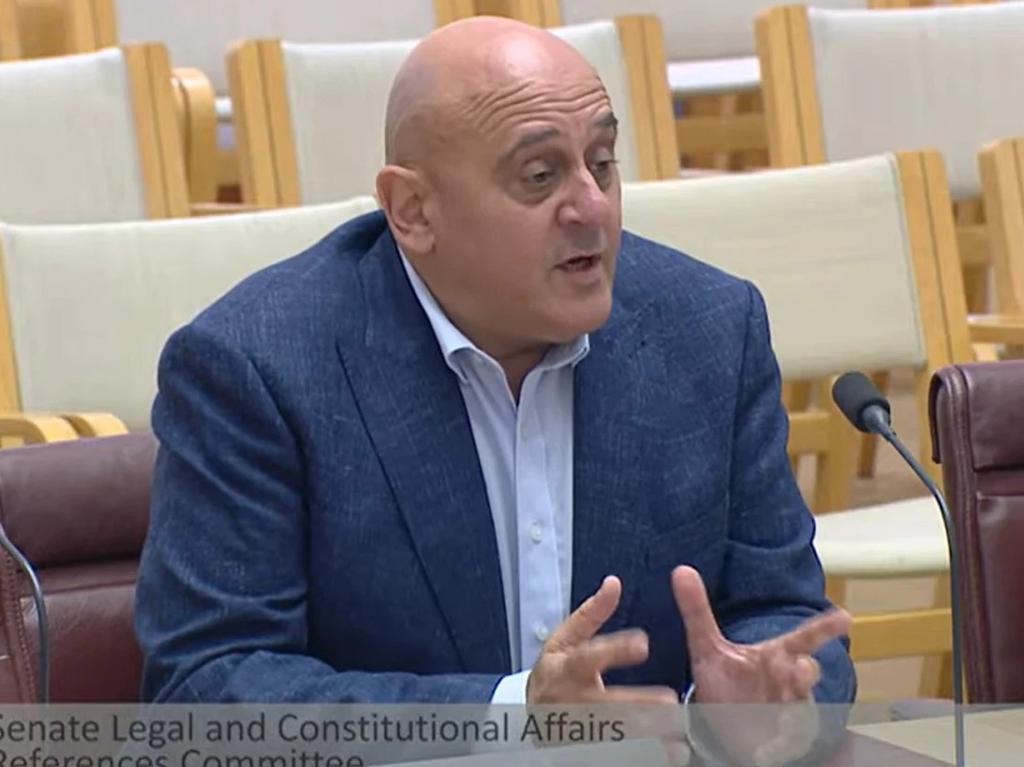
This criminal activity is often intertwined with other forms of organized crime, such as drug trafficking and money laundering. “They also see it as a way of building up other criminal enterprise within their business model,” he said.
Government Response and Measures to Combat the Crisis
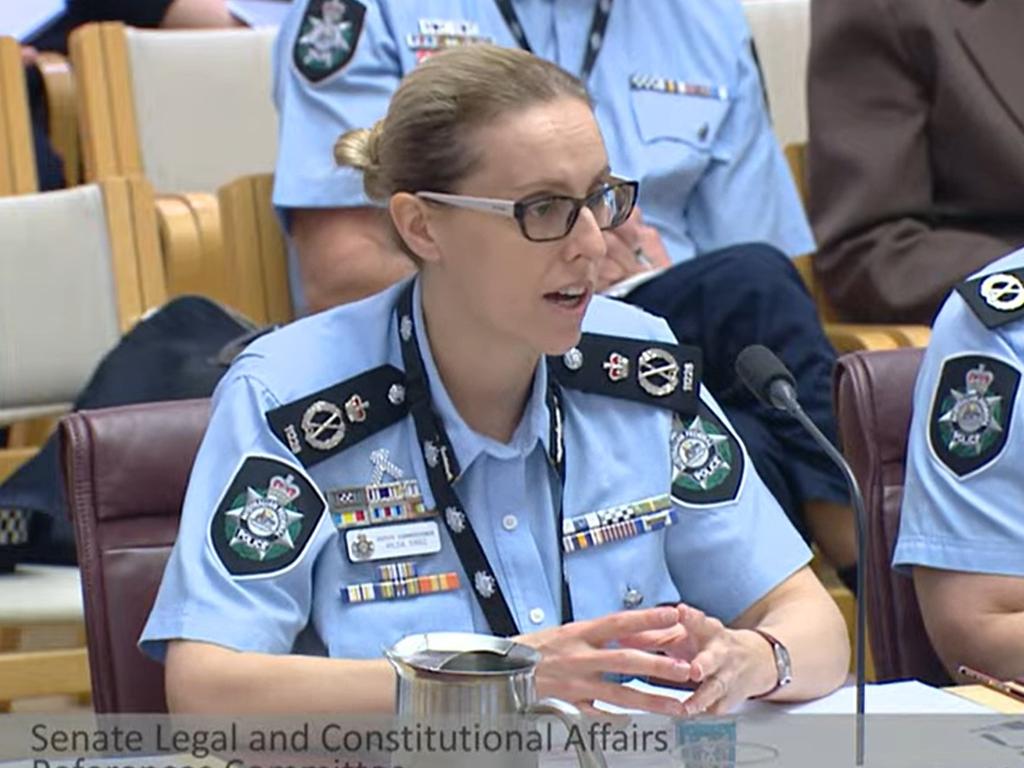
During the inquiry, Tasmanian senator Richard Colbeck questioned AFP Deputy Commissioner Hilda Serec about whether the AFP was monitoring shipments of illicit tobacco through Australia Post and other private parcel carriers. Senator Colbeck pointed out that Australia Post does not require a declaration on the contents of domestic parcels, leaving the carrier vulnerable to the trade.
Ms Serec responded that the AFP works closely with freight carriers and other partner agencies. “There has been some engagement with Australia Post … and we will consider anything that frustrates criminality,” she said.
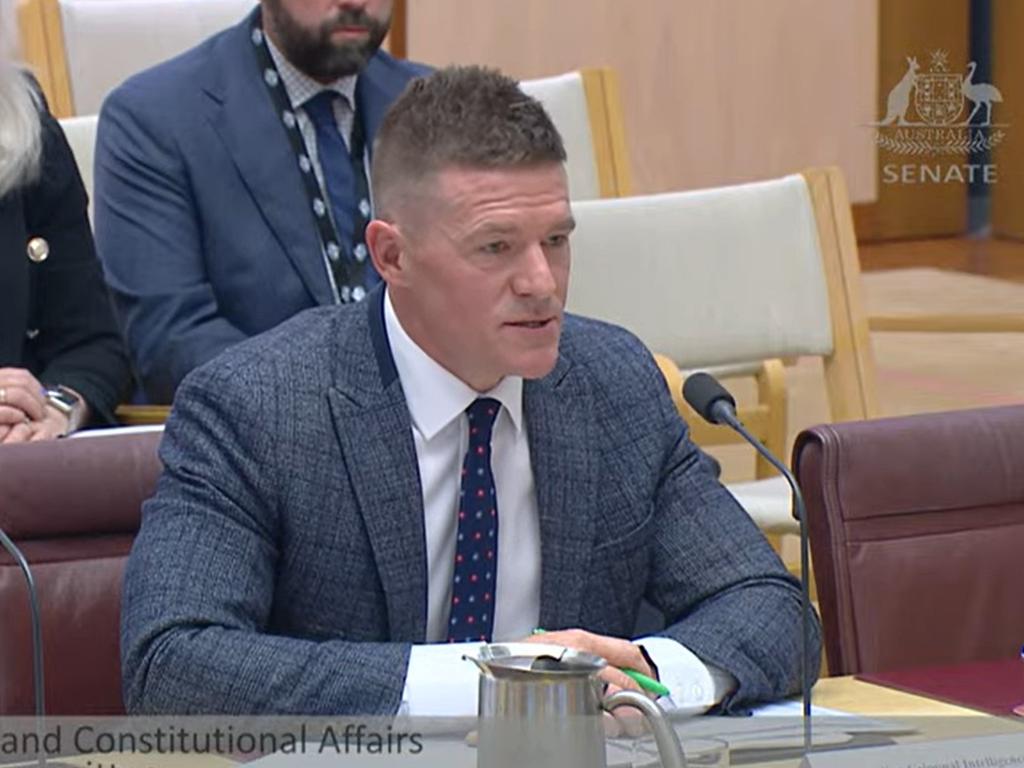
In response to the growing crisis, the Albanese government announced in the May 12 budget that it would allocate $20.3 million over four years to combat illicit tobacco. This includes $14 million for additional funding to boost state and territory compliance and enforcement capabilities.
Several states have also introduced measures to tackle the issue. The New South Wales government has strengthened powers for health officials to shut down stores selling illicit tobacco and implemented tougher enforcement. Other jurisdictions, including Queensland, Victoria, and the ACT, have made similar moves to address the problem.