Aussie shoppers are becoming less loyal to the big grocery brands, and this trend is expected to continue in the coming years. Home brand products are increasingly becoming the go-to choice for many consumers, with more people refusing to pay extra for a brand name alone.
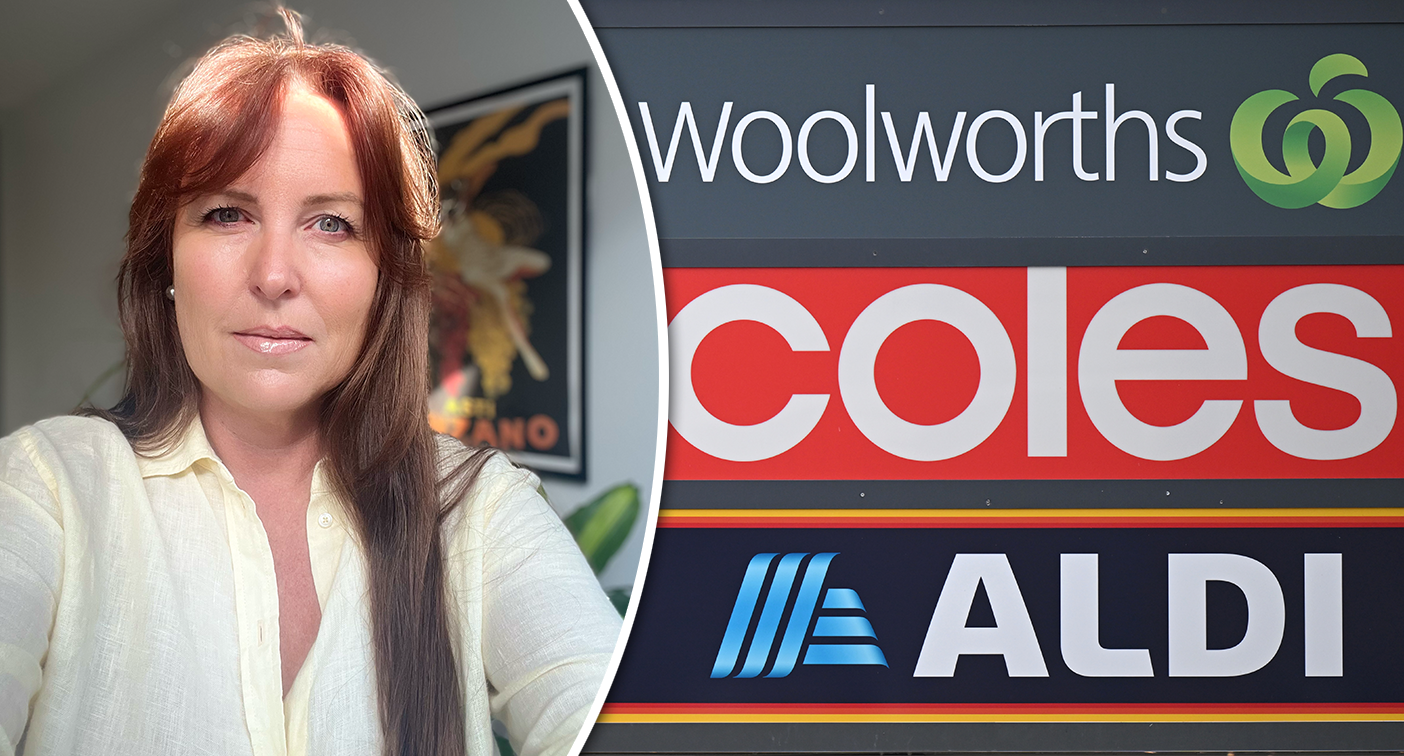
Grocery costs are one of the biggest expenses that Sydney woman Angeline Wyatt faces each month. The 48-year-old marketing worker said she has changed her shopping habits over the last year and now opts for home brands for the majority of her purchases.
“Like everybody, we’ve all noticed and experienced in the last 12 months, particularly, that it feels like you drop a tonne of cash and you get very little for it at the supermarket,” Wyatt told Yahoo Finance.
She typically does a bulk grocery shop at Aldi each month and spends around $300. The German chain has become well-known for stocking home brand alternatives, with about 90 per cent of its products being exclusive.
Wyatt also does smaller, top-up shops at Coles and Woolworths each week, which set her back around $100 for her single household.
“In terms of brands, I’m very price driven. I’m not loyal to a brand at all, particularly when it comes to things like cans of corn or cans of beans. I scan the prices and I go for the cheapest, which is often the home brand,” she said.
“I really don’t feel or don’t see that you’re getting anything more for one of the more premium brands than you are for a home brand in a lot of those cases.”
Do you have a story to share? Contact [email protected]
One in four Aussies refuse to pay more for brands
A new report from Shop! ANZ and Vypr found that home brand products were “closing the trust gap” and forcing branded products to work harder to justify their price premium. One in four consumers now refuse to pay extra for branded supermarket products, the research found, rising sharply to 43 per cent among 55 to 64 year olds.
For those willing to pay extra, there was also a clear price ceiling in place. One in three said they would be willing to pay up to 10 per cent more for branded products, while 29 per cent would only stretch an extra 5 per cent.
Better taste or quality (58 per cent) and familiarity (46 per cent) were the main reasons shoppers would opt for branded products, particularly in the snacks and health and beauty spaces.
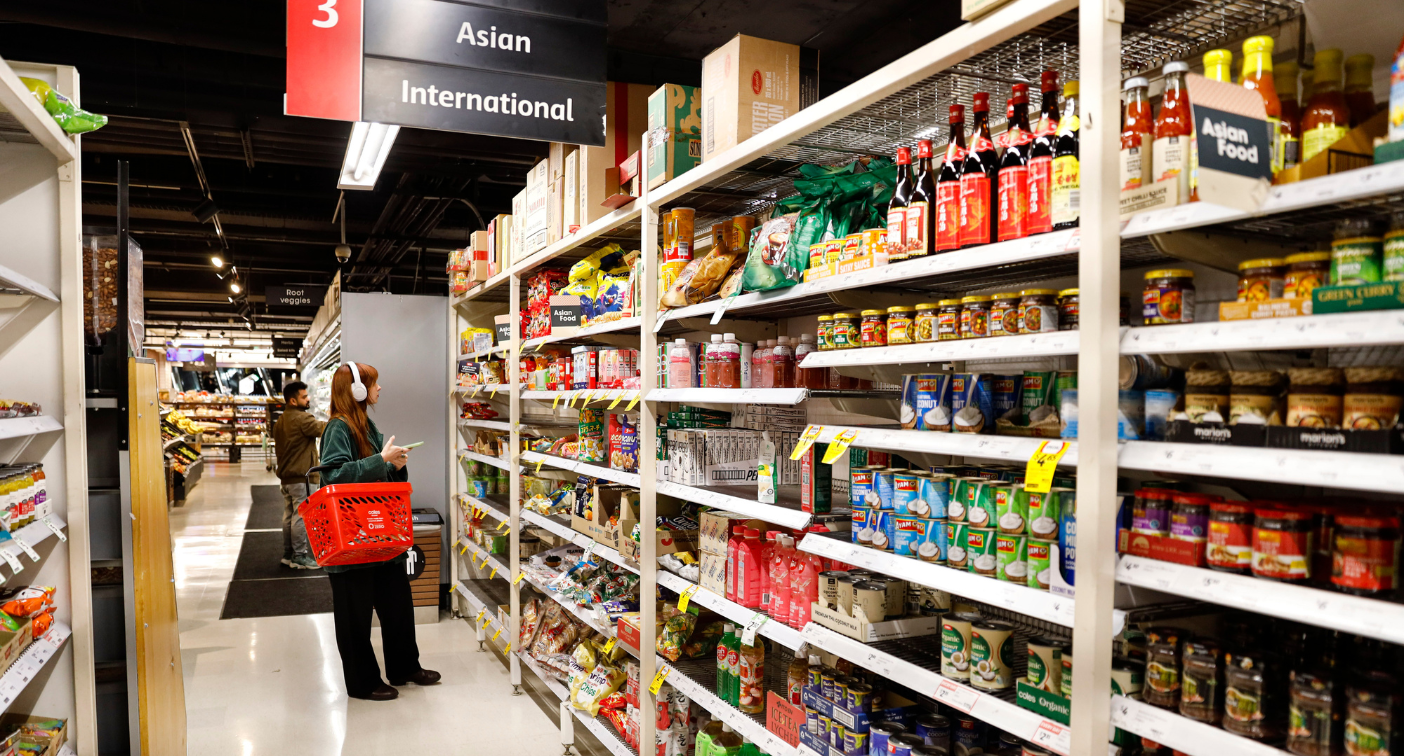
Shop! ANZ general manager Carla Bridge said the days of assuming brand loyalty would carry a product from shelf to basket were over.
“Consumers are weighing up price, quality, trust and category relevance at the point of purchase, and if the premium offering is not clear, they are increasingly prepared to switch. This is creating a more competitive grocery environment for both retailers and suppliers,” she said.
About 45 per cent of Aussies felt more confident buying home brand products compared to a year ago. Household essentials were the top category that consumers felt comfortable buying home brands, followed by pantry staples and dairy.
Last year, Compare the Market separately analysed 20 everyday household items, including staples like bread, milk and eggs and household essentials like washing powder and toilet paper. It found Aussies could save up to $81 by swapping brand-name items for their homebrand equivalents.
Coles, Woolworths fake discount cases set to accelerate trends
It comes as Coles braces for a record fine following a landmark court ruling finding the supermarket misled shoppers with its ‘Down Down’ discounts. Federal Court judge Michel O’Bryan found that 13 of the 14 pricing tickets considered were misleading because the products were not sold at the ‘was’ price for a reasonable period.
Consumer expert Joel Gibson told Yahoo Finance he expects the Coles case will “accelerate” shopping trends as Aussies become even more cynical of so-called discounts offered by the big supermarkets.
“The inflation crisis of the last three to four years has already changed the way we shop: we’re shopping at more retailers, we’re shopping online more, we’re buying more home brands, and we’re buying in bulk more,” Gibson said.
“We’re already less brand loyal and the big supermarkets are expanding their home brands and removing third party brands from their shelves to respond to that trend. We’ve been forced to try other brands by necessity and in many cases we’ve found they’re just as good.”
With budgets tight for many Aussies, Wyatt said shoppers now needed to “play smart” and be on their game when grocery shopping.
“I would say the majority of the things that I buy at Coles, I would buy around specials,” she said.
“I would say buyer beware, as we clearly can’t trust our supermarkets to be honest.”
Get the latest Yahoo Finance news – follow us on Facebook, LinkedIn and Instagram.