The Enigma of Marilyn Monroe’s Final Hours
The white stucco house at 12305 Fifth Helena Drive in Brentwood still draws people in. Visitors often stand behind the iron gates, gazing at the quiet courtyard where, more than sixty years ago, one of Hollywood’s most iconic stars met her end.
On August 5, 1962, Marilyn Monroe’s body was found face down on her bed. She was naked, with a telephone receiver still in her hand. She was only 36 years old. The Los Angeles County Coroner’s office declared it “probable suicide” from an overdose of barbiturates. Yet, unlike many celebrities who receive a final farewell, Monroe’s death has never felt like a closure for the public. It continues to feel like a locked room, filled with missing documents and whispers of a cover-up involving powerful figures in America.
As the world prepares for what would have been her 100th birthday in 2026, the theories surrounding her death have remained as enduring as her famous image.
The Last Night of Marilyn Monroe’s Life
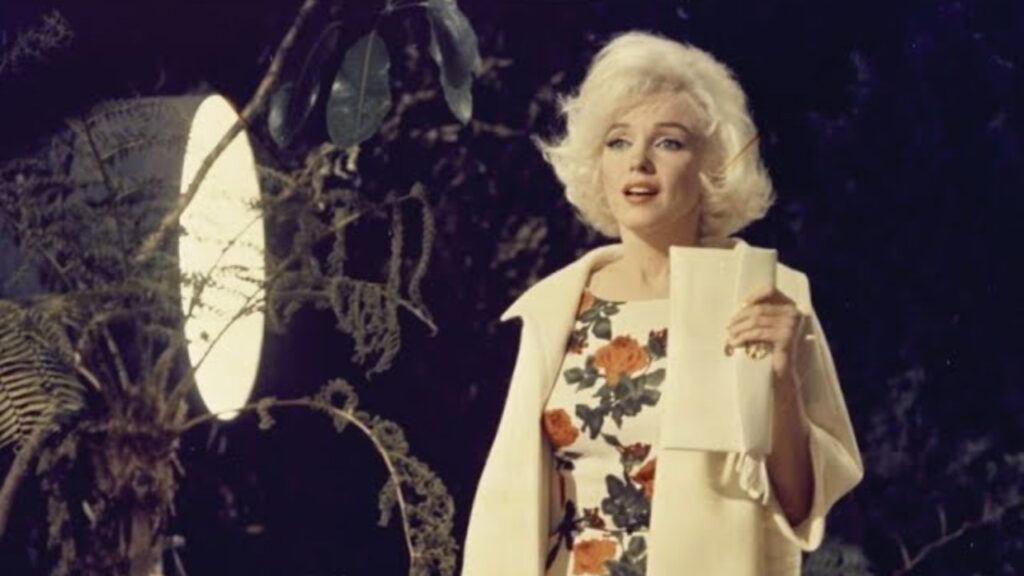
The story of Monroe’s last day is fragmented and full of conflicting accounts. The actress spent August 4, 1962, in a fragile but determined state. She had recently been fired by 20th Century Fox from the film Something’s Got to Give, and she was trying to rebuild her career.
She spent the afternoon with her psychiatrist, Dr. Ralph Greenson. By night, she was alone in her bedroom. The last confirmed phone call came from Peter Lawford, the actor who was brother-in-law to President John F. Kennedy. Lawford told authorities that Monroe sounded drugged and distant. Her final words before the call ended were haunting: “Say goodbye to Pat, say goodbye to the President, and say goodbye to yourself, because you’re a nice guy.”
A few hours later, her housekeeper Eunice Murray sensed something was wrong. She saw a light on but received no answer, so she called Greenson, who broke a window to enter the locked room. By then, the star was already dead.
JFK and Robert Kennedy Conspiracy Theories
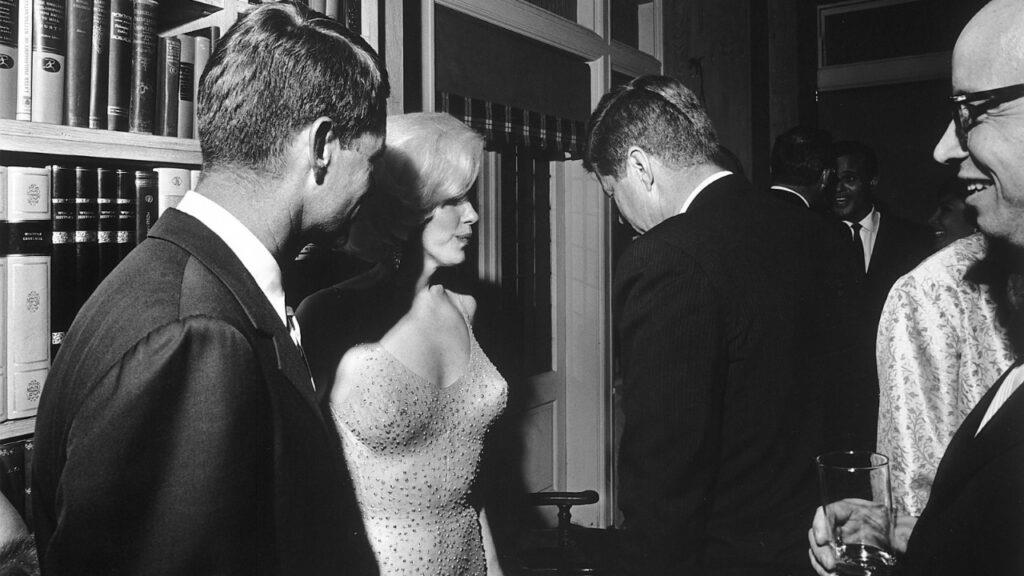
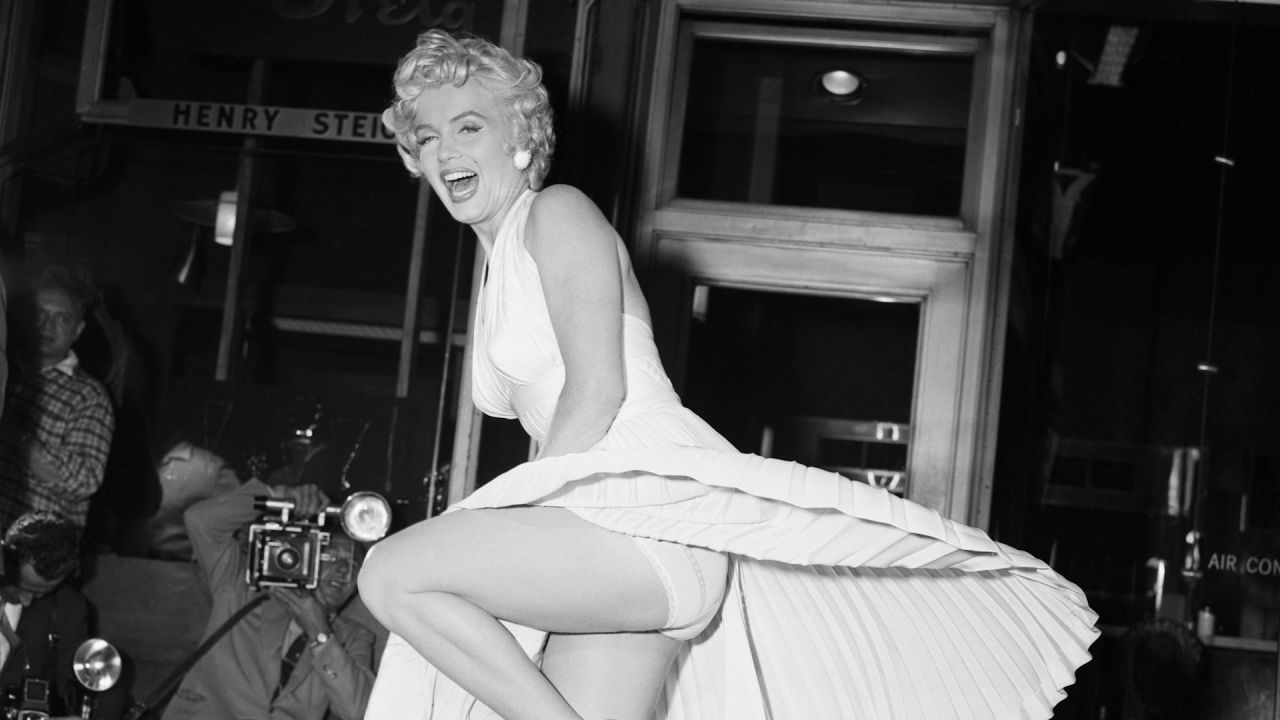
The “probable suicide” ruling never sat well with many. This was largely due to the political tensions surrounding Monroe’s personal life. At a May 1962 birthday party for JFK, Monroe performed a breathless rendition of “Happy Birthday, Mr. President” in a gown so sheer and tight it looked painted on.
There were persistent rumors that she had affairs with both John and his brother, Attorney General Robert F. Kennedy. Immediately after her death, theories emerged suggesting Monroe knew too much. Private investigators claimed she kept a “red diary” containing state secrets she overheard during secret meetings or that she had been recording her own phone calls.
One of the most explosive theories, detailed in a recent book by James Patterson, suggests that Bobby Kennedy visited Monroe the night she died. Another story claims a violent argument occurred at Fifth Helena Drive. During this altercation, Kennedy supposedly placed a pillow over her face to silence her screams. These claims primarily came from a disgraced private investigator named Fred Otash, though none have ever been proven.
Missing Organs and the Prosecutor Who Believed Murder
Beyond the political speculation, there are scientific elements that raise questions. John W. Miner, the deputy district attorney who oversaw the medical-legal section during Monroe’s death, believed it was murder. He passed away in 2011 still convinced of this.
Miner pointed out two inconsistencies in the case. First, the toxicology report showed lethal levels of Nembutal and chloral hydrate in Monroe’s system—enough to kill several people. However, her stomach was empty, with no pill fragments or dye left behind. Miner later stated, “The autopsy clearly shows that the barbiturates came in through the large intestine.” He believed someone administered a chloral hydrate “Mickey Finn” to knock her out, followed by a Nembutal enema given by another person.
Additionally, important organ samples, including the liver and stomach, which could have revealed whether she swallowed the drugs, disappeared from the coroner’s office overnight.
Why the Conspiracy Theories Refuse to Die
In 1982, the Los Angeles District Attorney’s office conducted a 30-month review of the murder claims but found no substantial evidence to support foul play. Despite this, the conspiracy theories have not faded. Dr. Thomas Noguchi, the coroner who performed the autopsy, admitted later in life that he had felt “alarm bells” on the day of the procedure.
Whether it was suicide, an accidental overdose, or a plot to silence a woman who got too close to the Kennedys, the truth remains hidden. Monroe once said, “Hollywood is a place where they’ll pay you a thousand dollars for a kiss and fifty cents for your soul.” On a quiet, dead-end street in Brentwood, the final price of that soul is still the world’s longest-running unsolved mystery.