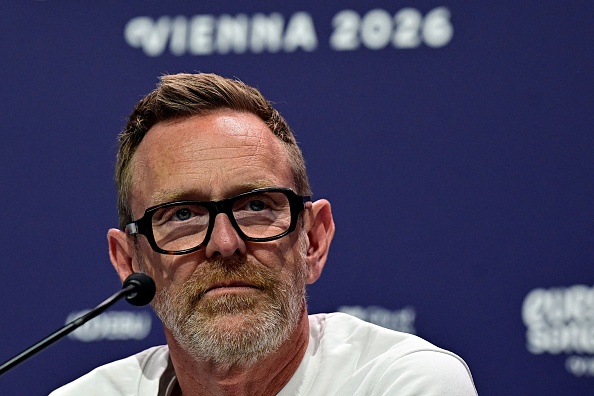
Eurovision’s long-standing claim that it is a ‘non-political’ event has been thrown into serious doubt following recent statements from its executive director, Martin Green. His remarks about the potential return of Russia to the competition have sparked widespread criticism and raised questions about the contest’s commitment to its stated values.
Green recently confirmed that Russia’s exclusion from Eurovision in 2022 was not directly tied to its ongoing war with Ukraine. Instead, the decision was based on concerns over the independence of the Russian state broadcaster, VGTRK, from the Kremlin. When asked whether Russia could potentially return if its broadcaster met European Broadcasting Union (EBU) rules, Green responded: “Theoretically, yes.”
This statement has caused significant backlash, particularly among viewers who saw Russia’s removal as a moral stand against the invasion of Ukraine. The UK’s hosting of the contest in 2023 on behalf of Ukraine was seen as a powerful act of solidarity, reinforcing the perception that Eurovision was taking a clear stance on geopolitical issues.
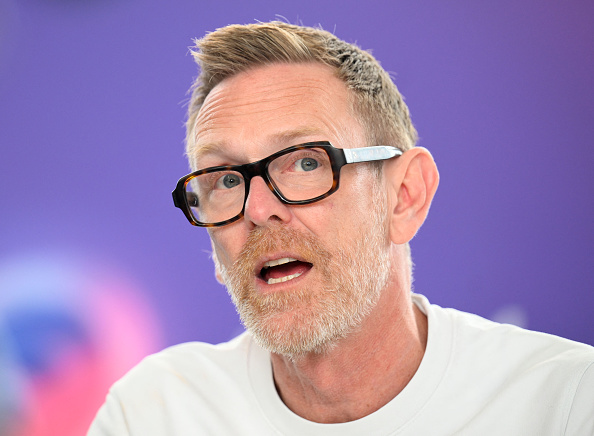
Green has since attempted to clarify his position, stating that the ban was never fundamentally about the war itself. He argued that the EBU avoids making subjective value judgments unless there is a “global consensus.” However, this explanation has been met with skepticism, especially given the EBU’s handling of other political issues.
One of the most contentious situations involves Israel’s participation in this year’s contest. Broadcasters from several countries, including Ireland, Spain, Slovenia, Iceland, and the Netherlands, have boycotted the event due to concerns over the conflict in Gaza. Israeli contestant Noam Bettan faced audible boos during the semi-finals, and protests have taken place in Vienna throughout the week.
Critics have accused the EBU of hypocrisy for banning Russia after the invasion of Ukraine while allowing Israel to compete during the Gaza conflict. Green’s comments have only intensified these accusations, with many questioning the EBU’s consistency in applying its principles.

Liberal Democrat MP Tom Gordon called Green’s remarks “moral cowardice,” arguing that the EBU’s claims of neutrality are conditional. He pointed out that the EBU had previously stood with Ukraine, and millions of people believed in that support. Now, he says, it appears that the decision to ban Russia was based on technicalities rather than values.
Labour MP Josh Newbury also criticized Green, claiming that the EBU had used the language of values and democratic process for years. He argued that the recent statements reveal the true nature of the organization’s decisions, which were not based on principle but on convenience.
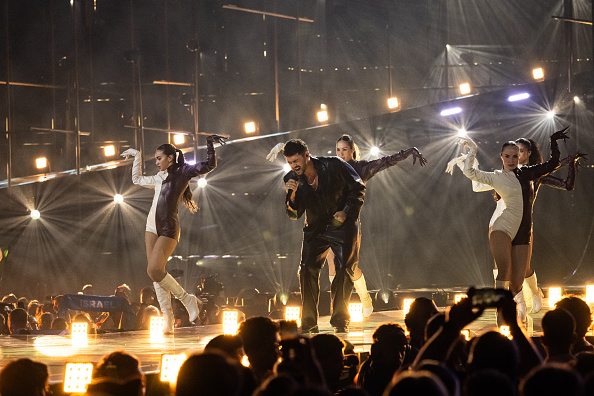
The irony of Eurovision’s stance is that it has always claimed to be non-political, despite being one of the most politically symbolic events in the world. Its annual performances often reflect the cultural and political tensions of the participating countries, making it difficult to separate the contest from the broader global context.
As the debate continues, the EBU faces mounting pressure to address the inconsistencies in its approach. Whether it can maintain its reputation as a neutral platform remains to be seen.
Got a story?
If you’ve got a celebrity story, video or pictures, get in touch with the.co.uk entertainment team by emailing us [email protected], calling 020 3615 2145 or by visiting our Submit Stuff page – we’d love to hear from you.
Comment now
Comments
Add as a Preferred Source on Google
Add as preferred source
Want to get bespoke updates on the TV shows you love? Sign up to ‘s TV newsletters and tell us which ones you can’t get enough of