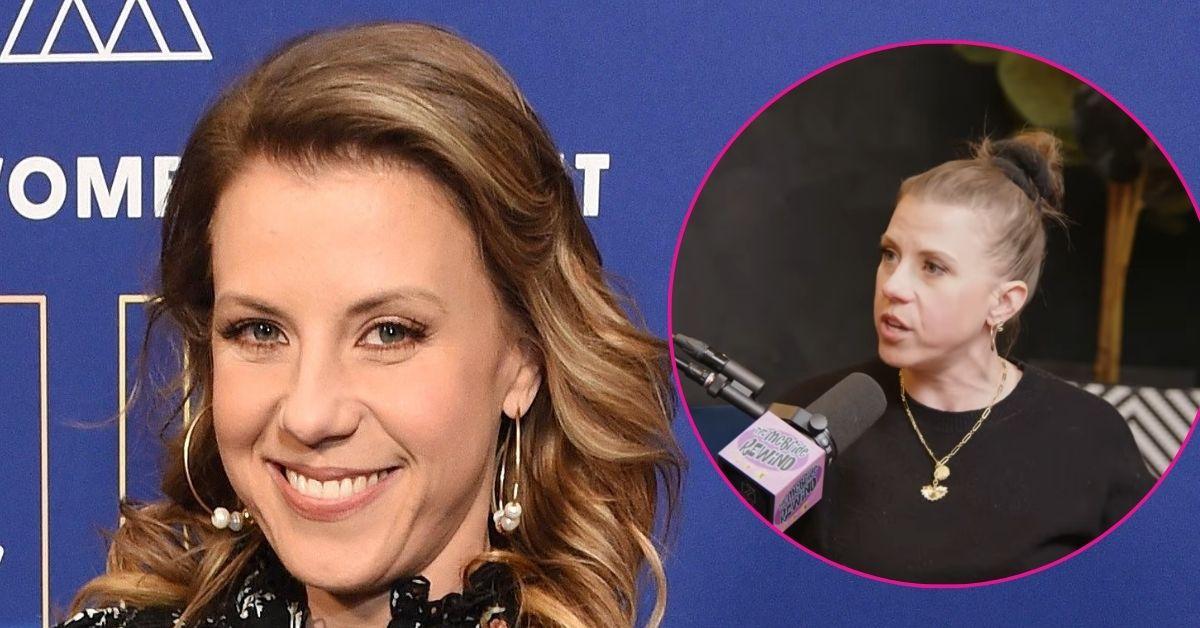
Jodie Sweetin, best known for her role as Stephanie Tanner on the iconic sitcom Full House, recently opened up about her residual earnings from the show. During an episode of the “McBride Rewind” podcast on April 21, she revealed that she had received a one-cent check for her eight-season involvement with the series.
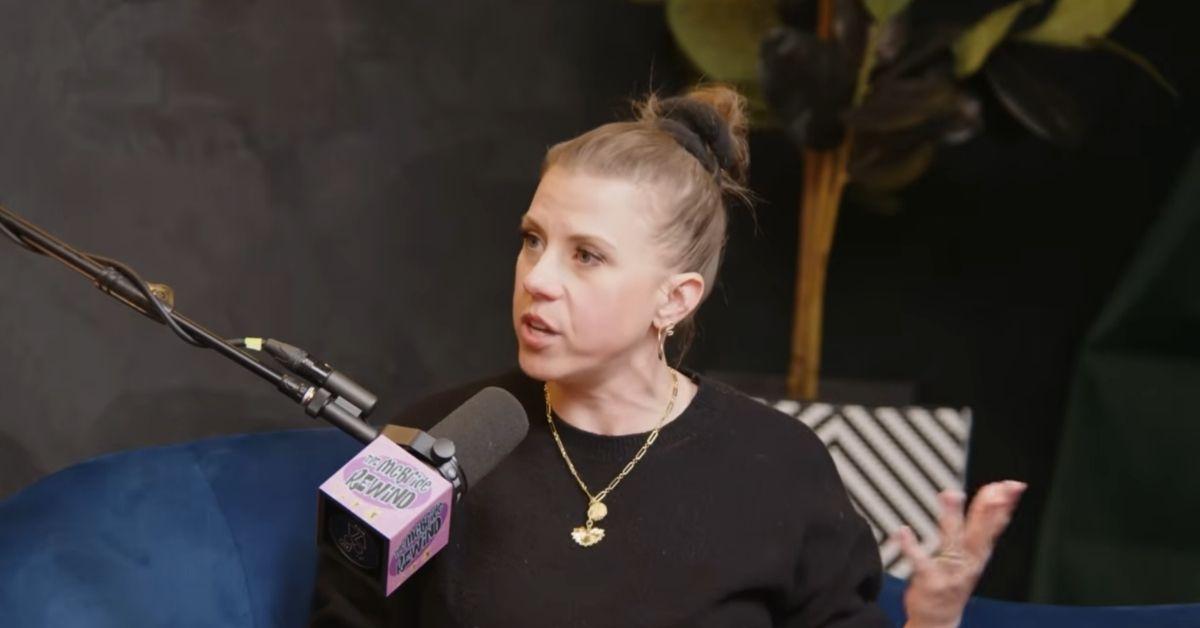
Sweetin explained to podcast host Josh McBride, “I got a one-cent check the other day. There’s no syndication anymore because it’s all in streaming. Who gets paid for that? Nobody gets paid for that.” Her comments shed light on a growing concern within the entertainment industry: how streaming platforms are reshaping the way actors receive residuals.
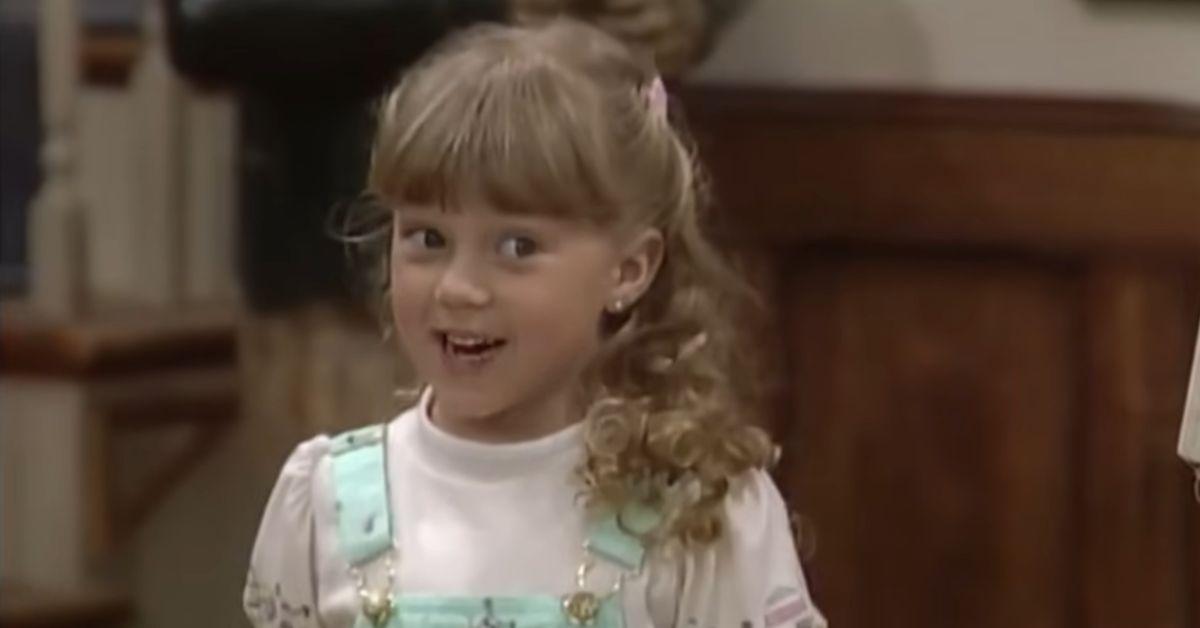
Reflecting on her past earnings, the 44-year-old actress admitted that while she used to receive more substantial residuals during her 20s, these payments have significantly declined over time. “Sure, in my 20s, there would be money, but not reliable,” she said. She also pointed out the unpredictable nature of residual income, which can fluctuate depending on how often the show is aired.

Sweetin provided a candid look into her current financial situation, stating, “I drive my 2023 used Hyundai Sonata that I love. I rent my house. I have credit cards that are maxed out. I live a normal life.” Her remarks challenge the common perception that former child stars live lavish lifestyles.
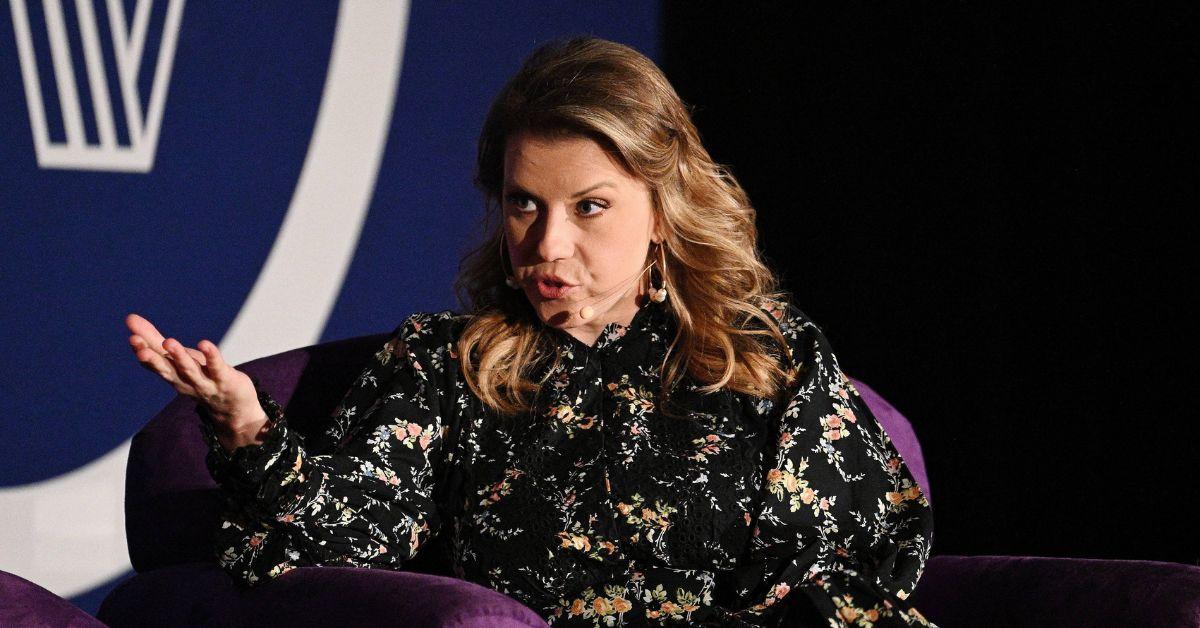
In contrast, the cast of Friends continues to earn impressive residuals, reportedly totaling around $20 million annually, two decades after the show ended in 2004. This stark difference raises questions about the long-term financial sustainability for actors from older sitcoms like Full House.
Despite the challenges she faces, Sweetin expressed openness to returning to her role as Stephanie Tanner if the opportunity arises. “I mean, we always joke that it’ll be ‘Fuller Fullest House’ and we’ll just be ancient and the kids will be wiping our a—–,” she said with humor. She added, “I will never say never to anything,” suggesting a willingness to revisit her character in the future.
The conversation highlights the evolving landscape of television and the financial implications for actors. As streaming services continue to dominate, the traditional model of residual payments is being redefined. For many, this shift has led to uncertainty and financial strain, especially for those who were once part of popular shows.
Sweetin’s experience serves as a reminder of the importance of fair compensation for performers, regardless of the medium through which their work is consumed. While some actors continue to benefit from the enduring popularity of their shows, others face a more precarious financial reality.
For fans of Full House, Sweetin’s candidness offers a glimpse into the less glamorous side of fame. It also sparks a broader discussion about how the entertainment industry should adapt to ensure that all contributors are fairly rewarded for their work.
As the industry moves forward, it remains to be seen whether new models of compensation will emerge to support actors in the digital age. For now, Sweetin’s story underscores the need for ongoing dialogue about the value of creative work and the rights of those who bring it to life.