
The Importance of Meaningful Friendships
Friendship is often treated like a starter in a three-course meal. It isn’t always given the praise it deserves and can be overshadowed by the main course, much like how our platonic friendships can get sidelined.
Dr Candice O’Neil, who has spent 10 years studying human behaviour, explains that after childhood, many people focus on developing their careers and romantic relationships. Although friendships are still there, they’re not so intentional about making them a central pillar. O’Neil has also spent an estimated 7000 hours giving therapy to clients, as a counsellor, psychotherapist and, now, psychologist.

This is a mistake, she says, as friendships can enrich our lives immeasurably. “Friendships can remind you of who you are as a person outside of your roles, make you feel happy, validated, bring safety, increase self-esteem and push development,” says O’Neil. But, she adds, you need to choose wisely from the friend menu. She advises against striving for a certain number of friends, as each of us has “different bandwidth and capacity”, but instead encourages everyone to look for certain qualities and roles in your social circle.
People Who Make You Feel Safe
Often when people come to therapy, they’ll say to me, “I can’t see anyone, I need to keep to myself.” But sharing what’s going on, and talking deeply with someone they trust, is exactly what they need. An empathetic nod of the head or “I find that hard too” is so affirming and helpful for our mental health, because it stops us feeling isolated.
Humans are always searching for validation in our relationships with others. It tells us that we’re okay in the world, and we offer it to those people in return. These friends don’t have to agree on everything, or have exactly the same beliefs and values, but they allow us to share and normalise our feelings. Of course, there will be times when friends, with their interest in the right place, may need to question what you’re doing, but if continually challenged, it’s disruptive, and it could make you question your sense of yourself.

People Who Help You Grow
“I’ve always discouraged my own children from having one best friend. Firstly, I absolutely don’t think one person can do it all, as it’s a lot of emotional weight to carry, and also, if they then decide they’re not as heavily invested, there can be a real sense of letdown.
Secondly, you learn about yourself and the world through other people. If you make your world small, you’re not giving yourself the best experience. Being with different people who remind you of different qualities, skills or traits, and show you different parts of the world and new perspectives, is the only way to grow.”
People Who Remind You to Have Fun
The people in their twenties on my caseload often see being sociable as a function, an activity that needs to be performed. This is perhaps a product of the digital world, you tick off checking on a friend by sending a text, but we need to shift back to prioritising fun. The memory-making shared experiences support well-being and psychological health.

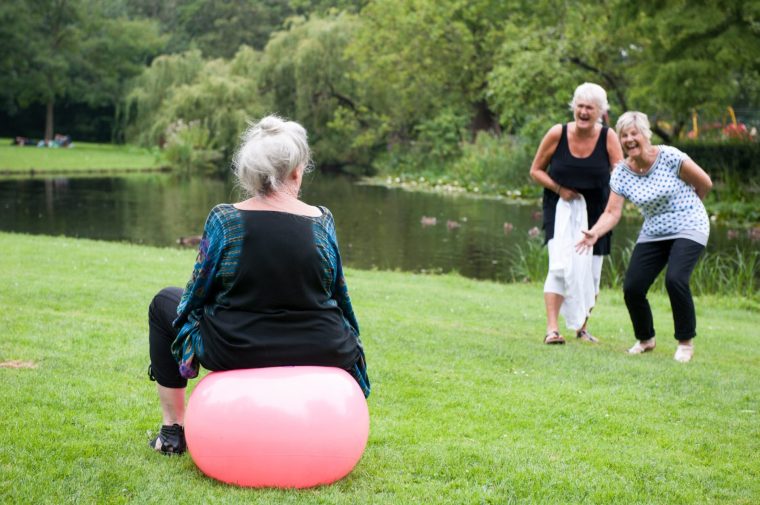
Friends who make you belly-laugh or feel the most fun version of yourself are so important. Those moments of joy from being in the company of someone remind you that you’re more than any role, more than a girlfriend, an employee, or caregiver; you’re a person just trying to make the most of life. It gives a stronger sense of self, and releases endorphins that work to reduce stress as well as enhance mood.
People You Share a History With
Long-term friends usually know who you are, and so you don’t have to spend time filling in gaps or explaining. They feel comfortable, these friends have a vested interest in your happiness, and the shared past brings a deep connection, which increases feelings of belonging and purpose. Longevity is something to be celebrated, but I would just warn that you should check in on these friendships to make sure you don’t keep each other around out of obligation. Often, people grow into different people, and friendships don’t quite work any more. Drifting apart needs to be normalised and not seen as a failure of either party.
If they are someone you want to have in your life, don’t expect it to maintain itself; you need to intentionally nurture, rather than assume they will always be there, to improve the quality of the bond. You could plan a fun girls’ trip, or just do something different than quickly catching up over a cup of tea if that’s been your habit.
People Who Provide Community
I only speak to my hairdresser once a month, but second to my eldest daughter, she’s the funniest person on the planet to me. I laugh for the whole four hours I’m with her. She knows my biggest secrets. It feels predictable, and I probably share more because she’s only going to ask me a certain number of questions, whereas others might push harder.
These characters may not be the traditional friendship model, but they provide so much. Don’t trivialise the role they play in our lives. They provide a wider sense of community and reduce loneliness. No matter what level of closeness you have, everyone’s still a human, and connection is nice, even if it’s more fleeting.