Understanding the Ebola Outbreak in Northeastern Congo
A rare outbreak of the Ebola virus has been identified in northeastern Congo, raising concerns about the challenges of detecting deadly viruses in regions where other fever-causing illnesses are prevalent. The situation is further complicated by strained health systems and limited resources.
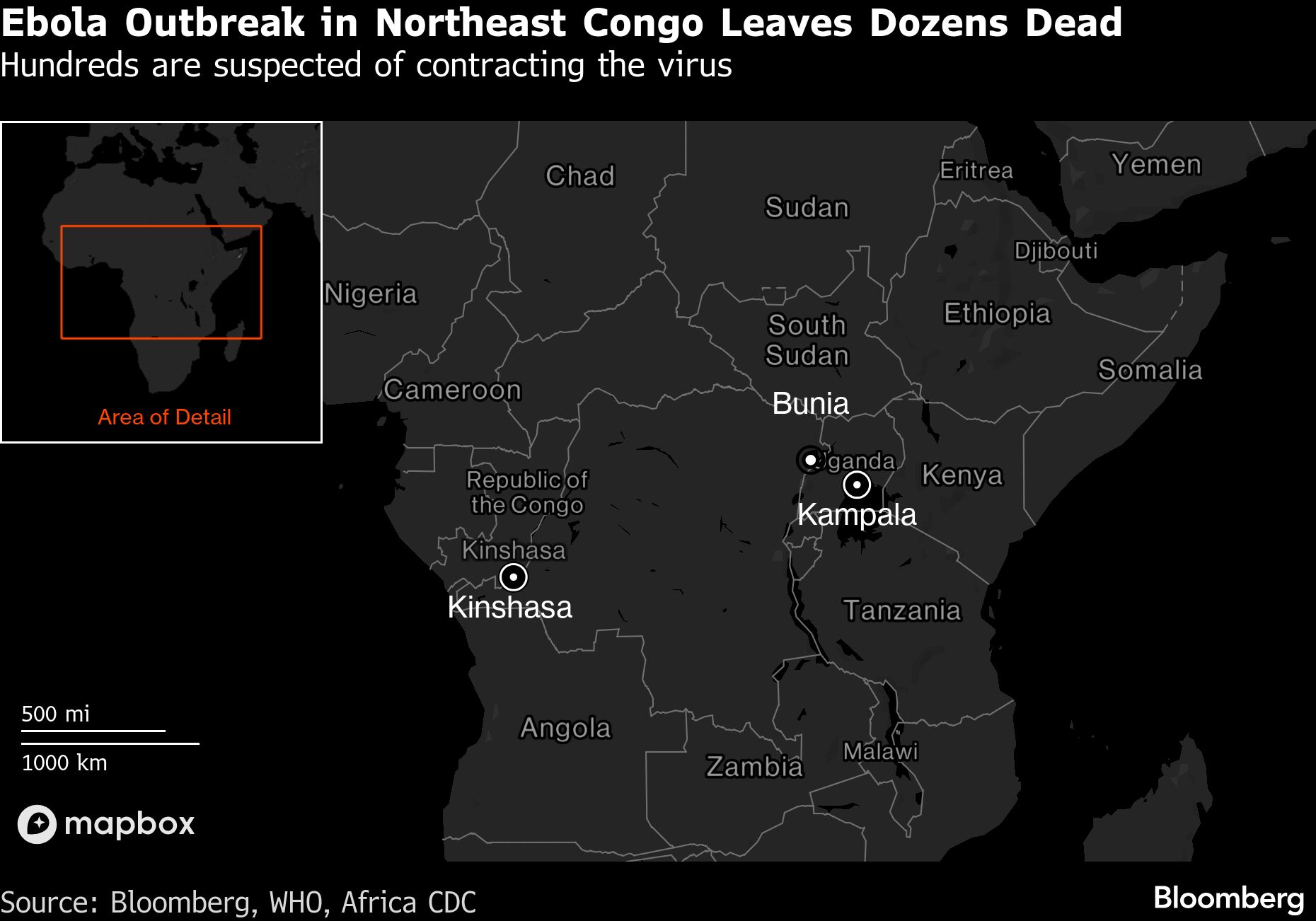
According to the country’s health minister, Roger Kamba, approximately 350 suspected cases and 91 deaths have been reported in the region. Neighboring Uganda has also confirmed two infections, including one death in Kampala. Additionally, a separate case was reported in Goma, an eastern Congolese city controlled by Rwanda-backed M23 rebels.
Kamba emphasized that hospitals are already under significant pressure. He urged people with symptoms to seek treatment quickly to help slow the spread of the virus. The outbreak is caused by the Bundibugyo strain of the Ebola virus, which has only triggered two previous outbreaks. Unlike the Zaire strain, which became the focus of extensive vaccine and therapeutic development after the 2013-2016 epidemic, Bundibugyo lacks an approved vaccine or antibody treatment.
Challenges in Detection and Diagnosis
Early symptoms of the Bundibugyo strain—such as fever, weakness, headache, vomiting, and diarrhea—can resemble those of malaria and other common tropical illnesses. This similarity makes it difficult for overstretched clinics to identify cases quickly. The World Health Organization (WHO) has declared the outbreak a public health emergency of international concern due to cross-border spread, unexplained deaths, infections among healthcare workers, and uncertainty over the true scale of the epidemic.
The declaration aims to accelerate international funding, coordination, and emergency response efforts. The outbreak met the threshold for its highest level of alarm because Bundibugyo has no approved vaccine or treatment, and the virus is spreading in a conflict-affected region with poor infrastructure and high population mobility.
Initial tests for the more common Zaire strain were negative before additional analysis confirmed the presence of the Bundibugyo strain on May 14. Rapid Ebola tests commonly used in the region may not reliably detect Bundibugyo infections, potentially slowing isolation and contact tracing efforts.
Lessons from the Past and Future Concerns
Robert Garry, a virologist at Tulane University, noted that the apparent delay in recognizing the outbreak was reminiscent of the early stages of the West African epidemic. During that time, transmission spread between villages before health authorities fully understood the crisis.
Kirsten Spann, associate dean of research in the Faculty of Health at Queensland University of Technology, highlighted the need for Bundibugyo-specific diagnostics across central and eastern Africa to identify infections earlier in patients with mild symptoms.
Multiple Foes: Unexplained Illnesses and Health Worker Risks
Congo has faced several outbreaks of unexplained febrile illness in recent years. Clusters initially suspected to involve malaria, influenza, or contaminated food and water have often required laboratory investigations to clarify the causes. Such delays can allow dangerous pathogens to spread silently for weeks before health authorities fully understand what they are dealing with.
At least four healthcare workers have died in circumstances consistent with viral hemorrhagic fever, according to the European Centre for Disease Prevention and Control. This raises concerns that transmission may have been occurring unnoticed inside clinics before Ebola was identified.
Global health experts have also warned that cuts to foreign aid and disease-surveillance programs could weaken outbreak detection capacity in fragile regions. The true scale of the outbreak remains unclear because many suspected cases and deaths across Ituri and North Kivu provinces are still under investigation, according to the WHO.