A New Hope for ‘Broken Heart Syndrome’ Patients
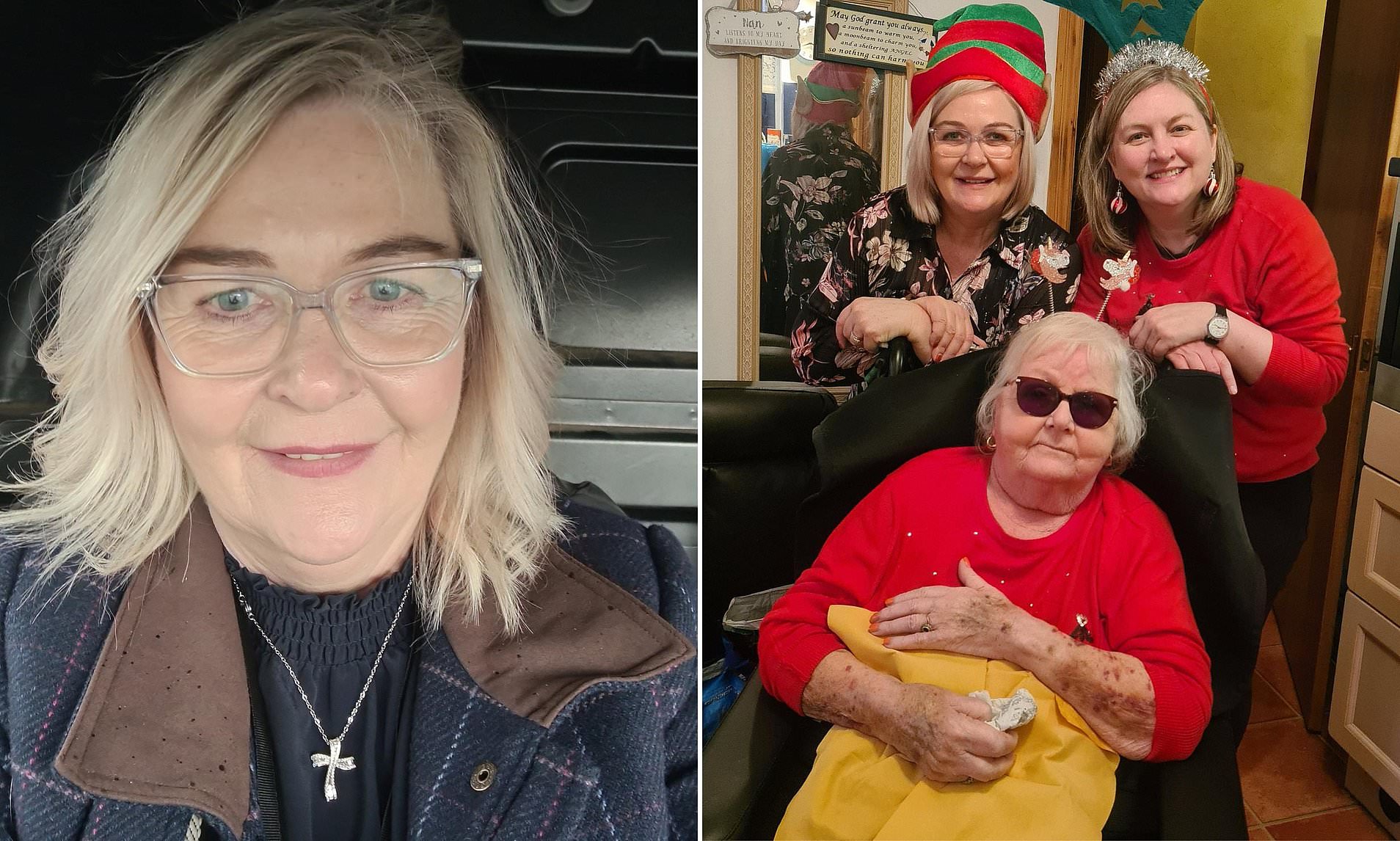
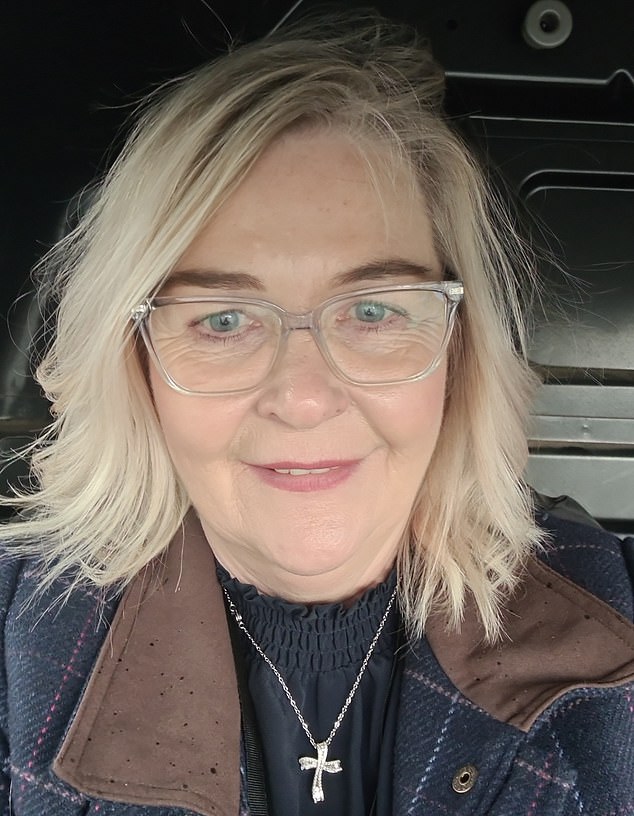
Brenda Young, a 57-year-old residential social worker from St Fergus in Aberdeenshire, has become one of the first patients in the UK to take part in a groundbreaking clinical trial aimed at managing a rare but serious condition known as takotsubo cardiomyopathy, or ‘broken heart syndrome’. Her journey began with a tragic event that left her physically and emotionally devastated.
Just minutes after saying goodbye to her ill mother, Brenda experienced an intense chest pain that led doctors to initially suspect a heart attack. However, further tests revealed that she had suffered a takotsubo cardiomyopathy attack, a condition triggered by severe emotional stress rather than a blockage in the heart’s arteries.
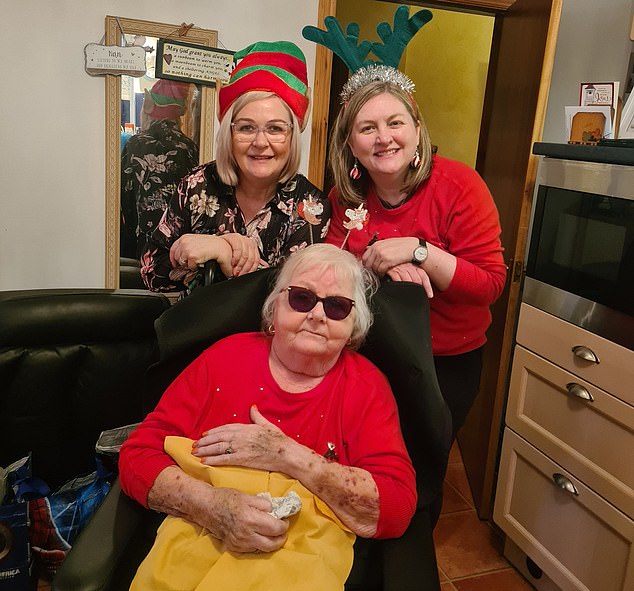
Brenda described the moment she realized something was wrong: “I just remember thinking: ‘This cannot be happening, not today.’ I knew there was something really wrong.” Her family was present at her mother’s bedside, and she struggled to find the words to tell them about her chest pain.
Despite the initial diagnosis of a heart attack, Brenda received standard treatment for such cases. However, she soon learned that there are no clinically proven treatments for takotsubo cardiomyopathy, which often mimics a heart attack but has different underlying causes.
The seven-year study, involving 1,000 patients from 40 hospitals across Britain, including Aberdeen, Glasgow, and Edinburgh, aims to change this. Funded by the National Institute for Health and Care Research, the trial will test a class of medicines called ‘renin-angiotensin system inhibitors’, typically used to treat heart attacks, to see if they can prevent deaths, heart attacks, strokes, heart failure, and repeated takotsubo attacks in the long term.
Professor Dana Dawson, chair in Cardiovascular Medicine at the University of Aberdeen and consultant cardiologist at Aberdeen Royal Infirmary, who is leading the trial, highlighted the challenges faced by patients living with takotsubo syndrome. She said: “People living with takotsubo syndrome are effectively in limbo at the moment. There is no proven therapy which means treatments can vary from person to person.”
She added: “We know that following an attack, the impact on the patient’s quality of life can be extremely debilitating. We hope that this will make it clear whether or not these drugs are effective at preventing repeated health problems in the long-term.”
Each year, around 5,000 people in the UK suffer from takotsubo cardiomyopathy, with women being the most affected. One in 10 patients die from the initial attack or later complications. The trial represents a significant step forward in understanding and treating this condition, offering hope to those who have been left in uncertainty.
Brenda Young’s participation in the study not only highlights the personal impact of this condition but also underscores the importance of ongoing research and clinical trials in improving patient outcomes. As the study progresses, it may pave the way for more effective treatments and better support for those affected by ‘broken heart syndrome’.