
The Hidden Struggles of Professional Football Players
In the world of professional football, especially within the Australian Football League (AFL), the physical toll on players is immense. From the moment they step onto the field, athletes are constantly battling injuries, pain, and the pressure to perform at their peak. Whether it’s a torn ACL, a crooked knee, or a sore foot, many players endure these challenges without hesitation.
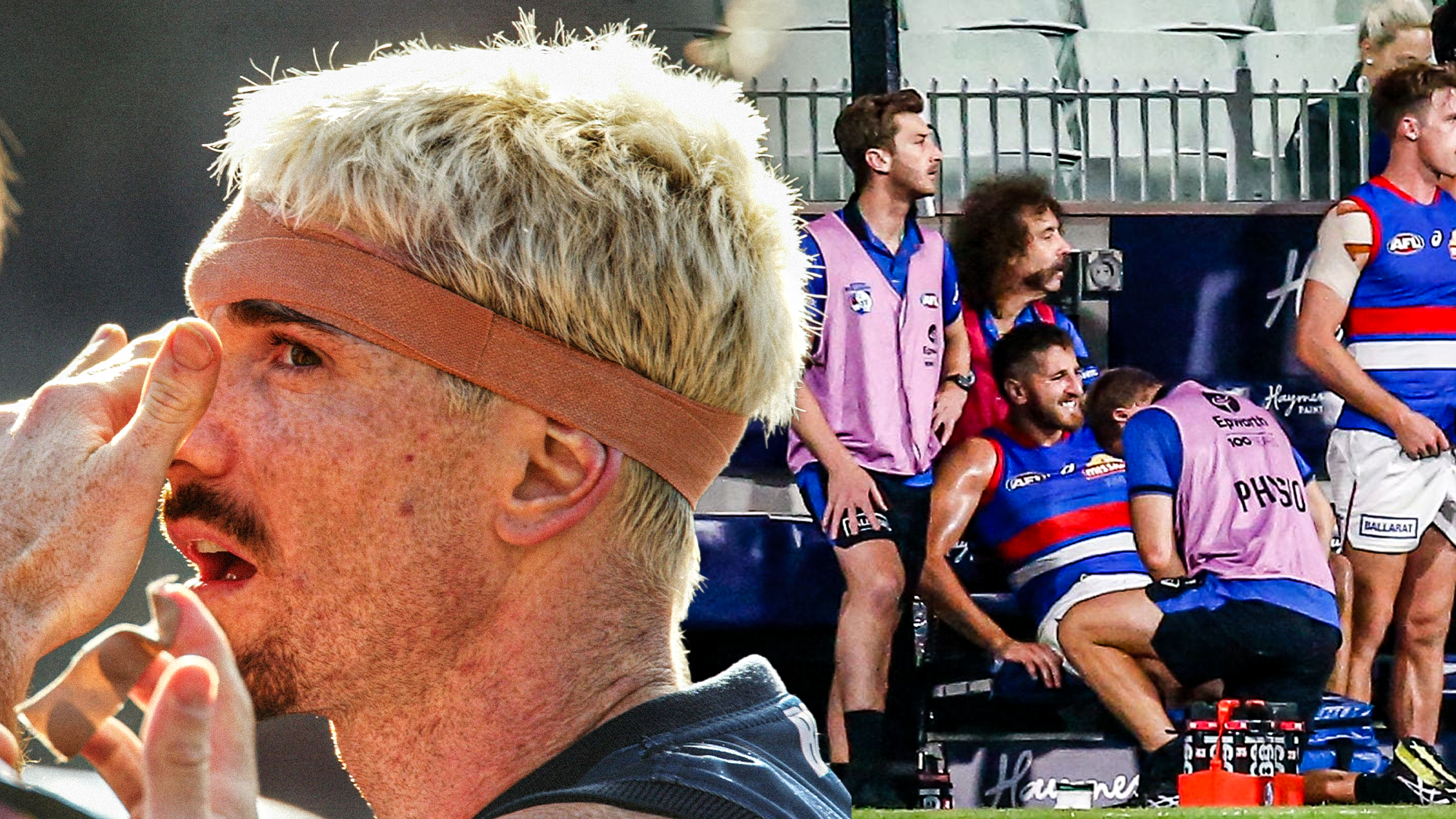
Take Gryan Miers, who currently plays with a torn ACL, or Marcus Bontempelli, who competes with a crook knee and a sore foot. These examples highlight the types of painful and restrictive injuries that modern-day players often face. As someone who has played 325 AFL games, I can attest to the variety of injuries that come with the territory. Some were manageable, while others were excruciating.
One particularly memorable incident occurred during my 150th game against the Adelaide Crows. I tore my right rectus femoris quad early in the match. Despite the injury, I continued playing and even managed to kick with my left foot. While I didn’t completely stop, the injury restricted my abilities for the next two to three weeks before I could regain full power on my right side.
The most severe injury I experienced came in the 2002 Grand Final against Collingwood. It was only 90 seconds into the game when I went down to pick up a ball on a cold, wet day. Ben Johnson, tasked with limiting my performance, gave me a small shove. The force caused my knees to splay, resulting in a tear to my right adductor that almost took half the bone. At the time, I didn’t realize the extent of the damage. From that point on, I couldn’t kick with my right leg, lost nearly all my acceleration, and my agility was gone. With only three quarters and 25 minutes remaining, there was no anaesthetic or pain relief that could help.
As the final siren approached, I was running out of our goal square chasing an opponent when both my right quad and left hamstring tore within seconds. It was the last game of the season, and we won, but there were no substitutes to bring on. Today, teams have five players on the bench to cover such situations, but back then, it was just us.
The Evolution of the Game and Its Demands
The game today is faster than ever. Although the distances covered are less, the repeat speed is much higher. All clubs across the league are struggling due to the increased pace and contact within the games. The “dark arts” of the game behind closed doors haven’t changed, but the focus is now on keeping these practices hidden from fans and the crowd.
Club doctors know that at any given time, one to five players per team may receive anaesthetic injections to manage ankle, knee, hand, or rib injuries. Fans might wonder why a player seems off at times, but they expect the best performance every week. Players are always on the edge, knowing that a single misstep can cost them their spot on the team.
Most players experience some form of injury after Round 1, whether it’s a collision, tendon strain, or muscle soreness. We’re not even discussing the mental toll here—just the physical challenges. The public rarely realizes the lengths players go to in order to take the field. Many fans might criticize players for being overpaid, but they risk their long-term health for the sake of their club and teammates.
Coaches often choose a player who is 60% fit over a 100% fresh player because of experience and what they can still contribute. Both coaches and players weigh these factors carefully every week.
The Use of Advanced Techniques
I remember seeing Michael Voss, Jonathan Brown, and Nigel Lappin play the 2003 finals series with anywhere from one to 10 anaesthetic injections each. They would do it again if needed. This is simply the reality at the top level of the game.
My Lions team used hypoxicators, hyperbaric chambers, physiotherapists, and even half-time saline drips to enhance our performance. In the final years of my career, I had my own personal altitude machine, which increased my red blood cell count from 39 to 52. The maximum allowed in Le Tour de France is 50, so this gave my body a significant advantage in terms of endurance during games.
Some of my Bulldogs teammates slept in altitude tents at night to gain any possible edge. These methods are all part of the game, designed to legally give players a competitive advantage.
The Legacy of Endurance
Since I retired, little has changed. This week’s record-breaking games by Collingwood’s Scott Pendlebury, who has played 433 games since his debut in 2006, is truly remarkable. That many games, and potentially more, is a testament to his resilience and dedication. It’s a wonderful, yet painful, achievement. Congratulations, Pendles.