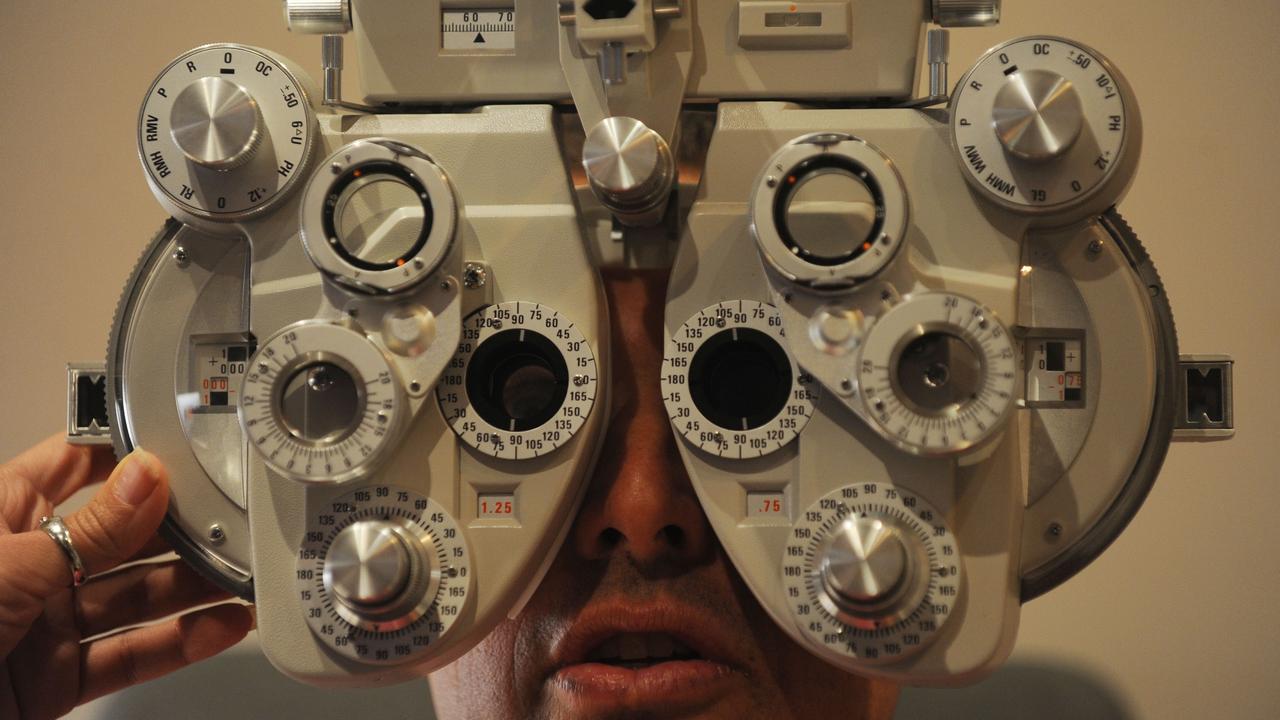
The Pressure on Optometrists: A Shift from Health Professionals to Retail Workers
Optometrists across Australia are facing increasing pressure from major eye care chains, with some critics suggesting they are being treated more like retail workers than essential health professionals. This shift has raised concerns about the quality of patient care and the potential for serious health conditions to go undetected.
Several prominent chains, including Specsavers, OPSM, and Bupa Optical, have come under scrutiny for allegedly prioritizing the sale of glasses over comprehensive patient care. A recent study led by the Health Services Union (HSU) highlights a significant decline in consultation times, with the median duration dropping from 45 minutes to 30 minutes since 2006.
Optometrists play a critical role in identifying life-altering conditions such as glaucoma, diabetic retinopathy, macular degeneration, and even brain tumours or impending strokes. Their ability to detect these issues early can be vital for effective treatment and long-term health outcomes.

Rory Dowdall, an optometrist and HSU delegate, expressed concern over the changes in the industry. “As optometrists, a lot of people think it’s just glasses,” he said. “But there’s so much more we can do. I was managing a guy who we picked up a brain tumour in his first-ever eye exam.”
Matt Trinh, another optometrist and academic, added that some larger chains are prioritizing bookings based on potential sales rather than health risks. He explained, “They might turn away patients who come in complaining of a sore eye or an eye infection because they’re not going to spend much money. They want to reserve that spot for someone who’s actually going to come in and buy glasses.”
This approach could lead to missed opportunities for early intervention. In some cases, patients may be referred to specialists unnecessarily when their condition could be managed effectively by an optometrist.
Larger eye care chains often impose key performance indicators (KPIs) on optometrists, requiring them to meet specific targets for selling glasses or diagnostic scans. “Usually we do stuff if it’s indicated, not because someone tells us to do it,” Mr. Trinh said.
Mr. Dowdall described the situation as a “bastardisation” of the profession, with many optometrists experiencing burnout and disillusionment. “A lot of my colleagues don’t have the freedom to practise the way they want, and their patients are the ones who are suffering for it,” he said.
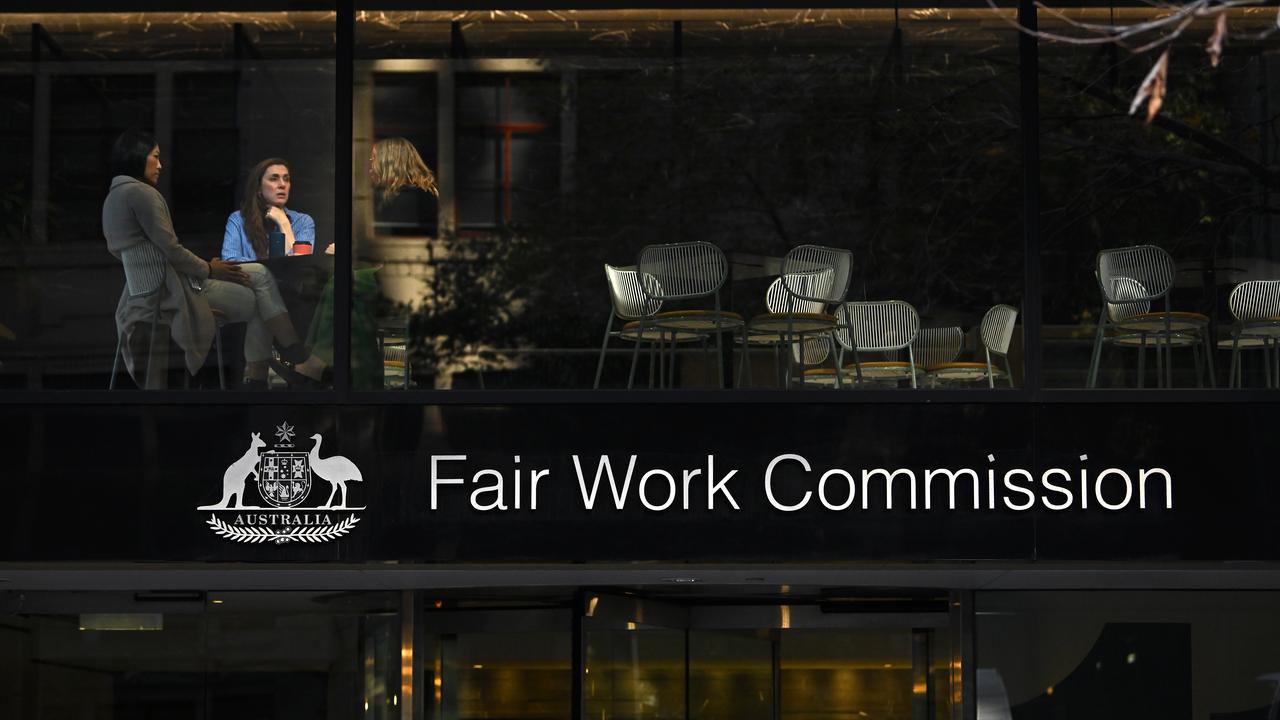
The HSU is currently challenging claims by some large retailers that optometrists fall under the retail rather than the health industry award. Kate Marshall, a national senior assistant secretary with the union, emphasized that optometrists have always been health professionals. “What’s changed is that corporate employers are running their businesses as though they are not,” she said.
Specsavers and OPSM have been contacted for comment, but no official response has been released yet.
Key Concerns Raised by Optometrists
- The shift towards sales-driven practices threatens the integrity of optometry as a health profession.
- Reduced consultation times may lead to missed diagnoses of serious conditions.
- KPIs focused on sales can compromise the quality of patient care.
- Some chains may prioritize profitable patients over those with urgent health needs.
- The pressure to meet sales targets can lead to burnout and disillusionment among optometrists.
The Future of Eye Care in Australia
As the debate continues, it remains to be seen how the industry will balance commercial interests with the health needs of patients. For now, the voices of optometrists and unions highlight the need for a reevaluation of current practices to ensure that patient care remains the top priority.