Understanding Mould on Walls
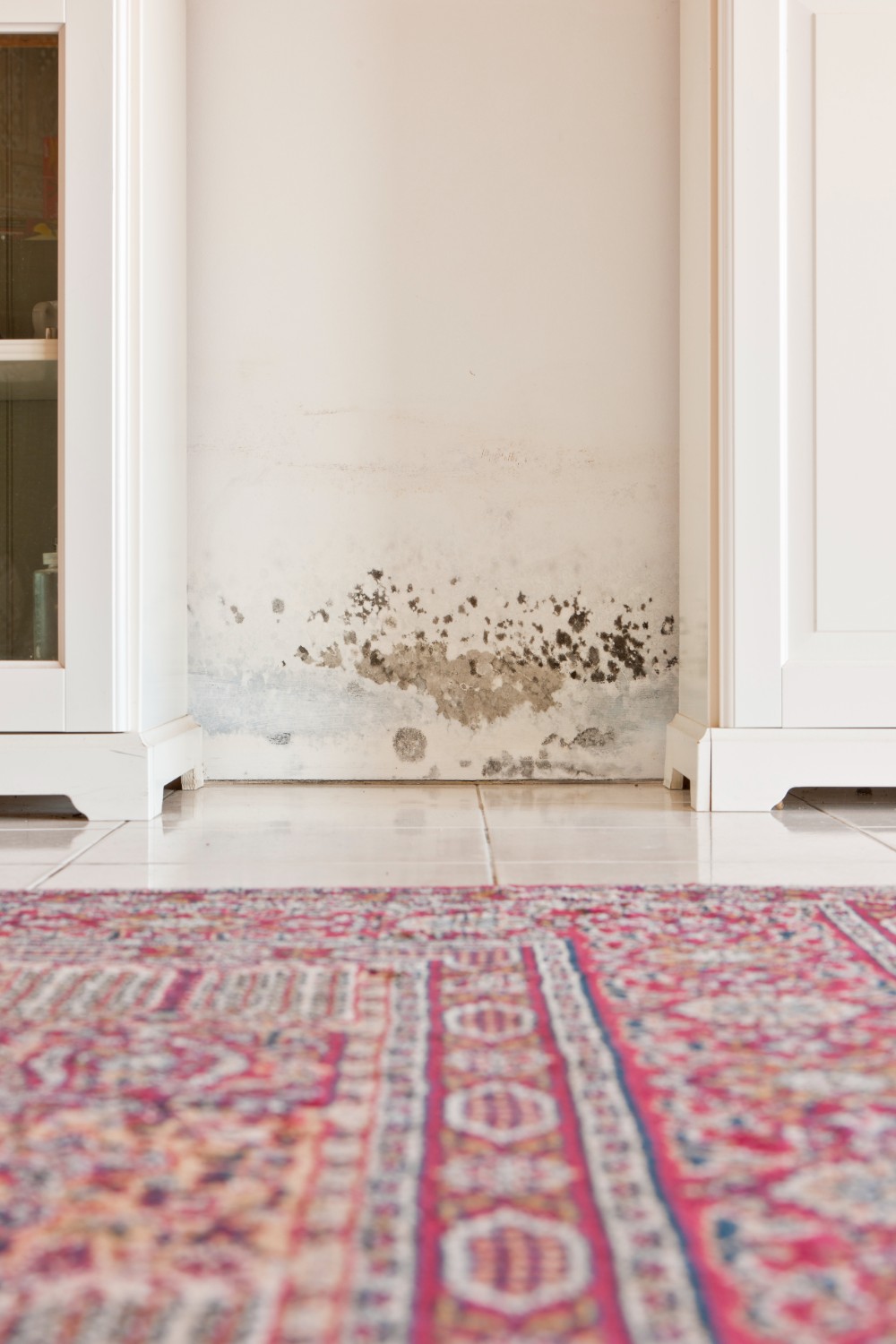
Mould on your walls is more common than you might think. Up to a quarter of Australian households are dealing with it right now. If left unchecked, it can work its way beneath the surface and become a much bigger problem, and a much harder one to fix. The good news is that catching it early means you can tackle it yourself, quickly and cheaply.
However, before reaching for the bleach, there’s something you should know. An indoor environmental health consultant suggests that it could actually be making things worse. Her go-to method for removing mould from walls is something most people already have in their home: dishwashing liquid.
Key Takeaways
- Mould must be removed, not just killed.
- Dishwashing detergent, warm water, and a microfibre cloth are among the safest and most effective methods for walls.
- Bleach is not recommended for walls.
- Black mould can pose serious health risks. Call a professional.
- Controlling moisture is the key to preventing mould from returning.
How to Remove Mould from Walls Permanently
Lucinda Curran is an Indoor Environmental Health Consultant. She previously shared that killing mould isn’t enough – you must remove it. “The presence of mould, dead or alive, can be problematic for someone sensitive to it,” she says. “Like with hay fever, the presence of the pollen triggers a response. It doesn’t matter whether or not the flowers are in a vase or growing.”
“This is where removing mould is essential. Microfibre cloths are ideal for this, as well as the use of a vacuum cleaner fitted with a HEPA filter.”
Step-by-Step Instructions: How to Clean Mould Off Walls
Lucinda shares the best way to remove mould. Here’s what you’ll need:
- Dishwashing detergent
- Two microfibre cloths – microfibre cloths are designed to pick things up off a surface, unlike regular cloths, which smear them around
- Thyme or oregano essential oils (optional)
- Water
Instructions:
- Cut your microfibre cloths into squares.
- To clean the surface, mix up dishwashing detergent with warm water.
- Lucinda recommends adding essential oils, such as oregano and thyme, to the soapy water mixture to “supercharge the effect”.
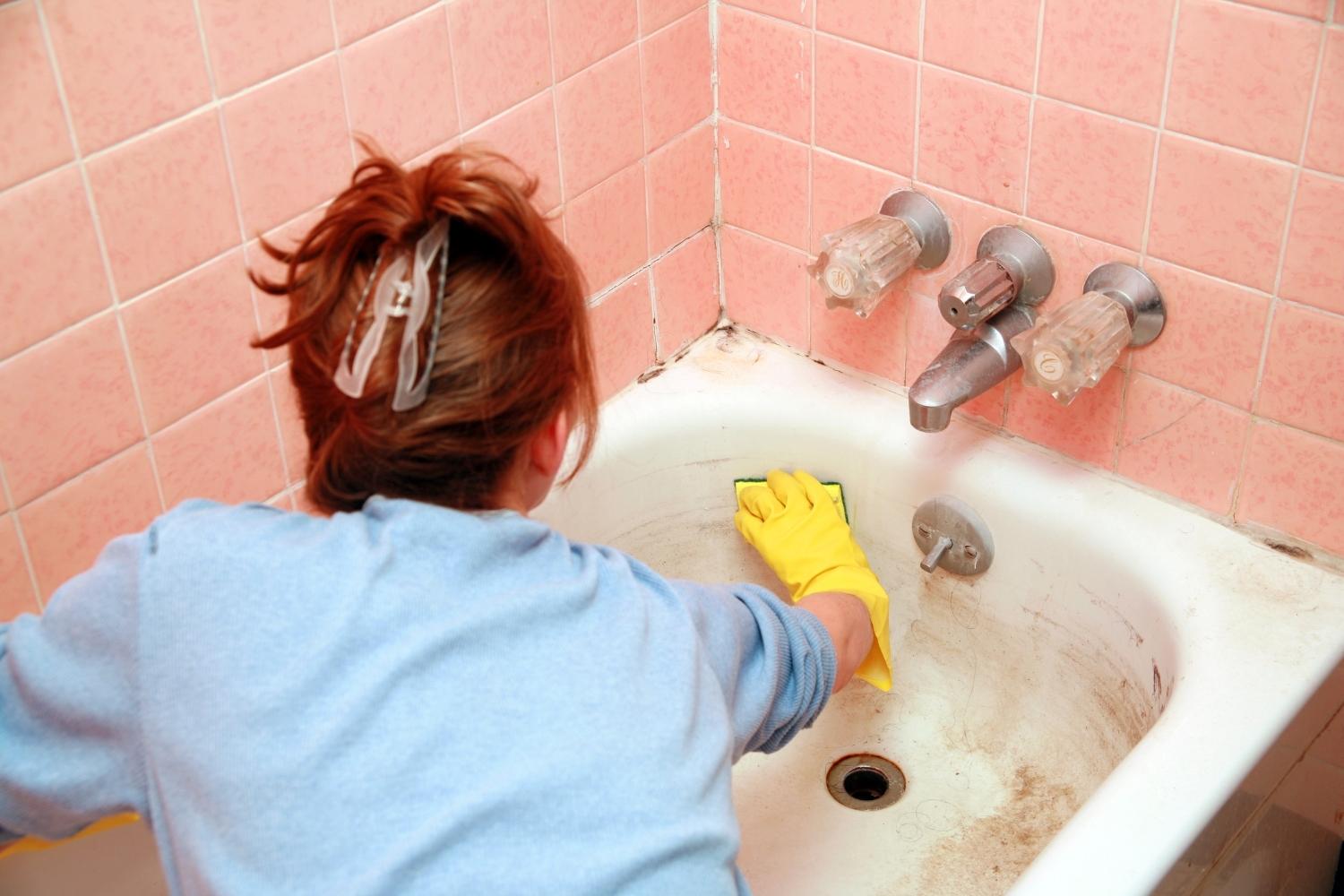
- Grab a square of cloth. Dip it into the soapy solution and wipe down the affected surface. After you have used each square on both sides to remove mould, throw it out. This is to avoid cross-contamination; the mould can spread.
Does Vinegar Kill Mould?
While vinegar can kill mould, the smell can be unpleasant and overpowering for some people. Lucinda prefers a combination of dishwashing detergent and water with a few drops of essential oils such as thyme or oregano. Clove oil is also a popular choice for killing mould.
What About Bleach?
Bleach is commonly used for mould removal, but it’s worth knowing its limitations before you reach for it. On non-porous surfaces like tiles and glass, bleach can effectively remove mould. But on painted or bare walls, which are porous, bleach can’t penetrate deeply enough to kill the roots. The water in the bleach solution can actually seep in and feed the mould, which is why it often comes back quickly.
What Causes Mould on Walls?
Mould spores are everywhere. Add a water source, such as too much moisture, and it will start to grow. If the mould on your wall is caused by a water leak, you must address that first. And if the growth is quite significant, you should call in an expert to help you remove it.
That said, surface mould on your walls caused by too much moisture can be cleaned in no time. It’s also worth knowing the difference between general mould and black mould. Black mould (Stachybotrys chartarum) tends to appear in areas with persistent dampness and poor airflow. It can pose serious health risks, particularly for children, the elderly, and anyone with a respiratory condition or weakened immune system. If you suspect you have black mould, it’s best to call in a professional.
How to Prevent Mould from Growing in Your Home
Preventing mould is really about controlling moisture and keeping air moving. Here’s how:
- Open your windows every day, even in winter.
- If you notice condensation on your windows, wipe them down.
- Fix leaks and clean up water spills asap.
- Use exhaust and extractor fans. After a hot shower, leave the fan on for 15 minutes to remove excess moisture.
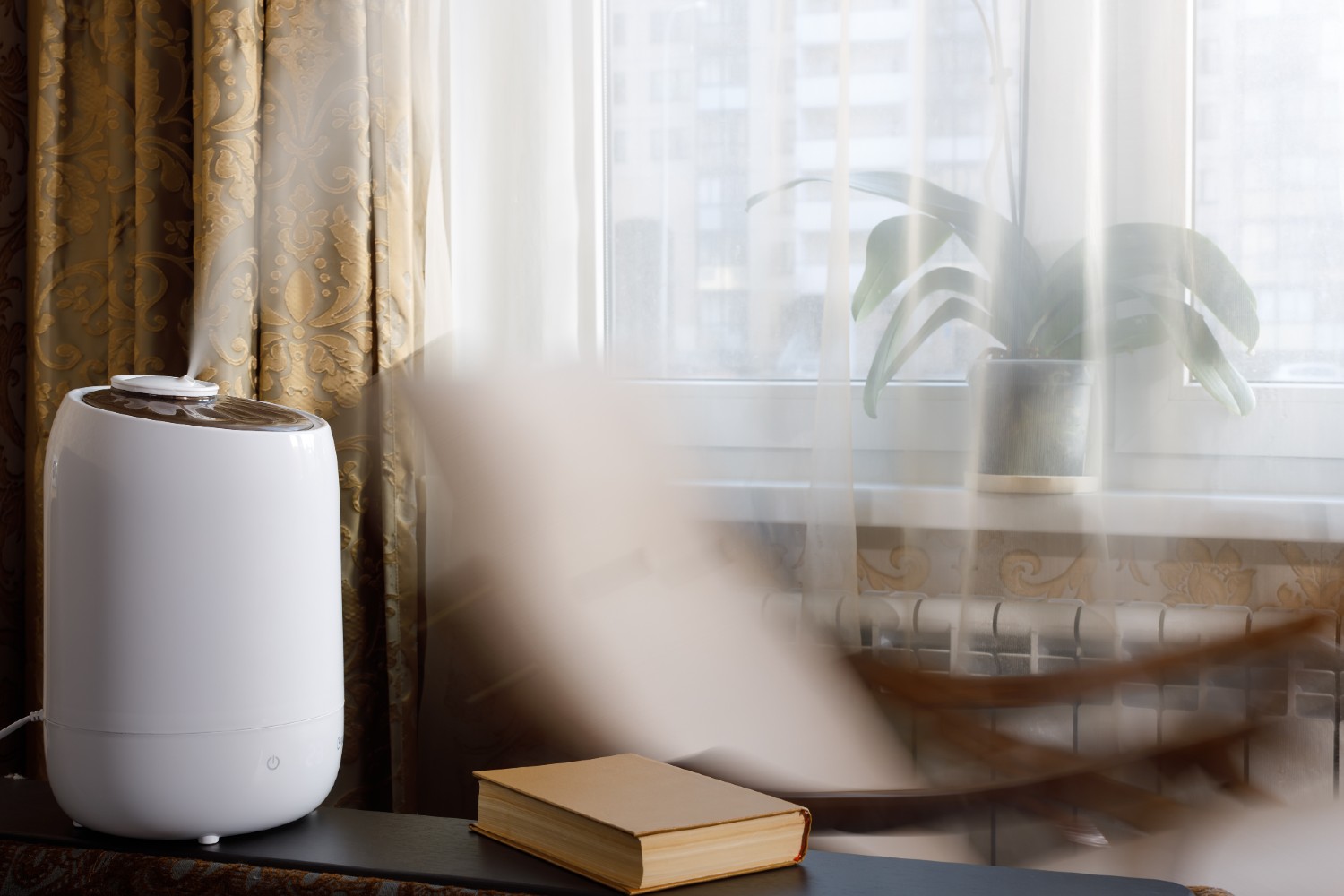
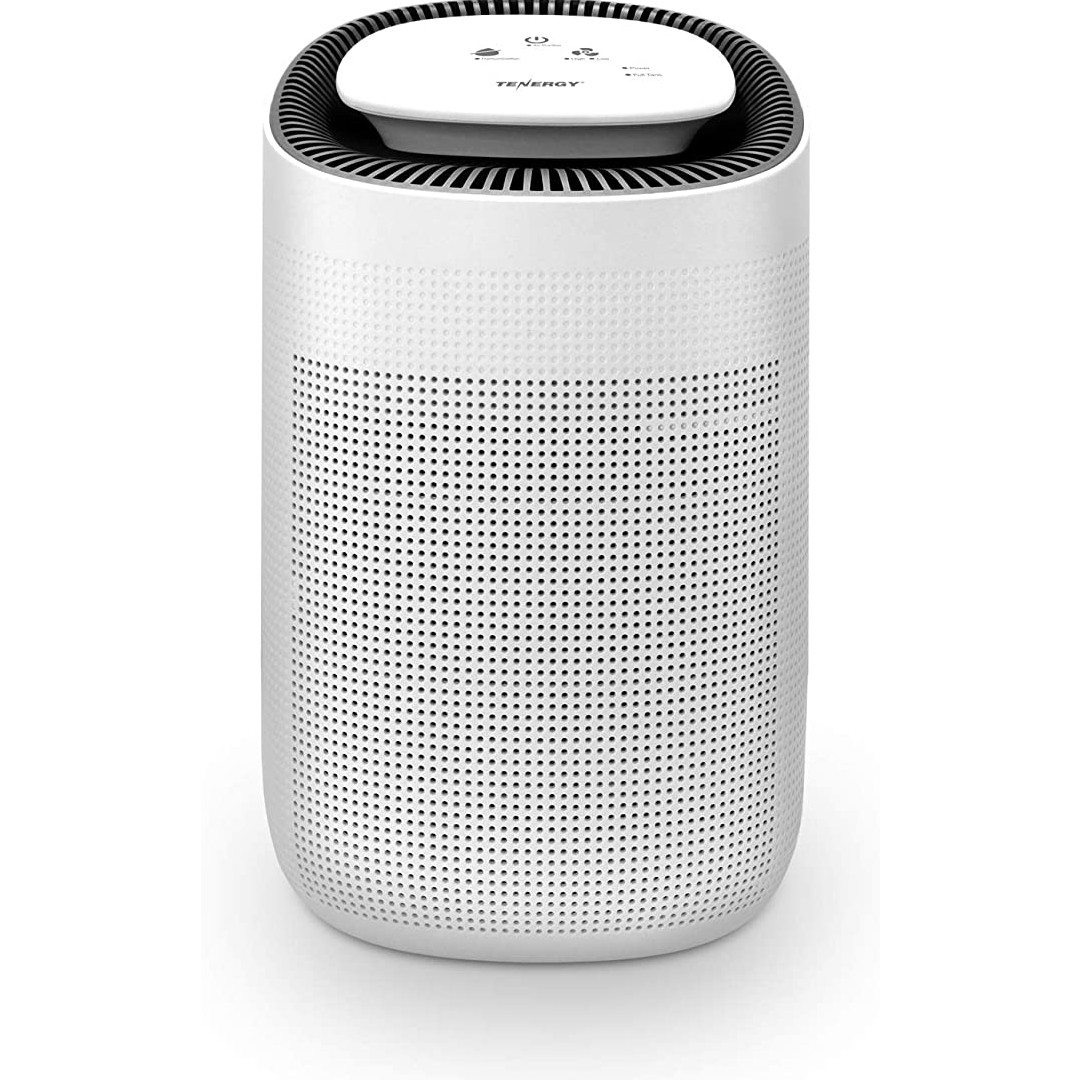
- Use a dehumidifier with an air purifier that has a true HEPA filter.
- Once you’ve cleaned the mould and the wall is fully dry, consider repainting with an anti-mould paint.
Cleaning Mould Off Walls FAQs
What kills mould on walls?
Dishwashing detergent mixed with warm water is one of the most effective and safest options for killing mould on walls. Adding a few drops of thyme or clove oil boosts its effectiveness. White vinegar is also a good option as it can penetrate porous surfaces and kill mould at the roots. Avoid bleach on walls. It can’t penetrate porous surfaces and may make the problem worse.
What removes mould from painted walls?
A solution of dishwashing detergent in warm water, applied with a microfibre cloth, is the safest method for painted walls.
What kills black mould instantly?
No household product kills black mould instantly — and anything claiming to do so should be treated with caution. White vinegar or clove oil solution is the most effective DIY option, as both can penetrate the surface and attack mould at the roots. For significant black mould growth, call a professional.
Is bleach or vinegar better for mould?
Vinegar is the better choice for mould on walls. Unlike bleach, vinegar can penetrate porous surfaces and kill mould at the roots, making it less likely to return. Bleach only removes surface staining and cannot reach the mould growing beneath the wall surface.
Mould Prevention and Cleaning Items You Can Buy Now
Tenergy Sorbi 1000ml Air Dehumidifier
$259.48
SHOP NOW
Thursday Plantation Clove Oil 13ml
$13.99
SHOP NOW
Oates Microfibre Cloth 3 Pack
$4
SHOP NOW
Tenergy Sorbi 1000ml Air Dehumidifier
$259.48
SHOP NOW
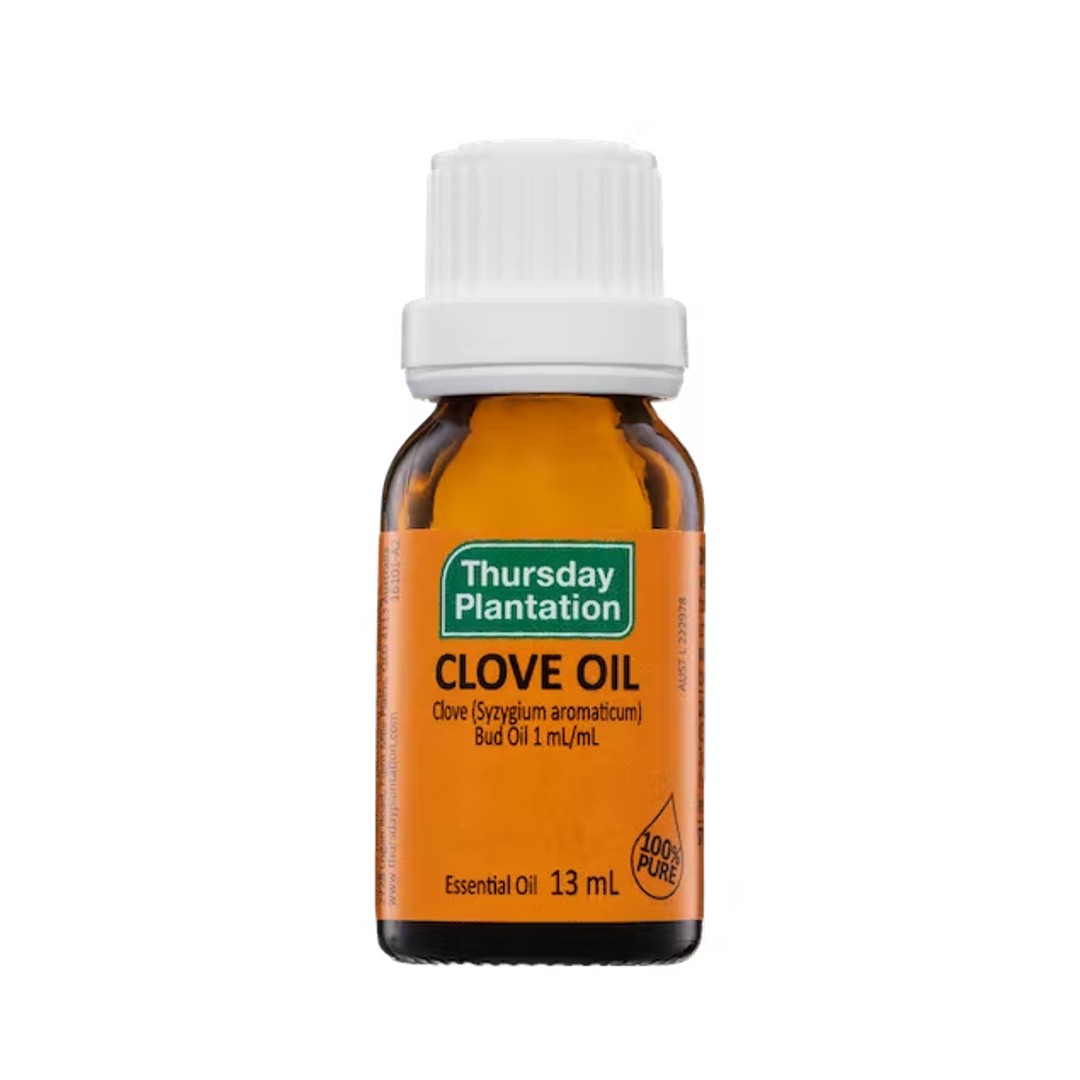
Thursday Plantation Clove Oil 13ml
$13.99
SHOP NOW
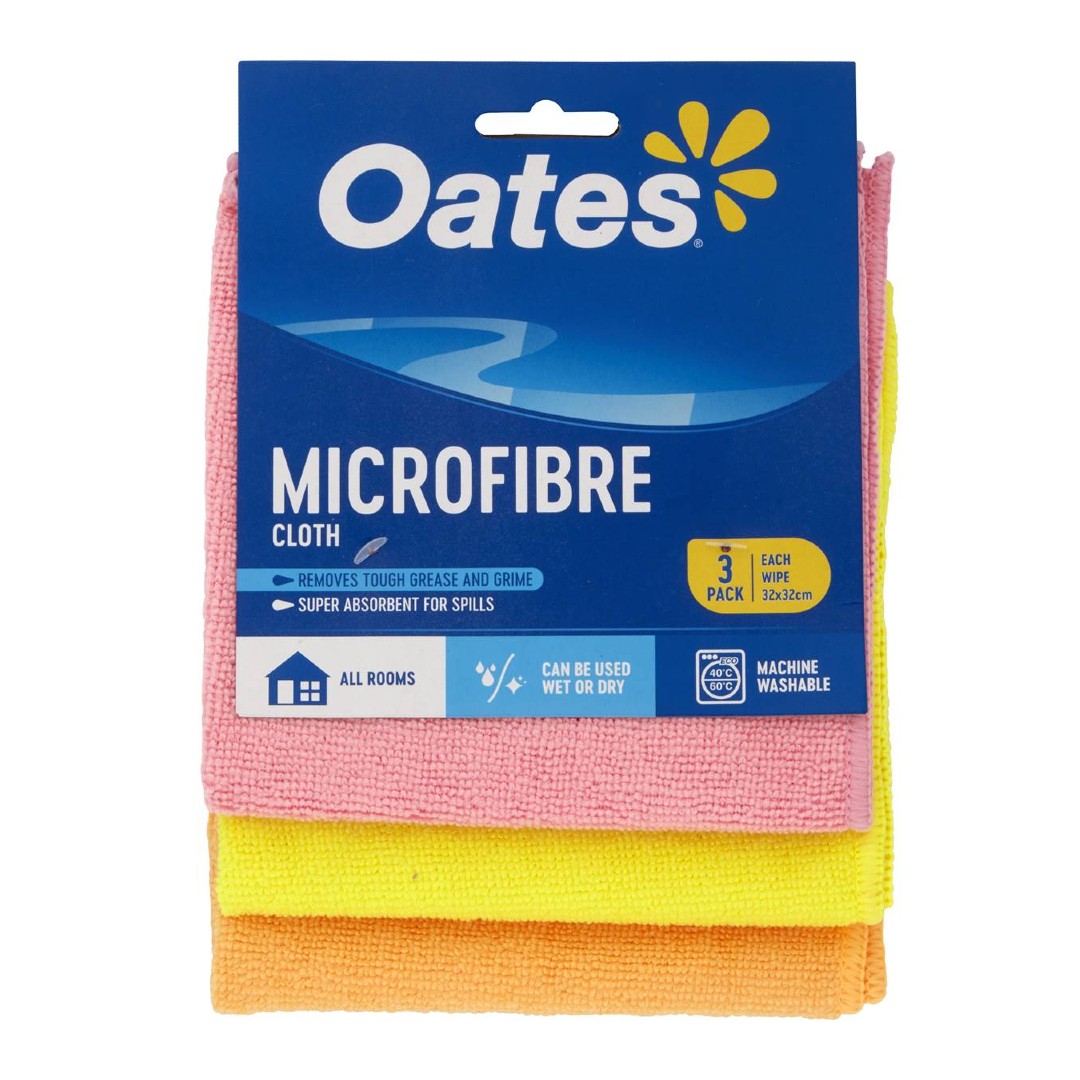
Oates Microfibre Cloth 3 Pack
$4
SHOP NOW