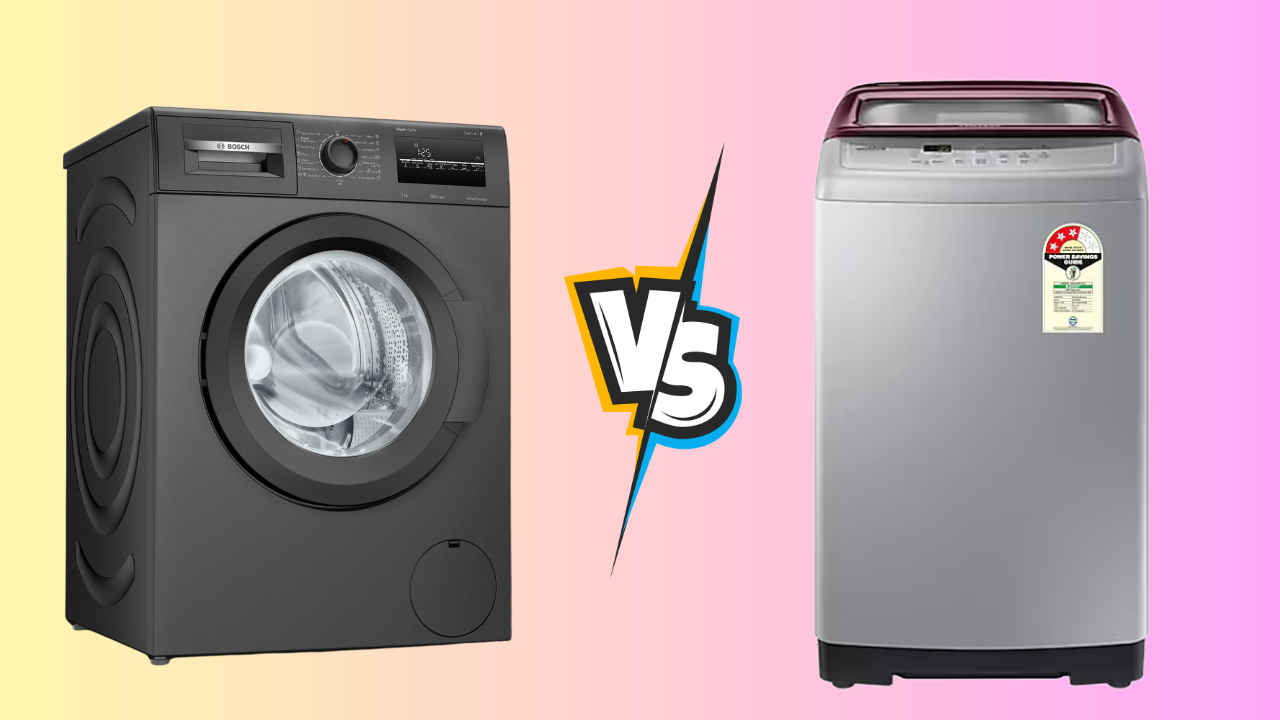
Understanding the Front Load vs Top Load Washing Machine Debate
If you’ve been considering purchasing a new washing machine in India, you’ve likely found yourself caught up in the ongoing discussion about front load versus top load washing machines. This debate has been around for a long time, with each type having its own loyal following. Both have their unique advantages and disadvantages, but when looking at key factors such as wash quality, running costs, and everyday convenience, one option stands out as the better choice.
Wash Quality: A Key Differentiator
When it comes to the actual effectiveness of cleaning clothes, front-load washing machines are generally considered superior. They use a tumbling action that lifts and drops clothes through water and detergent, which is both gentler on fabrics and more effective at removing dirt. This method is particularly beneficial for delicate garments and ensures a deeper clean compared to top-load machines.
Top-load washing machines, on the other hand, typically use a churning motion that can be harsher on fabrics. While newer models have improved significantly, they still lag behind front-loaders in terms of overall wash quality. For those who prioritize deep cleaning and fabric care, front-load machines are the clear winner.
Water and Power Usage: Efficiency Matters
Another crucial factor to consider is the usage of water and power. Front-load washing machines are known for being more efficient in this regard. They can use between 40% and 60% less water per cycle compared to top-load models. Additionally, they are more energy-efficient, which translates to lower utility bills over time.
Top-load machines, however, tend to be more water-intensive and power-hungry. Given that these appliances are used frequently in Indian households, the difference in water and electricity consumption can add up significantly over time.
Cycle Time: Speed vs. Efficiency
While front-load machines excel in wash quality and efficiency, top-load machines have an advantage in terms of speed. A standard wash cycle on a top-loader usually takes between 45 to 60 minutes. In contrast, front-load machines often take between 90 minutes to 2 hours, depending on the program selected.
For households that need to handle multiple loads of laundry in a day, the faster cycle times of top-load machines can make a real difference in daily routines.
Pricing: Budget Considerations
In terms of pricing, top-load washing machines are generally more affordable than their front-load counterparts. You can find a fully automatic top-loader from reputable brands like Samsung, LG, or Whirlpool starting at around Rs 15,000 to Rs 20,000. Front-load machines, however, come with a higher price tag, starting at Rs 25,000 and going well above Rs 40,000 for premium models.
This makes top-load machines a more budget-friendly option for those looking to save money upfront.
Verdict: Choosing the Right Option for Your Needs
Ultimately, both front-load and top-load washing machines perform their primary function effectively. However, the choice between the two depends on individual priorities. If long-term savings and superior wash quality are your main concerns, a front-load machine is worth the investment. On the other hand, if you’re looking for a cost-effective and fast solution, a top-load machine may be the better choice.
For most households, a front-load machine offers better value in the long run, despite the higher initial cost. However, for those with tighter budgets, a top-load machine remains a practical and sensible option.
With this comparison in mind, you should now have a clearer understanding of the differences between front-load and top-load washing machines. Whether you’re looking for efficiency, affordability, or performance, there’s an option that suits your needs. Keep exploring and making informed decisions when it comes to home appliances.