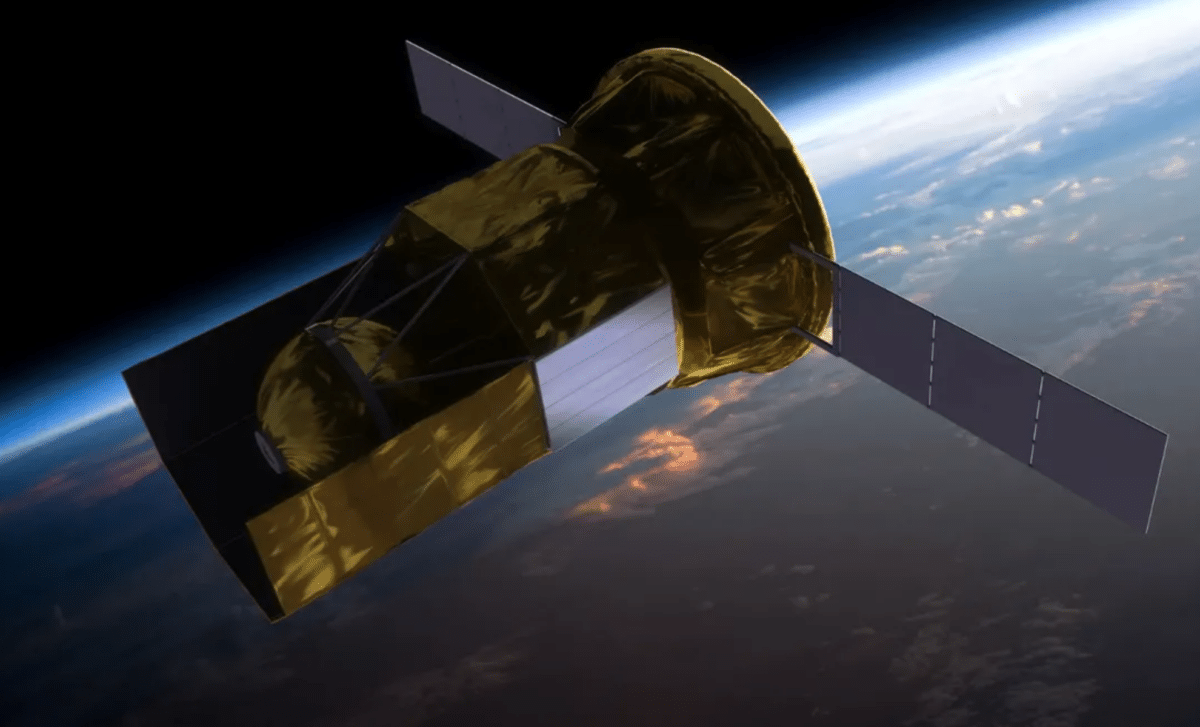
A groundbreaking NASA mission could soon transform how astronauts travel to the moon and beyond. The upcoming Liquid Oxygen Flight Demonstration (LOXSAT) will test critical technologies for storing and transferring cryogenic fuels in space, potentially paving the way for orbital refueling stations that act like “gas stations” in space.
Advancing Cryogenic Fuel Management In Microgravity
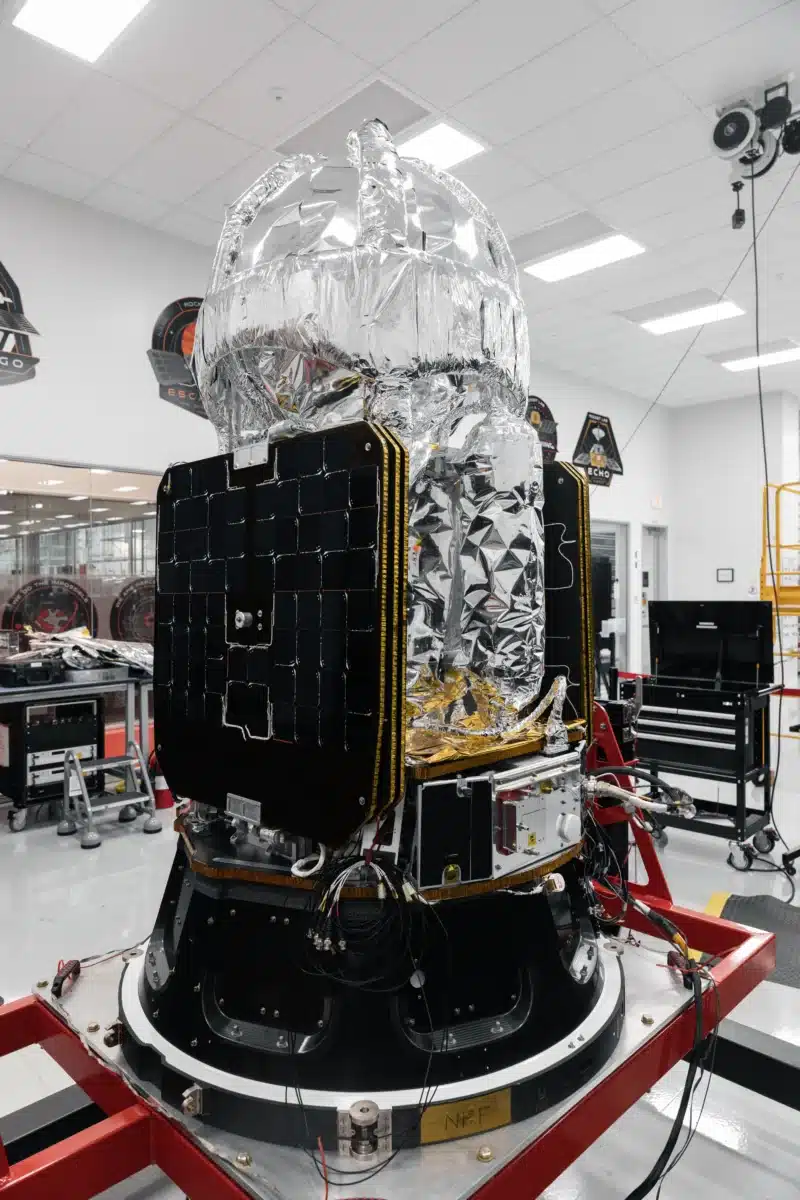
LOXSAT is scheduled to launch this summer aboard a Rocket Lab Photon satellite, riding an Electron launch vehicle from New Zealand no earlier than July 17. The mission, planned to last nine months, will rigorously test 11 different components designed to manage super-chilled propellants in low Earth orbit (LEO). Cryogenic fuels, such as liquid oxygen, liquid hydrogen, and methane, require extremely low temperatures to remain liquid, and transferring them between spacecraft in microgravity poses significant engineering challenges. Successfully achieving this would mark a critical milestone for deep space exploration and support NASA’s Artemis program ambitions to return humans to the moon and eventually send them to Mars.
Collaboration With Private Industry For Lunar Exploration
NASA is partnering with Eta Space, a Florida-based aerospace company, to develop these technologies under the Tipping Point initiative, which funds private companies to create solutions supporting long-term lunar operations. By validating cryogenic fluid management technologies in orbit, LOXSAT could enable spacecraft to refuel after launch, allowing lunar landers and other deep space vehicles to extend their missions without being constrained by their initial fuel load. NASA scientists and engineers from Marshall Space Flight Center, Glenn Research Center, and Kennedy Space Center are all contributing expertise to this effort, emphasizing the mission’s pivotal role in shaping the future of crewed space travel.
Implications For Artemis And Future Moon Landers
Cryogenic fuels are central to NASA’s Artemis goals. Both lunar landers commissioned under the Human Landing System contracts depend on liquid oxygen combined with either hydrogen or methane for propulsion. Neither spacecraft has yet demonstrated the ability to store these fuels long-term in orbit or transfer them between vehicles. LOXSAT could provide the first real data to validate these capabilities. SpaceX’s Starship and Blue Origin’s Blue Moon lander are also advancing in parallel, with Starship’s upcoming Flight 12 test and Blue Moon MK1’s preparations highlighting the race to establish reliable on-orbit refueling solutions. These demonstrations will be crucial for enabling sustainable human lunar operations and setting the stage for eventual Mars missions.
Challenges Of Cryogenic Storage And Transfer
Managing super-chilled liquids in space is far more complex than on Earth. Cryogenic fluids can boil off or lose stability if temperatures fluctuate even slightly, and microgravity introduces unpredictable behavior in how these liquids settle and flow. LOXSAT’s tests will explore how to mitigate these risks and ensure long-term stability, which is essential for the success of Artemis 3 and other lunar missions. Effective in-space fueling could allow spacecraft to carry smaller initial fuel loads, reduce launch costs, and increase flexibility for mission planning. The ability to refuel in orbit represents a transformational step toward sustainable deep space exploration.
LOXSAT’s Role In Shaping The Future Of Space Travel
If LOXSAT successfully demonstrates the technology, it could serve as a blueprint for establishing orbital propellant depots that supply spacecraft heading to the moon and Mars. NASA plans to leverage the results to support both SpaceX and Blue Origin’s lunar lander initiatives, informing strategies for cryogenic fuel handling and transfer in microgravity. By enabling spacecraft to refuel in orbit, NASA aims to extend mission durations, reduce the number of launches required, and ultimately support the vision of humans living and working beyond Earth for extended periods.