Understanding the Legal Limits of Car Music Volume
Many Australians enjoy turning up the volume while driving, especially on a pleasant day. However, there’s a fine line between enjoying music and potentially breaking the law. The question is: how loud is too loud, and could you face a fine for playing music from your car?
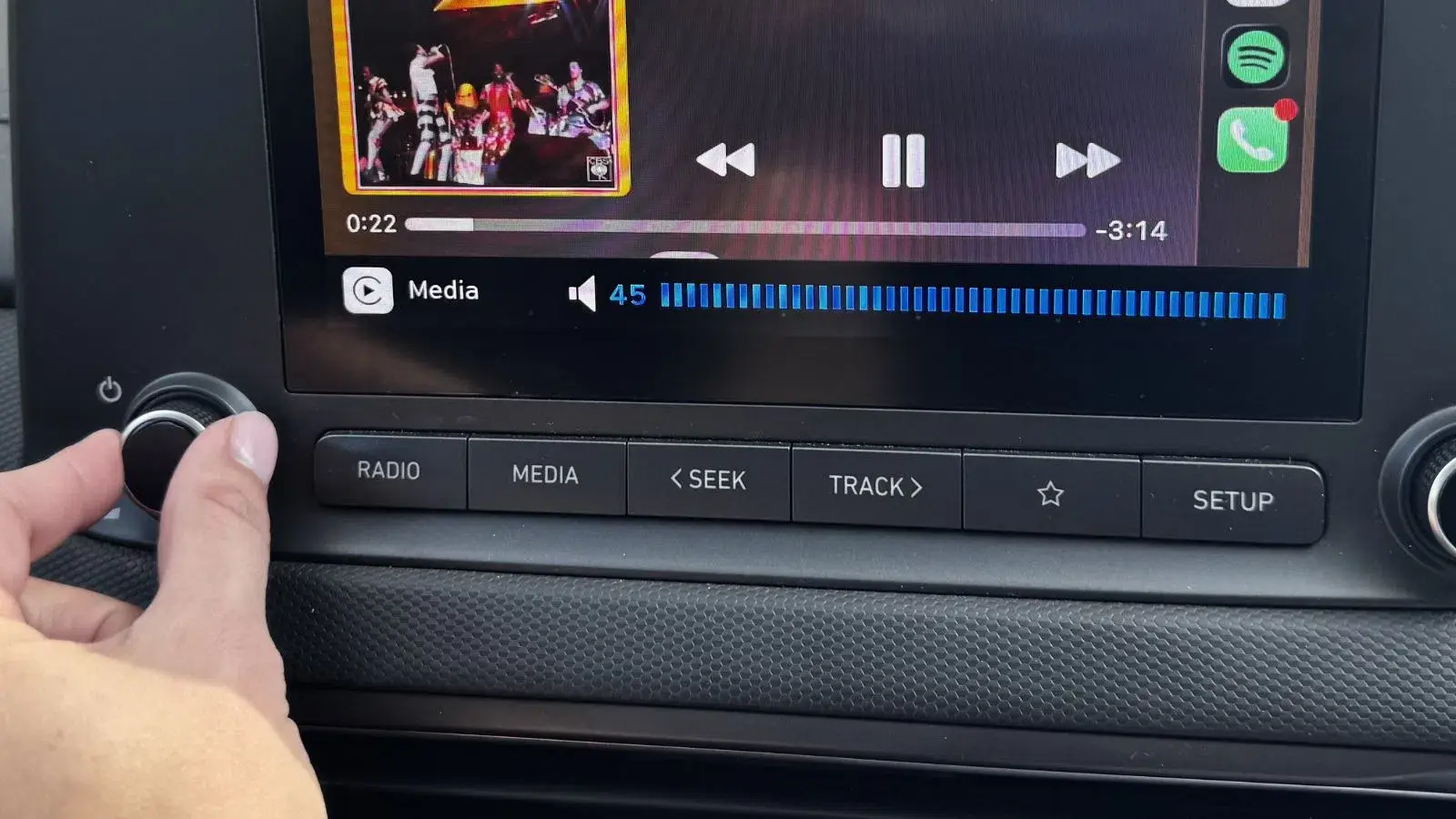
Imagine this: it’s a sunny day, around 22 degrees, and you’re driving down a tree-lined street when an epic song comes on the radio. Before you know it, the volume is at maximum, and you even consider rolling down the windows to share the joy with others.
But could this be illegal? It depends on where you live. In some states, playing loud music from your car can result in a fine.
Which States Have Laws Against Loud Car Music?
Only a few states and territories have specific laws regarding playing music from cars. Other areas have broader noise restrictions that may also apply.
In New South Wales (NSW), it is illegal to “cause the sound system of a motor vehicle to be used in such a manner that it emits offensive noise,” as outlined in the Protection of the Environment Operations (Noise Control) Regulation 2017.
So, what qualifies as “offensive noise”? According to the regulation, it includes noise that:
- Is harmful or likely to be harmful to someone outside the premises from which it is emitted.
- Interferes unreasonably with the comfort or repose of someone outside the premises.
- Is of a level, nature, character, or quality prescribed by the regulations, or made at a time or in other circumstances prescribed by the regulations.
If caught by police, you may receive a $200 fine and two demerit points. If you choose to contest the offense in court and are found guilty, the maximum penalty is $5,500 for individuals and $11,000 for corporations.
Queensland’s Approach to Unnecessary Noise
In Queensland, drivers who play loud music from their cars may also face fines. This falls under the state’s hooning offences and is classified as “making unnecessary noise.”
Police can issue fines of approximately $175, and repeat offenders could have their vehicles impounded for up to 90 days.
Broader Noise Regulations in Other States
Other states and territories do not specifically mention music in their transport noise restrictions, but they all address motor vehicle noise in general. Music could be interpreted as part of that.
In Victoria, for example, noise standards are outlined in the Environment Protection Regulations 2021. These regulations state that cars capable of emitting noise exceeding the stationary noise level by at least 5dB are not permitted on the road.
Additionally, the Road Safety (Vehicles) Regulations 2021 cover vehicle noise, stating:
- A person must not use a vehicle on a highway if the vehicle is creating undue noise.
Although not specifically targeting car stereos, these regulations still apply to music played from vehicles.
Residential Noise Restrictions
States and territories also regulate residential noise, including music. For instance, Victoria’s Environment Protection Regulations restrict “unreasonable noise” – including sound from stereos and radios – between 10pm and 7am from Sunday night to Friday morning, and between 11pm and 9am from Friday night to Sunday morning.
Local councils also have their own noise regulations, so it’s important to be aware of these rules when playing music from your car.
Final Considerations
Before cranking up the volume in your car, think about whether it could be deemed unreasonable. While many people enjoy loud music, it’s essential to understand the legal boundaries in your area.
By being mindful of local laws and regulations, you can enjoy your music without risking a fine or legal trouble.