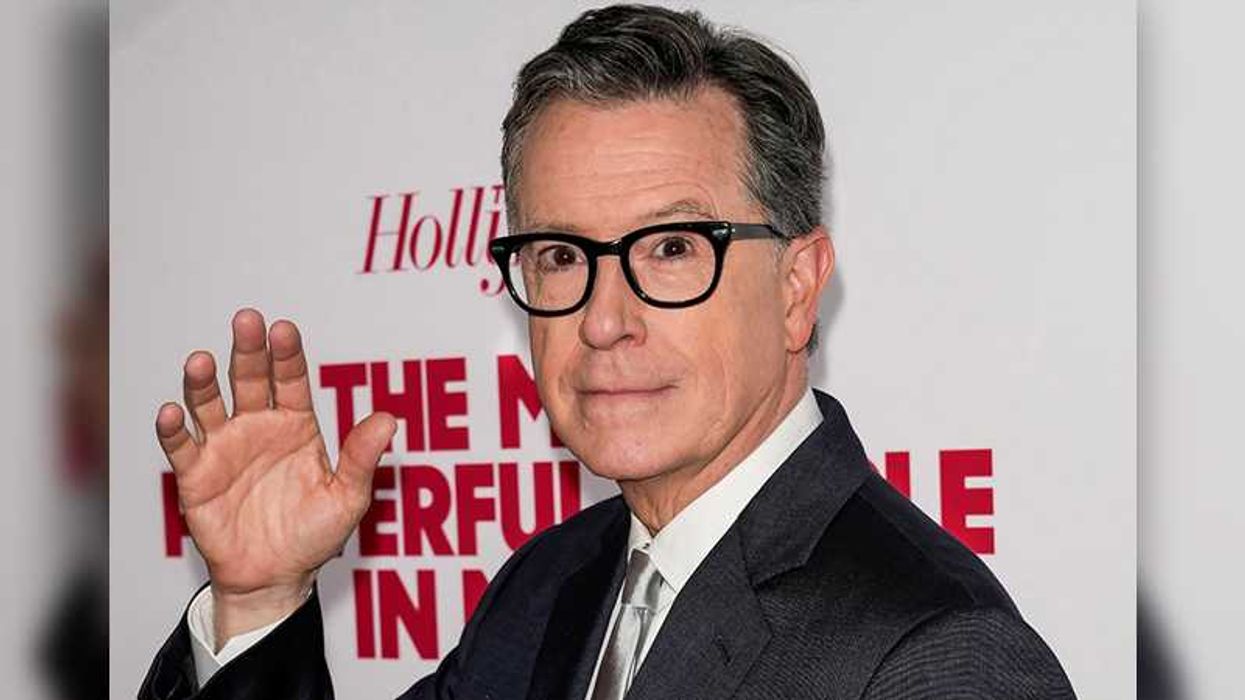
The End of an Era for Late-Night TV
The late-night television landscape has been forever changed with the conclusion of “The Late Show,” a program that ran for 33 years and was originally created by comedian David Letterman in 1993. The show, which had been hosted by Stephen Colbert for the past 11 years, came to an end on Thursday night, marking the end of an era for viewers and industry analysts alike.
Colbert’s final week saw him outperforming both Jimmy Kimmel and Jimmy Fallon combined, according to reports from the LateNighter. Despite his strong ratings, the network claimed that the financial burden of producing “The Late Show” was too great, with estimates suggesting losses of up to $40 million per year, as reported by the New York Times.
A Controversial Decision
The decision to cancel the show came after a merger between Skydance Media, led by David Ellison and his father Larry Ellison, and CBS Paramount. This move led to immediate cuts in the news division and the cancellation of “The Late Show.” The Ellisons, known for their conservative leanings, have since set their sights on acquiring Time Warner, raising concerns among critics about potential shifts in media bias.
President Donald Trump took to social media to express his delight at the show’s end, posting, “Colbert is finally finished at CBS. Amazing that he lasted so long! No talent, no ratings, no life. He was like a dead person.” While his comments were harsh, they also sparked debate about the impact of such decisions on employment and the broader media industry.
Impact on Viewership and Industry
CNN media analyst Brian Stelter noted that the loss of “The Late Show” could lead to a shift in viewership, with Jimmy Kimmel potentially gaining more attention. However, Stelter also highlighted the challenges facing late-night TV, stating that the industry may struggle without the competition that drives creativity and engagement.
While “The Late Show” had a nightly audience of 2.7 to 2.8 million viewers, Colbert’s YouTube channel boasts over 10.7 million subscribers, indicating a significant shift in how audiences consume content. This trend reflects a broader movement towards streaming platforms, which are increasingly challenging traditional network television.
The Future of Late-Night Hosting
Despite the cancellation, analysts believe that Stephen Colbert will not be out of the spotlight for long. He has already welcomed fellow late-night hosts to his final shows, where they engaged in lighthearted banter and discussed the future of the industry. Jimmy Kimmel, who faced his own challenges with the network, made a notable appearance, mocking the CBS executives and highlighting the struggles of streaming services.
Kimmel’s experience with being nearly canceled and then brought back due to public outcry underscores the power of viewer engagement. His comments about Disney+ and Paramount+ reflect the growing dissatisfaction with streaming services, particularly among consumers who feel they are not receiving value for their subscriptions.
The Broader Implications
The ongoing decline in CBS News’ ratings under the leadership of the Ellison family has raised concerns about the future of news programming. Critics worry that the family’s conservative views could influence the direction of CNN, potentially leading to a shift towards far-right perspectives. This concern is compounded by the fact that aging conservative demographics are already divided among networks like Fox News, OAN, and Newsmax.
As the media landscape continues to evolve, the cancellation of “The Late Show” serves as a reminder of the challenges facing traditional television. With the rise of streaming platforms and changing viewer habits, the future of late-night entertainment remains uncertain. However, the resilience of hosts like Colbert and Kimmel suggests that the spirit of late-night television will continue to thrive, even in the face of change.