The Importance of Being Prepared
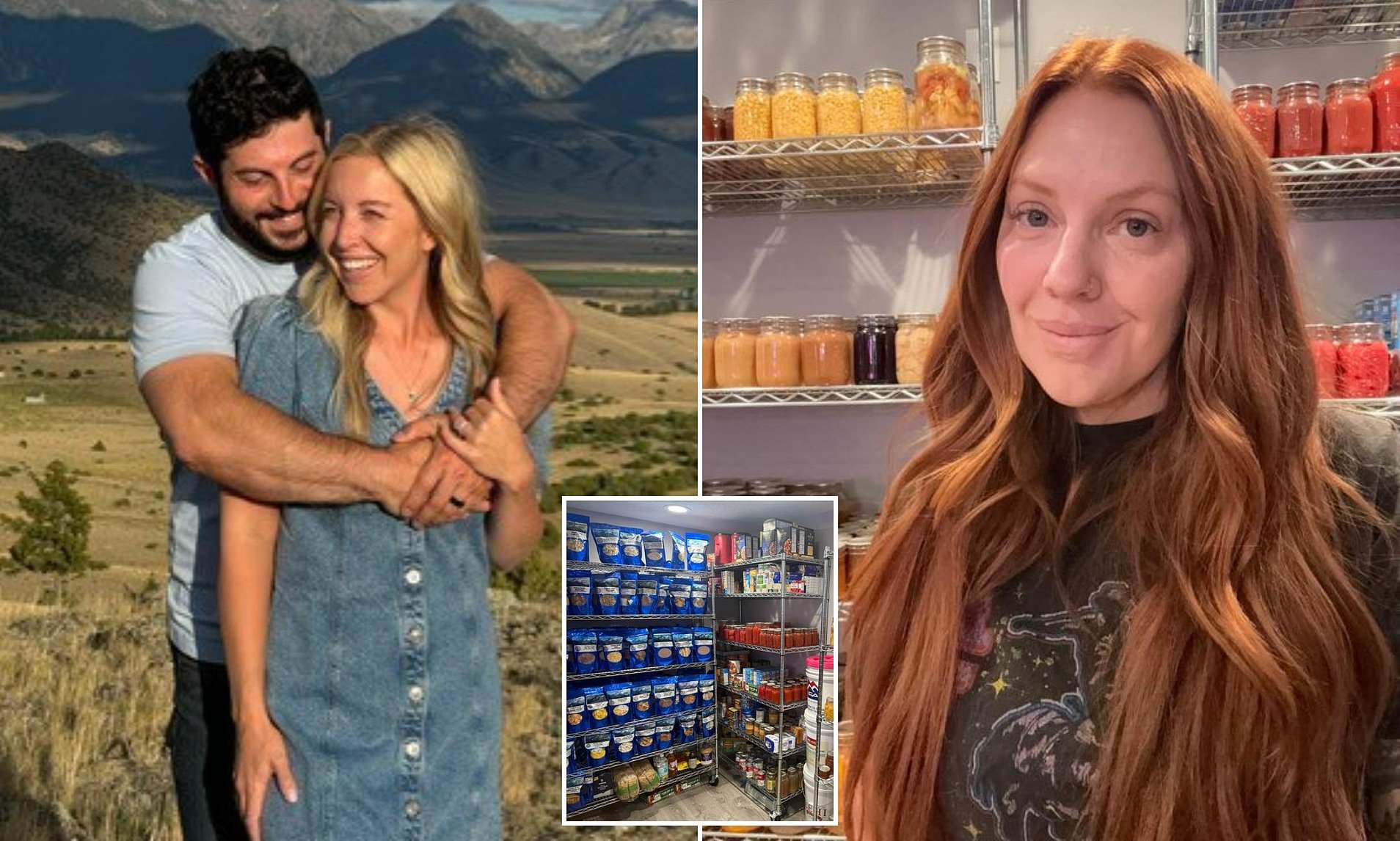
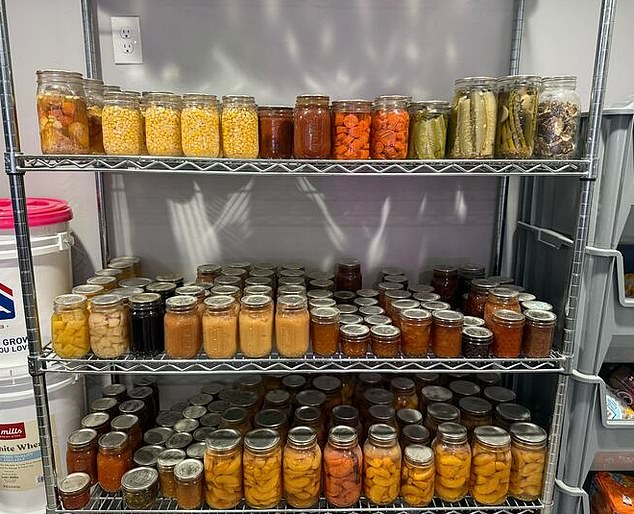
Krystal, a 31-year-old prepper from Utah, has taken preparedness to another level. She isn’t just storing a few extra cans of SpaghettiOs or cases of water in her garage—she has enough food stored in her house to sustain her family of five for at least five years. In addition to this, she has a solar generator, seedling garden, body armor, water filtration system, and freezers full of meat.
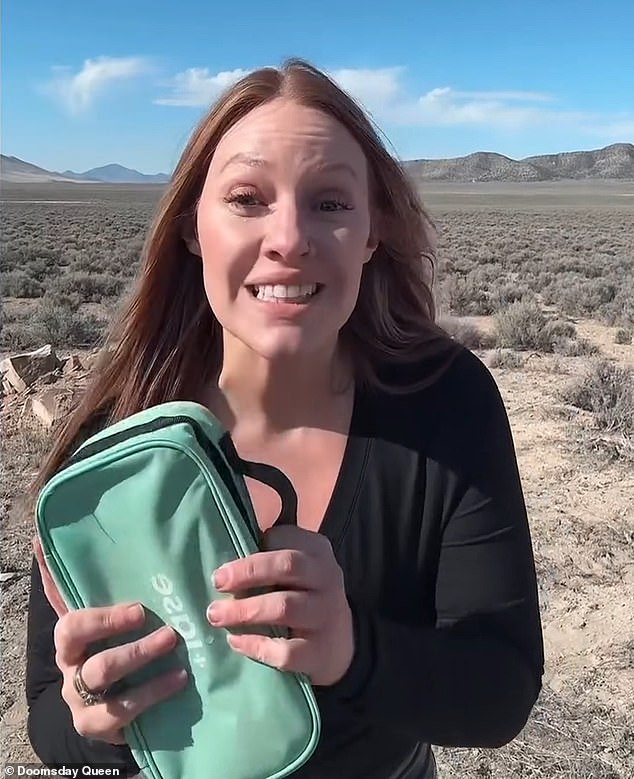
Krystal refers to herself as the “Doomsday Queen” and has built up a following of over 400,000 followers online by sharing her tips and tricks for surviving an apocalyptic-level event. Her family has been into prepping for generations, with her parents and grandparents teaching her how to prepare for the worst from a young age.
In light of the recent hantavirus outbreak, Krystal emphasized the importance of being ready for emergencies that could leave you without fresh food, medicine, or power. She believes that having a backup plan is essential, much like having car insurance.

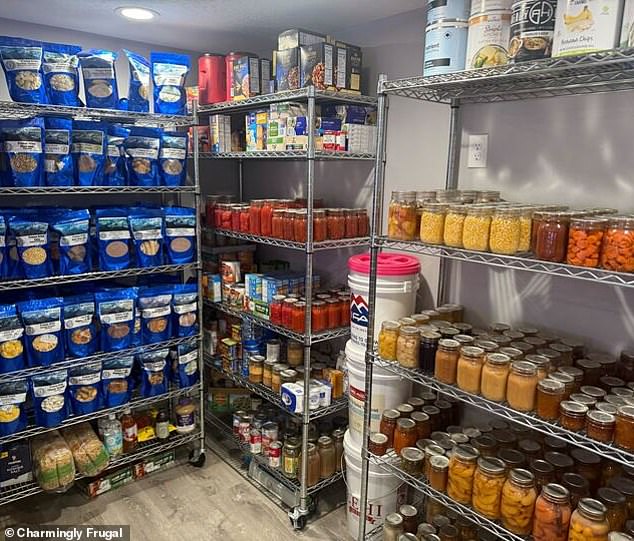
Krystal has also taken extra precautions by stocking up on more gloves, protective masks, and medication due to the surge in hantavirus cases. She has even avoided airports and canceled her upcoming flights, opting to drive instead.
“I do think this could become a pandemic, especially with the fatality rate being so high,” Krystal told the Daily Mail about the hantavirus.
Montana-based prepper Carrie Smith and her husband, Colton, have also started taking extra measures. The couple, who have a social media following of over 1.6 million under the username @housewifeprepper, have been stocking up on shelf-stable food buckets, gas masks, portable power stations, and bathtub water storage.

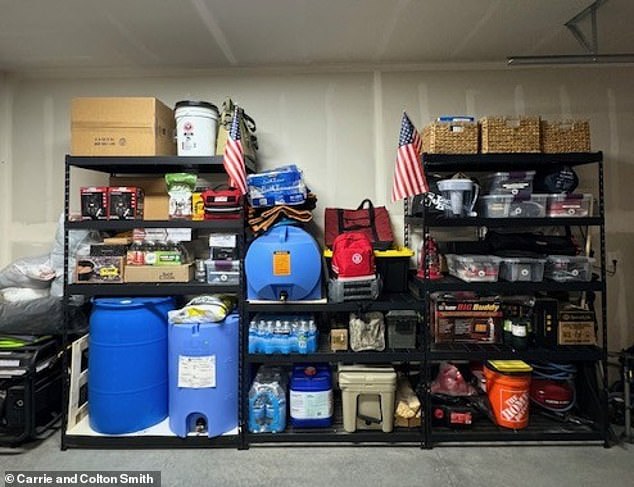
Carrie believes that being prepared can help reduce panic, especially during times of uncertainty. Their decision to start stocking up on supplies began in February 2023 when a Chinese spy balloon flew across the US. This event served as a wake-up call for them, prompting them to take action.
Now, they have a variety of items stored away to help them survive any serious emergency, including their own generator, a solar crank radio, full fuel tanks, backup phones, and even a stash of natural materials like wood.
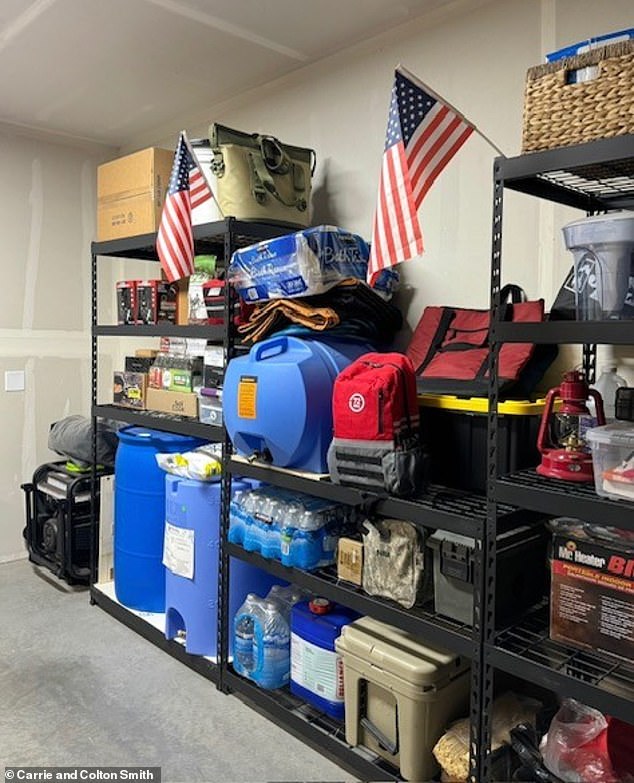
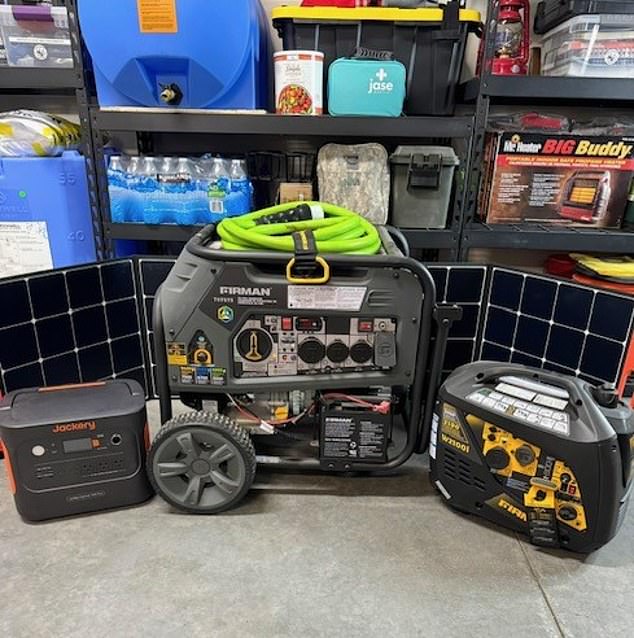
“Natural disasters, job loss, you name it, there’s always a reason to be prepared,” Carrie said. Recently, they started stocking up on anti-viral protectants due to the possibility of a future pandemic. They increased their supply of N95 filters, ensured their respiratory masks fit properly, and made sure they had proper rubber gloves.
They’ve also been checking around the house for mouse droppings and keeping a close eye on their pets.
The recent hantavirus outbreak began on the MV Hondius, a cruise ship that left Argentina on April 1 and made several stops as it crossed the Atlantic, carrying around 149 people representing 23 different nationalities.

It is believed to be the Andes Virus hantavirus strain, which is the only strain that can spread from person-to-person. There have now been 11 cases (eight confirmed, one inconclusive, and two probable) and three deaths.
Krystal urged people to make sure they have enough medication that can treat an upper respiratory infection, such as steroid prednisone and Albuterol, on hand. She cited shortages that occurred during the last COVID-19 pandemic, when it was nearly impossible to get essential items like PPE, medical equipment, and even toilet paper.
“Now, with the added pressures of an oil crisis, it may be even worse,” she said. “We have a perfect storm right now, there might not be enough medications to actually treat upper respiratory.”
In addition to a well-stocked medicine cabinet, Krystal also recommended that people ensure they have plenty of food, water, and educational resources like books in their homes.
She also warned that it’s important to be prepared for other situations beyond disease outbreaks, such as natural disasters, job loss, and recessions.
“I think prepping shouldn’t just be involved around hantavirus; we’re going to see viruses and illnesses throughout a lifetime,” she told the Daily Mail. “Being prepared, at least medically, and having enough supply for your family, for just even a month, can also help with basic job loss.”
According to the preppers, there are ways to prepare without breaking the bank. Carrie and Colton assured the Daily Mail that inexpensive things everyone can do to make sure they’re prepared for the worst.
“Do a little every day versus a lot in just one day is a better way to attack this,” Colton said. “Buy a couple filters a week, and then the next week buy a little bit more, something like that.”
They stressed that their supplies didn’t accumulate overnight. “It took us years to build what we have. Every paycheck, even if it’s $5 that you can put away, or go to the dollar store and spend that $5 on batteries, every little bit counts,” Carrie added.
The first signs of the deadly hantavirus occurred on April 6, when a Dutch man fell ill onboard the ship. He died five days later. His body was removed from the vessel in St. Helena island on April 24, when his wife also disembarked. She then flew to South Africa a day later and died.
18 Americans were amongst those evacuated from the ship in the weeks that followed, and they are currently in federal quarantine. A total of three passengers have died from the virus, including the Dutch man, his wife, and a German woman who died onboard the ship on May 2. Health officials believe the outbreak stems from two passengers who may have been exposed to the virus during a birdwatching tour at a landfill in Argentina.
The outbreak has sparked fears of a pandemic similar to COVID-19, which caused over one million deaths in the United States as of 2023, according to data from Johns Hopkins University. However, according to public health officials, hantavirus is not expected to cause a mass pandemic.
Centers for Disease Control’s Acting Director Jay Bhattacharya adamantly told CNN’s Jake Tapper on Sunday morning that the hantavirus outbreak will not be the next pandemic. “This is not COVID, Jake, and we don’t want to treat it like COVID,” Bhattacharya said. “We don’t want to cause a public panic over this. We want to treat it with the hantavirus protocols that we – that, again, were successful in containing outbreaks in the past. And so we followed those protocols…”