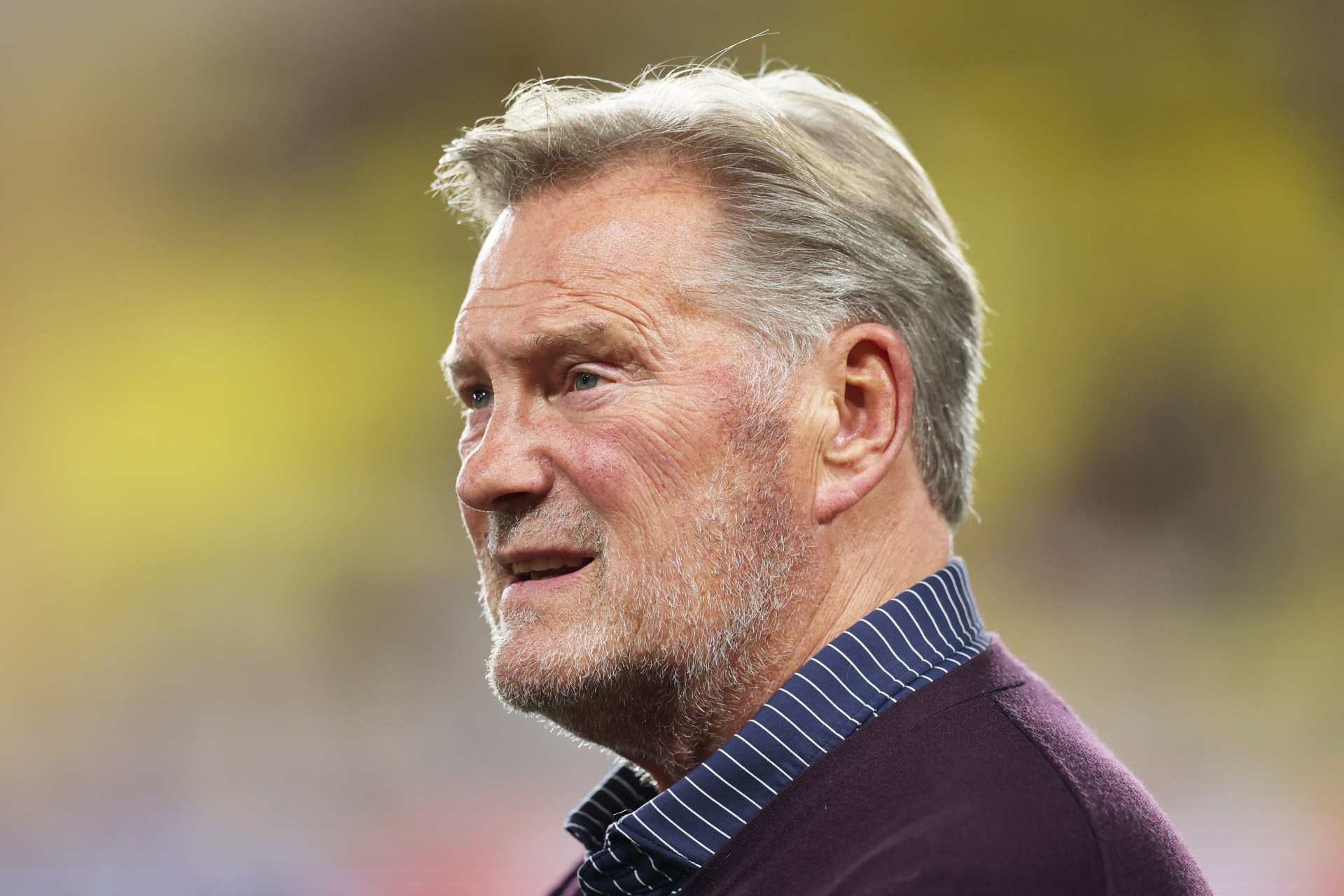
Glenn Hoddle, a former Tottenham Hotspur player and manager, has voiced his concerns about the club’s current situation, suggesting that it is time for a significant change in direction. He believes that with smart decisions and effective recruitment, the club can recover quickly from its recent struggles.
Tottenham currently finds itself in a precarious position as it heads into the final day of the Premier League season. The team still faces the possibility of relegation, which adds to the pressure on the squad and management. Earlier in the week, Spurs needed just a point against Chelsea to ensure West Ham United’s relegation, but a 2-1 loss at Stamford Bridge means they must now secure a result against Everton on Sunday.
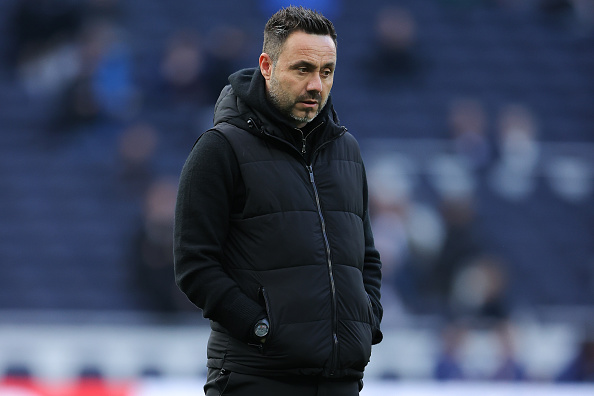
Roberto De Zerbi’s side only needs a draw to avoid the drop, and there is even a chance they could lose if West Ham fails to beat Leeds United at home. Even if Tottenham manages to stay in the league, this would mark their second consecutive 17th-place finish, something Hoddle believes should prompt a major reevaluation of the club’s approach.
‘The Europa League triumph really papered over the cracks,’ Hoddle said. ‘There’s been a crack there for quite some time. The system is clearly not working at the moment, and needs to be revised. If this were any business, that’s what they’d be doing. They’d be stripping it down and saying, this ain’t working, let’s get a new CEO or new board and go from there.’
He added: ‘What I’m hoping is that we stay up and the fear of going down, the fear of actually thinking about it and getting so close to dropping, actually ignites something in the club from above the playing staff, above the coaching staff, that this can’t happen again. That’s got to be a crossroads, which is the lowest crossroads. That’s got to be the lowest one.’
Tottenham has long faced criticism from fans for its strict wage structure and lack of investment in the squad. Hoddle urged those in charge to focus on the fundamentals of running a football club rather than treating it as an asset.
‘I think the owners have got to look at it as a football club first and foremost,’ he said. ‘Everything’s got to revolve around that and aimed at that, rather than being an asset. We have a great stadium, and it’s bringing in great income, but if the income comes in, spend it on the club, spend it on the football club. The history of Tottenham is a football club. It’s not anything else and never will be.’
Hoddle continued: ‘Rather than looking at it negatively, I think you’ve got to see it as a challenge. You’ve got to look at the positives out of it and take on the challenge. That comes from the staff, the players, the staff. When I say staff, it means the recruitment, it means everything. The money that’s going to be made available to go and build a squad.’
Despite the challenges, Hoddle was quick to highlight positive examples from other clubs. He pointed to Manchester United under Michael Carrick as evidence of how quickly the right strategy can lead to success.
‘You’ve got everything there,’ he said. ‘The infrastructure’s there, the training ground, the stadium. A lot of clubs do it the other way around, but everything’s there. They’ve now got to focus on getting this quality. That doesn’t mean you have to spend millions and millions and millions. There are quality players around Europe and in Britain, and it’s the recruitment that has to be really looked at.’
He also mentioned Eddie Howe’s success at Newcastle, where he transformed a struggling team into a competitive side within a short period.
‘Look at Eddie Howe when he went to Newcastle when they were second from bottom. They were in the relegation zone and look what happened. He got them a trophy and they played in the Champions League. It can happen very quickly with good management and good players.’
Hoddle’s comments reflect a broader call for change at Tottenham, emphasizing the need for a renewed focus on footballing excellence. He believes that with the right approach, the club can recover and return to its former glory.
For more updates on football and other sports, visit our sport page. Follow us on Facebook, Twitter, and Instagram for the latest news and insights.