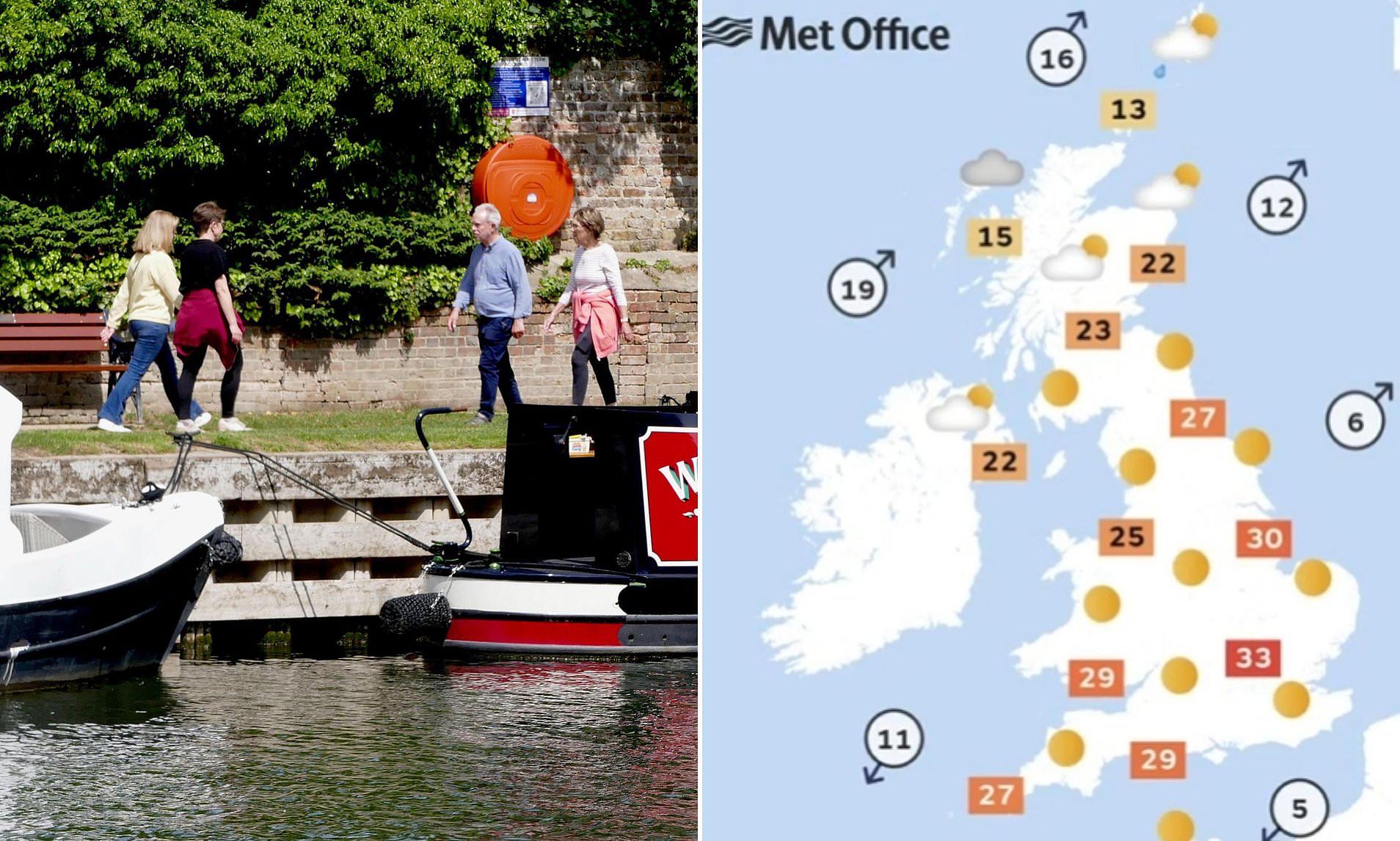
Unprecedented Heatwave Brings Record Temperatures to the UK
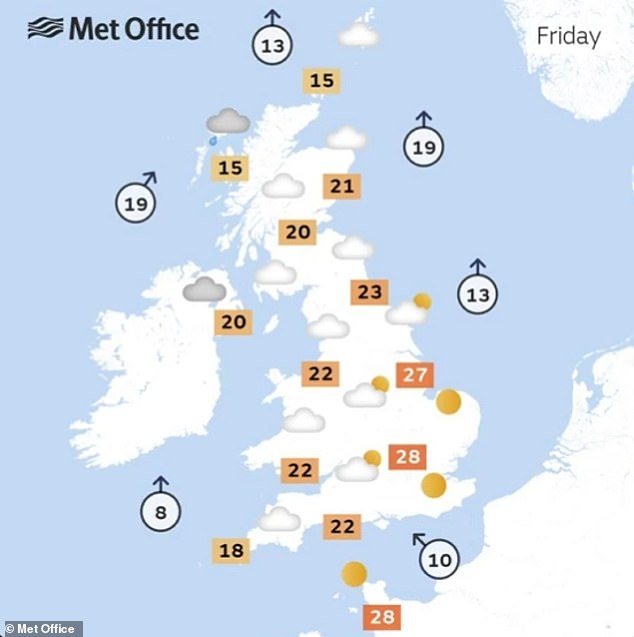
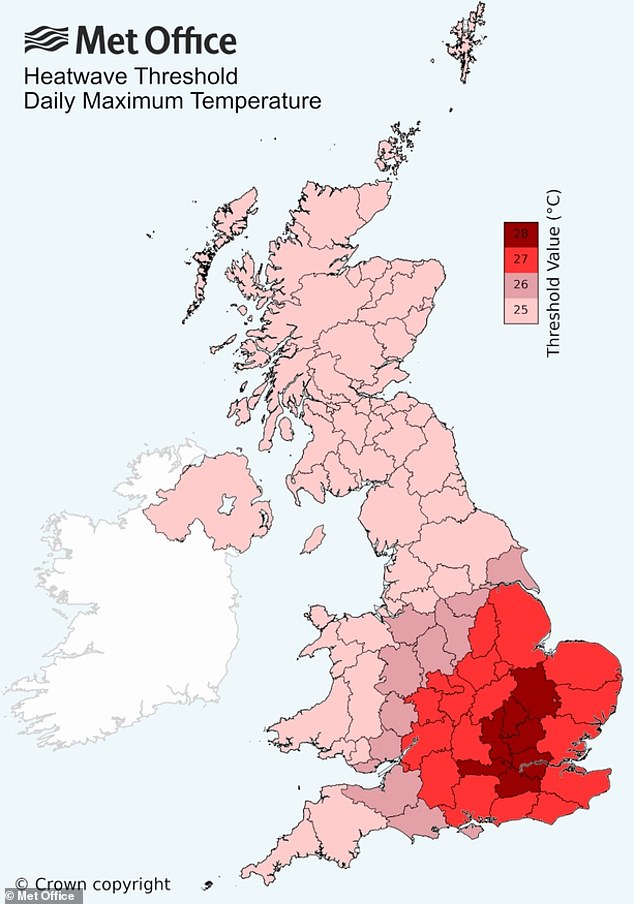
The UK is preparing for an ‘exceptional’ heatwave, with temperatures expected to reach 33°C during what could be the hottest May bank holiday in history. The UK Health Security Agency has issued a six-day heat health alert for southern, eastern, and central areas of England, from Friday until next Wednesday. This alert marks the first of 2026 and warns of an increased risk to vulnerable individuals.
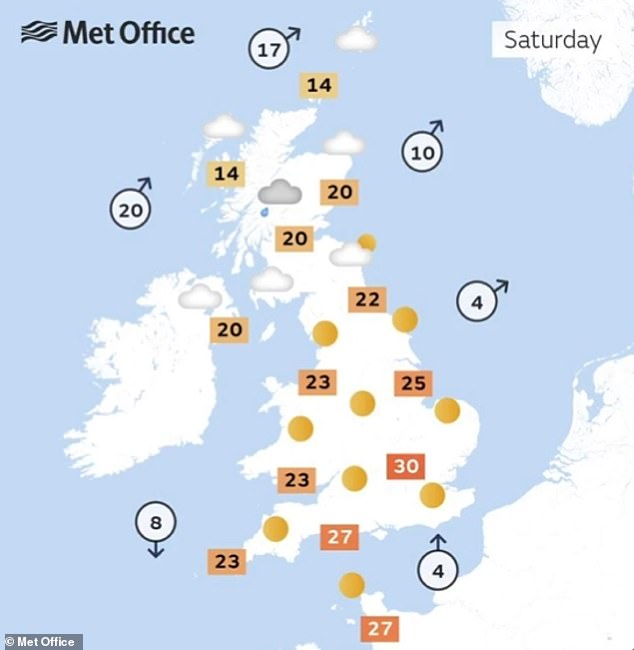
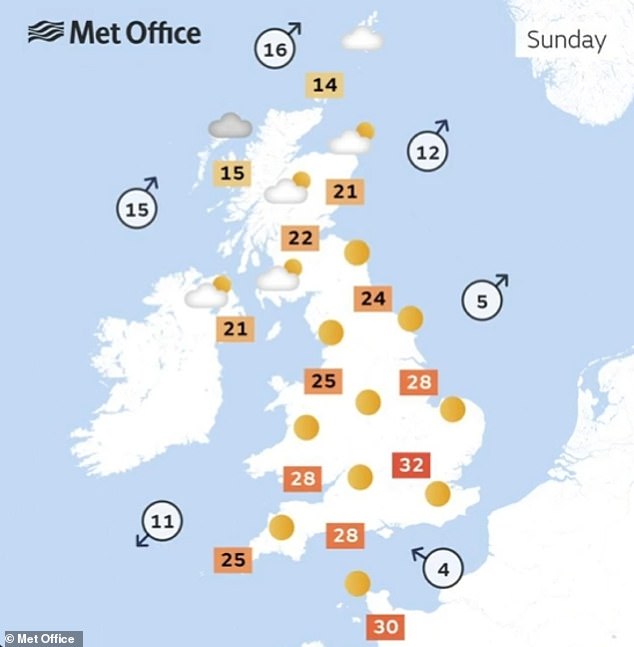
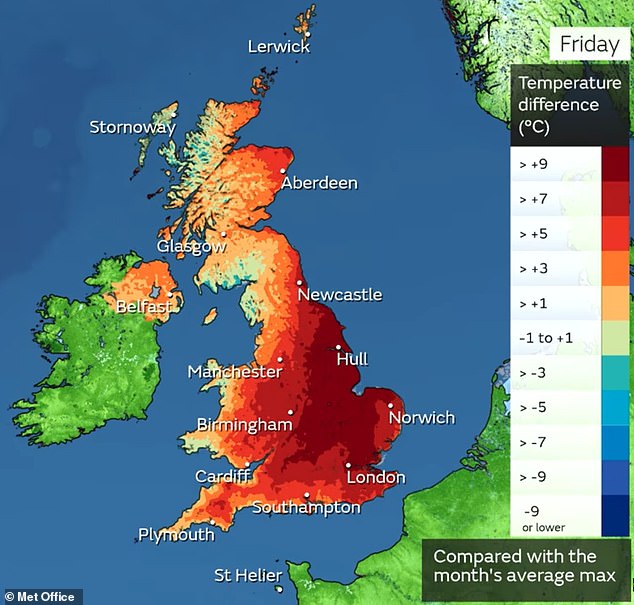
The heatwave is expected to bring record-breaking spring temperatures, with forecasts predicting 30°C on Saturday and 32°C the following day. By the start of next week, southern England and the Midlands are set to experience 33°C, surpassing the current Spring and May records by 0.2°C. London will see temperatures above 28°C for at least five consecutive days, starting from Friday. This will make Friday the hottest day of the year so far, surpassing the previous 2026 record of 26.6°C at Kew Gardens in London on April 8.


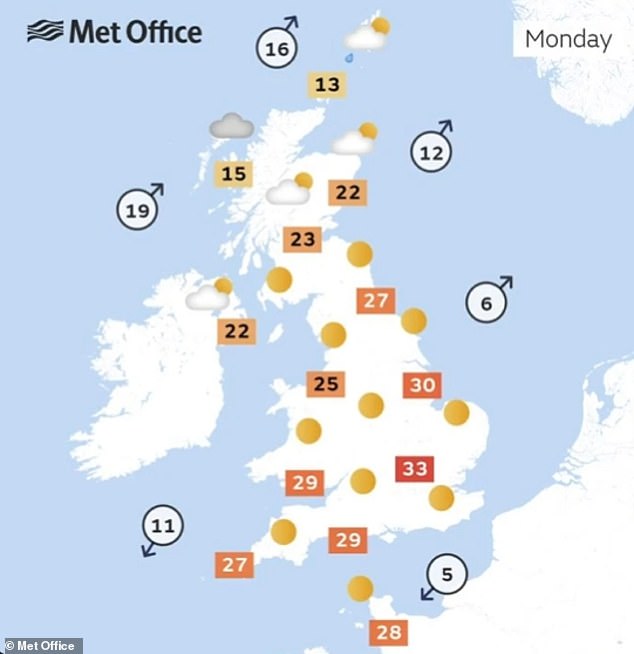
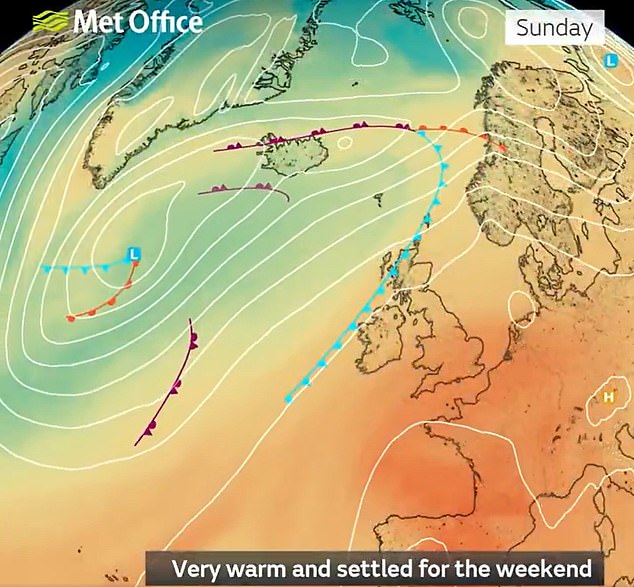
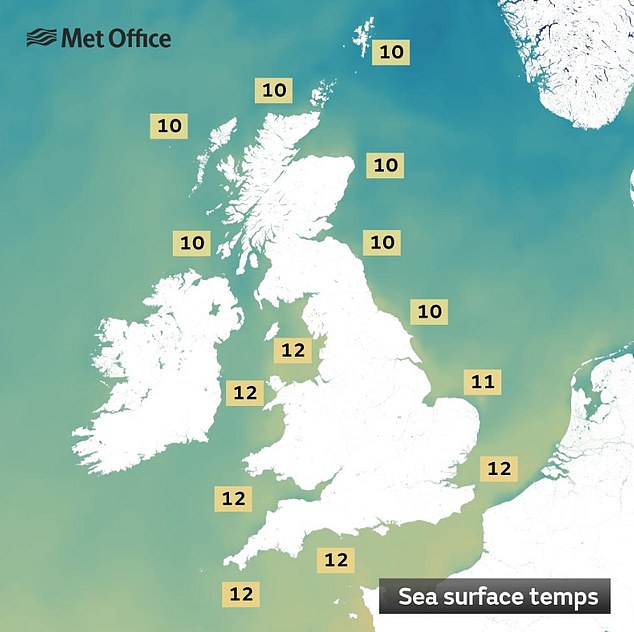
The heatwave is driven by a high-pressure system bringing settled conditions and clear skies after recent cloud cover. However, western Scotland and Northern Ireland will remain cooler and more overcast. Steve Kocher, the Met Office Deputy Chief Forecaster, noted that the May and Spring temperature records are likely to be broken over the Bank Holiday weekend, with forecast temperatures exceeding the existing record of 32.8°C. He also warned of some cloud and showers in Northern Ireland and western Scotland, as well as low cloud and sea fog along western coasts due to relatively low sea surface temperatures.
The Met Office urges beachgoers to check weather forecasts and be aware that sea temperatures remain low, ranging between nine and 13°C. Heatwaves are expected to first impact the southeast of England before spreading to other regions, including Wales.
Dafydd Beech, National Community Education Manager at the British Red Cross, emphasized the importance of taking precautions to avoid dehydration, sunburn, or heat stroke. Simple measures like wearing sunscreen, staying hydrated, and taking breaks from the sun can help protect against the heat.
Alzheimer’s Society has also issued advice for people living with dementia, highlighting the need to prevent dehydration through strategies such as leaving water within easy reach, using clear or brightly coloured containers, and providing high-water-content foods.
The AA survey predicts a surge in travel over the bank holiday weekend, with 23.4 million journeys expected on Friday alone. The most common reasons for travel include shopping (40%) and visiting family or friends (39%). Other popular activities include DIY or garden centre trips (23%), work-related travel (22%), and day trips to attractions (11%).
The RNLI reported that hot weather often leads to an increase in ambulance call-outs and rescues along UK coastlines. Samantha Hughes, RNLI water safety partner, reminded the public to choose lifeguarded beaches, swim between red and yellow flags, and know what to do in an emergency. She also advised checking water quality before entering rivers, lakes, or coastal waters, as poor water quality can lead to illnesses such as E.coli or norovirus.
James Wallace, River Action chief executive, urged swimmers to avoid swallowing water and to stay away from swimming with open wounds. Cllr Dr Wendy Taylor, chair of the Local Government Association’s Health and Wellbeing Committee, encouraged people to look out for vulnerable individuals during the heatwave and to take sensible precautions.
The Climate Change Committee warned that the UK must adapt to becoming a “hot country,” with extreme heat risks increasing by 300% by 2050. Baroness Brown called for maximum temperature rules in workplaces and air conditioning in hospitals and care homes. She also suggested considering changes to the school year to protect students from summer heat.
Gavin Scarr-Hall, health and safety director at HR firm Peninsula, emphasized the legal and moral obligation of employers to create comfortable working environments. He highlighted that controlling office temperatures is essential for both employee well-being and business productivity.