The Growing Influence of Origin Players on the Kangaroos
Kangaroos coach Kevin Walters is set to watch Wednesday night’s State of Origin series opener with a keen eye on the potential impact of up to 15 players in action. These players could go on to represent Australia at this year’s World Cup, highlighting the evolving landscape of international rugby league.
Walters, a former Test player and Maroons Origin coach, emphasizes the importance of building “spirit and culture” within the team. His goal is to ensure that the number of players opting for other nations doesn’t grow in the coming years.
The recent changes to the Origin eligibility rules have opened the door for players from New Zealand and England to participate in the series. This has led to notable debuts, such as Casey McLean for NSW and Briton Nikora for Queensland. Additionally, Addin Fonua-Blake, who previously represented New Zealand at the 2017 World Cup, and England’s Victor Radley (both playing for NSW) are now part of the Origin scene.
The overhaul of the Origin rules in February raised questions about how these changes would affect the Kangaroos’ setup in the future. The ARL Commission allowed New Zealand and England players to compete in Origin games, provided they met the criteria, including being born in either state or residing in NSW or Queensland before turning 13.
Former Australia coach Mal Meninga expressed concerns about the increasing number of Samoans, Tongans, and Kiwis in the interstate series. He worried about young players who might want to play for Australia but could be overlooked for Origin.
A Significant Increase in Players Representing Other Nations
The tally of 15 players is a significant jump from the four Origin players who faced Australia at the last World Cup in 2017. Those four were James Tedesco (Italy), Josh Papalii (Samoa), Jarryd Hayne (Fiji), and Andrew Fifita (Tonga).
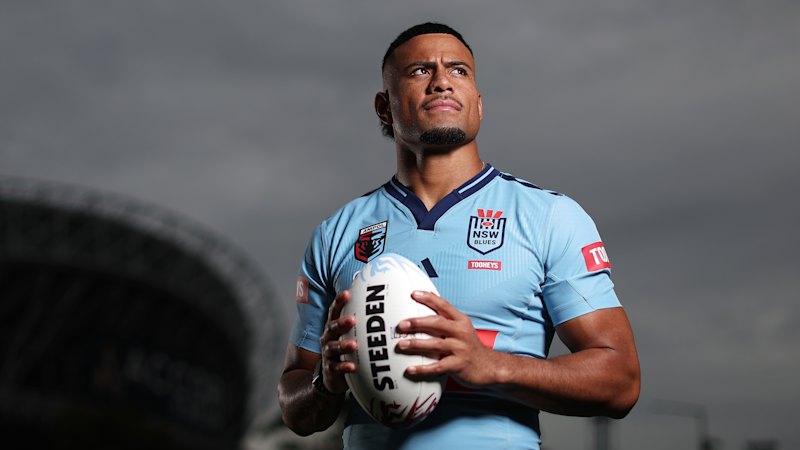
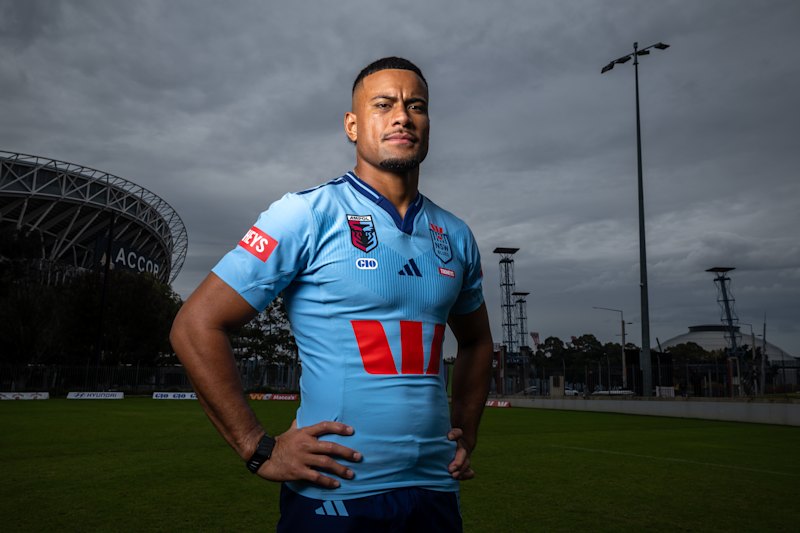
This year’s NSW squad includes Brian To’o (Samoa), Stephen Crichton (Samoa), Kotoni Staggs (Tonga), Tolu Koula (Tonga), Fonua-Blake (Tonga), Haumole Olakau’atu (Tonga), Radley (England), Jacob Saifiti (Fiji), and McLean (New Zealand). For Queensland, Kalyn Ponga (New Zealand), Tabuai-Fidow (Samoa), Rob Toia (Tonga), Tino Fa’asuamaleaui (Samoa), Briton Nikora (New Zealand), and Kulikefu Finefeuiaki (Tonga) are committed elsewhere.
Among these players, Staggs and Fa’asuamaleaui have a chance of remaining with Australia, while Queensland debutant Sam Walker is under consideration by the England camp. Despite the growing number of Origin players he can’t select, Walters remains confident in Australia’s depth. He listed several Kangaroos hopefuls who won’t be in action at Accor Stadium on Wednesday.
Walters also hopes that if NSW and Queensland selectors face a dilemma between two players for one position, they will lean towards the player eligible for Australia. “I’m not concerned at all,” Walters said. “How many players who were on last year’s Kangaroos tour are now sitting on the sidelines this Wednesday night, including Dylan Edwards, Reece Walsh, Keaon Koloamatangi, and Tom Dearden [who is injured], just to name a few.”
Australia has had a lot of success at recent World Cups, and it’s been great to see the emergence of other nations over the past 10 years. That’s a good thing for the international game. Walters believes that in the future, Origin coaches and selectors will take into consideration the Australian team at the end of the year.
The Impact on International Rugby League
Tonga coach Kristian Woolf welcomed the healthy representation of his players in the Origin series. “You only get better by playing in big games, and understanding what it takes to win those games,” he said.
Samoa coach Ben Gardiner agreed, highlighting the benefits of having players like Penrith’s Blaize Talagi brought into Blues camp to help with opposed sessions. This exposure is beneficial for the 2022 World Cup finalists and underscores the growing influence of Origin players on the international stage.