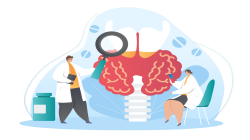
The Gut-Brain Connection: A Two-Way Street
The gut and brain are deeply interconnected, with the brain directly influencing the stomach and digestive system. At the same time, digestive issues can send signals back to the brain, meaning that stomach aches and discomfort can be both a cause and a result of anxiety, stress, or depression. This intricate relationship has led to a growing understanding of how nutrition plays a vital role in mental health.
The Gut is the Second Brain
The digestive tract contains a network of 100 million neurons, which is why the gut is often referred to as the “second brain.” Known as the enteric nervous system, this complex network manages the automatic functions of internal organs. It’s so advanced that it contains more nerve cells than the spinal cord and is one of the most complex systems outside the brain.
Inside our bodies, there are millions of bacteria, viruses, and fungi that make up the microbiome. These microbes live in the large intestine and begin to shape our health from birth, diversifying as we grow and consume different foods. Experts emphasize that the microbiome is a crucial organ and should be carefully maintained.
Trillions of Microbes Live in the Gut
There are over 1,000 species of bacteria in the human gut microbiome, each playing a significant role in overall well-being. These microbes produce more than 30 neurotransmitters, including serotonin, dopamine, and GABA, as well as short-chain fatty acids (SCFA) that influence brain function and may help regulate blood sugar levels and maintain a healthy weight.
Research from Stanford Medicine has shown that each person’s gut microbiome is as unique as their fingerprint. Factors such as birth method, age, diet, medications, and genetics all contribute to the composition of these microbes. While diet can impact the microbiome, it is not entirely modifiable, and scientists are still working to fully understand this complex system.
Researchers Discover a Link Between Microbiome and Inflammatory Diseases
Studies have revealed a direct connection between the gut microbiome and inflammatory diseases. One study found that diets high in processed and animal-based foods can lead to an imbalanced microbiome, while plant-rich diets promote a healthier gut. To reduce chronic inflammation and support a balanced gut flora, experts recommend choosing gut-friendly foods.
Diet Variety is Key to a Healthy Gut
Consuming ultra-processed foods consistently is not ideal for health. These products contain high amounts of saturated fat, trans-fat, added sugar, salt, and food additives that can negatively affect the gut and overall physical health. A gastroenterologist at PIH Health noted that these ingredients can alter gut microbes and increase the risk of inflammation and disease.
A diverse gut microbiome is linked to various health benefits, including a lower risk of heart disease, diabetes, depression, and irritable bowel syndrome. According to BBC Food, targeting your diet is one of the most effective ways to boost microbiome diversity. A dietitian recommends eating 30 different plants per week, ranging from fruits and vegetables to nuts, seeds, and spices.
Your Vagus Nerve is the Gut-Brain Connector
The vagus nerve, the longest cranial nerve in the body, connects the brain stem to the colon through the gut-brain axis. This nerve is essential for digestion, as it signals the stomach to secrete acid. If the vagus nerve isn’t functioning properly, it can prevent the body from absorbing nutrients from food. Breathing exercises, meditation, and physical activity can help support the vagus nerve and improve gut health.
Because of the gut-brain connection, stress can send signals to the stomach, causing symptoms like cramping, bloating, nausea, or pain. Chronic stress can also alter the gut microbiome and lead to serious digestive conditions, such as gastrointestinal reflux (GERD), peptic ulcer disease (PUD), and irritable bowel syndrome (IBS).
The Strong Link Between Gut Health and Mental Health
The gut-brain connection strongly influences mental health. Scientists have found that individuals with neurological conditions like autism, depression, ADHD, and bipolar disorder often experience gastrointestinal symptoms such as stomach pain, diarrhea, and constipation. Since diet plays a crucial role, consuming plenty of fiber and healthy fats is essential for maintaining a healthy gut.
You Can Improve Your Gut Microbes
Thankfully, gut microbes are responsive to change. There are several ways to strengthen your microbiome through dietary and lifestyle changes, including eating more vegetables, reducing sugar and processed foods, getting enough sleep, and engaging in regular exercise. A registered dietitian noted that changes in the gut microbiome can begin within days of adjusting your diet.