
The End of an Era for I’m a Celebrity…Get Me Out of Here!
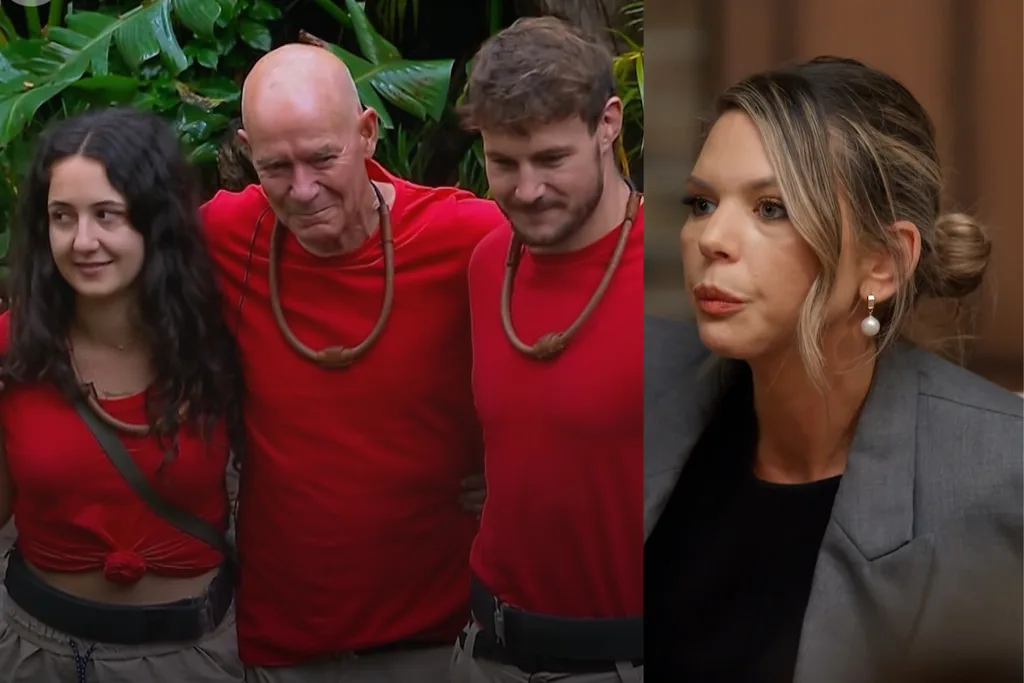
The iconic Australian television show, I’m a Celebrity…Get Me Out of Here!, has officially been put on hold for the 2027 season. This decision has sent shockwaves through the entertainment industry and left many fans disappointed. While the exact reasons behind this move are not entirely clear, there are several factors that have contributed to the show’s decline in popularity.
One major factor is the changing landscape of audience preferences. Viewers are increasingly turning away from traditional celebrity-driven formats and are instead gravitating towards shows that offer more raw, unfiltered content. This shift has been particularly evident in the success of programs like Married at First Sight (MAFS), which has dominated ratings on Channel Nine with an average of 2.76 million viewers per episode.
In contrast, I’m a Celebrity…Get Me Out of Here! has seen a significant drop in viewership, averaging between 500,000 and 570,000 viewers per episode. Between 2025 and 2026, the show experienced a decline of 180,000 average viewers per episode. This trend highlights a growing preference for content that emphasizes social conflict and emotional tension rather than the redemption arcs often associated with celebrity reality TV.
Why Are Audiences Turning Away?
Jaimie Bloch, Clinical Director of MindMovers Psychology, explained that shows like MAFS tap into fundamental aspects of human psychology. “People are naturally drawn to social conflict because our brains are wired to monitor relationships, group dynamics, betrayal, status, and emotional threat,” she said. “Reality TV amplifies these dynamics in an exaggerated but familiar setting.”
This insight suggests that audiences are seeking out content that feels authentic and emotionally engaging. The rise of social media has also played a role in shaping these preferences. Viewers now expect constant access to their favorite stars and demand authenticity, which has made traditional celebrity culture feel more performative.

The Impact of Changing Viewing Habits
The decision to rest I’m a Celebrity…Get Me Out of Here! for 2027 is not just about declining ratings; it reflects a broader shift in how audiences consume television. According to Jaimie, modern viewers want television to function as a live social experience rather than a passive one. Shows that generate immediate online reactions, memes, commentary, and real-time audience participation tend to feel more culturally relevant.
In contrast, slower or more traditional formats can struggle to maintain engagement in an always-connected media environment. This change in viewing habits has forced networks to rethink their strategies and explore new formats that resonate with contemporary audiences.
The Future of Reality TV
While the cancellation of I’m a Celebrity…Get Me Out of Here! for 2027 may seem like a setback, it could also be an opportunity for the industry to innovate. With audiences craving more unpredictable and less filtered content, there is a growing demand for shows that feature non-celebrities and highlight real-life challenges.
Jaimie noted that while some celebrity reality TV shows can still work, they need to appear authentic enough to engage viewers. “Viewers seem much more drawn to morally messy, conflict-driven stories where growth feels genuinely difficult, emotionally uncomfortable, and tied to lasting consequences,” she said.
This shift in audience preferences is likely to shape the future of reality television, with networks exploring new formats that prioritize authenticity, emotional depth, and audience interaction.
Conclusion
The resting of I’m a Celebrity…Get Me Out of Here! marks the end of an era for Australian television. However, it also signals a new direction for the industry as it adapts to changing audience preferences. With a growing appetite for more unpredictable and authentic content, the future of reality TV looks exciting and dynamic. As networks continue to evolve, they will need to embrace these changes to remain relevant in an ever-changing media landscape.