Toyota’s Dominance in Australia Faces New Challenges
Toyota has long been a dominant force in the Australian automotive market. For over a decade, it has maintained a strong presence, with nearly one in five new vehicles sold in 2025 being a Toyota. This success has made the brand seem untouchable, but recent trends suggest that even the most established brands can face challenges.
Signs of a Sales Slump
Despite its historical strength, Toyota is showing signs of a sales slowdown. In the first four months of 2026, sales have dropped by more than 20 per cent. The brand has also lost almost five per cent of its market share, falling to 15.9 per cent from over 20 per cent at the end of last year. While Toyota remains the top-selling brand in Australia, this decline is a clear warning that complacency could be costly.
Lessons from Holden’s Decline
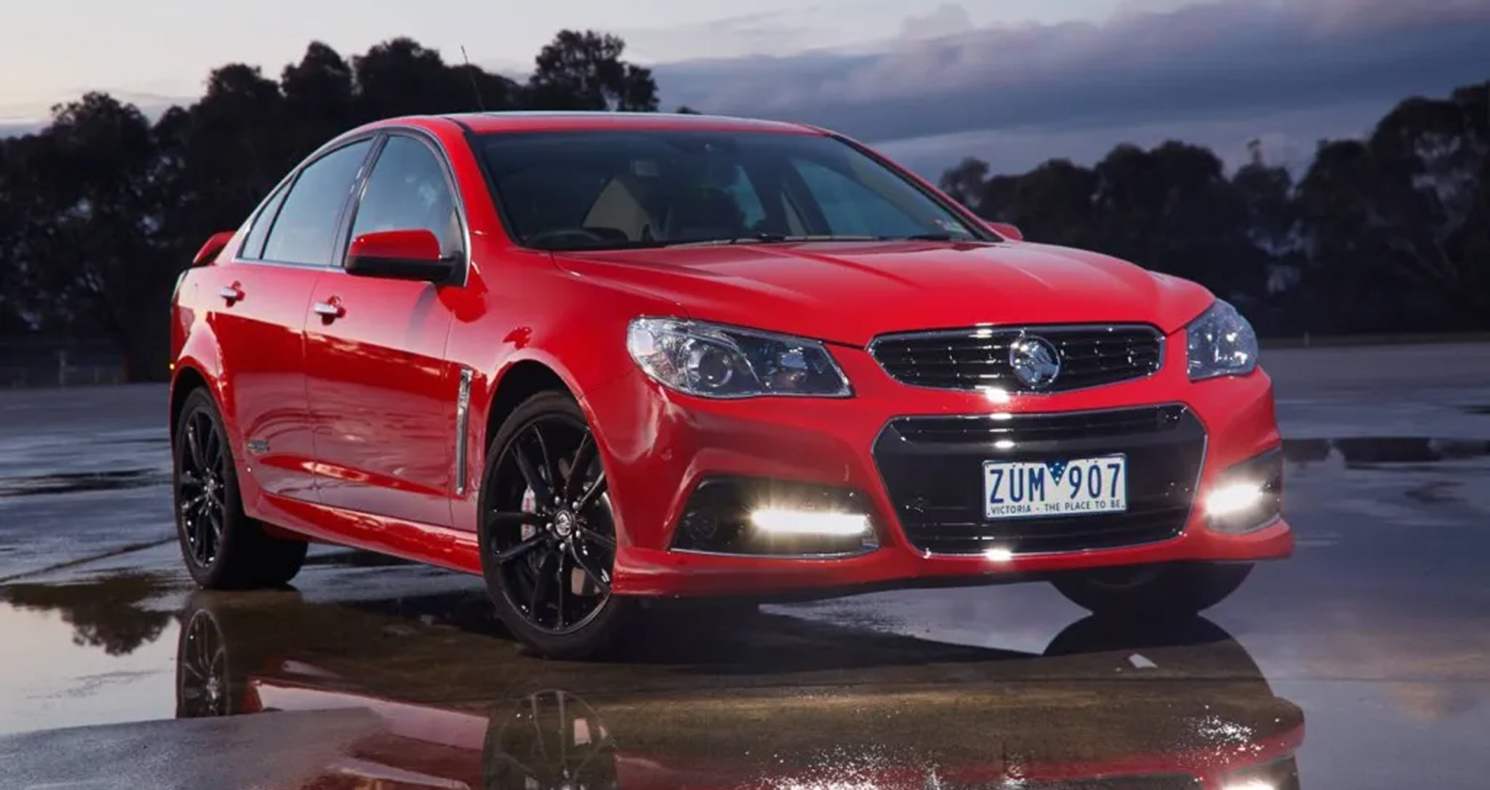
Holden’s downfall offers a cautionary tale for Toyota. Once a major player in the Australian market, Holden relied heavily on its brand reputation and failed to invest adequately in product development. Instead, it focused on re-badged models from Daewoo, which eventually led to a loss of consumer trust. Customers began seeking alternatives, often turning to Toyota for reliable and high-quality vehicles.
Recent Updates and Their Impact
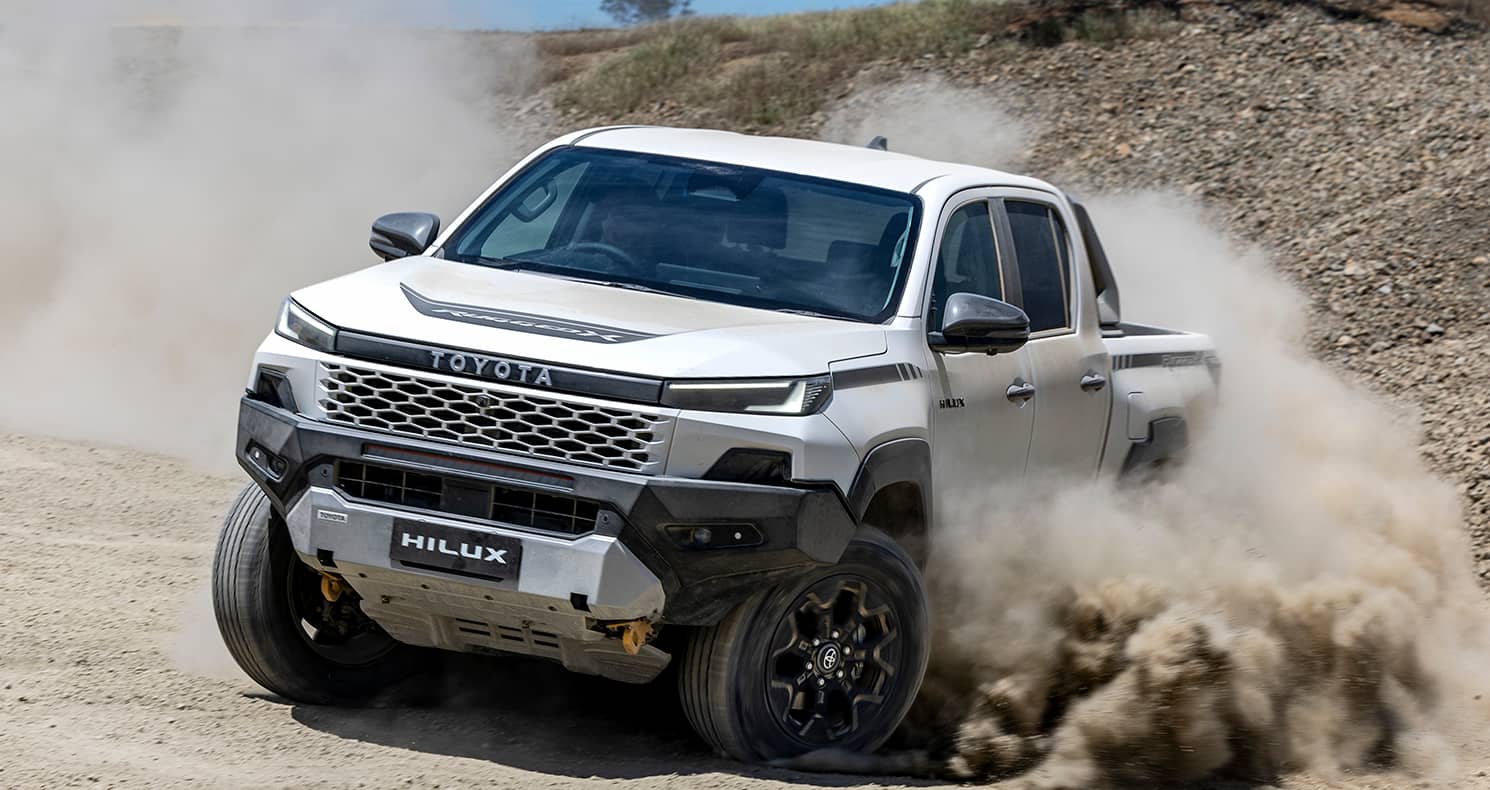
Toyota has taken a similar approach in recent years, focusing on updates rather than entirely new models. The 2026 RAV4, for example, is an updated version of the previous model but features a less powerful hybrid engine that requires more expensive premium unleaded petrol for only marginal fuel economy improvements. Similarly, the HiLux, a beloved ute, continues to use the same basic architecture that dates back to the mid-2000s, while newer models like the Prado and Tundra have adopted more modern platforms.
Sales Performance of Key Models
The impact of these updates is evident in the sales figures of some of Toyota’s key models. The Corolla is down 17.7%, the Yaris Cross has slumped 29%, and the Prado has seen a drop of more than 40%. Even the RAV4, which experienced a significant drop due to the transition to the new model, and the HiLux, which is down 11.1%, are struggling. The 70 Series LandCruiser, once a sales powerhouse, has also seen a sharp decline, down 52.7 per cent in 2026.
Emerging Competition from Chinese Brands
While Toyota faces internal challenges, external competition is growing. Chinese automakers such as BYD, Chery, and GWM are gaining traction in the Australian market. BYD has more than doubled its market share in the first four months of 2026 compared to 2025, while Chery has nearly doubled its share over the same period. These brands are offering competitive pricing and a wide range of hybrid and electric vehicles, making them attractive options for Australian consumers.
The Rise of Electric Vehicles
BYD’s success is driven by the popularity of its all-electric Sealion 7 SUV and the ongoing sales strength of the Shark 6 plug-in hybrid ute. These models are backed by an expanding line-up of hybrid and electric vehicles at highly competitive prices. This shift towards electrification is forcing Toyota to reconsider its strategy, as it must keep pace with the changing demands of the market.
A Need for Strategic Change
While Toyota is not in immediate danger of collapsing like Holden did, it must act to reverse its sales decline. Relying on past success is no longer sufficient. Toyota needs to take bigger risks and invest in innovative technologies to stay ahead of the competition. The lessons from Holden’s decline and the rise of new competitors highlight the importance of continuous improvement and adaptation.
Conclusion
Toyota’s dominance in the Australian market is under threat, and the brand must respond to these challenges proactively. By investing in new technologies, updating its product lineup, and addressing the evolving preferences of consumers, Toyota can maintain its position as a leading automotive brand. However, failure to adapt could lead to a decline similar to what Holden experienced, underscoring the need for strategic change and innovation.