Nasa Unveils Ambitious Plans for a Lunar Base
NASA has announced bold plans for its first lunar base, which could see humans living and working on the Moon within six years. The base, located at the Moon’s south pole, will be developed in phases, with the goal of eventually spanning hundreds of square miles. This approach aims to build capabilities over time, ensuring a gradual but steady progression towards long-term lunar habitation.
The project is designed to unlock new scientific discoveries and develop technologies essential for future deep space missions, including potential trips to Mars. The initiative follows the record-breaking flyby of the Moon by the Artemis II crew in April, marking a significant step towards a future lunar landing.
Phased Approach to Building the Base
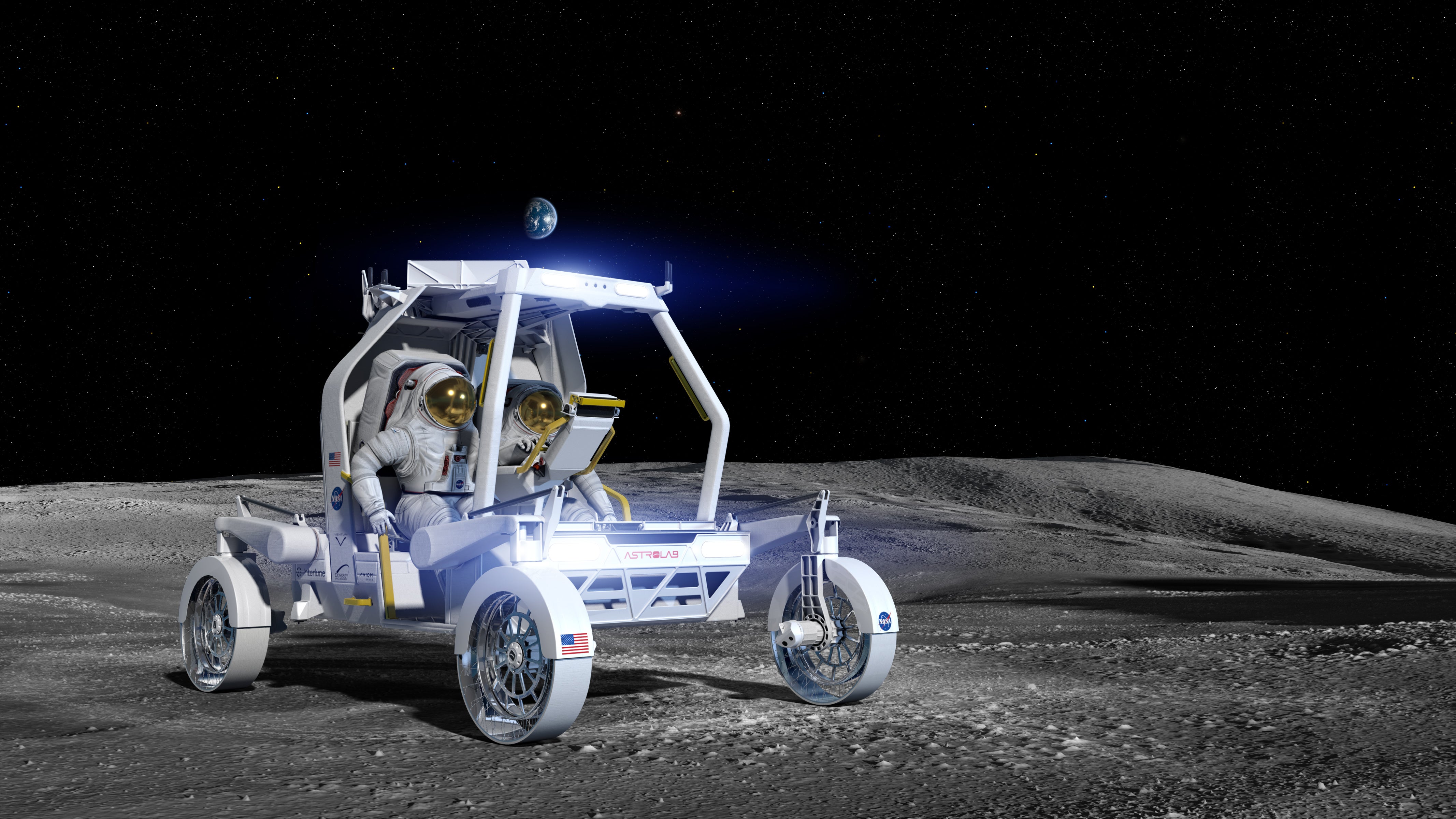
The first stage of the plan, from now until 2029, involves robotic missions to scout the lunar region, test technologies, and prepare for surface operations. This includes deploying drones to explore and map the challenging terrain, as well as remote and crewed lunar vehicles capable of performing tasks in the harsh environment.
This phase will also provide an opportunity to demonstrate commercial lunar landing capabilities and the delivery of payloads needed for the base’s development. These efforts are crucial for laying the groundwork for future human presence on the Moon.
From 2029 to 2032, the second phase will focus on early habitation and creating a semi-permanent infrastructure. This will involve testing technologies that could lead to the use of nuclear power systems on the lunar surface. Pressurized rover vehicles will also be used, allowing astronauts to work in shirt-sleeve conditions for up to 30 days while conducting experiments.
In the third and final phase, starting in 2032, the goal is to maintain a continuous human presence on the Moon with routine crew rotations. This will include larger habitation modules with expanded environmental control, power, and life support systems, as well as large-scale uncrewed cargo return capabilities from the Moon to Earth.
Strategic Location: The South Pole
The lunar South Pole was chosen as the base location due to its strategic and scientific importance. Unlike other parts of the Moon, this region receives extended sunlight and shorter periods of darkness, providing more consistent solar power generation and stable temperatures for exploration systems.
Challenges and Motivations
NASA Chief Jared Isaacman emphasized the excitement surrounding the moon base and the “grand return” to the lunar surface. He highlighted the importance of inspiring the next generation and advancing technology for future missions.
Isaacman noted the extreme conditions on the Moon, where temperatures can range from over 121°C in sunlight to below -128°C in darkness. Permanently shaded craters can reach temperatures below -240°C. He explained that the lack of atmosphere leaves the surface exposed to radiation, solar particle events, and meteorite impacts.
Despite these challenges, Isaacman stressed the importance of the mission, stating that the technologies and knowledge gained will benefit life on Earth and prepare humanity for future exploration.
Commitment to Lunar Exploration
Vowing to “never give up the moon again,” Isaacman expressed confidence in NASA’s ability to achieve its goals. He emphasized the importance of moving forward with competence and purpose, ensuring that the missions undertaken are among the most ambitious ever attempted.
Dr. Lori Glaze, from NASA’s exploration systems development mission directorate, praised the success of the Artemis II mission, which has taken NASA from proving what is possible to making the extraordinary routine. She highlighted the significance of returning to deep space and testing NASA’s capabilities.
Carlos Garcia-Galan, the Moon base programme executive, described the vision of a base spanning hundreds of square miles, with various assets contributing to a permanent lunar presence.
Future Vision
During a Q&A session, Isaacman mentioned the possibility of having multiple outposts on the Moon, including the use of caves for shelter. He emphasized the inspiration this project will bring to the next generation and the importance of learning the skills necessary for future missions, such as landing on Mars.
The lunar base represents a significant step forward in humanity’s quest for exploration, combining scientific discovery, technological advancement, and the spirit of perseverance. With a clear vision and determined effort, NASA is paving the way for a new era of lunar and deep space exploration.