A New Era of Lunar Exploration
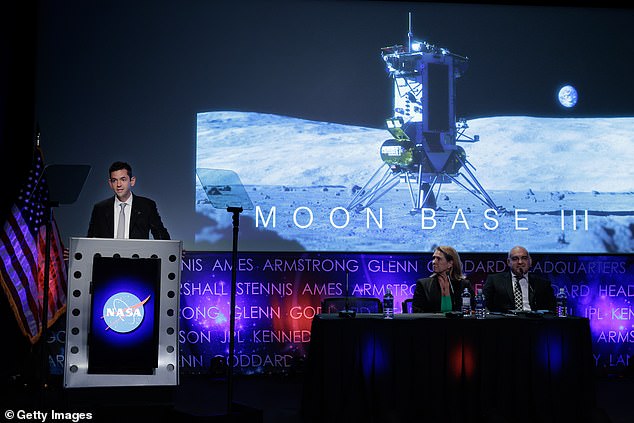
NASA has taken a bold step towards the future by unveiling plans to construct a city-sized moon base within the next six years. This ambitious project, which could cost up to $20 billion, aims to establish a permanent human presence on the Moon. The announcement was made by NASA Administrator Jarred Isaacman, who described the initiative as “one of the most ambitious engineering and exploration efforts in human history.”
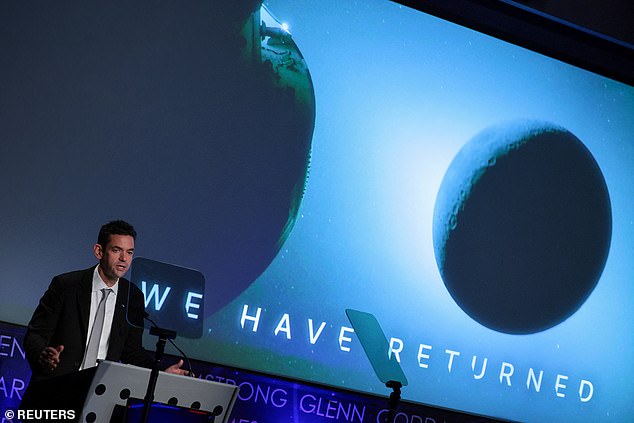
“America is returning to the moon,” Isaacman stated during a press conference. “And this time, to stay.” His words signal a shift from previous lunar missions, which were primarily focused on short-term exploration. Instead, this new endeavor emphasizes long-term habitation and scientific research.
The Roadmap for the Lunar Colony
Isaacman outlined a detailed three-stage timeline for the lunar colony, with the ultimate goal of establishing a permanent base by 2032. The first stage, known as the ‘Learn, Test, Build’ phase, will begin later this year and continue until 2029. During this period, NASA aims to oversee an increasing number of commercial lunar missions to scout potential landing areas and test new technology.
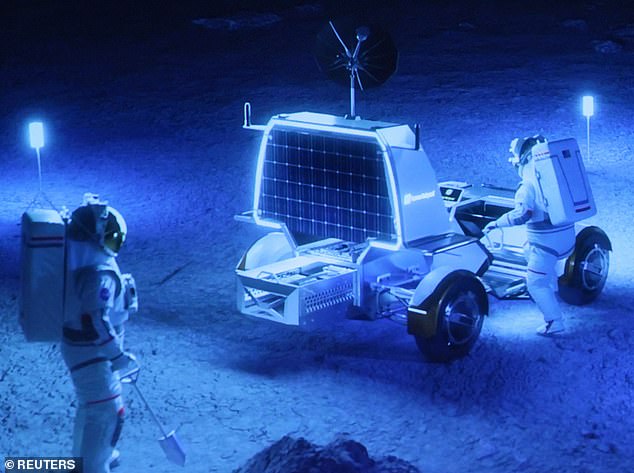
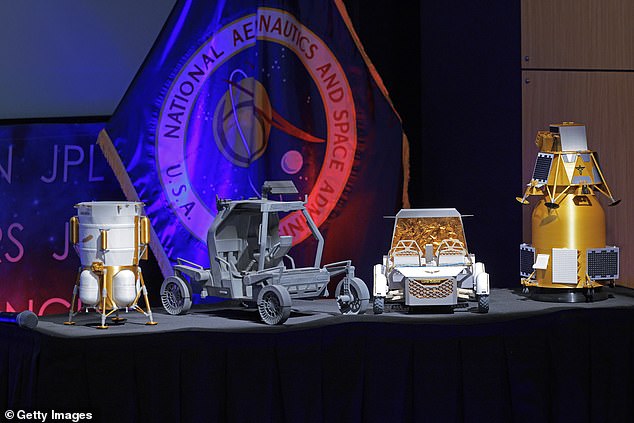
This phase will kick off with the launch of Blue Origin’s Blue Moon Mark 1 lander, Endurance, which is expected to touch down near the Moon’s South Pole on the rim of the Shackleton crater. The mission will deliver scientific equipment and test the lander’s capabilities. Following this, in the later months of 2026, NASA will use Astrobotic’s Griffin lander and Intuitive Machines’ Nova–C Trinity lander to send a rover built by Astrolab.
By the end of this first stage, NASA plans to deploy a fleet of MoonFall helicopter drones and uncrewed rovers to scout the South Pole region for water and other resources. This will lay the groundwork for future human missions.
The Early Habitation Phase
From 2029 to 2032, NASA will enter the ‘Early Habitation’ phase, sending the first human crews to live on the lunar surface. This phase will involve the delivery of up to 60 tons of cargo through as many as 24 landings, building out the nascent moon base’s basic infrastructure. NASA also plans to introduce the first nuclear power systems to provide a reliable energy source for the lunar outpost.
Astronauts may even be sent pressurized rovers, allowing them to work outside their space suits for up to 30 days while exploring the South Pole region. This will significantly enhance their ability to conduct scientific research and explore the lunar environment.
The Road to Mars
In 2032, NASA will transition into the final ‘Sustained Human Presence’ phase, establishing a permanent base with routine crew rotations and established infrastructure. Isaacman emphasized that the moon base is not just about exploration but also about preparing for future missions to Mars. “We are moving with the competence and the purpose to accomplish the missions that only NASA is capable of achieving,” he said.
The latest plans come a month after four astronauts on the Artemis II craft achieved record feats during their ten-day mission, notably traveling deeper into space than any human had gone before. This mission marks a significant milestone in NASA’s journey towards interplanetary exploration.
Beyond Flags and Footprints
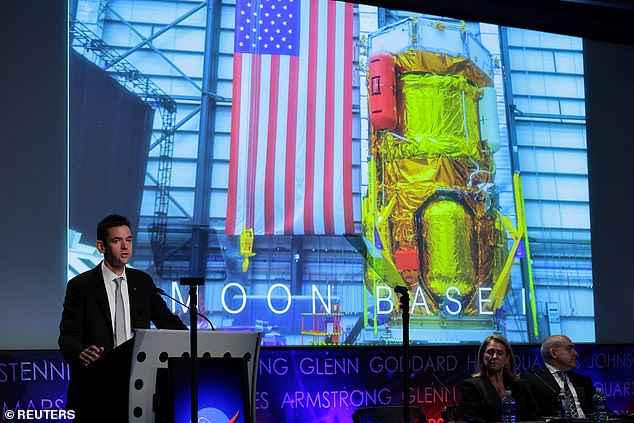
Dr. Lori Glaze of NASA’s exploration systems development mission directorate highlighted the importance of the moon base as a home base for the Artemis crew. “Moon base will be home base for our Artemis crew and will encompass long-duration stays, expanded robotic and human capabilities, and an enduring presence on the lunar surface,” she said.
With the moon base, Artemis astronauts will stay longer, explore farther, and conduct the kinds of science that advance exploration itself. This includes understanding how humans operate off-world, how we build infrastructure, and how we prepare for Mars.
A New Approach to Space Exploration
NASA has been accelerating its lunar program, which serves as a stepping stone toward the agency’s ultimate goal of sending crews to live on Mars. This effort involves a major restructuring of the agency’s organizational structure to “accelerate mission delivery.” This includes a significant push towards using a wider range of commercial enterprises to provide rockets, landers, and probes for scientific missions.
On Monday, Blue Origin won the first contract of the project to make lunar terrain vehicles in a deal worth $188 million, which could rise to $270 million. Isaacman stressed that the goal of the moon base is to encourage a lunar economy as well as simultaneously conducting scientific research and working toward a Mars expedition.
Looking Ahead
As NASA moves forward with its ambitious plans, the moon base represents a new era of exploration and innovation. With the support of commercial partners and the dedication of its team, NASA is poised to achieve what was once thought impossible. “For those waiting patiently, the grand return is close at hand and we will not slow down,” Isaacman added. “We are really just getting started.”