Australia’s Top Spy Agency Issues Warning on Discussing Classified Information in Vehicles
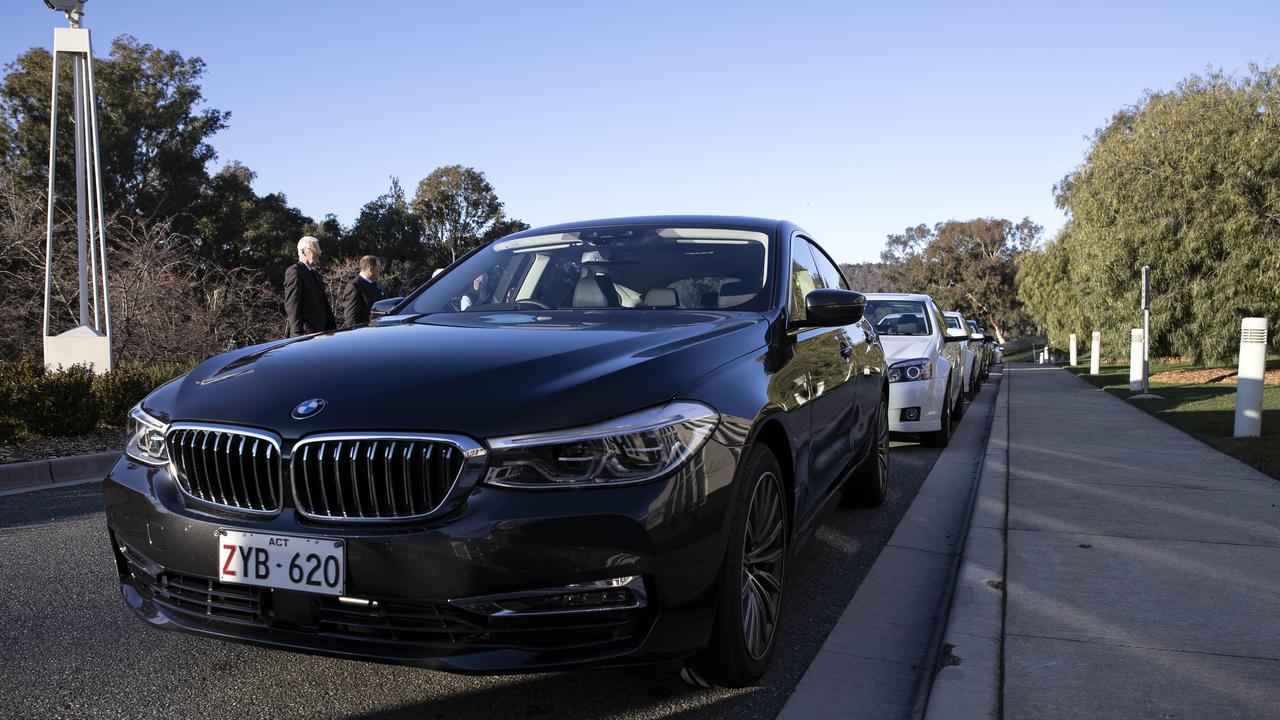
Australia’s top intelligence agency, the Australian Security Intelligence Organisation (ASIO), has issued a warning to public servants and politicians about the risks of discussing classified information in vehicles, particularly those connected to the internet. The concern stems from the increasing prevalence of internet-connected cars and the potential for electronic eavesdropping.
Rise of Internet-Connected Vehicles in Australia
The adoption of internet-connected vehicles is growing rapidly in Australia. According to data from Austroads, it is expected that 93 per cent of all new vehicles will be connected by 2031. By 2021, there were already 1.2 million such vehicles on Australian roads.
These vehicles typically connect to smartphones or have built-in SIM cards that allow them to access the internet. This connectivity enables the vehicle to communicate with other devices, offering a range of features:
- Remote access or control
- Over-the-air software updates
- Infotainment screens
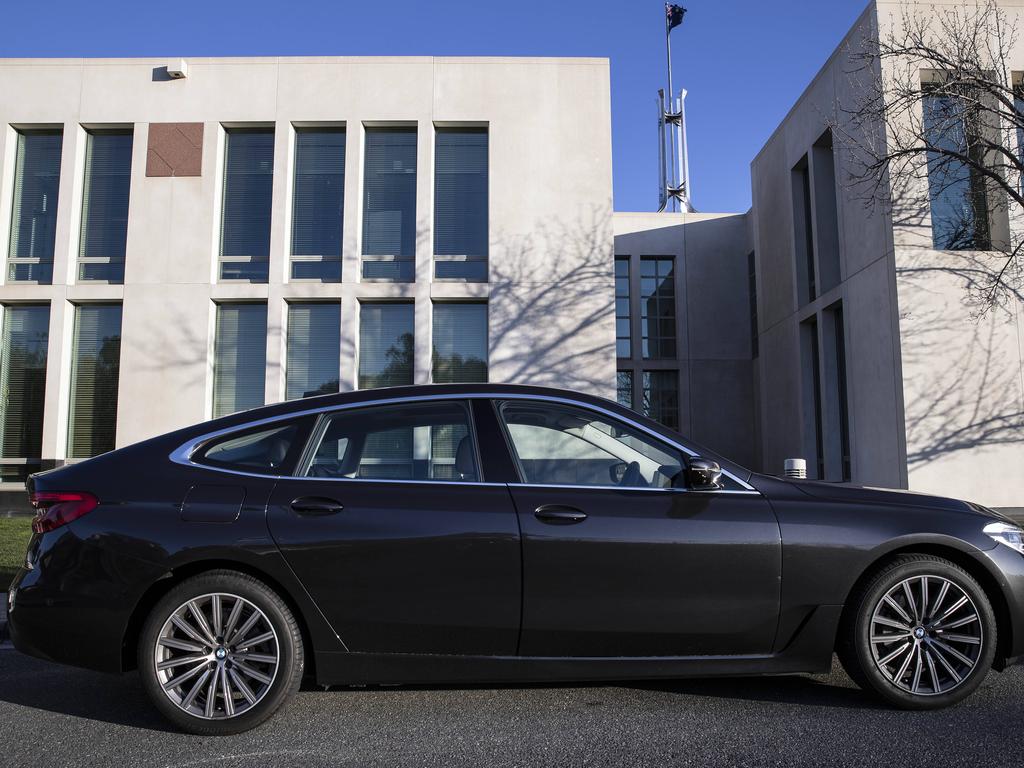
These advanced features are not only popular among everyday drivers but are also available as options for federal parliamentarians under their taxpayer-funded car allowance.
ASIO’s Warning on Sensitive Conversations
During a Senate estimates hearing, ASIO deputy general Lisa Alonso Love was asked whether members of parliament should avoid driving in Chinese-made vehicles. While the warning was not specifically directed at any particular manufacturer, she emphasized that sensitive or classified information should not be discussed outside designated secure locations.
“In relation to any vehicle, whether it’s connected or not, we would suggest that members of parliament or public servants do not have conversations that contain sensitive or classified information,” Ms Alonso Love stated.
She added that while connected cars may present additional risks, such discussions should always occur in secure environments.
“Obviously, a connected car may have other vectors to gather that information, but those conversations should only ever happen in places that are set up for classified conversations. And we would say that people should be conscious of the things that they are discussing in vehicles, knowing that people may be able to get that information.”
Cybersecurity Risks Posed by Connected Cars
The Australian Signals Directorate (ASD) has highlighted the varying levels of cybersecurity risks associated with internet-connected vehicles. Advanced telematics systems in these cars can capture a wide range of data, which is then transmitted to manufacturers or third-party service providers.
This data can include:
- External and internal images and audio
- Smartphone usage, including call and text logs, contacts, and calendar events
- GPS usage and driving behavior metrics
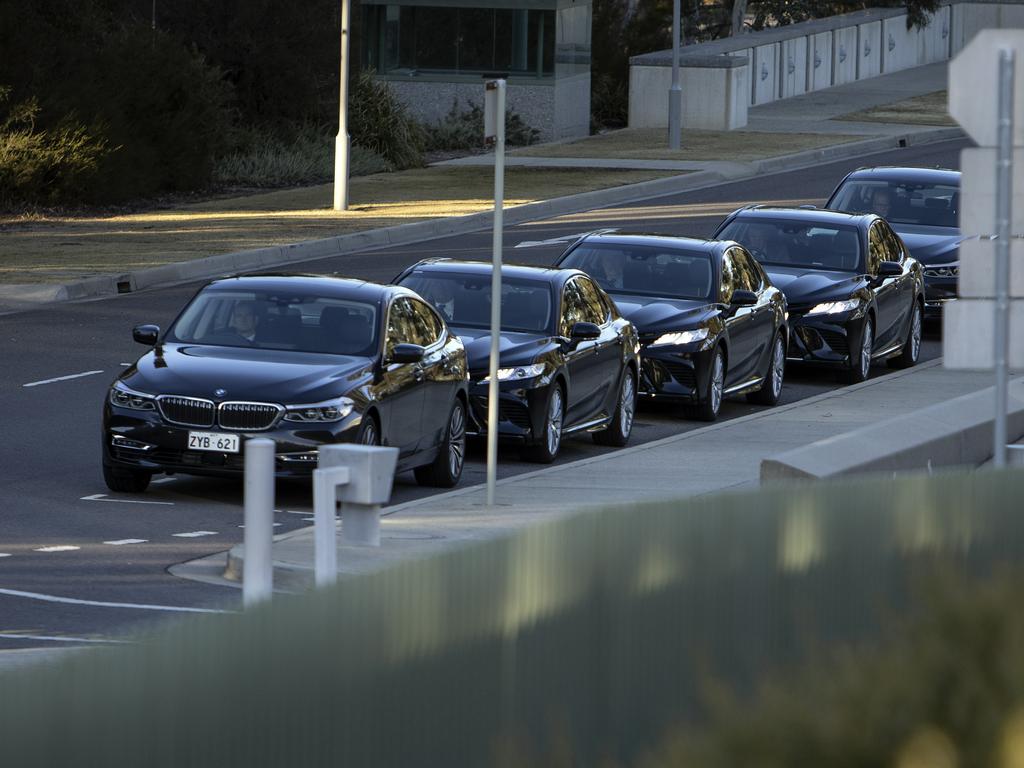
The ASD warns that this information may be stored overseas, where Australian data protection laws do not apply. This raises concerns about the security and privacy of personal and potentially sensitive information.
Conclusion
As internet-connected vehicles become more common in Australia, the risks associated with their use must be carefully considered. With the potential for electronic eavesdropping and data breaches, it is crucial for public servants and politicians to remain vigilant when discussing sensitive or classified information. The warnings from ASIO and the ASD highlight the importance of maintaining secure communication practices, especially in environments that may not be designed for such conversations.