The Most Exclusive WhatsApp Group on Earth
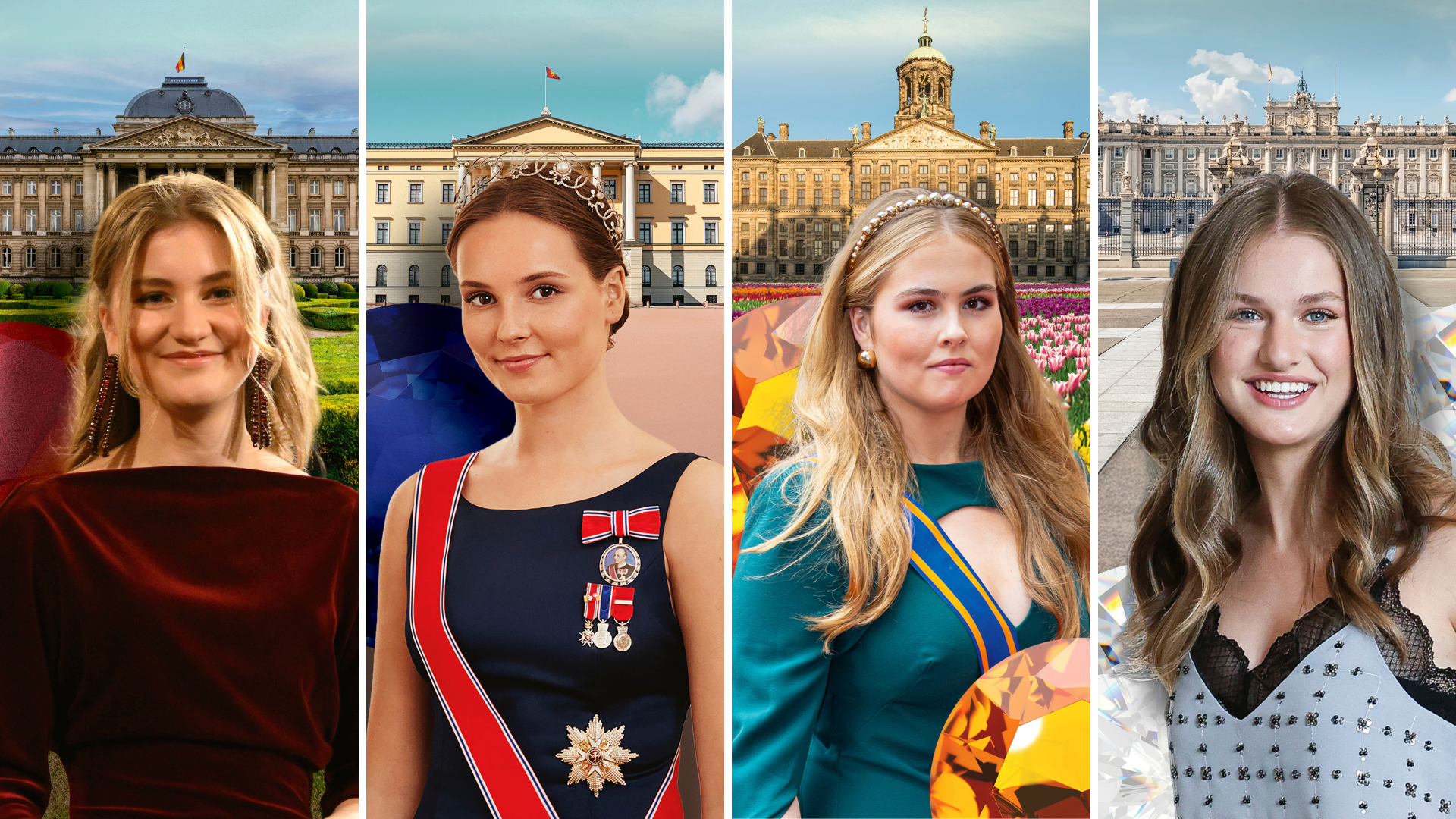
In the digital age, where social media dominates communication, there exists a unique and exclusive group of young women who are set to become the future queens of Europe. This WhatsApp group is not open to just anyone; it requires specific criteria: being young, female, and an heir to the throne of a European kingdom. The members of this closely guarded chat include Princess Elisabeth of Belgium, 23, Princess Ingrid Alexandra of Norway, 21, and Catharina-Amalia, Princess of Orange, heir to the throne of the Netherlands, 21. Princess Leonor of Spain, 19, may also be part of the group. These Gen-Z princesses are preparing for their roles as regents, navigating the complexities of friendship, privacy, and public life.
A Royal Support Network
According to Wim Dehandschutter, a European royal correspondent, these future queens use the encrypted app to discuss various aspects of their lives. They share thoughts on how to balance their duties with personal aspirations and the challenges of maintaining privacy in the public eye. Catharina-Amalia emphasized the importance of this safe space, highlighting that they understand each other’s experiences without needing much explanation.
Education and Privilege
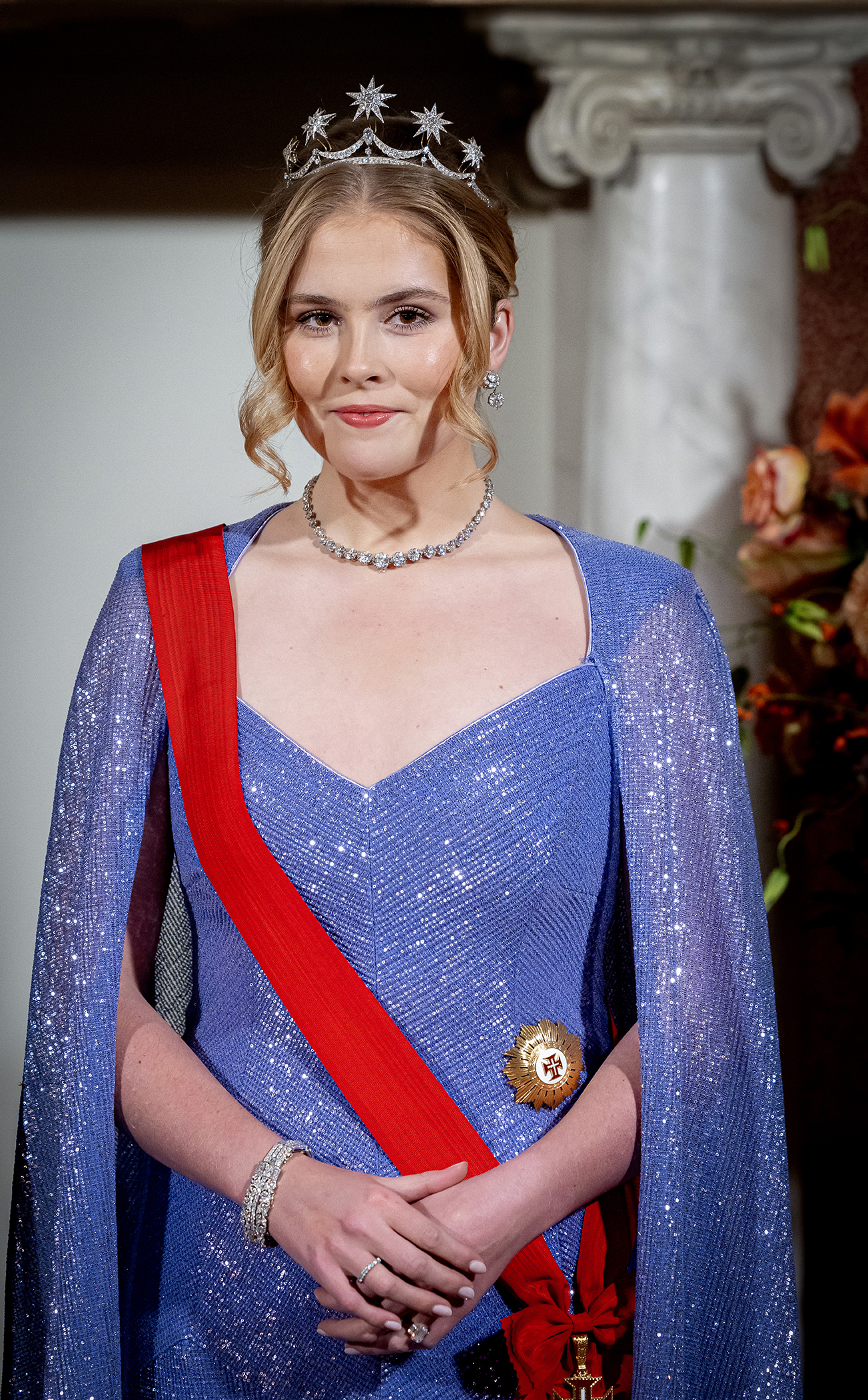
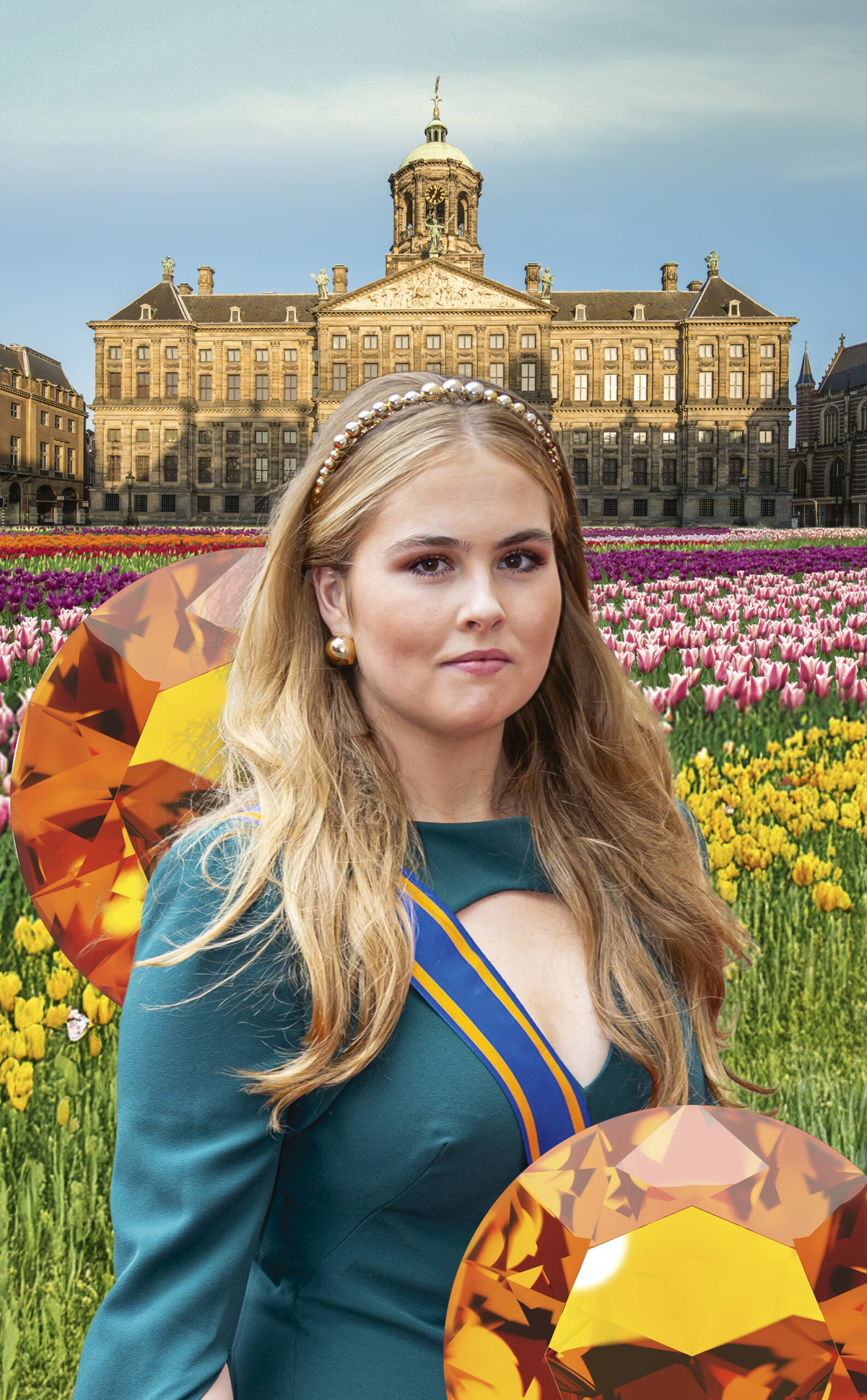
The young women have been educated at prestigious institutions. All but Princess Ingrid attended UWC Atlantic, a boarding school in a 12th-century Welsh castle where King Charles III studied. Their lives are marked by privilege, yet they face scrutiny from the media and the public. In 2022, Catharina-Amalia had to leave her student accommodation in Amsterdam after authorities intercepted communications involving her name, leading to fears of a kidnapping plot.
Inherited Challenges
As heirs to symbolic monarchies funded by taxpayers, these princesses face questions about the relevance of royalty in modern times. Independence movements in Spain and Belgium often oppose them. The Economist once questioned the purpose of monarchies, comparing them to the human appendix, whose function is unclear today.

Scandals and Popularity
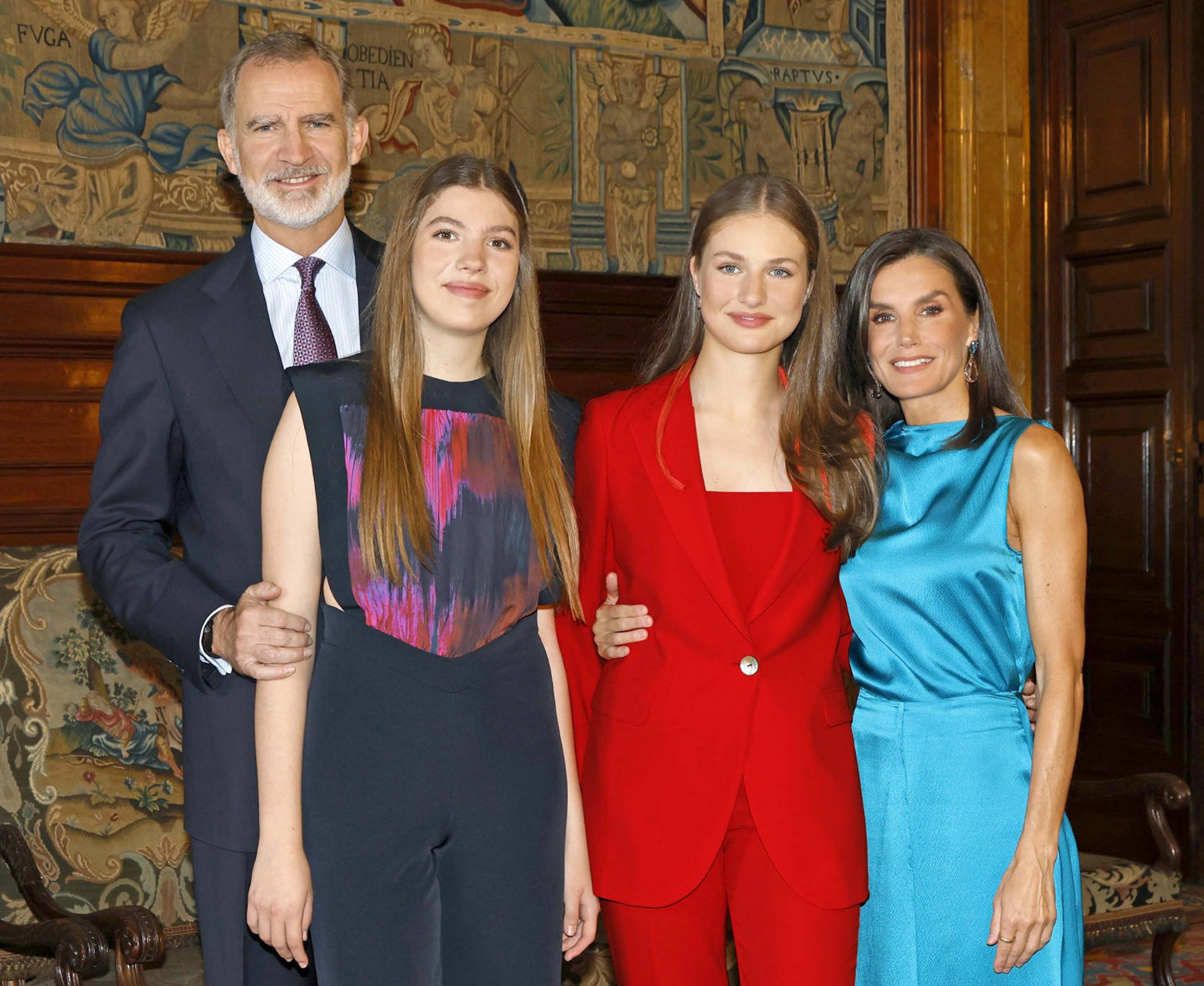
Scandals have affected the popularity of monarchies. In Spain, the reputation of the crown was damaged by the affair of ex-King Juan Carlos with Corinna zu Sayn-Wittgenstein-Sayn. Princess Leonor’s father, King Felipe VI, has worked to repair the family’s image. Despite this, Leonor remains popular, with “Leonor-mania” gripping the country when she turned 18.
Nation Divided
Belgium’s royal family faces tensions between its Flemish-Dutch speaking and French-speaking populations. The royal family is seen as a unifying institution, but it is not always popular. King Philippe is not considered charismatic, and his engagement to Mathilde in 1999 was met with faint praise.

Queens in Training
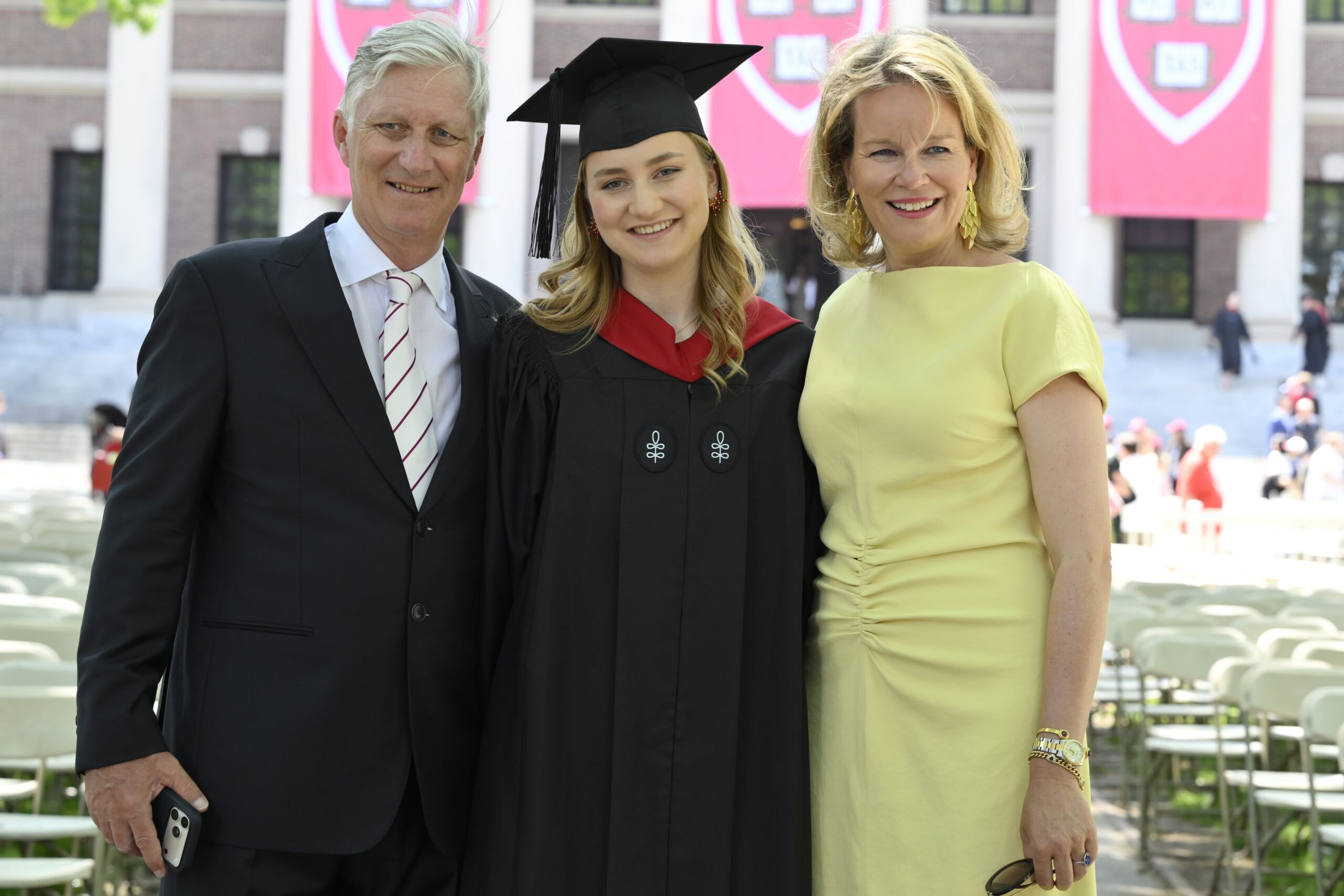
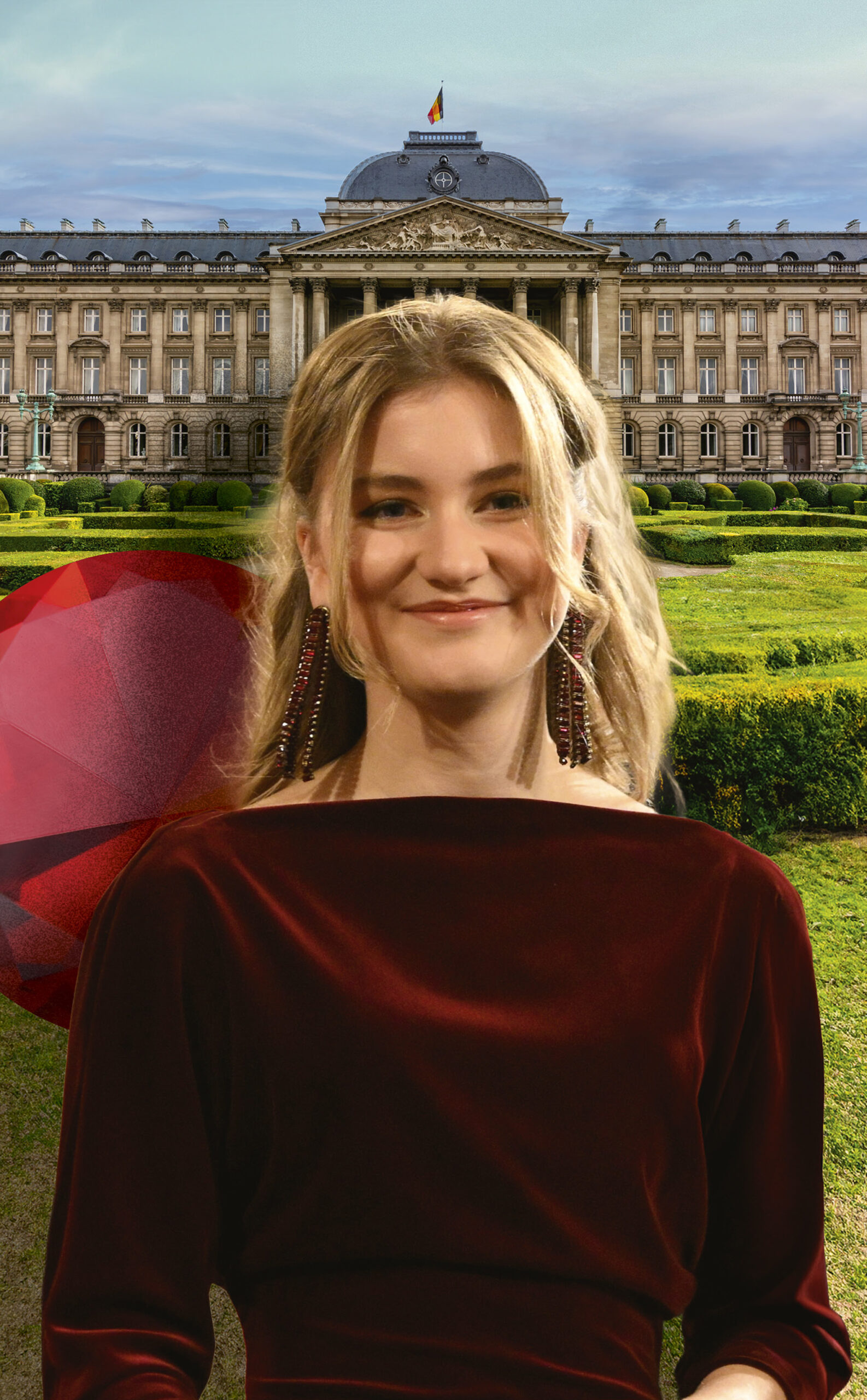
Princess Elisabeth, currently studying at Harvard University’s Kennedy School, is seen as the X-factor of the Belgian monarchy. She is fluent in multiple languages and has received honors, including a Fulbright Program award. After completing her studies, she will take a year off before beginning her duties, a period of anonymity that her parents support.
Born to Rule
Princess Ingrid Alexandra is completing her military service in Norway and is an elite surfer. She will study international relations and political economy at the University of Sydney. Known as “the badass princess,” she is atypical among her peers, making some strange remarks and not caring about traditional expectations.

Managing Scandal
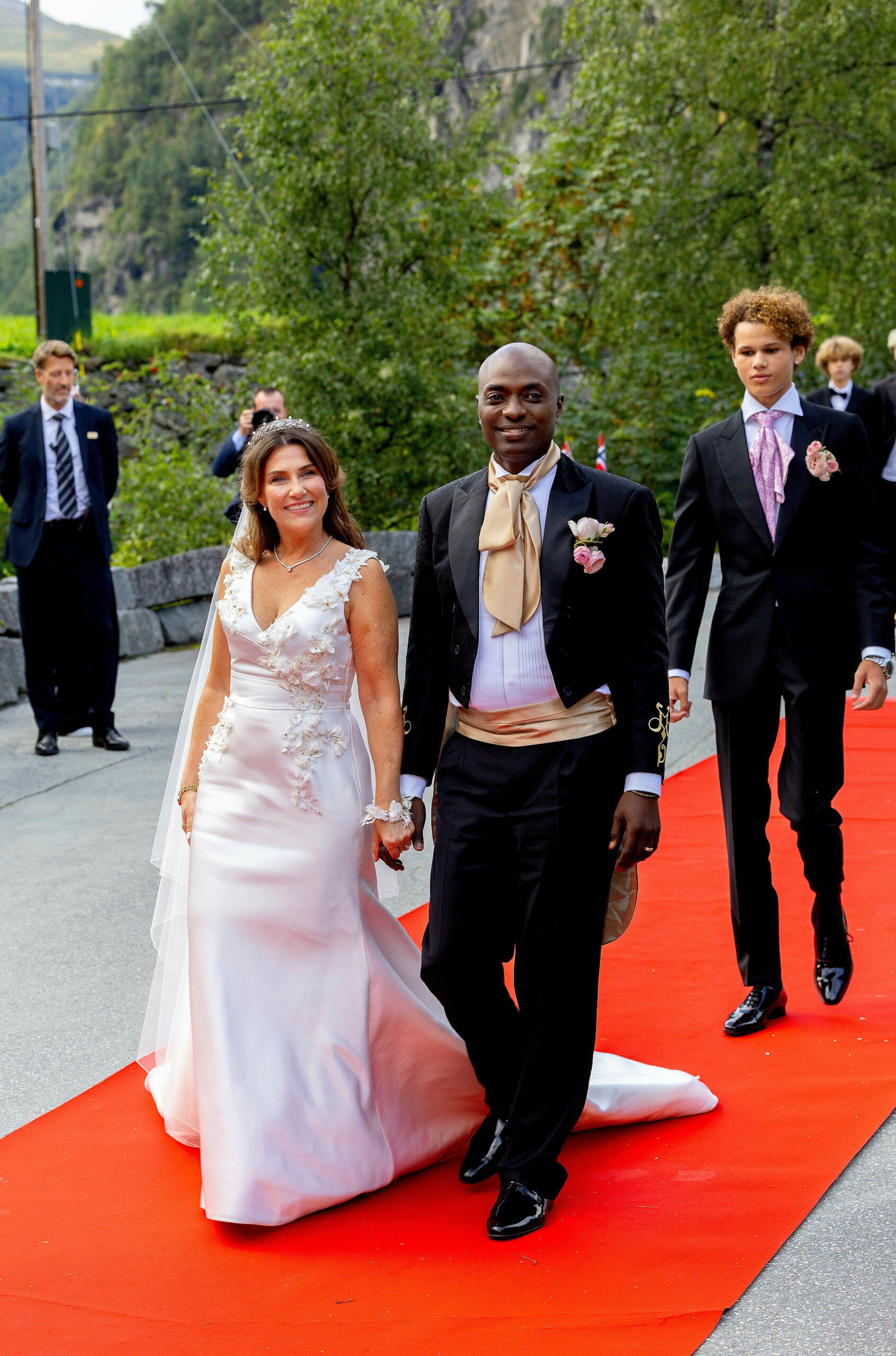
The Norwegian monarchy faced a crisis when Ingrid’s half-brother, Marius Borg Høiby, was arrested on suspicion of rape. This incident highlighted the challenges the monarchy faces. In the Netherlands, the Princess of Orange has shown more nous than her father, refusing her annual royal allowance until she is an active crown princess.
Mother Figures
All four princesses were raised by mothers who held normal jobs before becoming queen. Their upbringing has shaped their approach to their future roles. They will transition from university into life as working royals, with responsibilities including leading trade missions and finding suitable partners to secure the monarchy.

Modern Rulers
The future queens face numerous challenges, including the question of same-sex royal unions. While some countries have declared that a lesbian can remain queen, issues around succession remain complex. As they navigate their roles, they rely on their support network, sharing experiences and advice on handling media attention and raising children in a golden cage.
The Future of Monarchies
These young women represent the future of ancient institutions in modern worlds. Their WhatsApp group serves as a vital support system, helping them manage the unique pressures of their positions. As they prepare to lead, their actions and choices will shape the legacy of their respective nations.