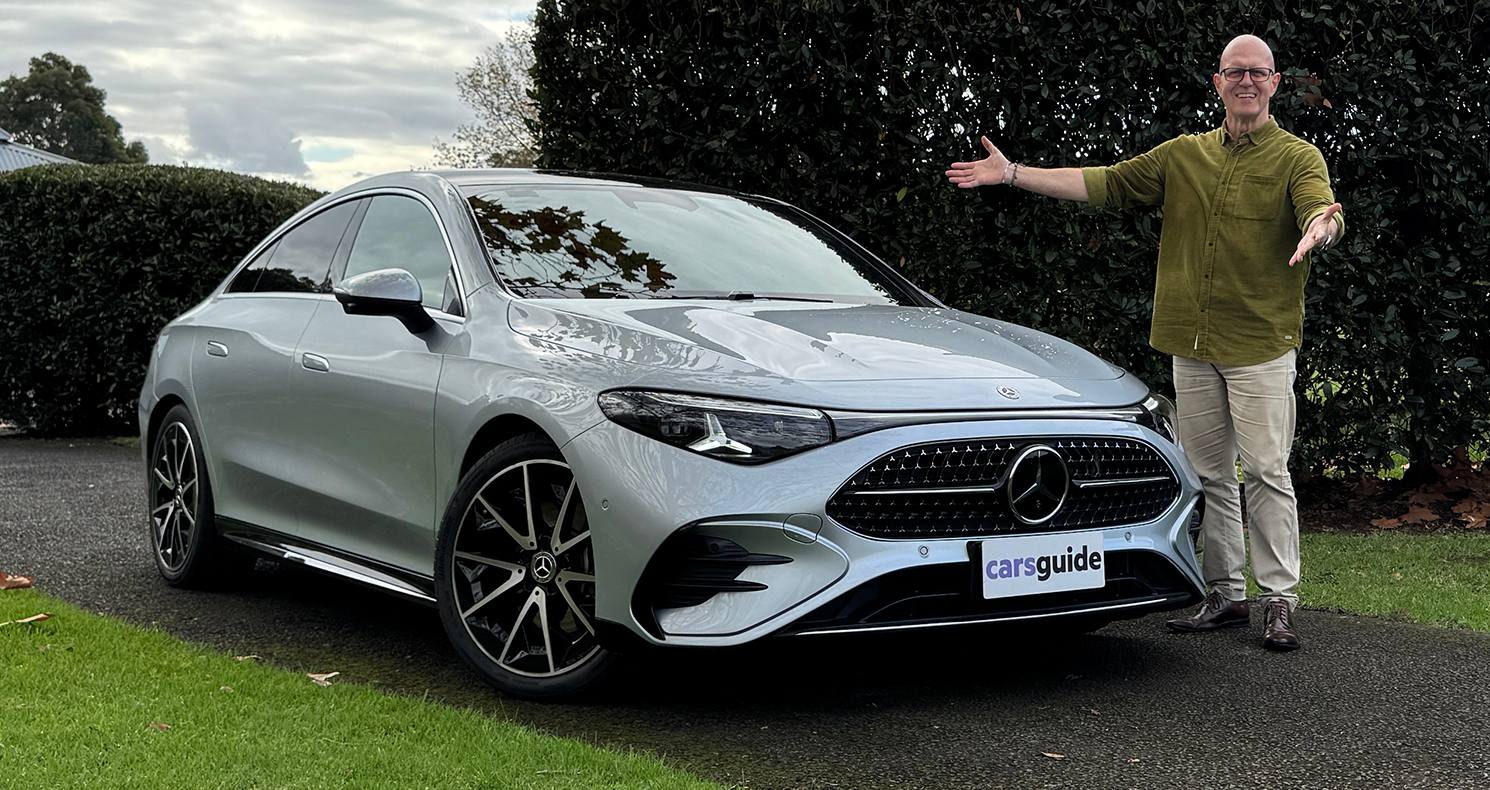
Mercedes-Benz has repositioned its CLA compact coupe-style sedan from a supporting role to a leading one with the introduction of this all-new, third-generation model. This vehicle exemplifies the German automaker’s approach to multiple powertrain options, expanding the local lineup from two pure-combustion variants to a five-model range that includes three hybrid and two pure-electric options.
CarsGuide was invited to test the hybrid version of the new model, with the EVs set to arrive in July. Stay tuned to see if this sleek four-door premium European compact sedan is the right choice for you.
New special edition variants of the 2026 Mercedes-Benz E-300 and E53 AMG have arrived in Australia, aiming to compete with the BMW 5-Series and M5.
The larger the screen, the less appealing it seems: Why modern car interior design is losing impact and appeal, as shown by the 2027 Mercedes-Benz C-Class EV | Opinion
The new Mercedes-Benz C-Class EV boasts more than 750km of driving range as it prepares to challenge the 2026 BMW i3 and Tesla Model 3.
Price and Features – Does it represent good value for the price? What features does it come with? 7 / 10
The Mercedes CLA starts at $66,500 for the entry-level 180, with two other hybrids above it—the CLA200 at $68,100 and the CLA220 4Matic at $84,300, before on-road costs. For those preferring pure-electric options, the CLA200 electric will cost $72,200, while the flagship CLA350 4Matic electric is priced at $91,300. This places the range in a similar price bracket as its German ‘Big Three’ rivals, the Audi A3/S3 sedan and BMW 2 Series Gran Coupe.
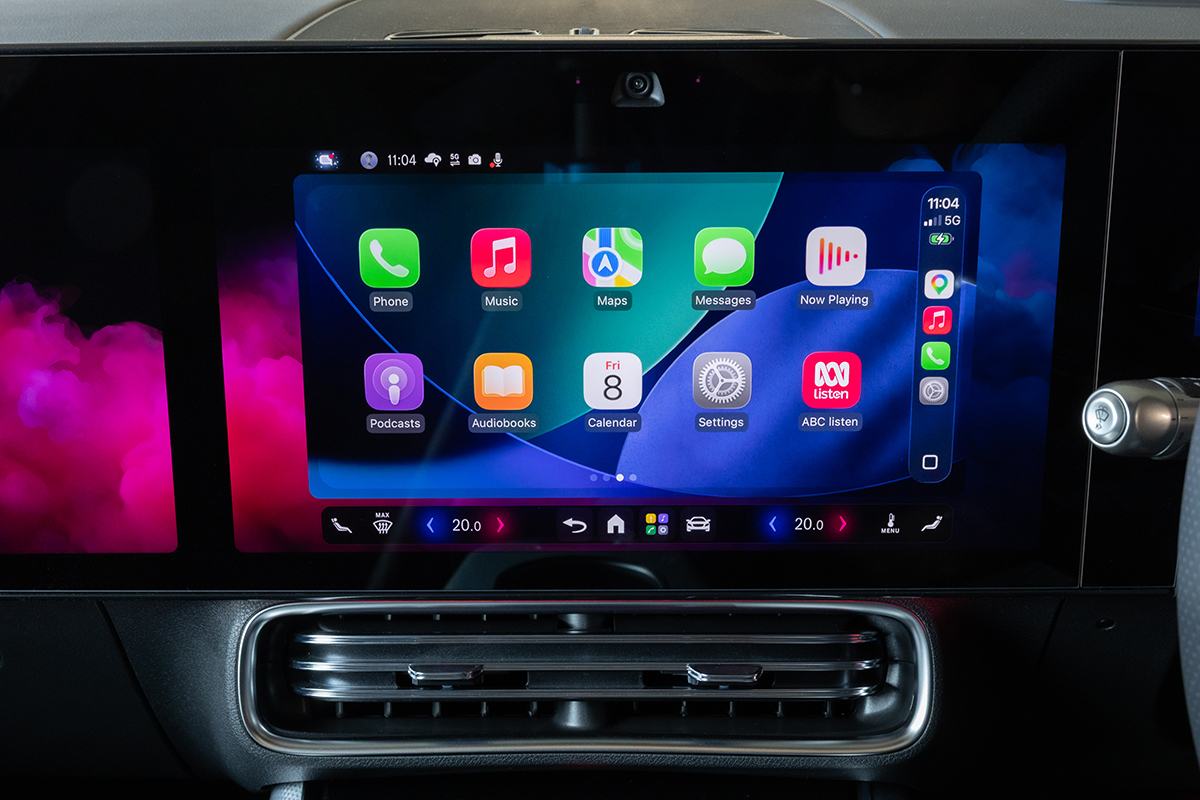
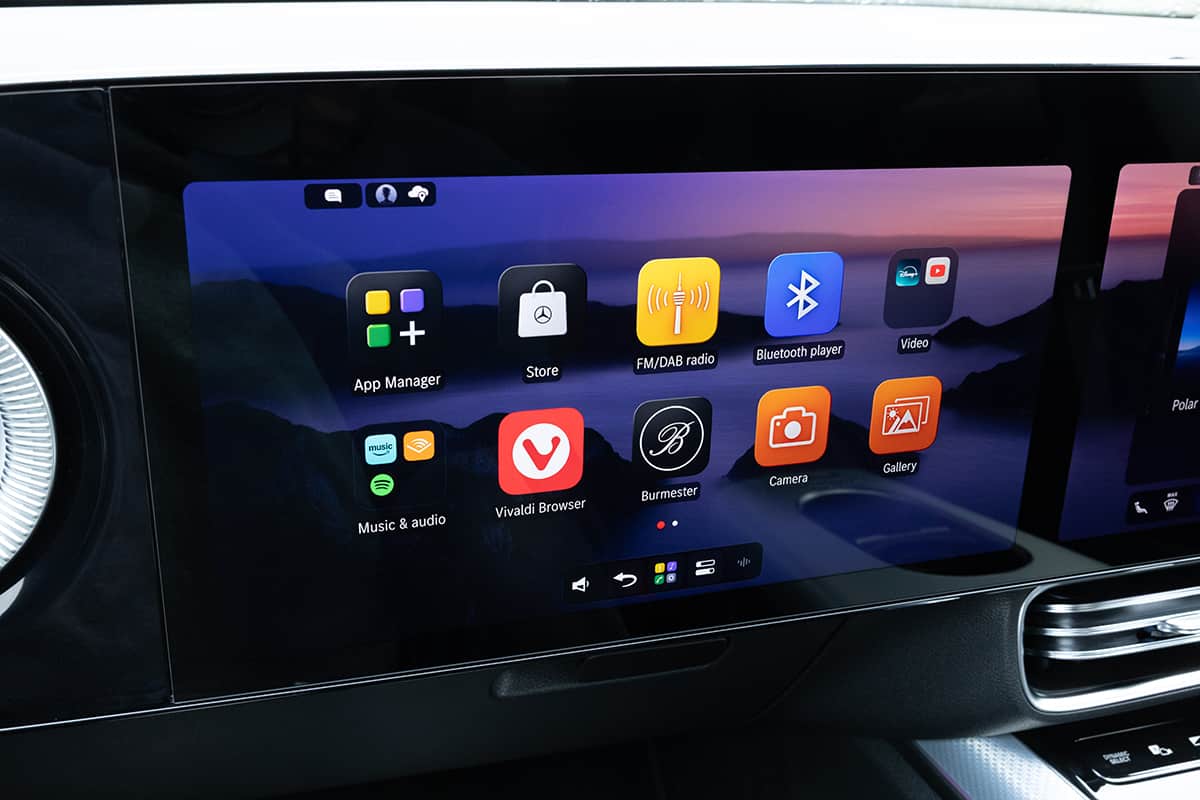
In addition to the safety and performance technology we’ll discuss shortly, the CLA180 comes standard with heated power front seats, synthetic leather trim, a fixed panoramic glass roof, ambient lighting, high-performance LED headlights, keyless entry and start, park assist, 18-inch alloys, and metallic paint. The AI-powered assistant integrates ChatGPT, Google Gemini, and Bing technologies.
Moving up to the CLA200 adds AMG Line elements, including different (still 18-inch) rims, sports seats, synthetic leather and synthetic suede trim, a multi-function sports steering wheel, carbon-grain aluminium trim pieces, AMG body styling, and what Mercedes refers to as a ‘sporty engine sound’ driven through the audio system.
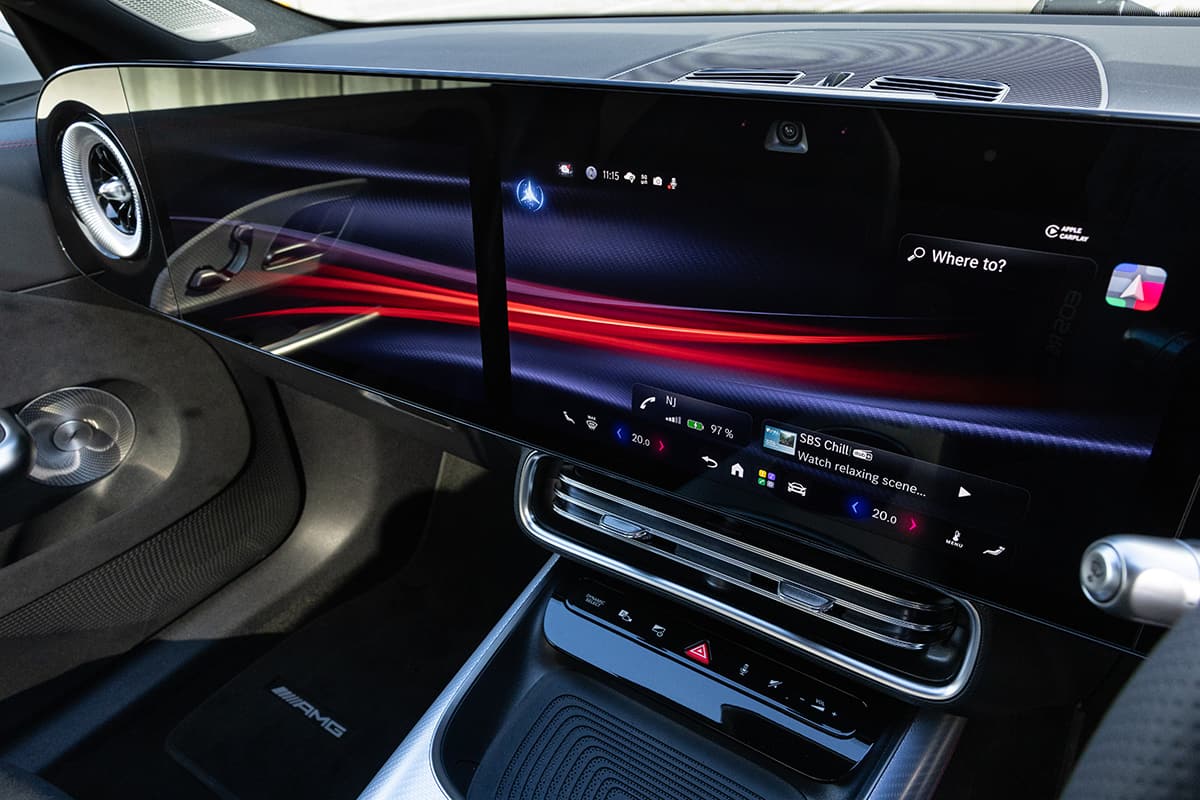
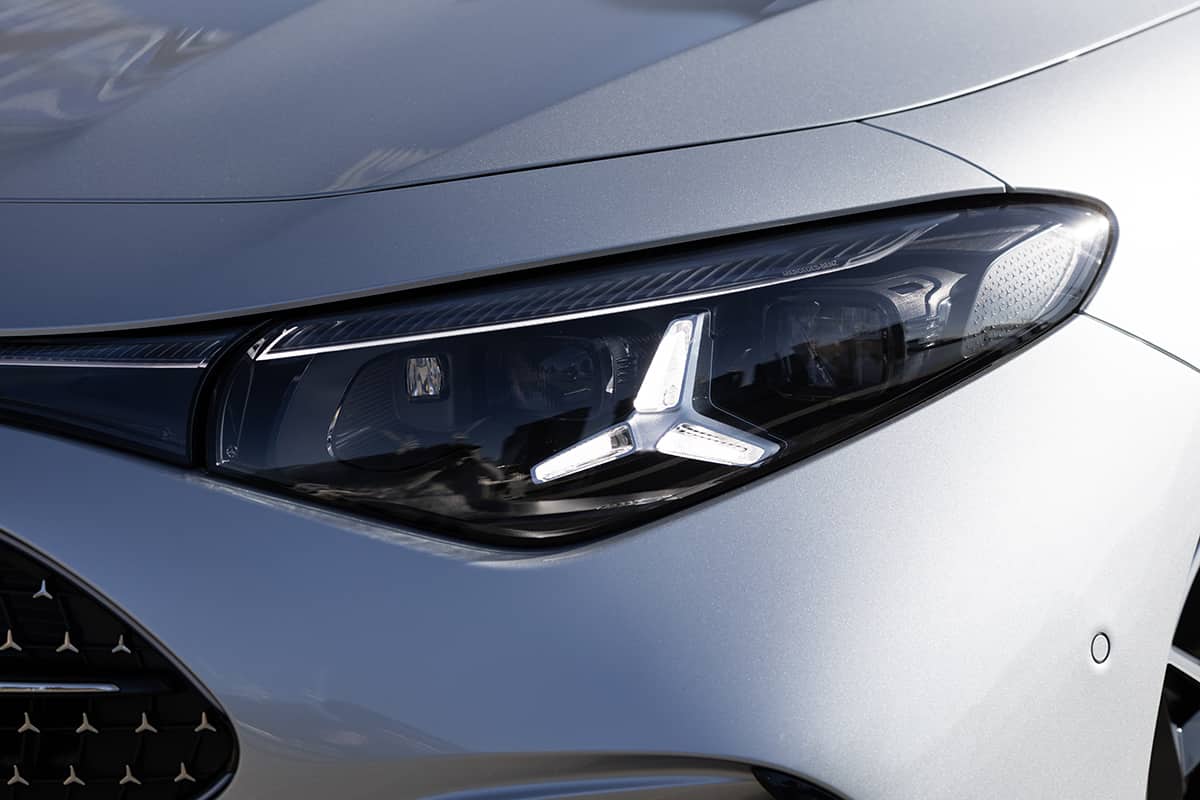
The CLA220 4Matic also includes the ‘MBUX Superscreen’ (combining a 10.25-inch driver display and 14-inch central media touchscreen), a rear light strip, 16-speaker, 850W Burmester 3D surround audio, ‘Multibeam’ LED headlights, 19-inch AMG rims, a head-up display, hands-free boot functionality, and privacy glass.
The CLA200 electric’s specification is largely similar to its hybrid counterpart, while the CLA350 4Matic electric matches its dual-motor performance with larger 19-inch wheels. Overall, the included features are decent but not class-leading for the segment.
There are two option packages available. The ‘Premium’ bundle essentially offers the standard specification of the CLA220 4Matic, so it is free on that grade but adds $1800 to the hybrid or electric CLA200 and $2340 (including LCT) to the CLA350 4Matic electric.
Similarly, the ‘Sport’ package consisting of privacy glass and 19-inch rims is standard on the CLA220 4Matic but adds $1200 to the price tag on the CLA200 (hybrid or electric).
Design – Is there anything interesting about its design? 8 / 10
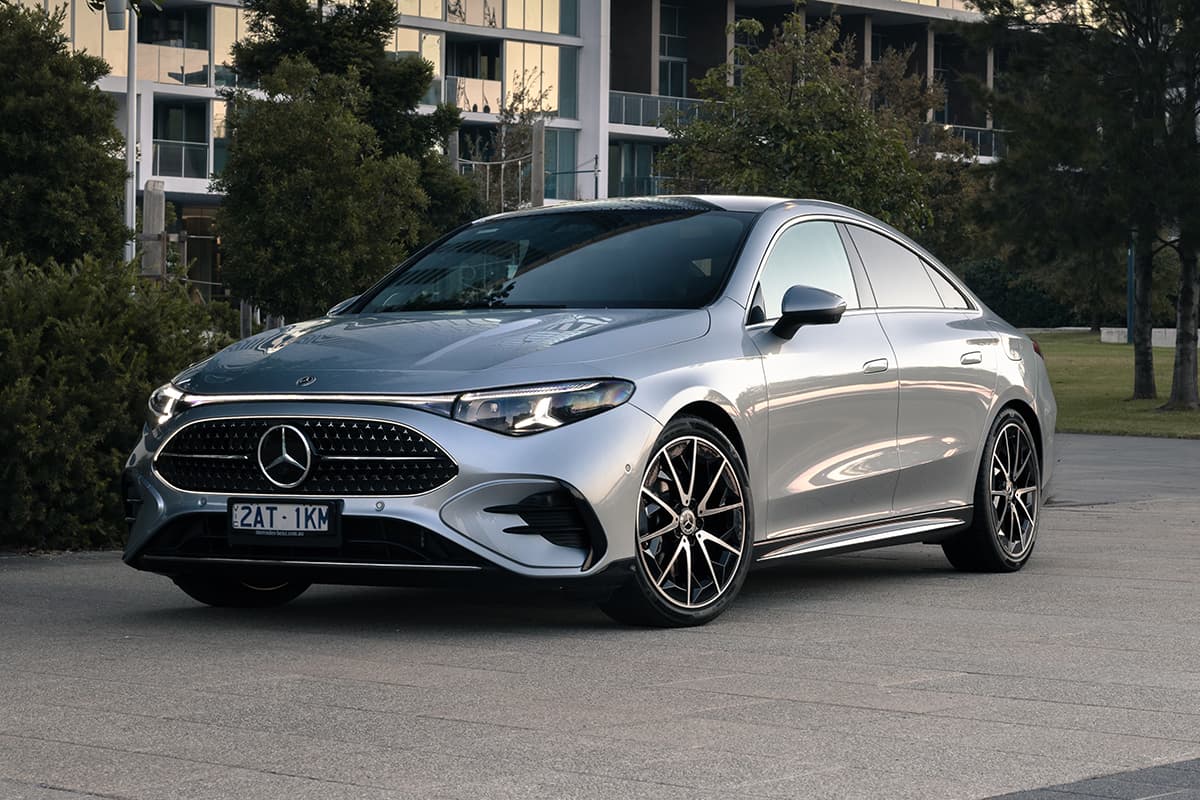
In an impressive feat of aerodynamic fine-tuning, Mercedes-Benz design and engineering teams have managed to make an already slippery car even more efficient with this new CLA, dropping the car’s drag coefficient from 0.23 to an impressive 0.21.
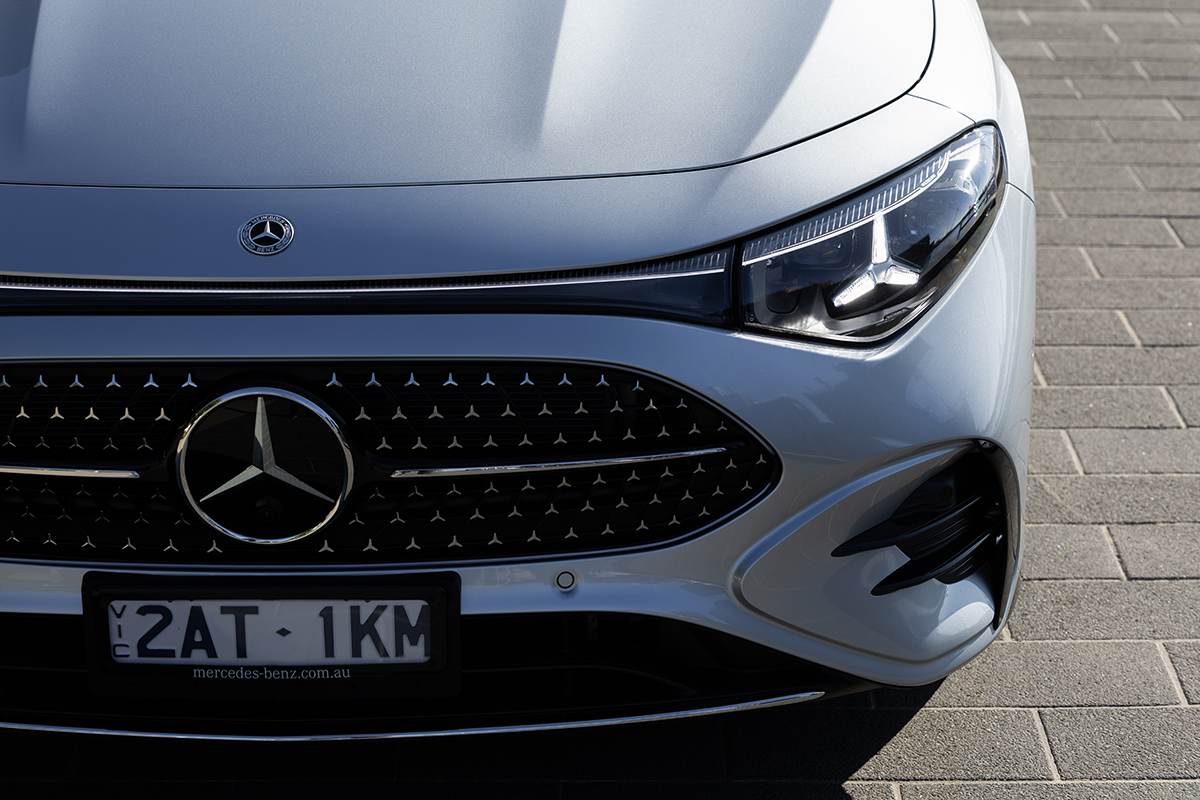
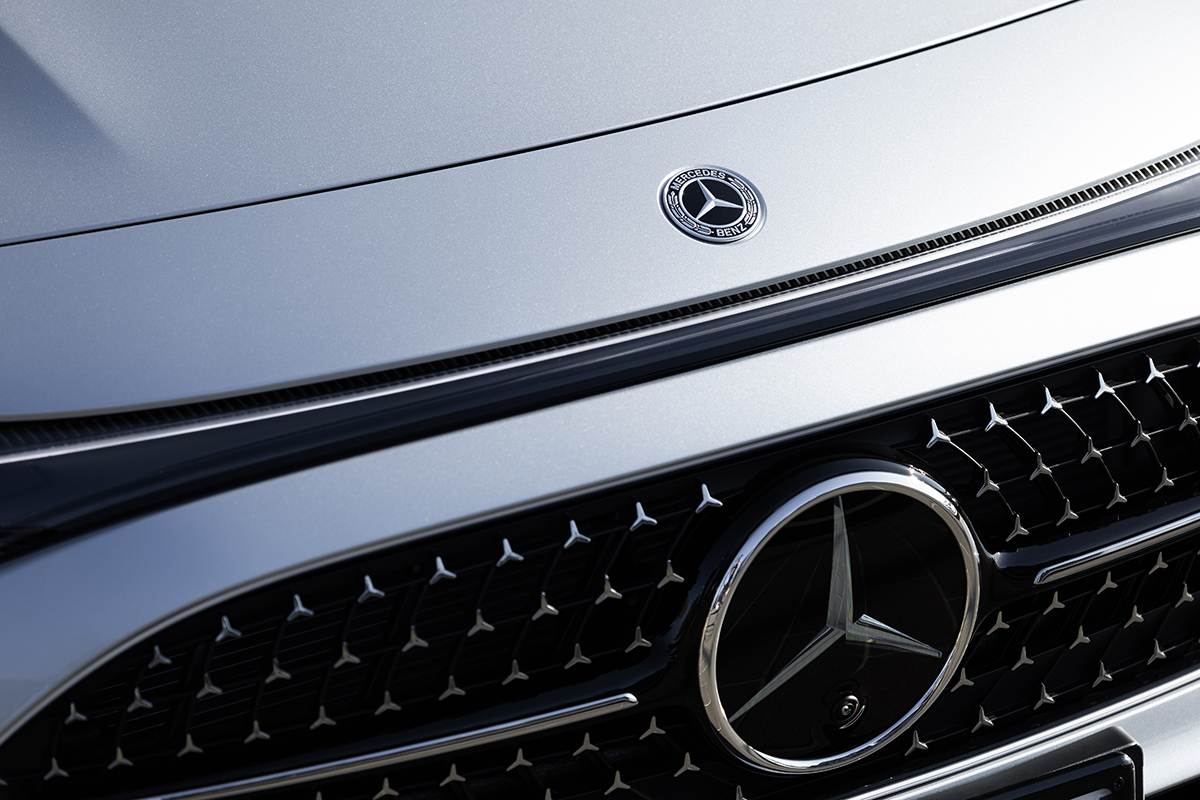
The sloping, coupe-style profile remains a signature of the CLA, complete with frameless doors, flush door handles, and aero wheels. Hybrid variants feature a conventional radiator grille decorated with a Mercedes-Benz star pattern in chrome and illuminated around its perimeter, while the EVs have a fully illuminated LED grille display.
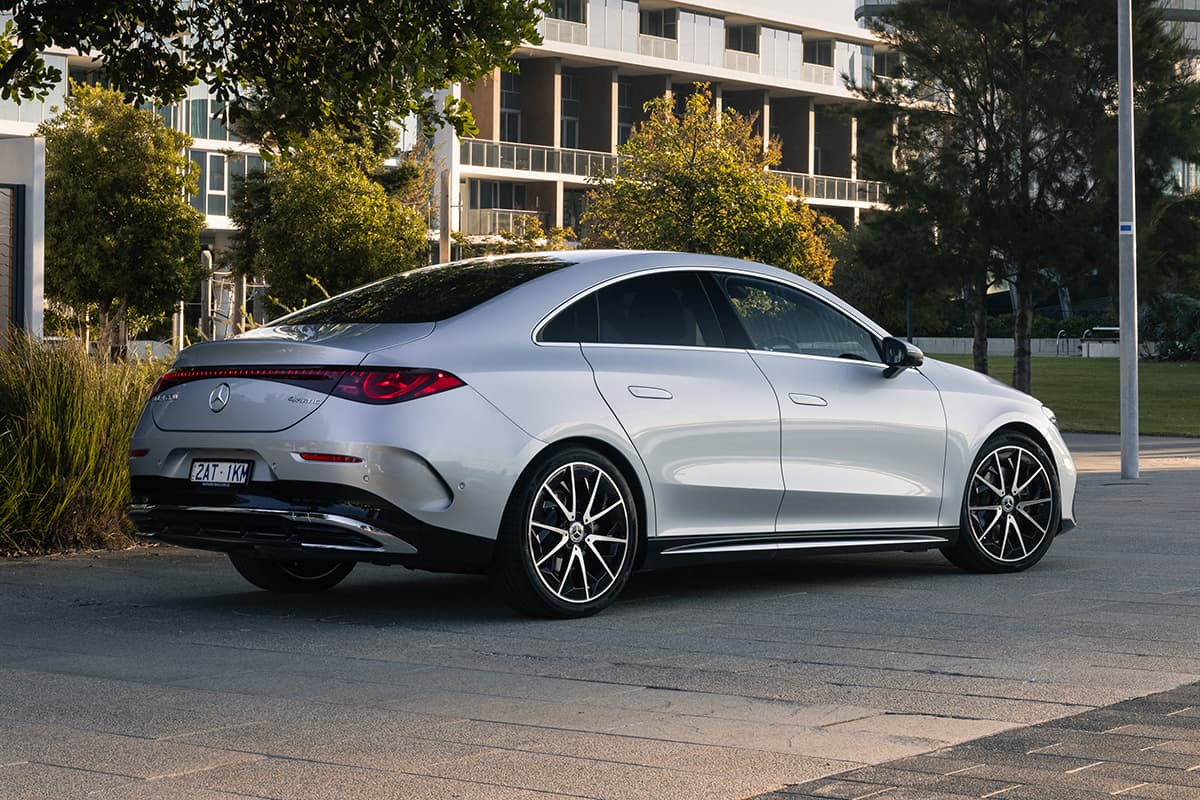
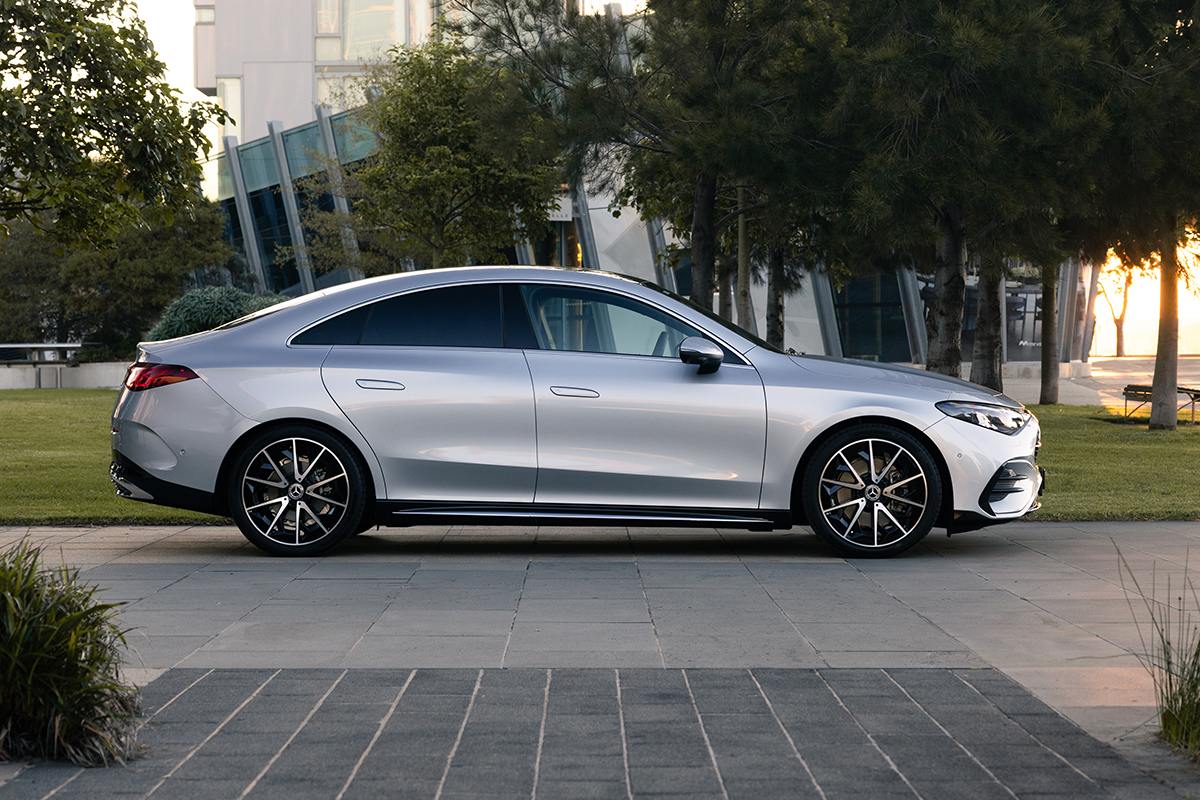
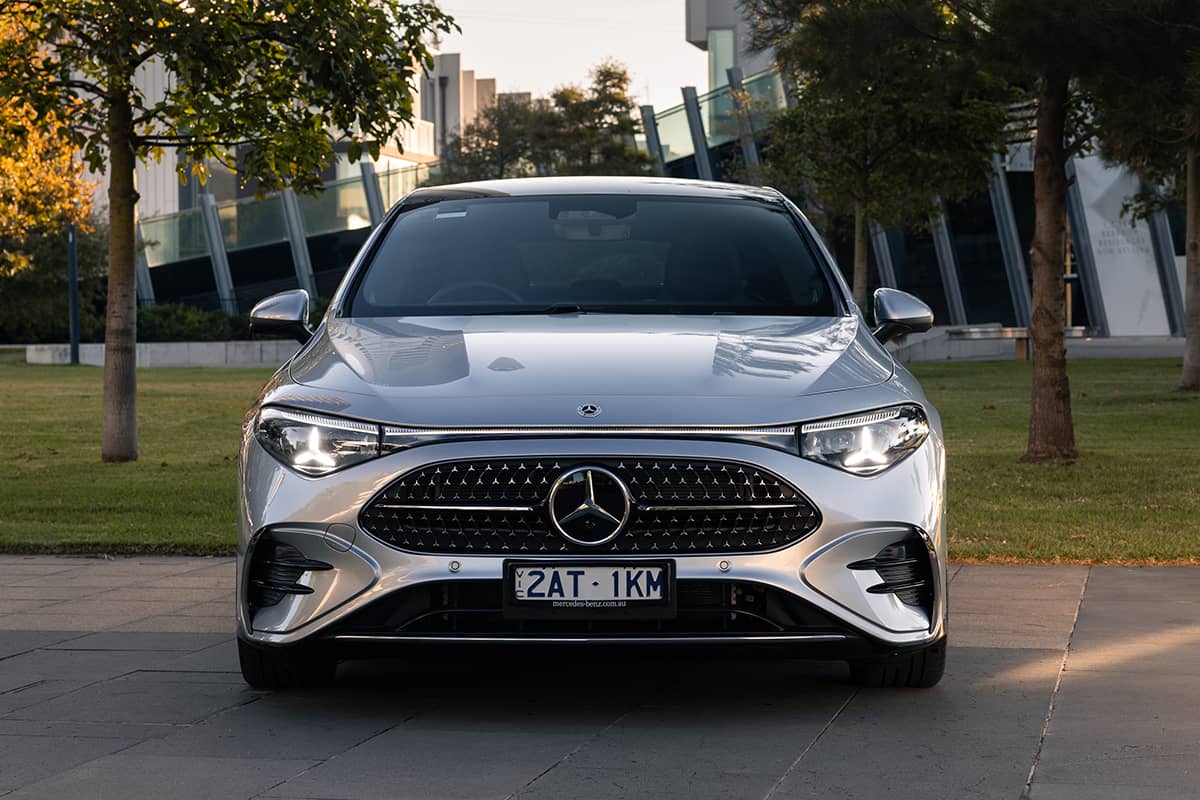
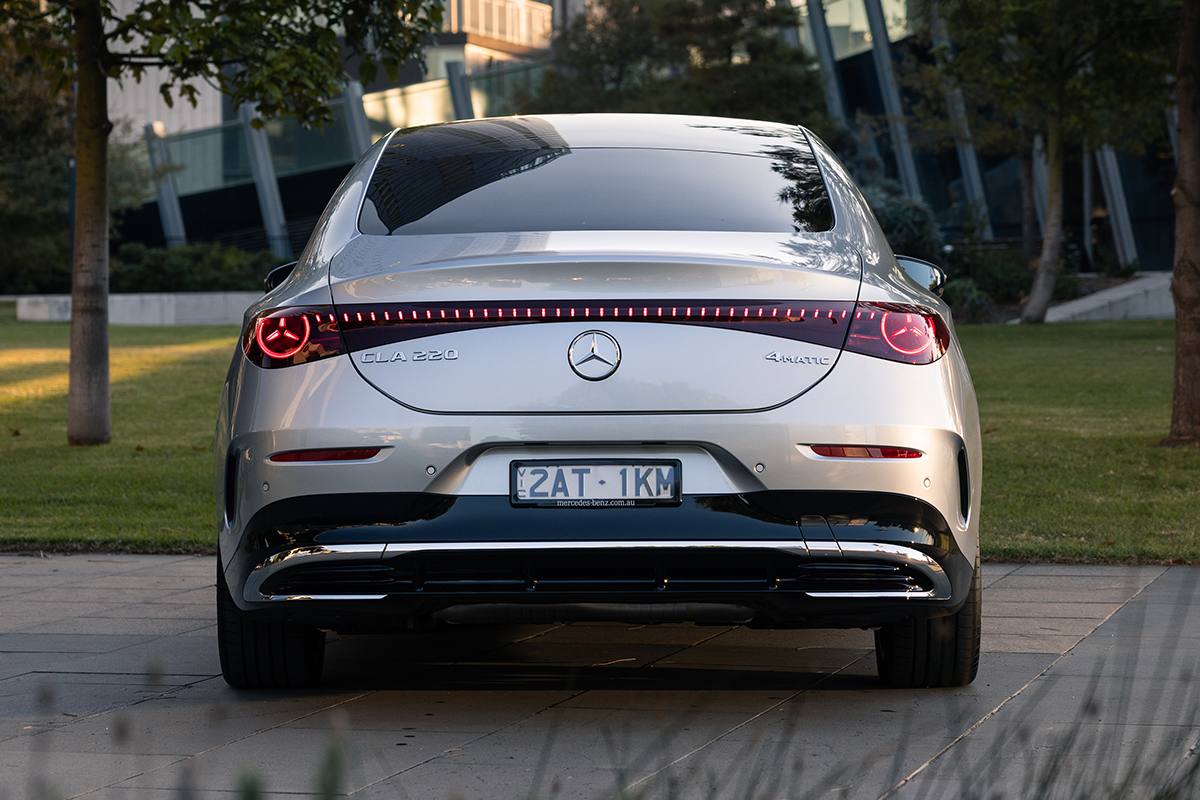
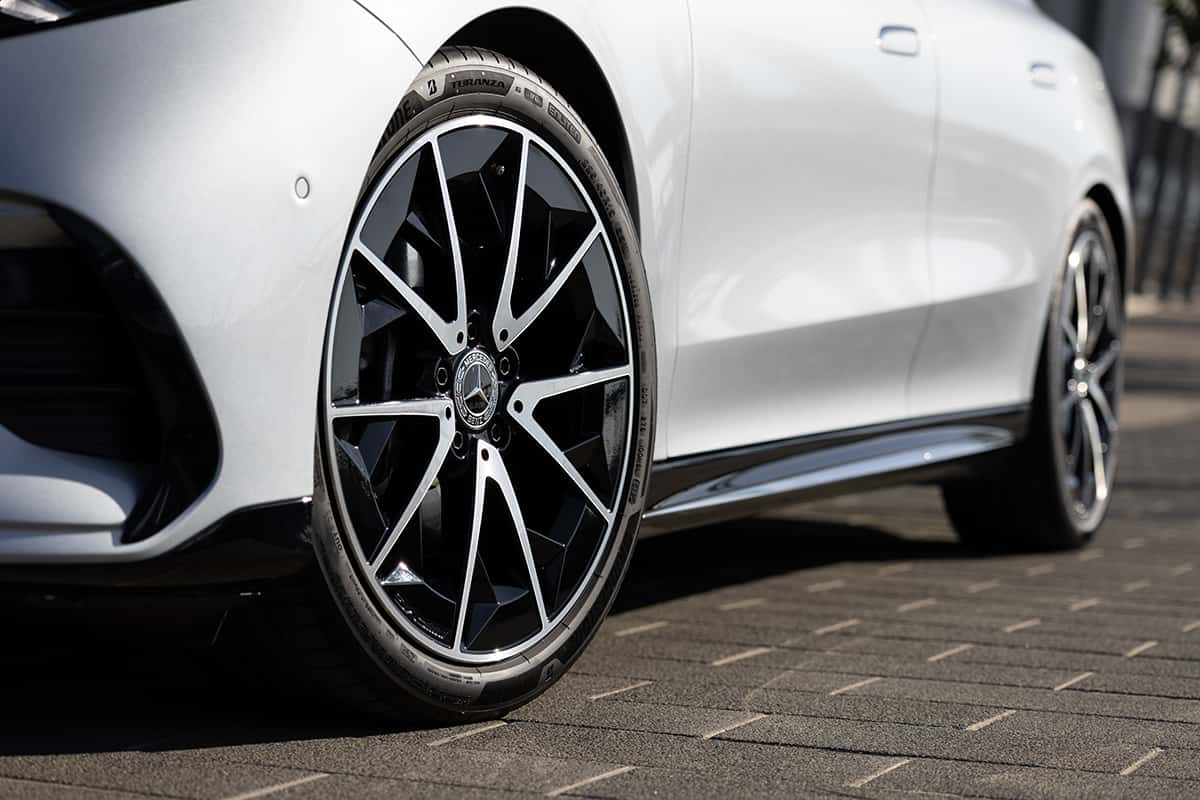
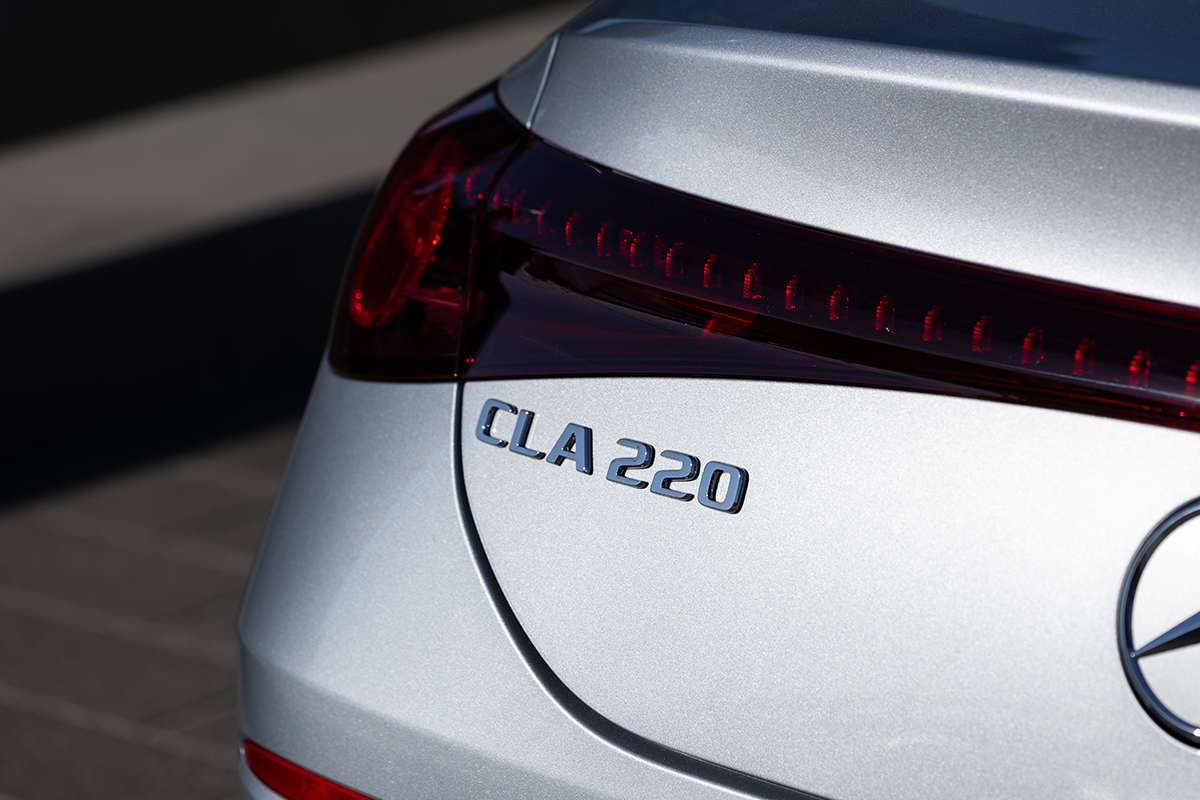
And in a move that could be seen as branding overkill, the three-pointed star motif is carried into the headlights and tail-lights.
For Latin buffs, the interior treatment is minimus extremus, with the multi-screen ‘MBUX’ array in the CLA220 we drove dominating the front part of the stripped-back cabin. From an ergonomic point of view, there are no physical controls for ventilation, and the only non-digital audio control is on the steering wheel.
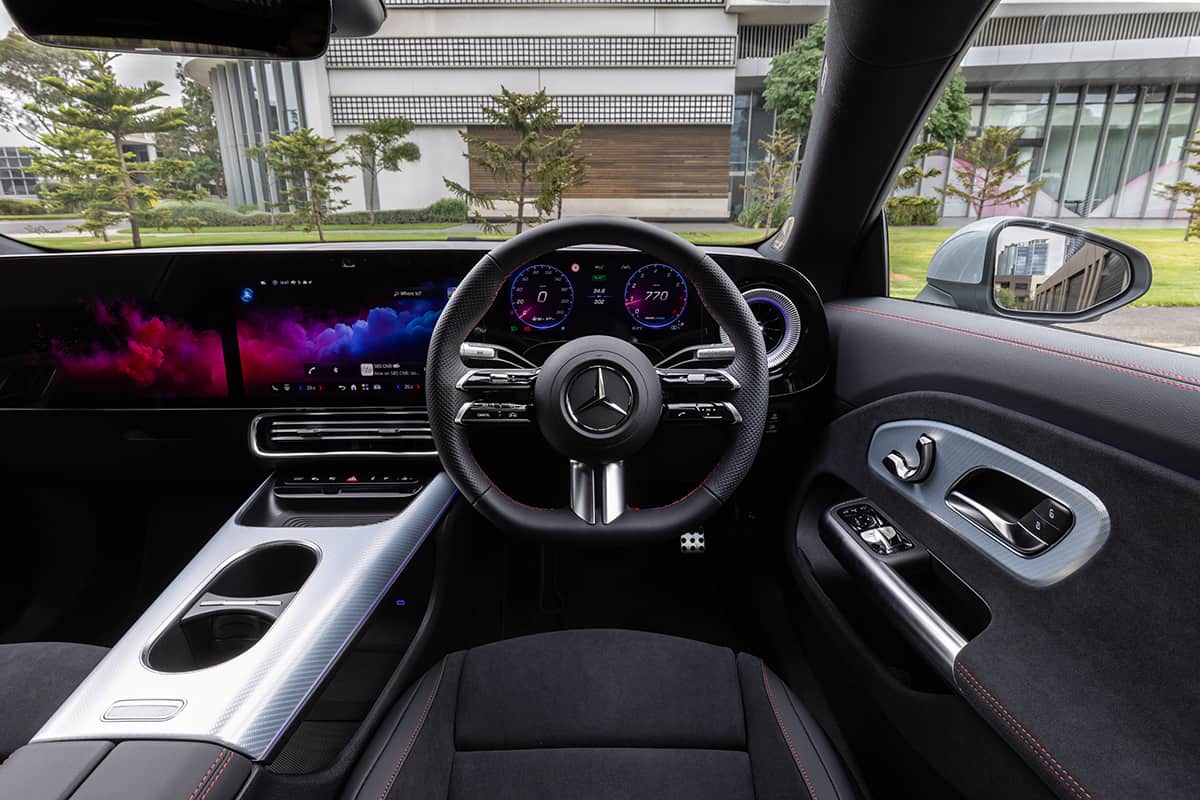
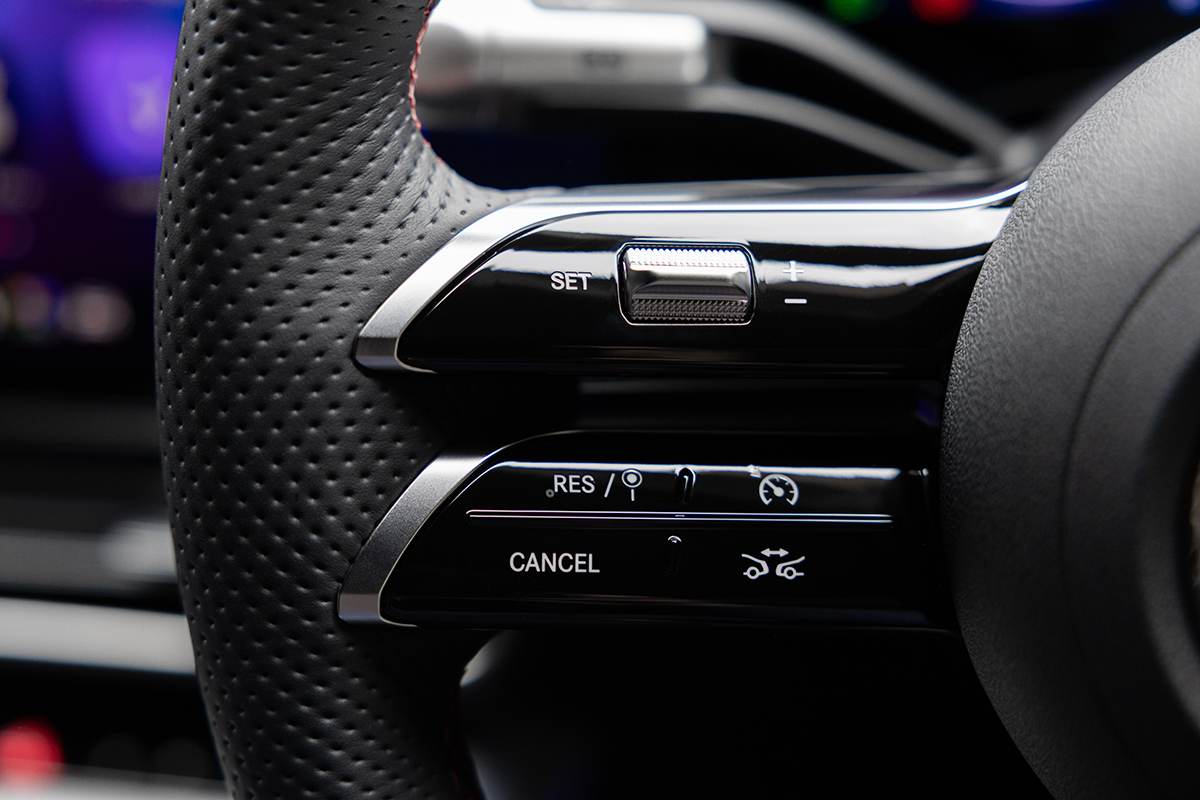
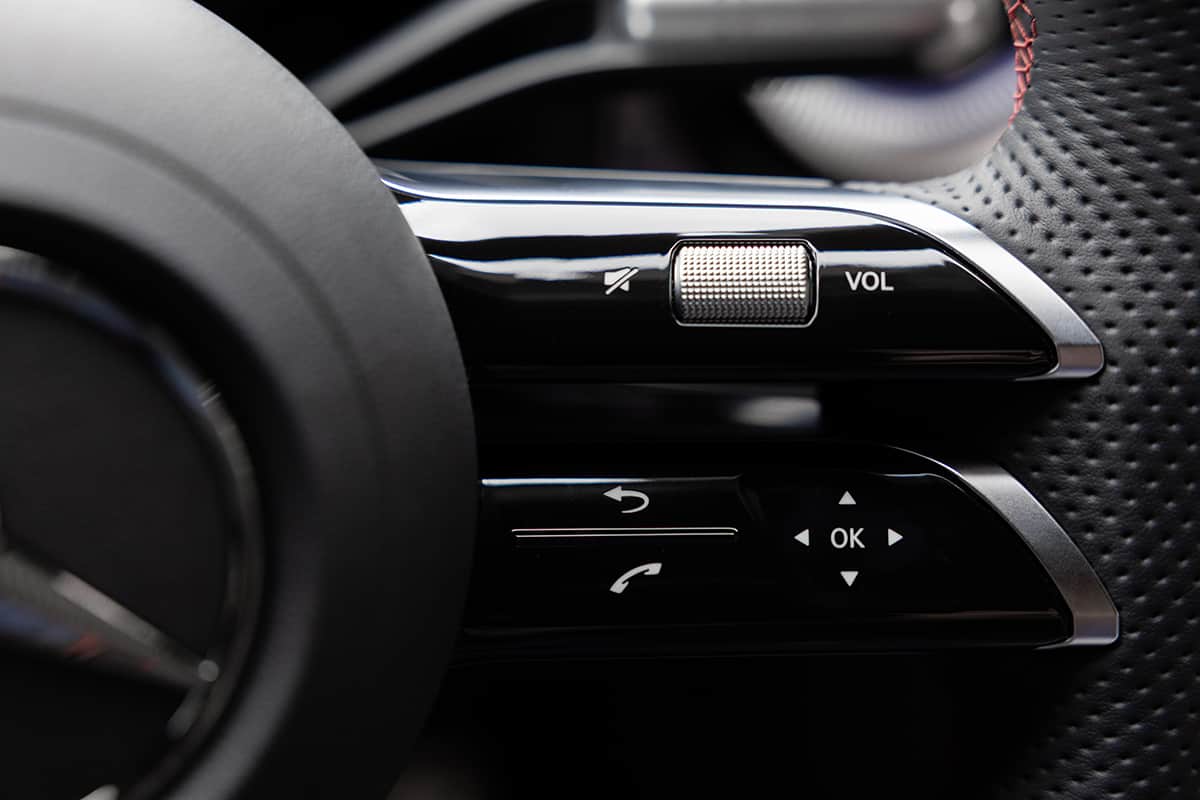
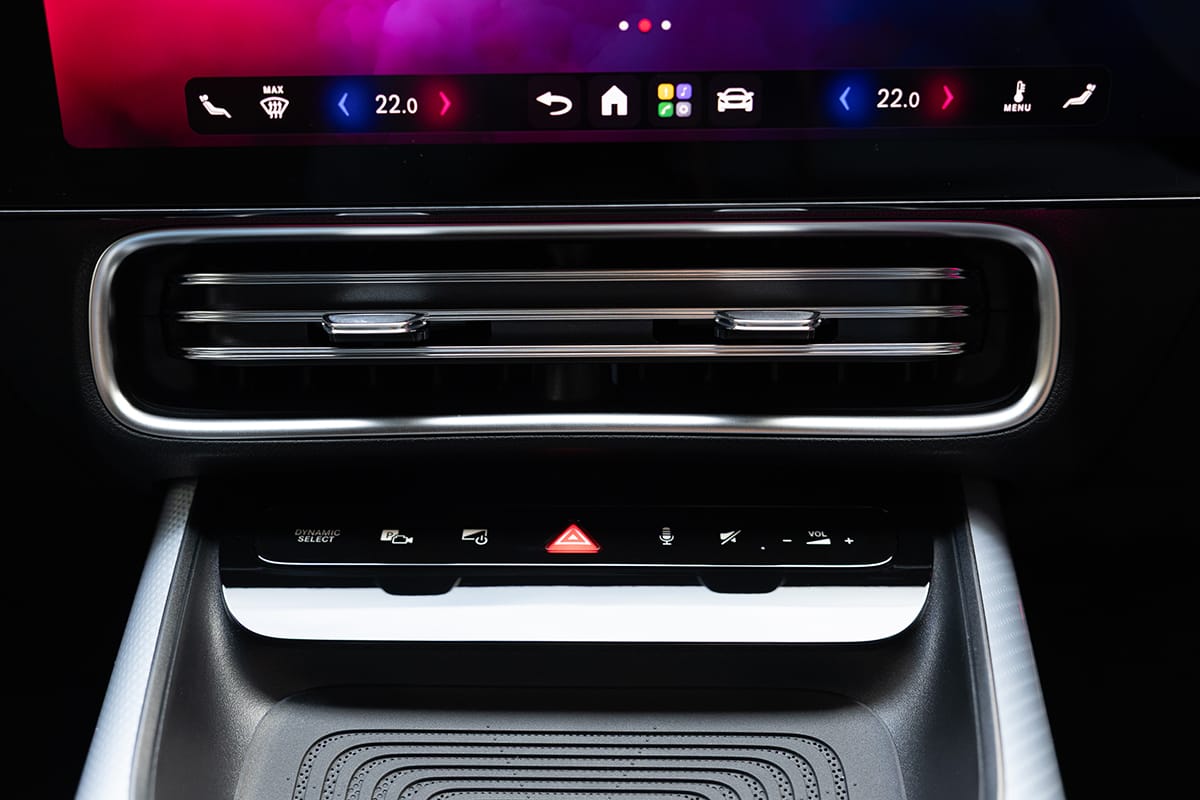
However, aesthetically, the cabin is clean and simple, with touches like ‘floating’ door armrests and a gently rounded front center console adding to an overall relaxed atmosphere.
Practicality – How practical is its space and tech inside? 8 / 10
At just over 4.7 meters long, the CLA isn’t far from the full C-Class length, and the interior space is generous. In fact, there’s an extra 16mm in height and 12mm in width compared to the model it replaces.
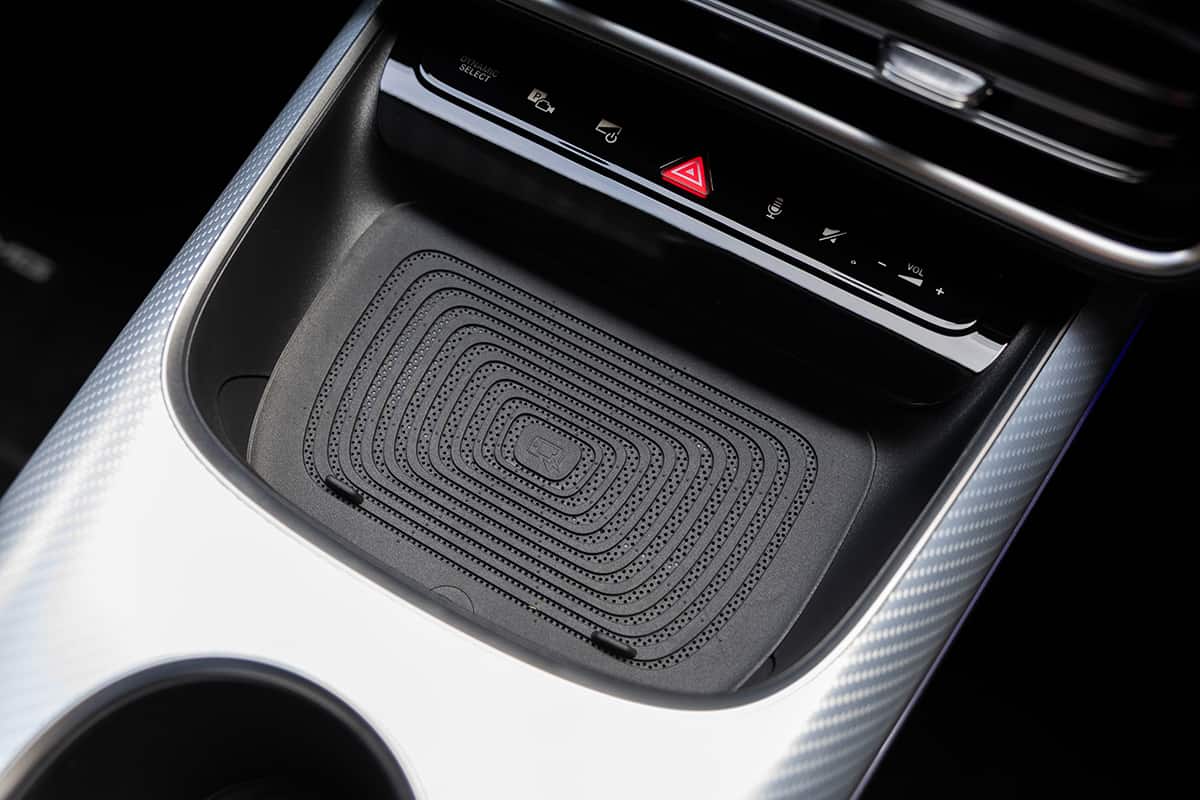
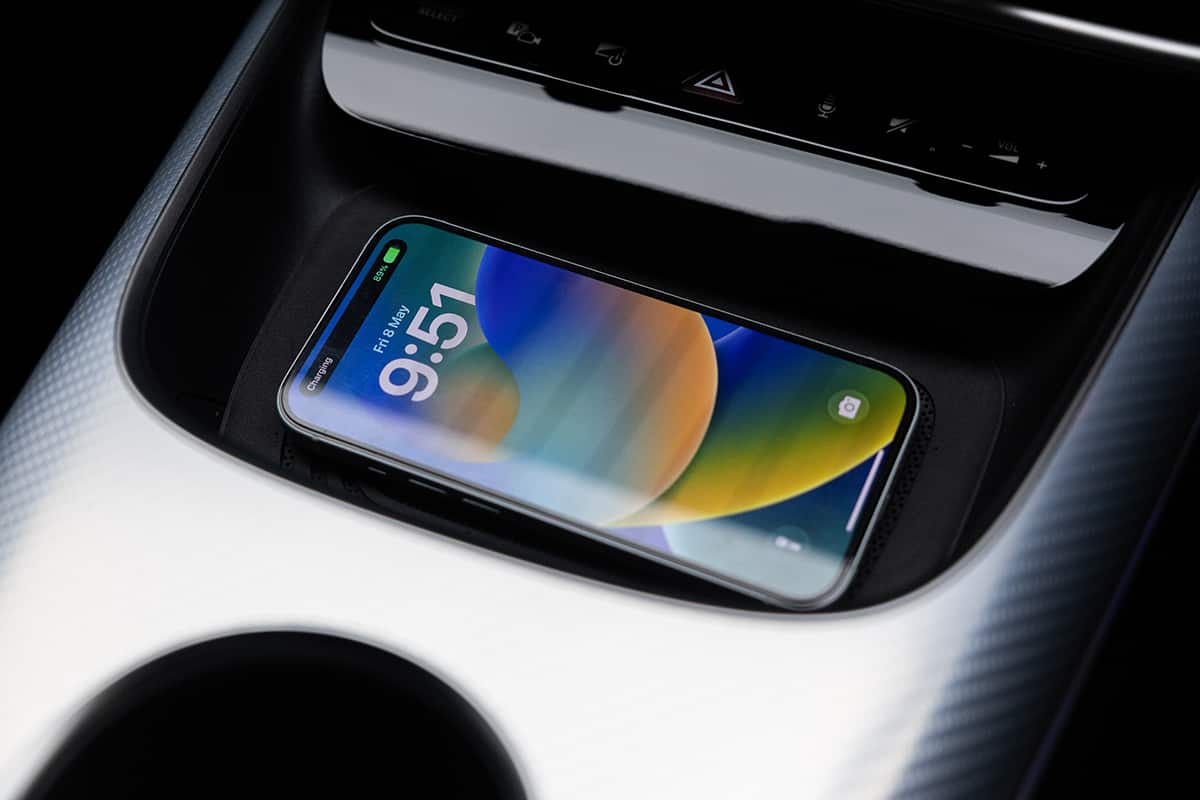
In terms of storage, there are generous bins in the doors with room for bottles, and you can place them in one of the two cupholders in the center console. There’s the obligatory bin between the seats, a bay here for wireless device charging, a glove box, plus an extra storage bay under the flying buttress-style console.
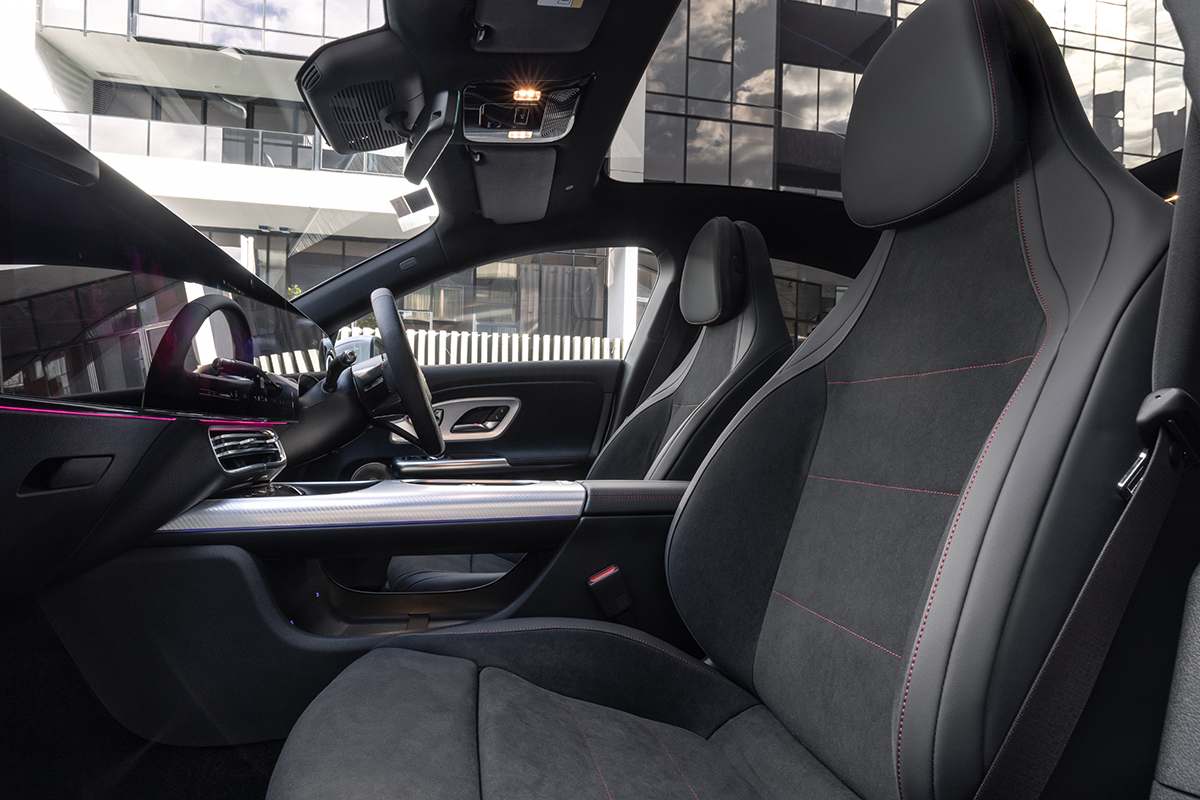
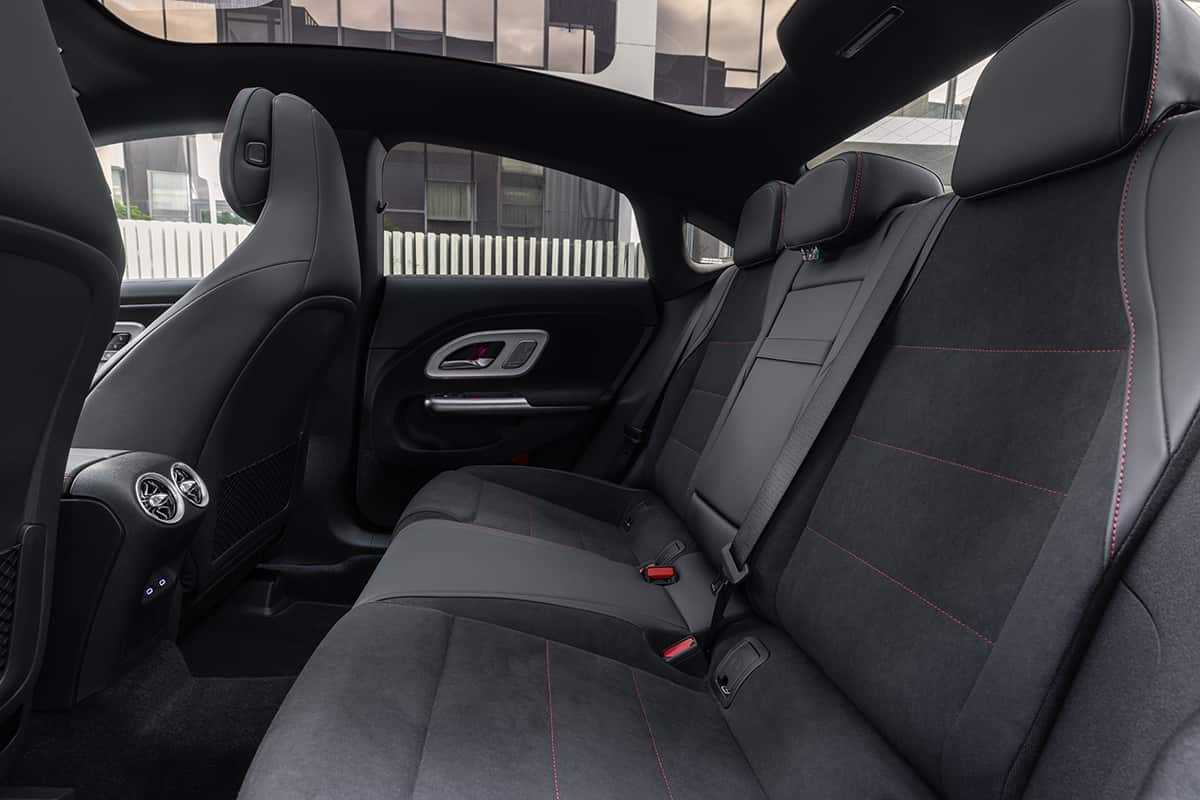
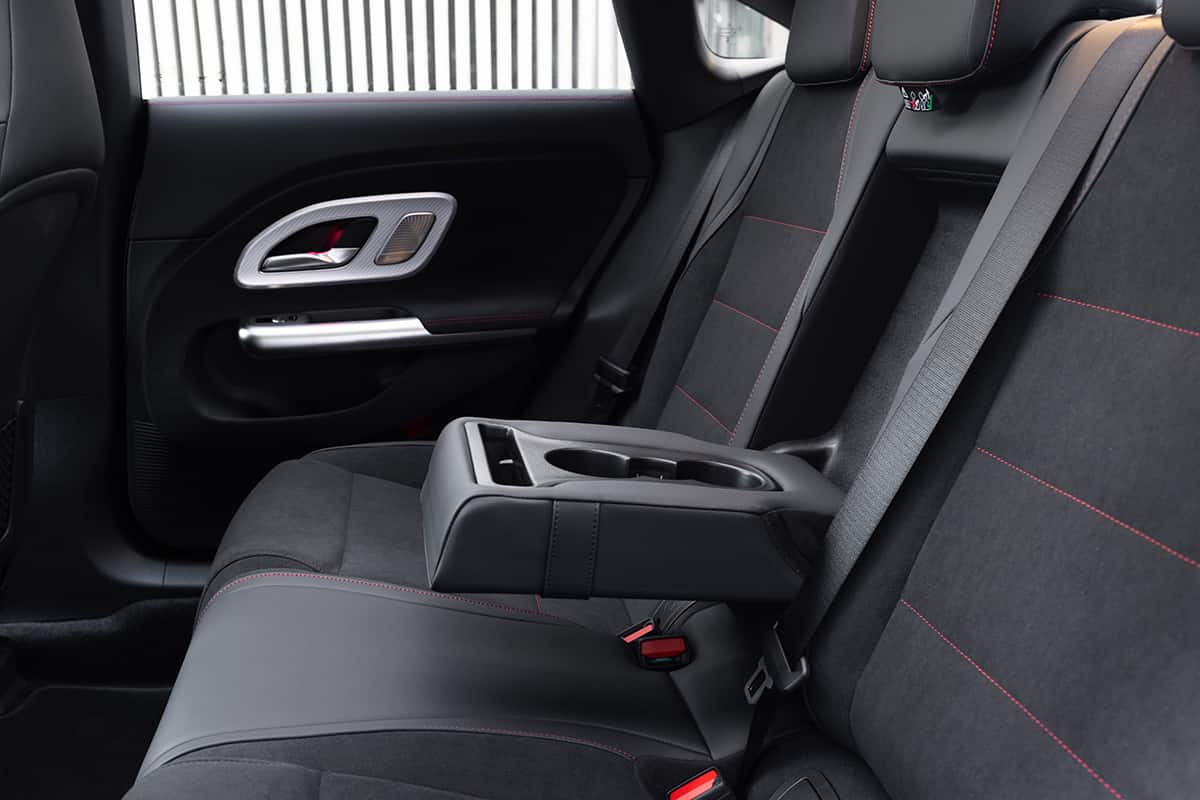
In the back seat, sitting behind the driver’s seat, set for my 183cm position, there’s plenty of footroom, as well as acres of legroom and headroom. Part of that is the immense panoramic roof, which is covered in all kinds of high-tech coatings to ensure all the light comes through but none of the heat.
Then for storage, again, you’ve got bins in the doors with room for bottles, as well as a pull-down armrest between the seats with three cupholders in it (one espresso-sized) and a drive slot in front of them.
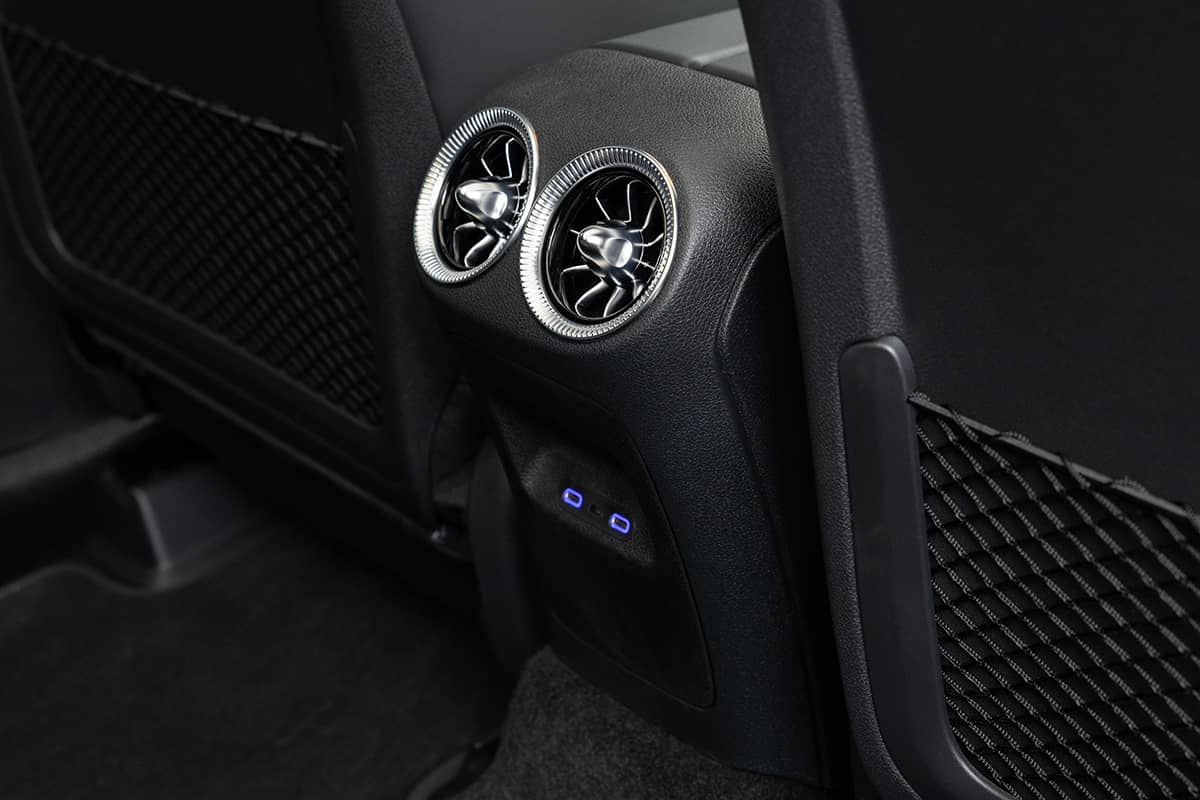
There are netted map pockets on the front seatbacks, individual vents which are always welcome, and a couple of USB-C charging ports to keep devices charged.
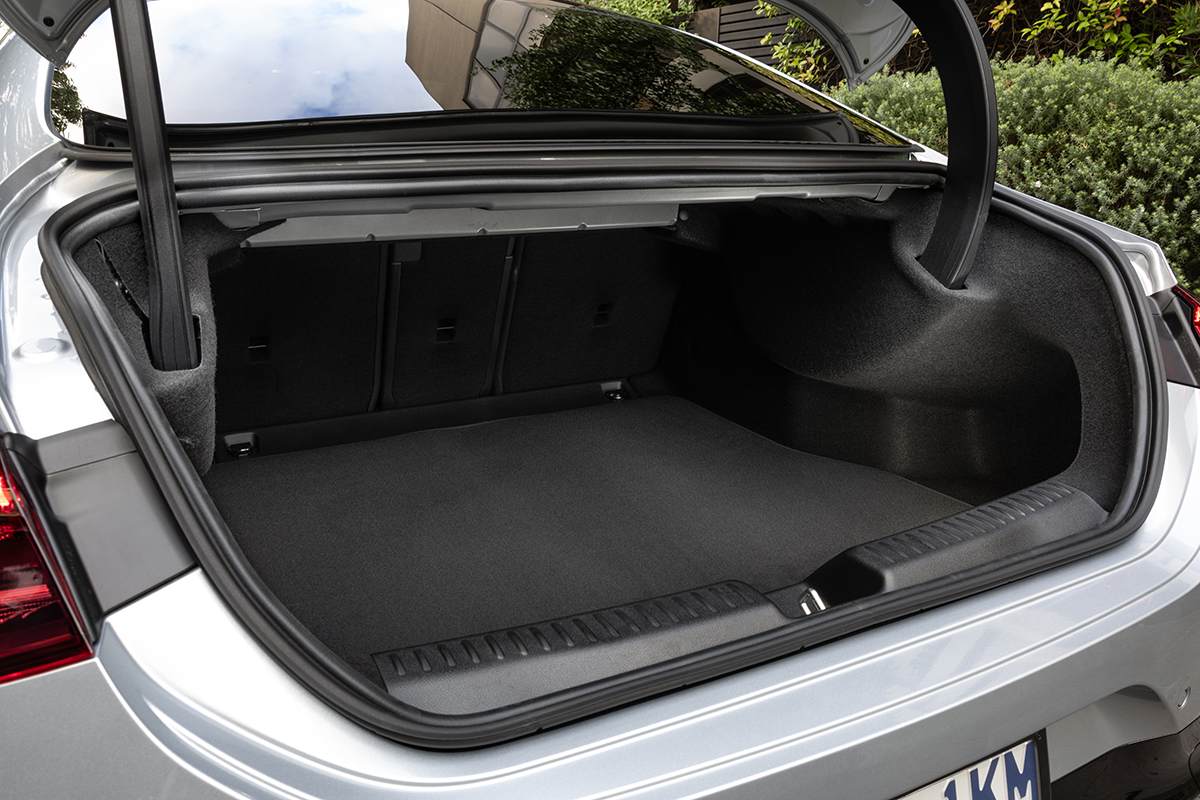
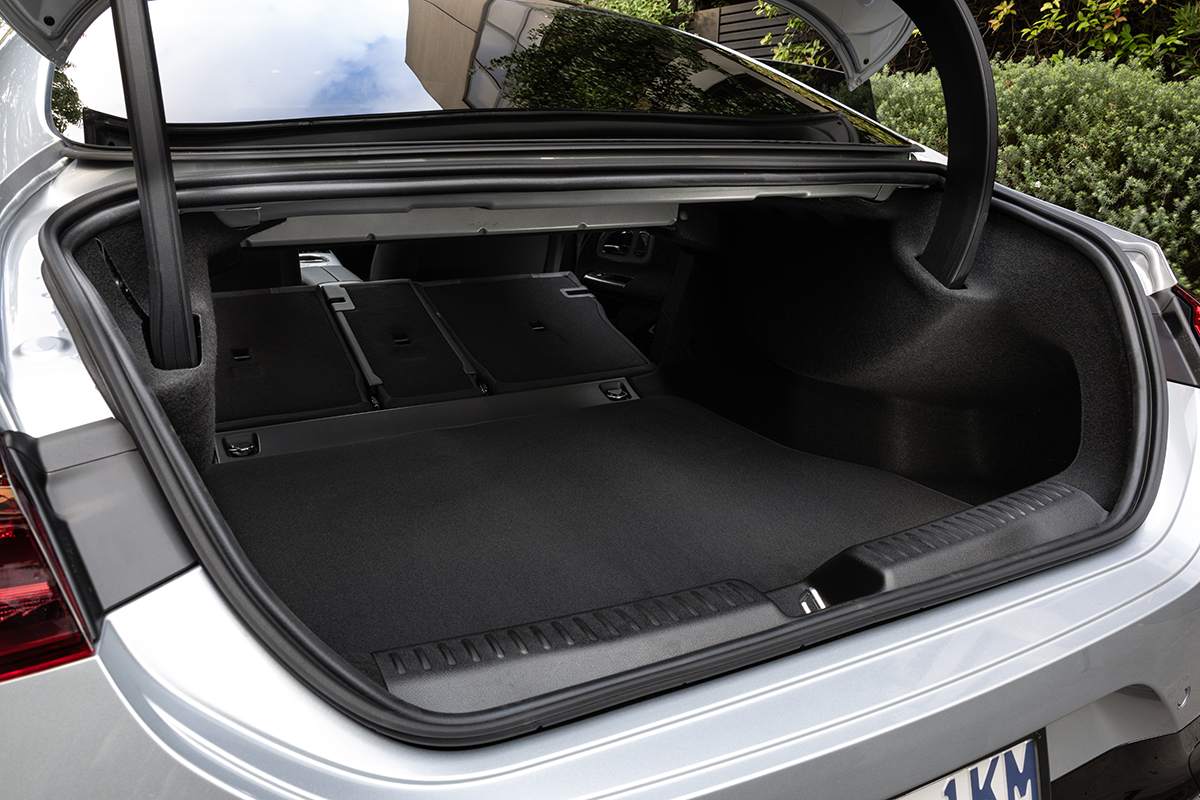
Boot volume is rated at 405 liters (VDA), and the rear seatback folds 40/20/40 to liberate more storage space if required. And there’s a 101L front boot on electric models. There’s a hands-free tailgate on the 220 Hybrid. A 1.6- to 1.8-tonne braked trailer towing capacity is handy, but the fact there’s no physical spare tyre isn’t. Your only option in the case of a flat is an inflator and puncture sealant kit. Not good enough.
Under the Bonnet – What are the key stats for its engine and transmission? 7 / 10
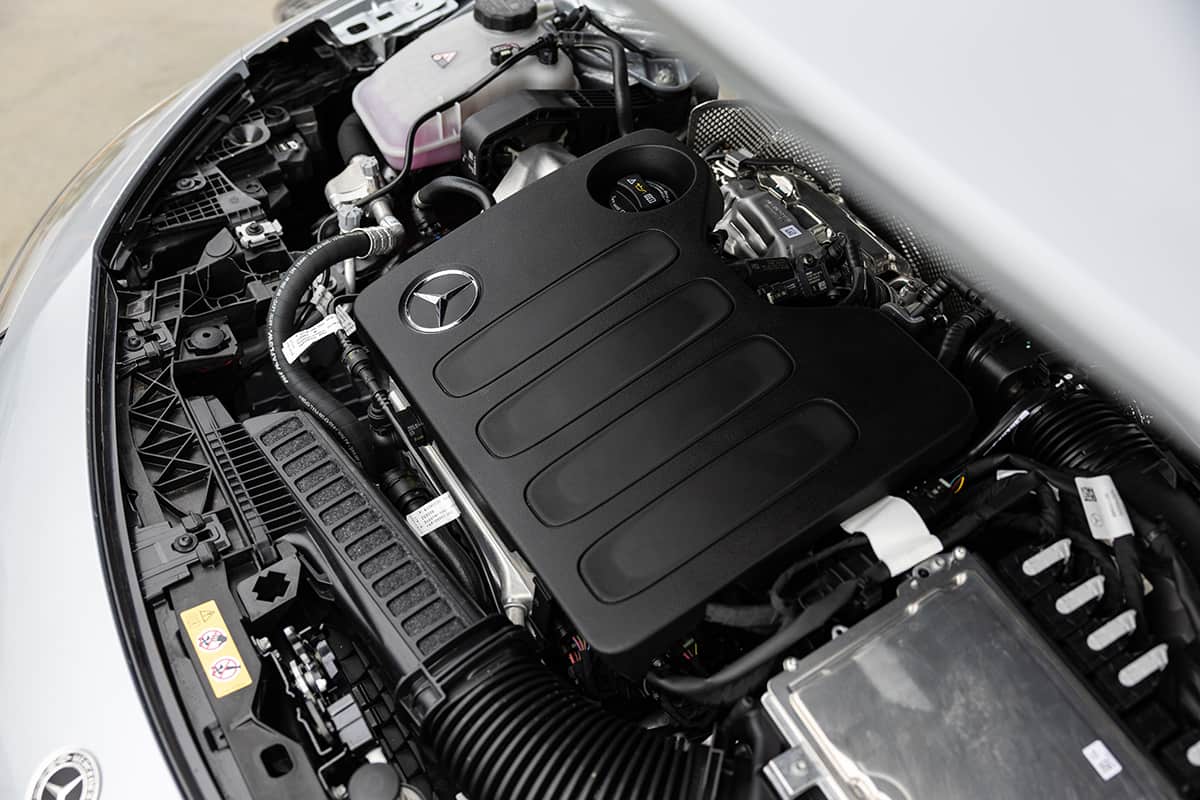
Hybrid CLAs combine a 1.5-liter, turbo-petrol, four-cylinder internal-combustion engine (ICE) with a 48-volt electric motor integrated into a new eight-speed dual-clutch transmission with drive going to the front wheels in the CLA180 and 200 and all four in the CLA 220 4Matic.
Mercedes-Benz quotes power and torque outputs for the hybrid’s petrol engine and electric motor individually, and the powertrain is able to engage both simultaneously, resulting in overall output figures.
The pure-electric models are powered by an in-house developed permanently excited synchronous motor driving the rear wheels through a two-speed transmission, with a second 80kW drive unit added to the CLA350’s front axle for extra performance and all-wheel-drive traction.
Here’s a panel to explain it all.
Efficiency – What is its fuel consumption? What is its driving range? 8 / 10
Hybrid CLAs are fitted with a 48-volt, 1.3kWh lithium-ion battery, and at urban speeds where less than 20kW is needed, can drive using electric power alone, depending on conditions at speeds up to 100km/h.
Official combined cycle fuel consumption is quoted at 5.4L/100km for the CLA180 and 200, which equates to a theoretical range of close to 800km, rising to 5.8L/100km for the 220 4Matic for a potential range of around 740km. On the roughly 150km launch drive through Melbourne’s suburbs and up the Yarra Valley north-east of the city, we saw an average of exactly 5.8L/100km in the CLA220.
Electric CLAs are underpinned by a specific new-gen EV platform boasting an 800-volt electric architecture and housing a 58kWh LFP battery in the 200 electric and an 85kWh NMC pack in the 350. Maximum charge capacity is 320kW for a claimed 10-80 per cent charge time of 22 minutes.
Claimed energy use for the CLA200 electric is 14.4kWh/100km with a range of 470km, while the AWD 350 4Matic sits at 14.9kWh/100km with a range of 663km.
Driving – What’s it like to drive? 8 / 10
The CLA220 4Matic was the only option available for the drive program, but for the record, claimed 0-100km/h acceleration times for the hybrid models step down in roughly one-second increments—8.8 seconds for the CLA180, 8.0sec for the 200, and 7.1sec for the 220 4Matic.
Switch to pure-electric power and the CLA200 electric hits the same speed in 7.5 seconds, while the 350 4Matic electric smashes the five-second barrier at a properly quick 4.9sec. Mind you, the 350 4Matic electric weighs about 2.1 tonnes, while the hybrids tip the scales at roughly 1.7 tonnes.
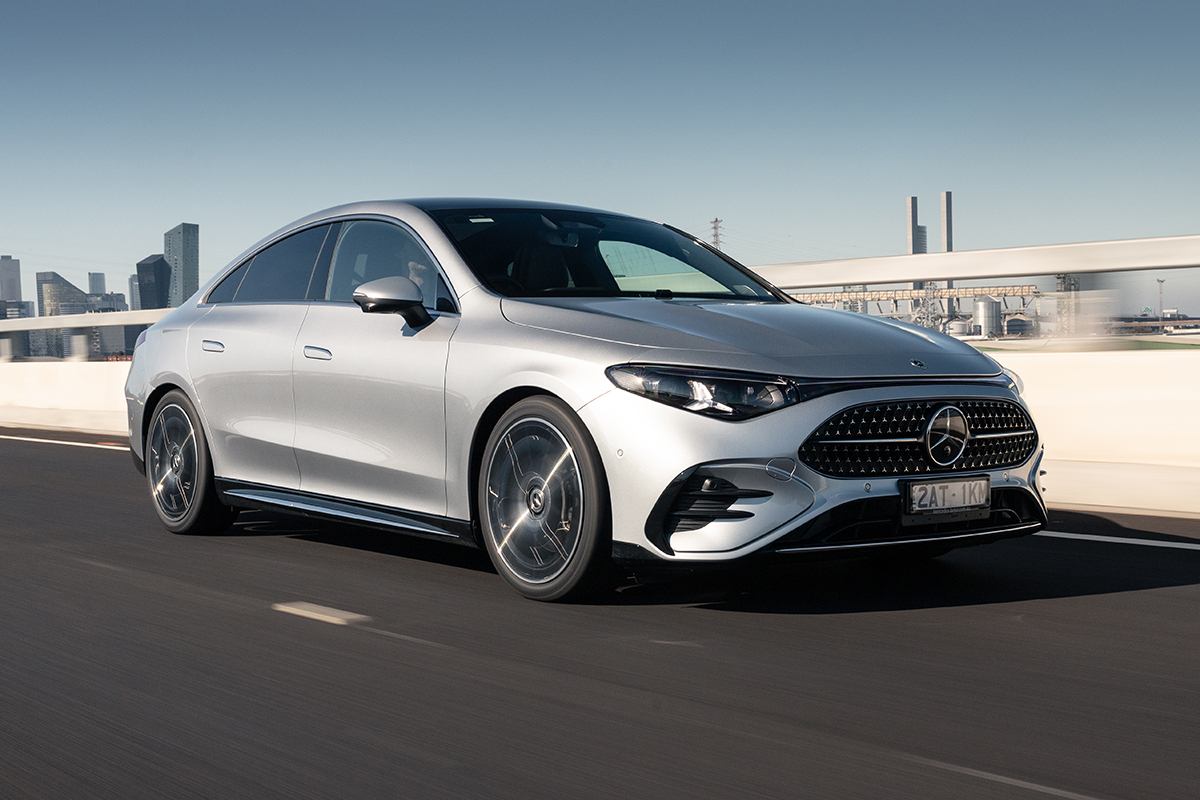
There’s plenty of performance in the 220 4Matic, but power delivery is not always linear with the powertrain taking half a beat to pick up after you’ve applied some throttle. Which could be the interface between the combustion engine and the electric motor or the turbo on the engine.
The sports steering wheel is grippy and chunky in the hands, and while the steering itself is nice and accurate, road feel is modest. There are two settings for steering weight—Comfort and Sport. We tried both, and yes, you can feel where the car’s going, but it’s not exactly an intimate connection between your hands and the front tyres on the tarmac.
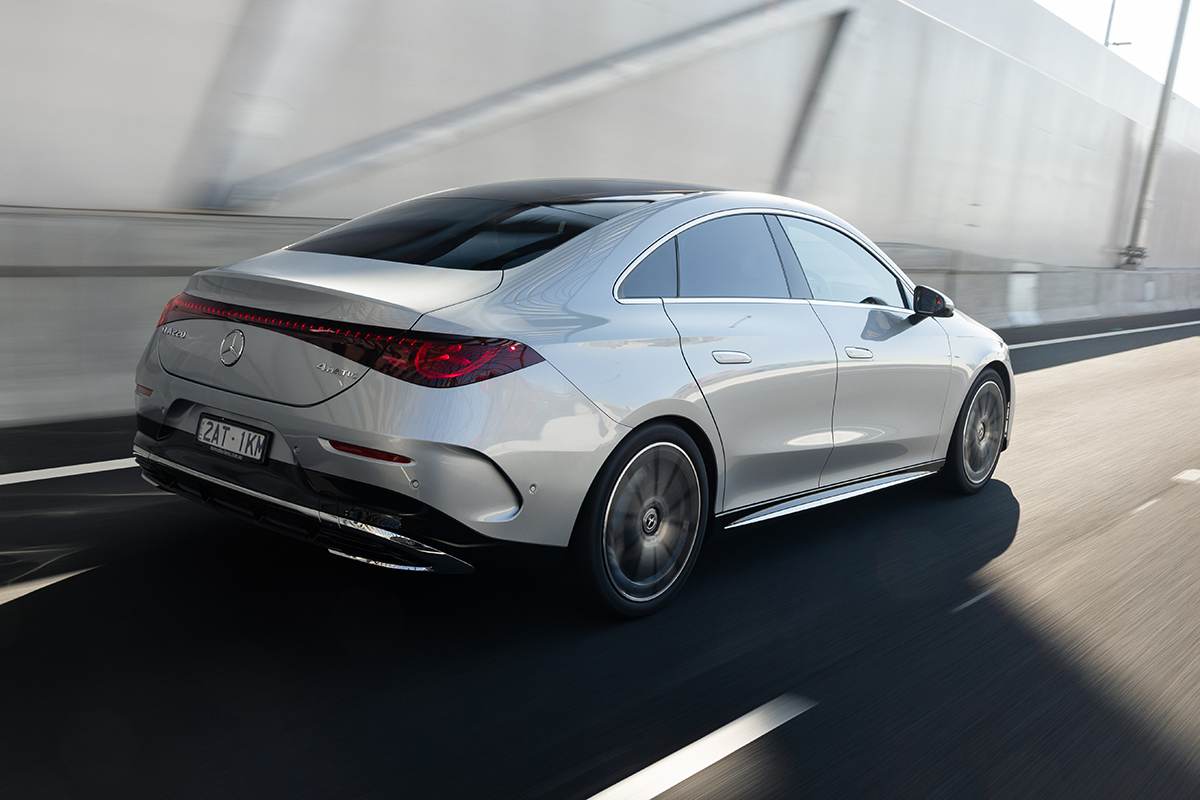
Speaking of which, standard rubber on the CLA220 is 225/40 Bridgestone Turanza 6 on 19-inch rims, and despite those relatively large wheels, the car copes well with bumps and thumps and the coarse-chip surface of rural B-roads.
Suspension consists of a newly-developed strut-based three-link setup at the front and multi-links at the rear, with all of the major components in alloy to minimize unsprung weight. The car remains composed and balanced through corners, and the sports seats in the 220 are grippy, supportive, and comfortable. We spent a couple of hours straight behind the wheel without a hint of discomfort.
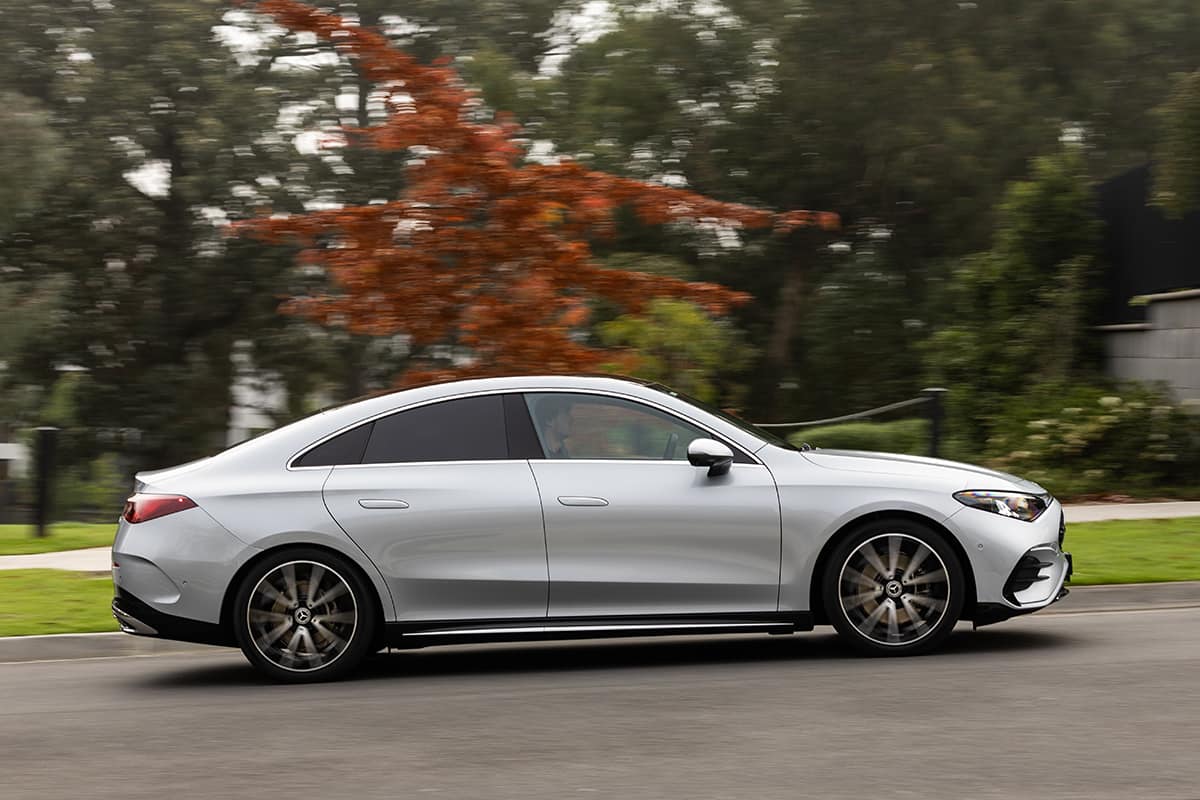
The CLA’s super-slippery shape manifests itself out on the highway with minimal wind noise at 100km/h and even more. The big tyres are also quiet, so the cabin environment remains refined and peaceful.
Brakes on the 220 are vented discs on the front, solid rotors on the rear. And during some pretty challenging downhill twisty sections, we leaned on them quite heavily. Push hard and they will bite, but are not overly aggressive.
The lane-keeping, driver-monitoring, and other assistance features are all there, present, and accounted for. But more than ticking the box, they work very well.
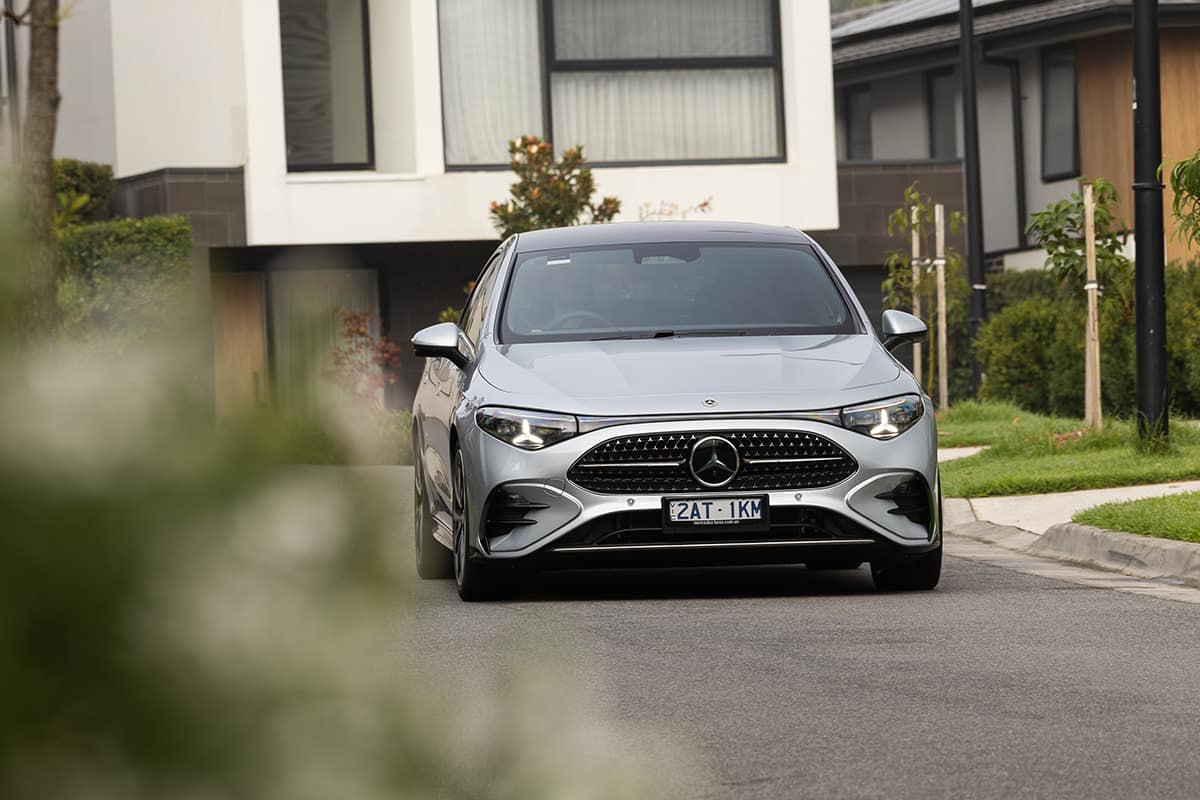
The media system is driven by a high-capacity unity engine, often used in gaming, and the graphics and animations are super-smooth. And the latest iteration of the Mercedes-Benz media system works nicely across the enormous screens.
All models feature a 360-degree overhead view and a reversing camera, and the 11.2-meter turning circle is not small but not vast. The car is easy to maneuver and park.
Safety – What safety equipment is fitted? What is its safety rating? 9 / 10
The new CLA hasn’t been assessed by ANCAP, although its sister organisation, Euro NCAP, awarded it a maximum five-star rating in 2025 with mega-high scores across the board for occupant and pedestrian protection, as well as driver assist systems.
Active (crash-avoidance) tech highlights include auto emergency braking (AEB), blind spot monitoring, lane keeping assist, adaptive cruise control, parking assist, ‘Exit Warning’, ‘Evasive Steering’, ‘Maneuvering Assist’, and more.
Worth noting, over-the-air updates cover safety systems, including driver assistance functions. The airbag count runs to eight, including a front centre bag, and there are three top tethers for child restraints across the second row with ISOFIX anchors in the two outer positions.
Ownership – What warranty is offered? What are its service intervals? What are its running costs? 6 / 10
The CLA is covered by Mercedes-Benz Australia’s five-year/unlimited km warranty with roadside assistance included. On top of that, there’s an eight-year/160,000km warranty on the drive battery in electric models.
That general warranty is in line with Audi, BMW, and other premium players, but it’s worth noting an increasing number of brands in the mainstream market are stepping up to longer seven, eight, and even 10-year cover.
Hybrid and electric variants have the same 12-month, 25,000km recommended service interval, with a five-year schedule for the hybrids equating to an average of $1342 per workshop visit over that period. Reduced mechanical complexity in the EV models lowers that number to $859. But neither is especially cheap in the context of class competitors.
Verdict
The broadening of the CLA’s scope in this third-gen version puts it a step ahead of key rivals and raises the compact sedan’s prominence in the three-pointed star’s local line-up. Its combination of quality design, performance, and efficiency is compelling. And we’ll drive the battery-electric version as soon as it lands.