Introducing the Volkswagen Tayron eHybrid: A Hidden Gem in VW’s SUV Line-Up
The Volkswagen Tayron eHybrid might just be the hidden gem in VW’s SUV line-up, and it’s all because you get less of something, not more. Sounds weird, I know, but stay with me. It was once pretty easy to identify the difference between the Tiguan and the Tiguan Allspace. One had five seats, and the other mostly had seven. Simple.
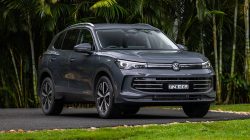
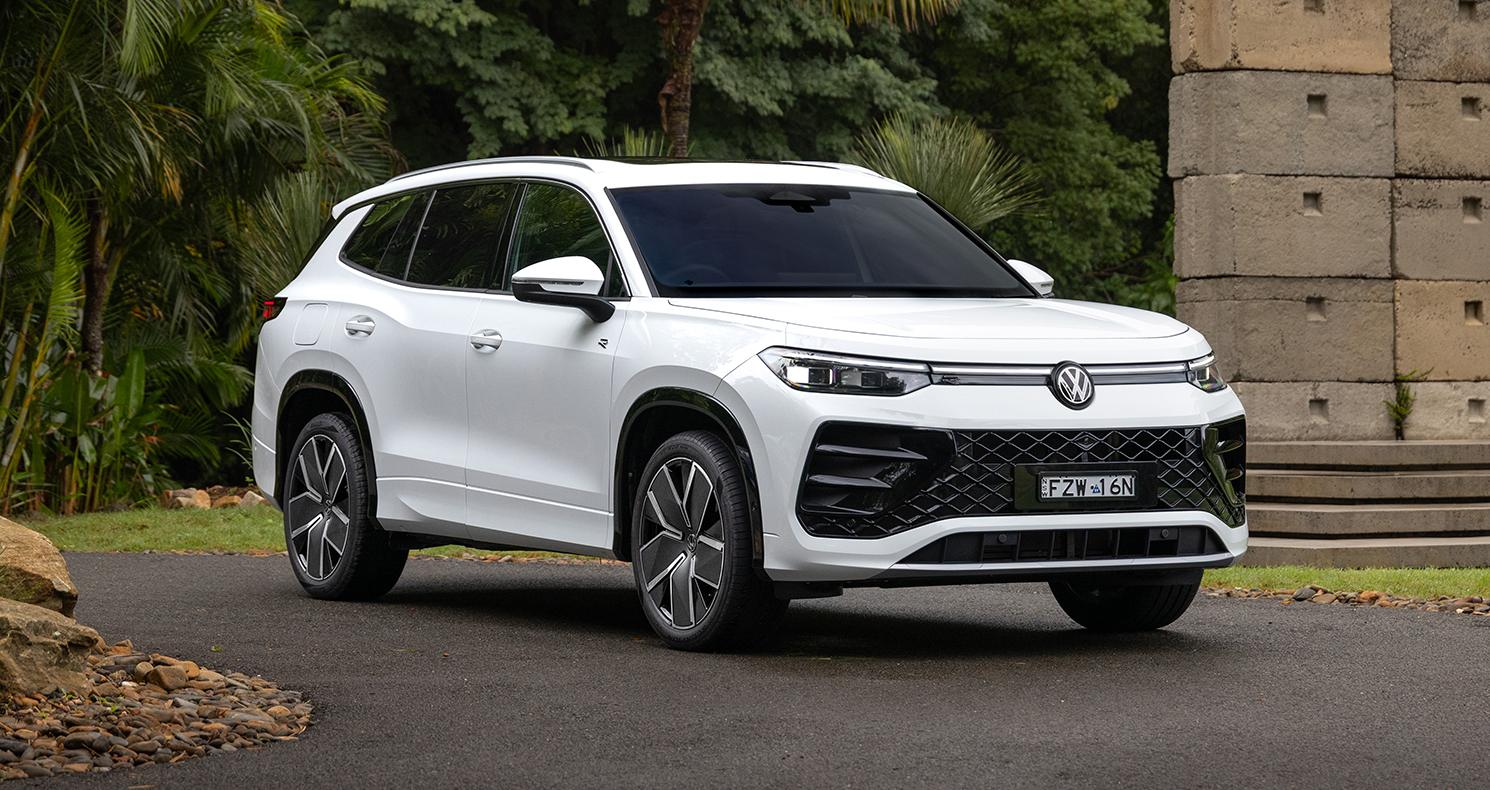
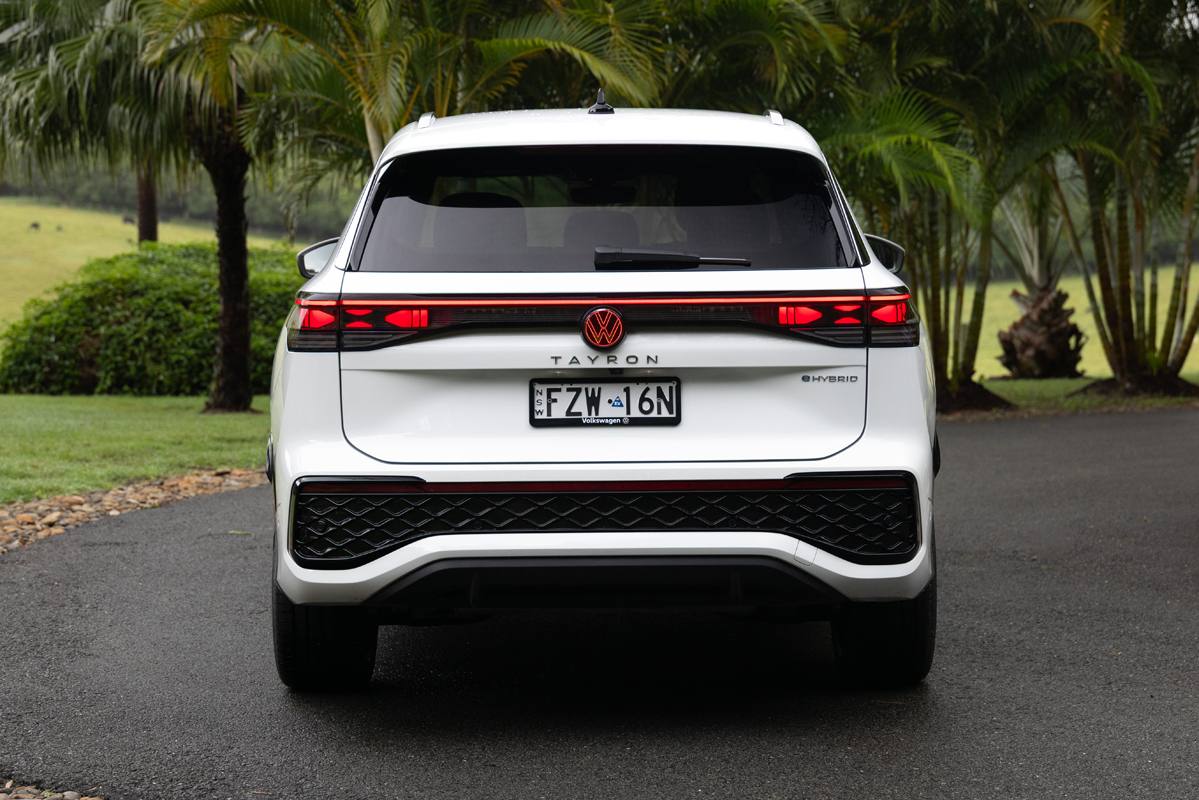
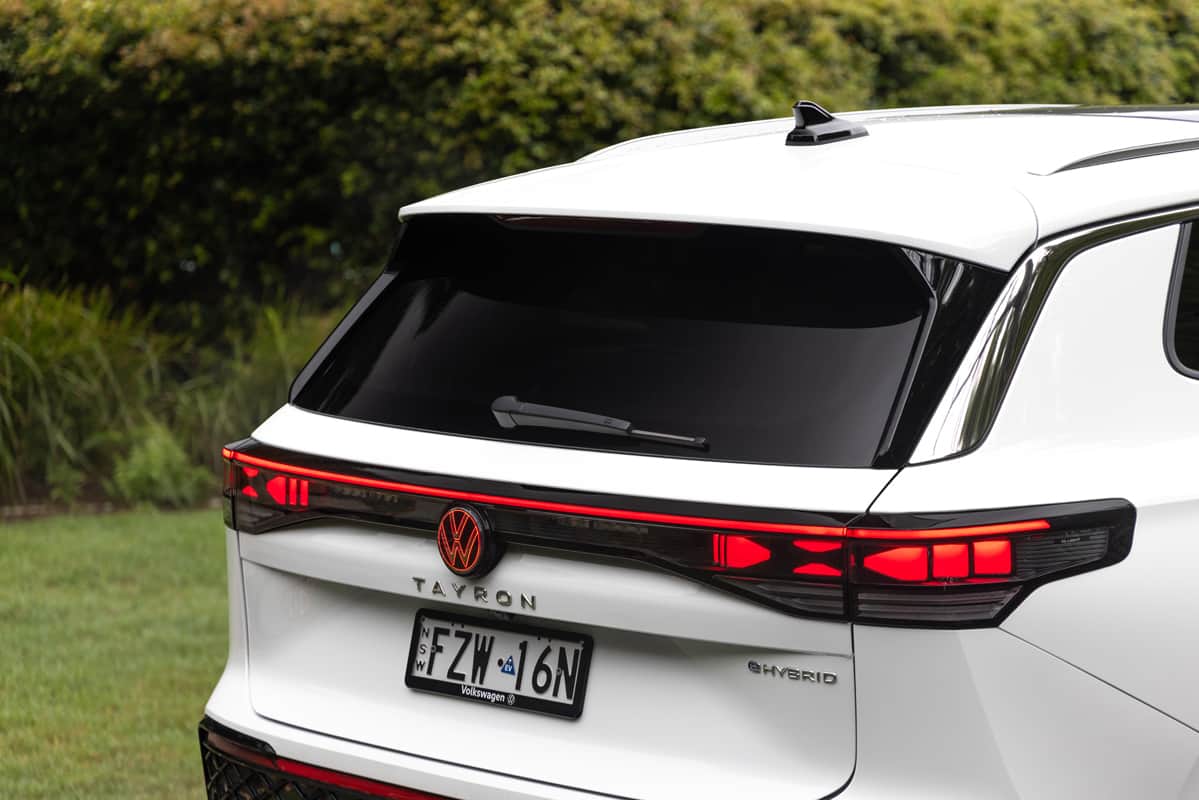
But this Tayron eHybrid changes that equation. It’s the plug-in hybrid replacement for the Allspace, joining the petrol-powered versions that have already launched in Australia. Like the just-launched Tiguan eHybrid, it’s exclusively a five-seat affair. But it’s also bigger, cheaper, and I reckon better to drive than the Tiguan, if it doesn’t have the immediate nameplate recognition of its smaller sibling.
Key Features and Specifications
Same five seats, same petrol-electric powertrain, just with more space for less money, even if its equipment list isn’t quite as generous as the one in the Tiguan.
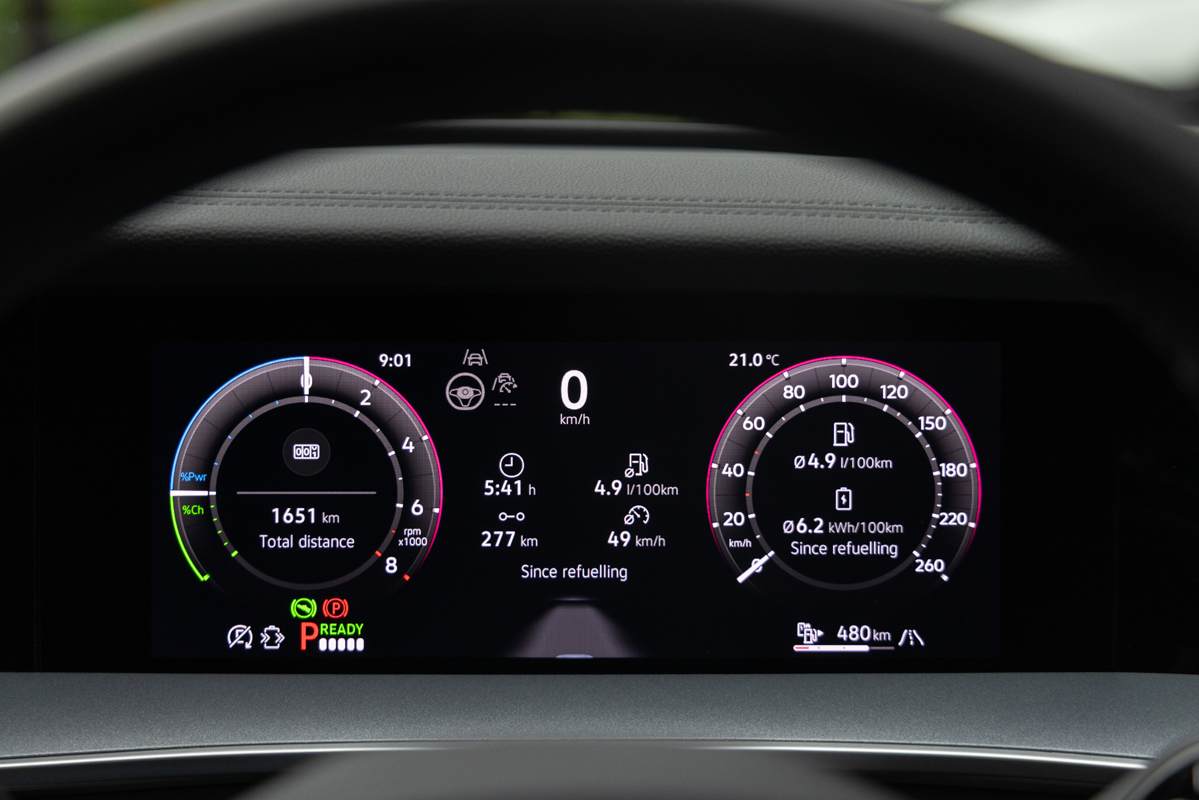
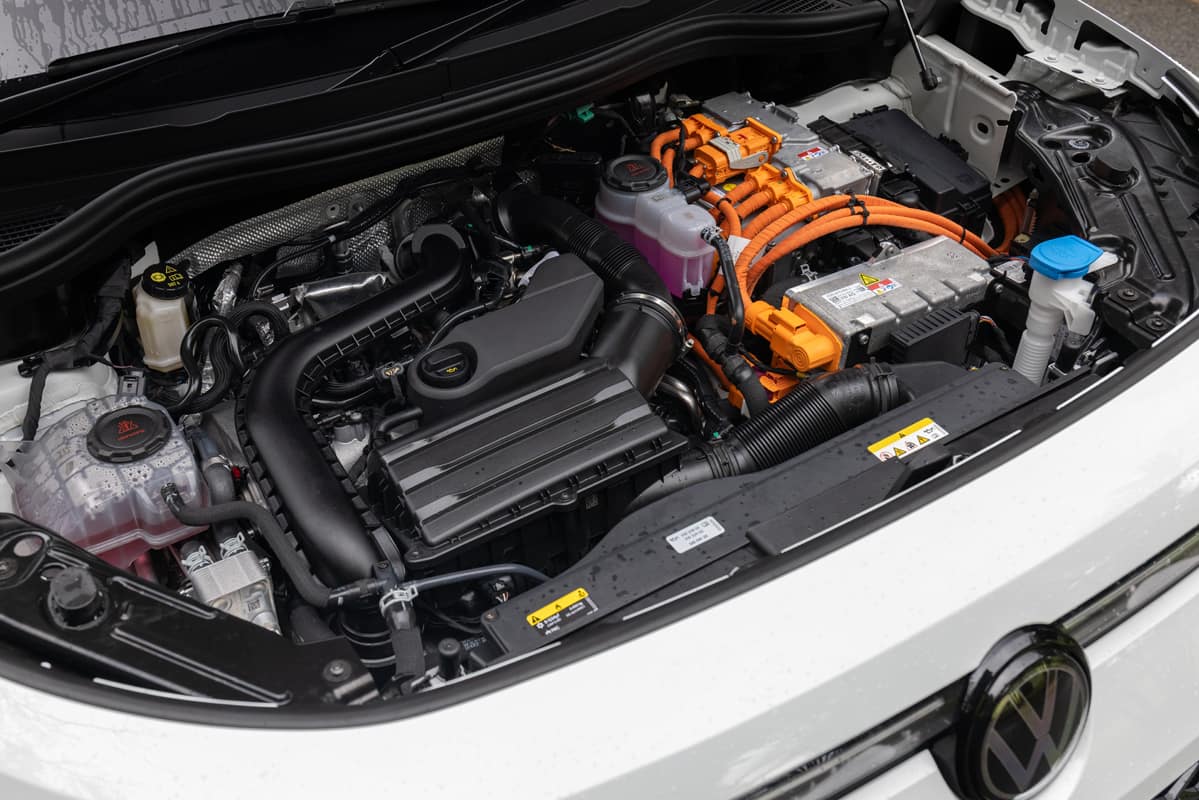
The Tayron eHybrid is the latest arrival in Volkswagen’s plug-in hybrid push, sharing its powertrain specifics with the Tiguan eHybrid. That means a 1.5-litre turbocharged petrol engine with a front-mounted electric motor and a 19.7kWh (net) battery, and an all-electric driving range of around 115km on the WLTP cycle.
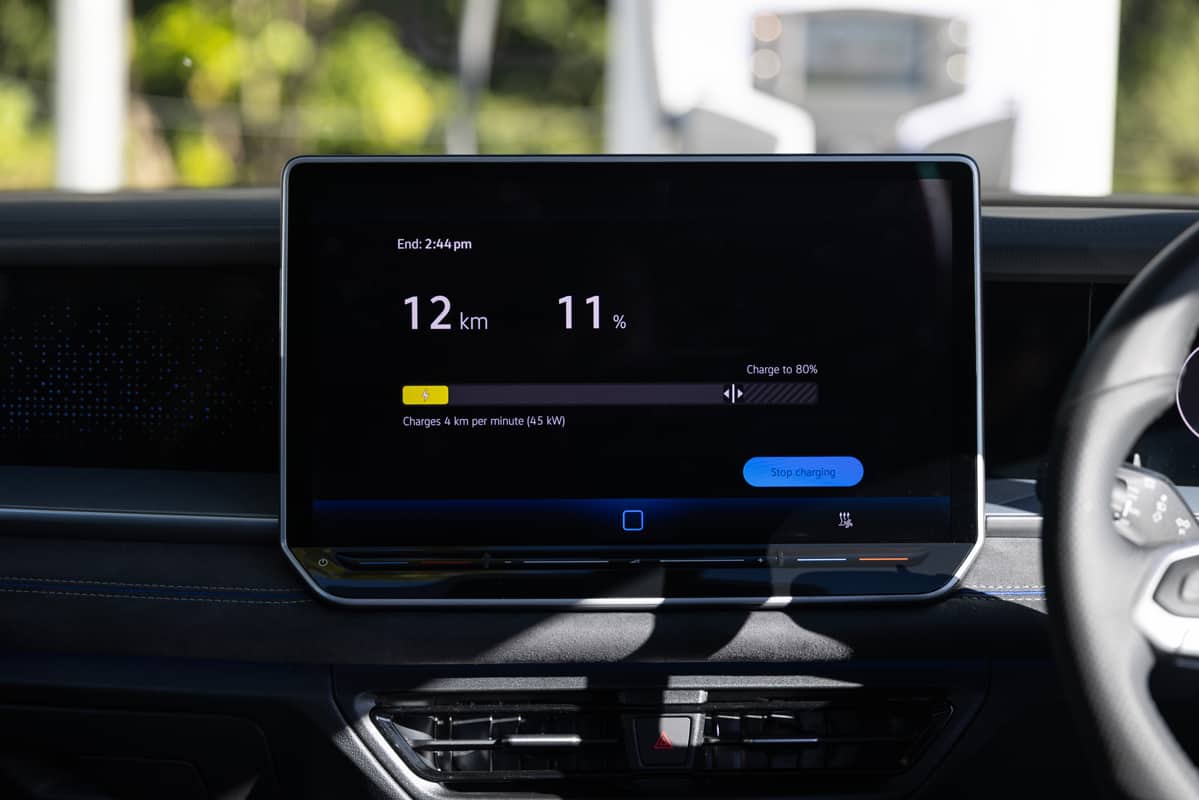
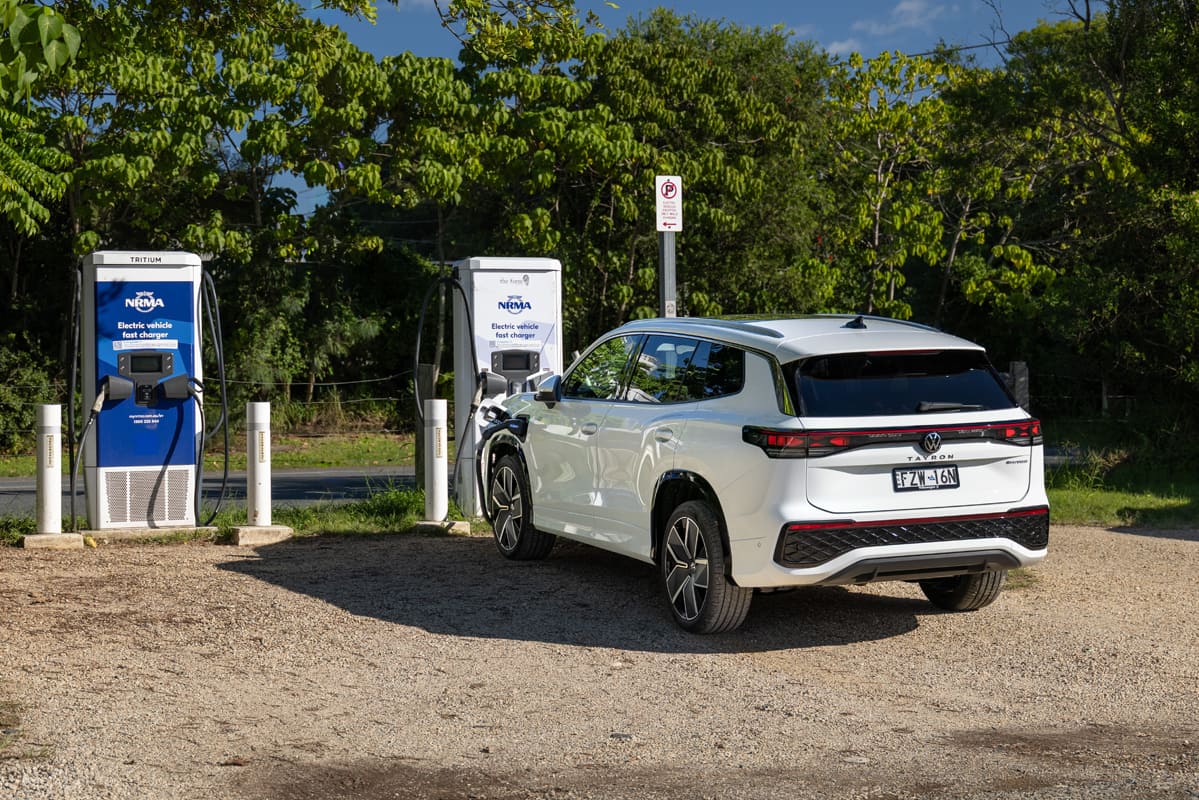
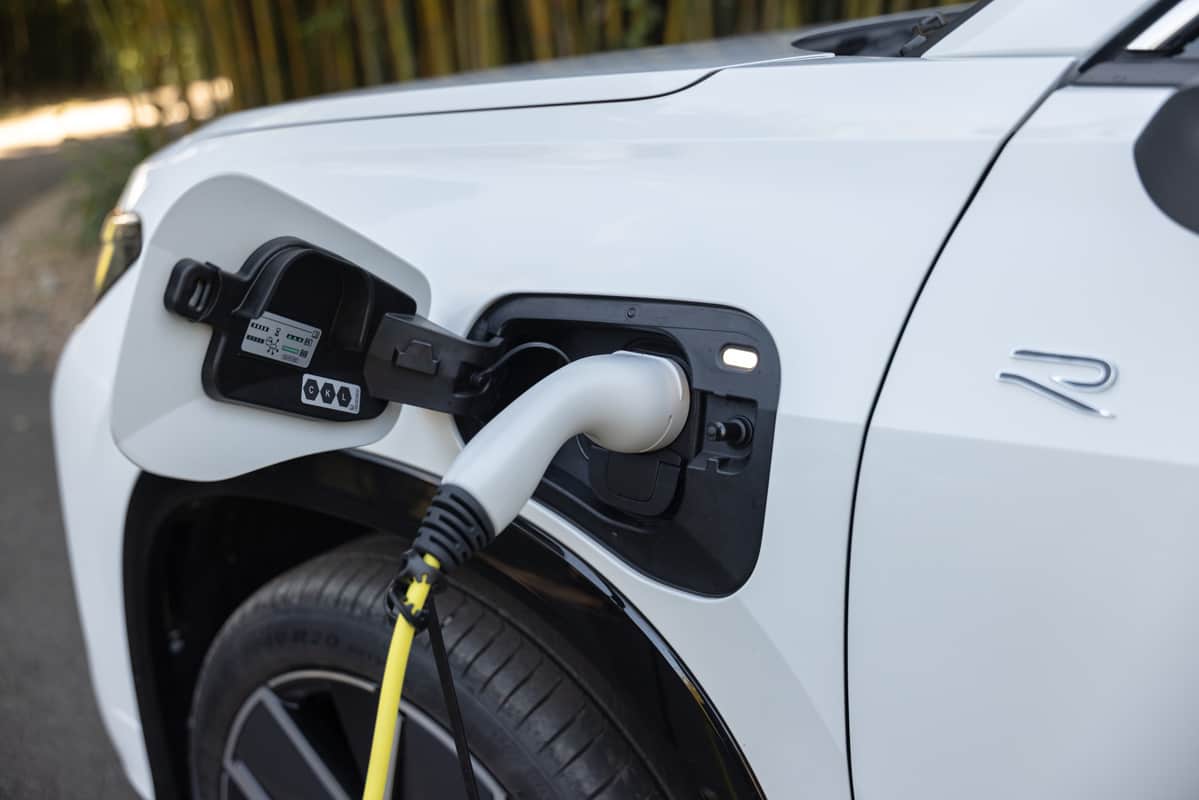
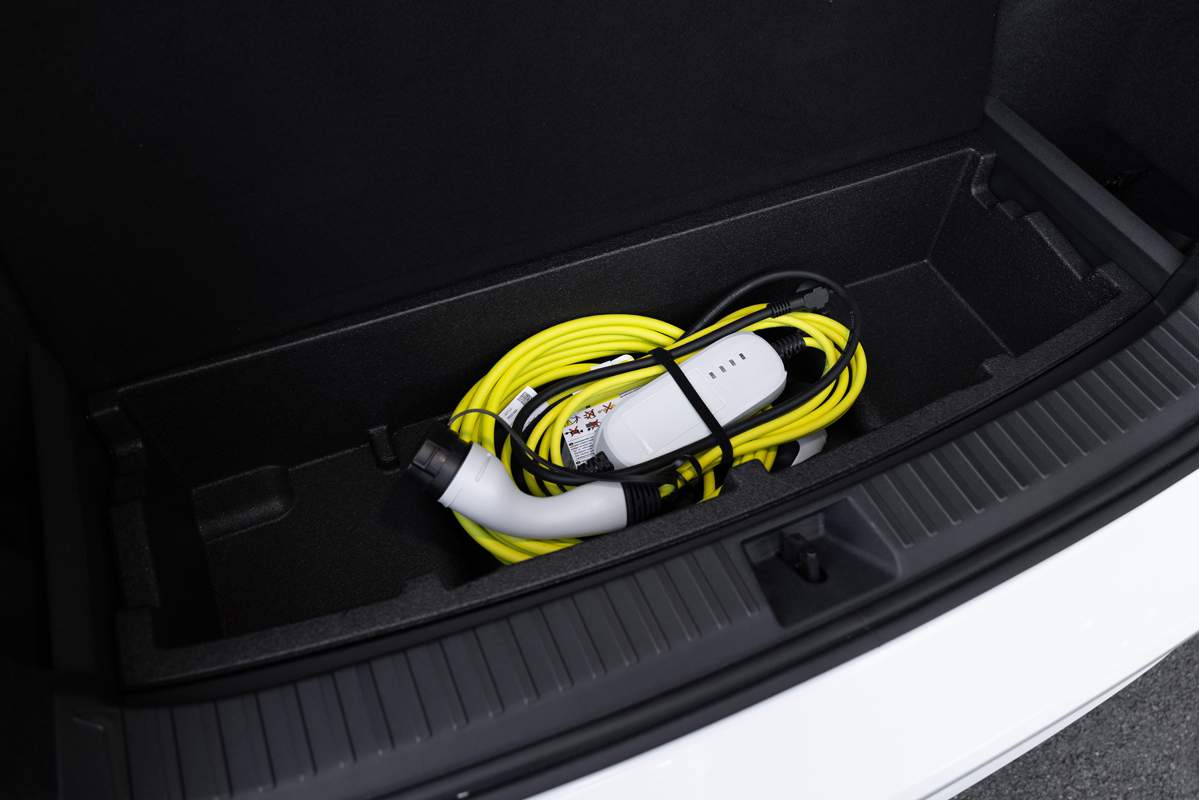
Both grades are set up for 40kW DC charging, or 11kW charging at home — the latter meaning you can essentially use a regular power point, or a much faster wallbox charger.
Trim Levels and Performance
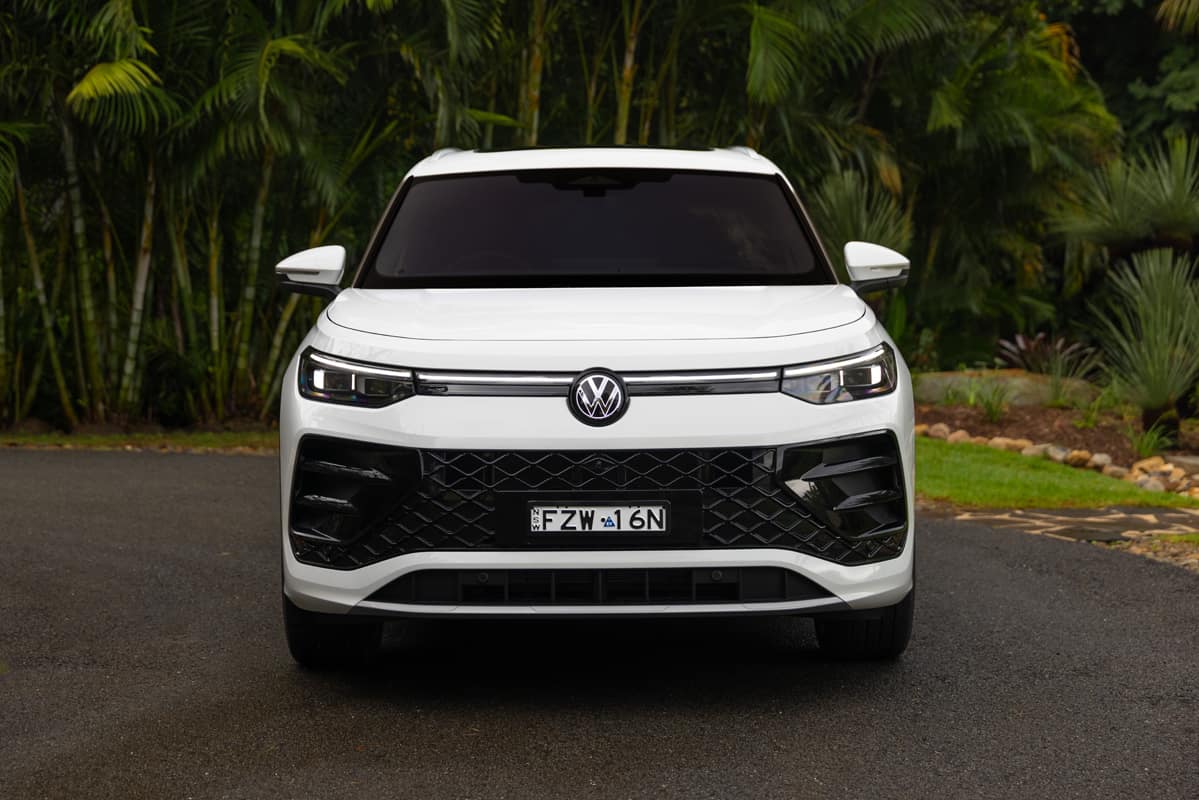
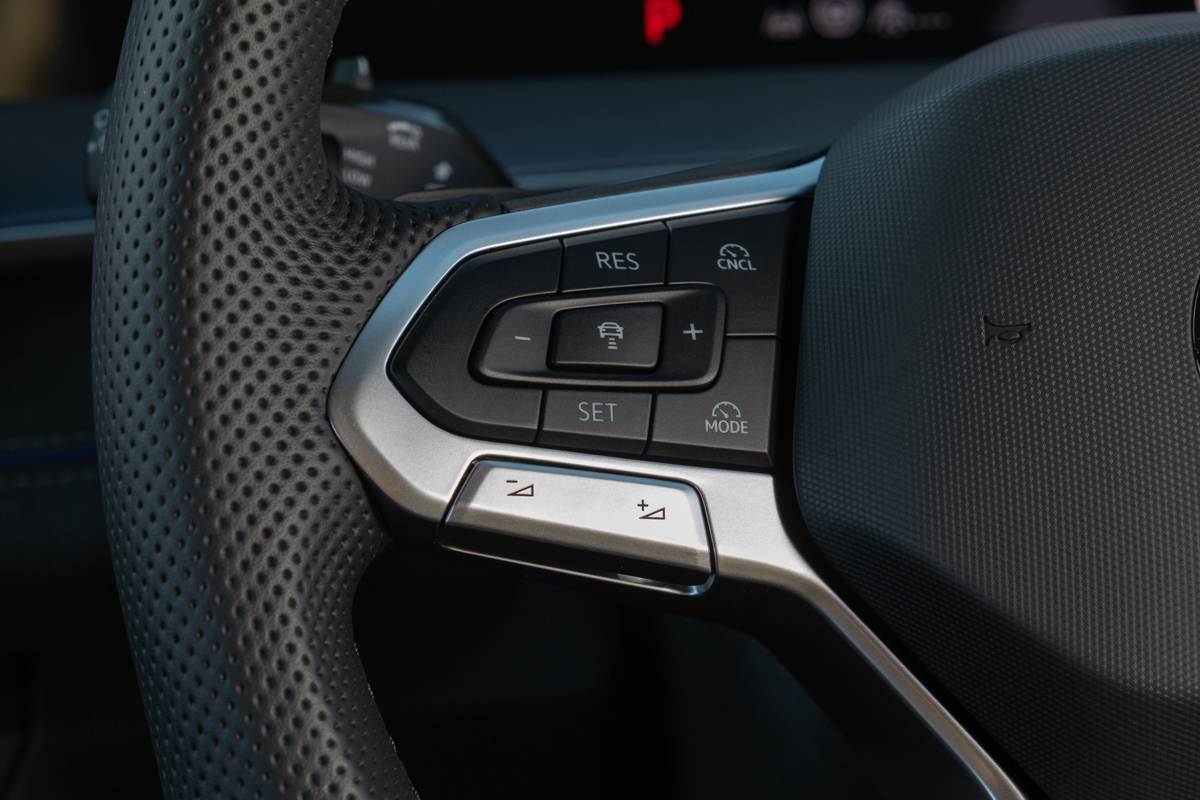
There are two trim levels, the Elegance and the sportier-feeling R-Line, with the latter also adding progressive steering to the driving aid list (both also get adaptive damping and an e-diff lock). There are also different power outputs for each — in Elegance guise, that means 150kW and 350Nm, while the R-Line improves the grunt on offer to 200kW and 400Nm.
Each trim has its petrol engine and electric motor up front, meaning front-wheel drive, with the battery at the rear, and feed their power through a six-speed dual-clutch gearbox.
And all of that is largely identical to the Tiguan. But from there, things change.
Spacious Interior and Practicality
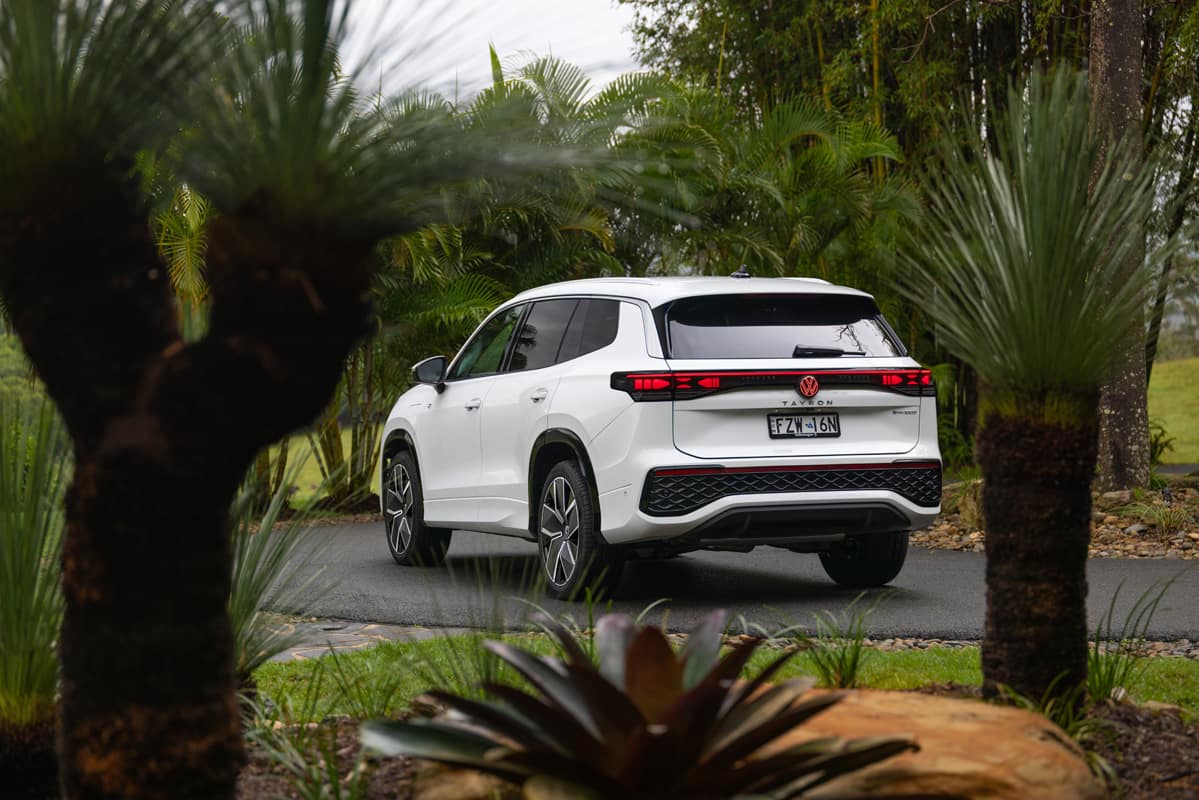
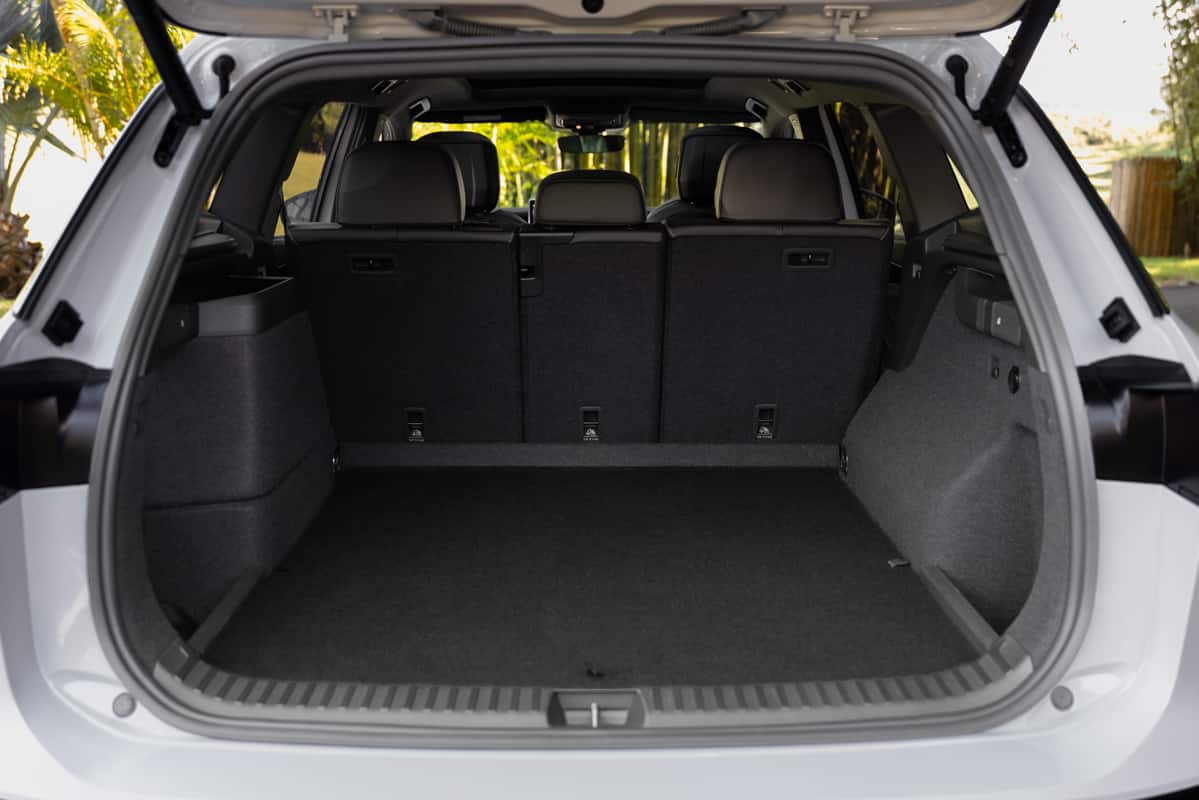
The Tayron PHEV might not sport the seven seats of internal combustion versions, but it’s still got the body size to fit them. It’s both longer and wider than its five-seat sibling, and it serves up wagon-like space in its boot, with a sizable 705 litres with the second row in place, and a massive 1915 litres with the row folded flat. That makes this a proper family transporter.
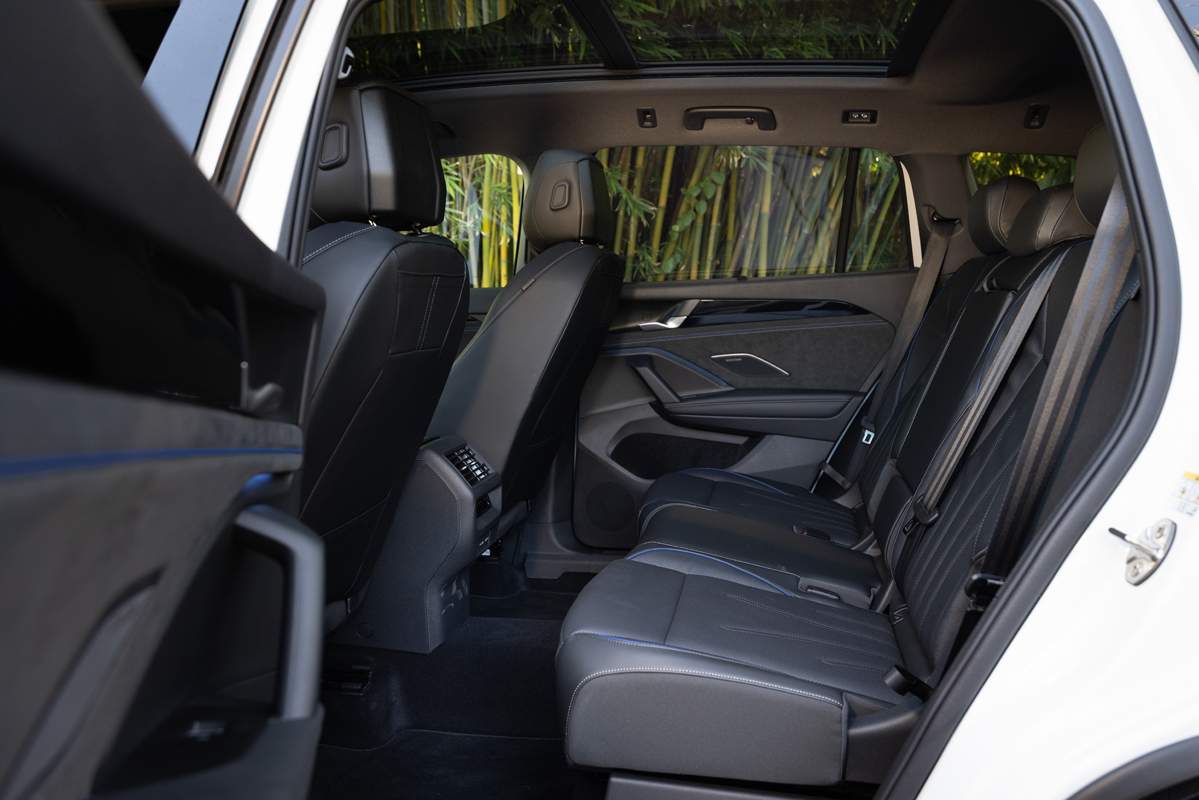
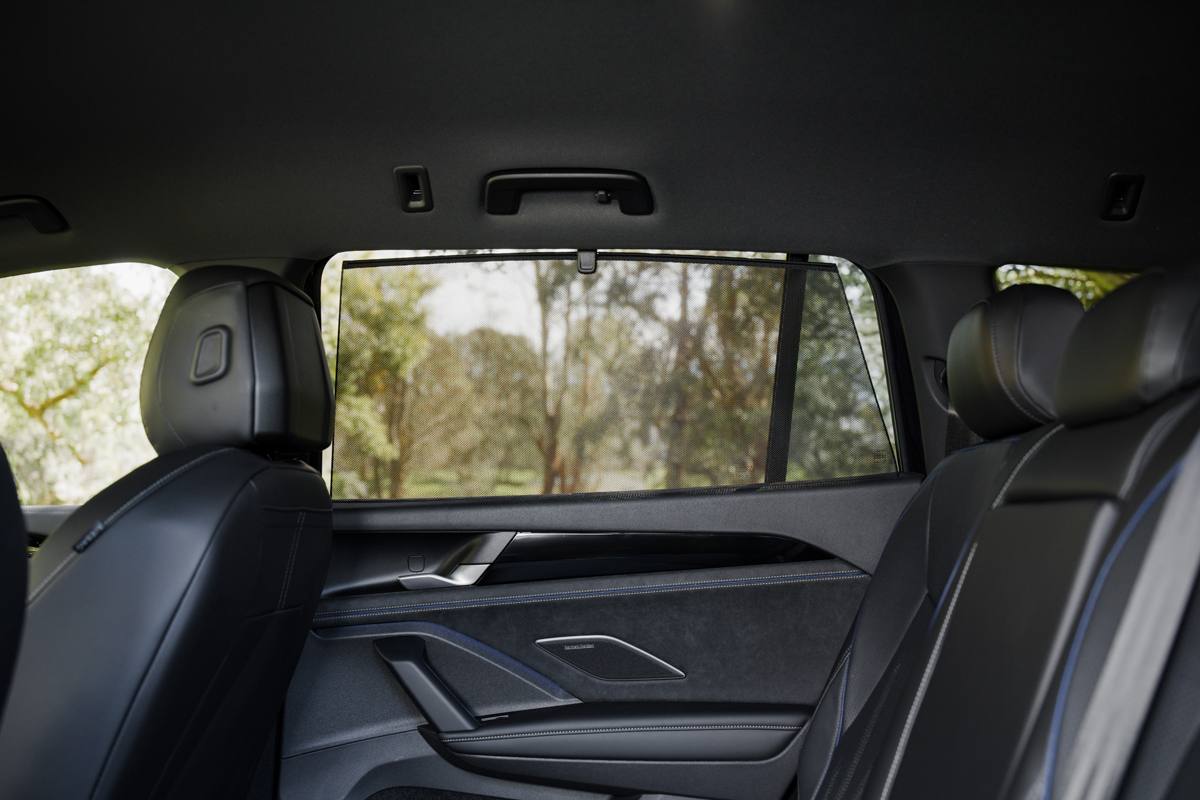
There is oodles of room in the back seat, too, though there is a comically large tunnel running through the centre of the backseat that will definitely impact leg room for adults riding in the middle seat.
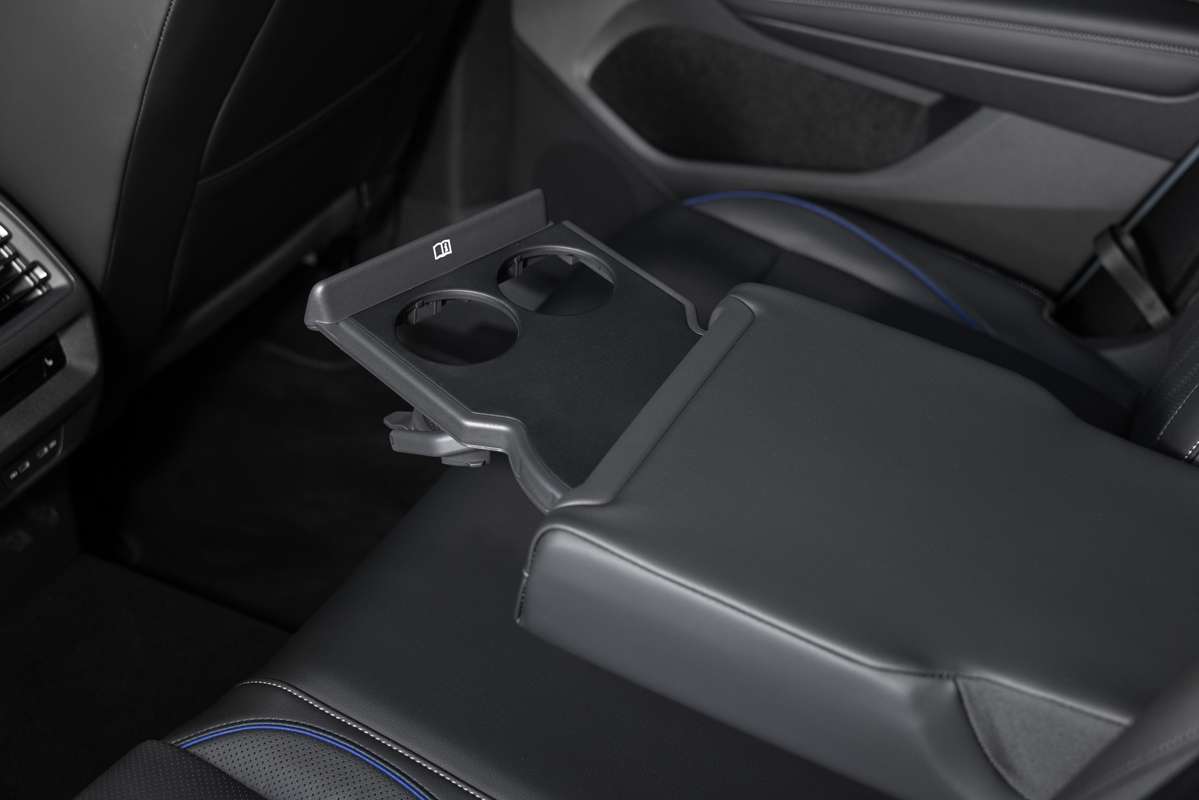
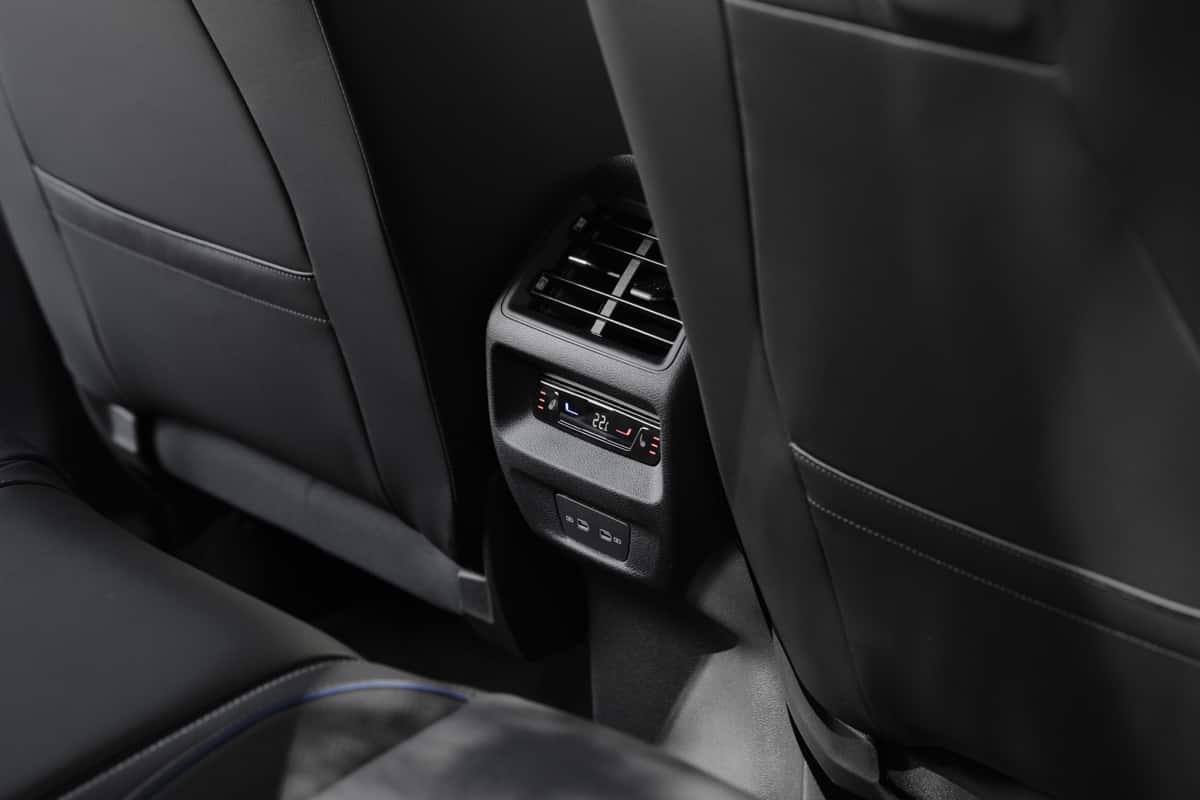
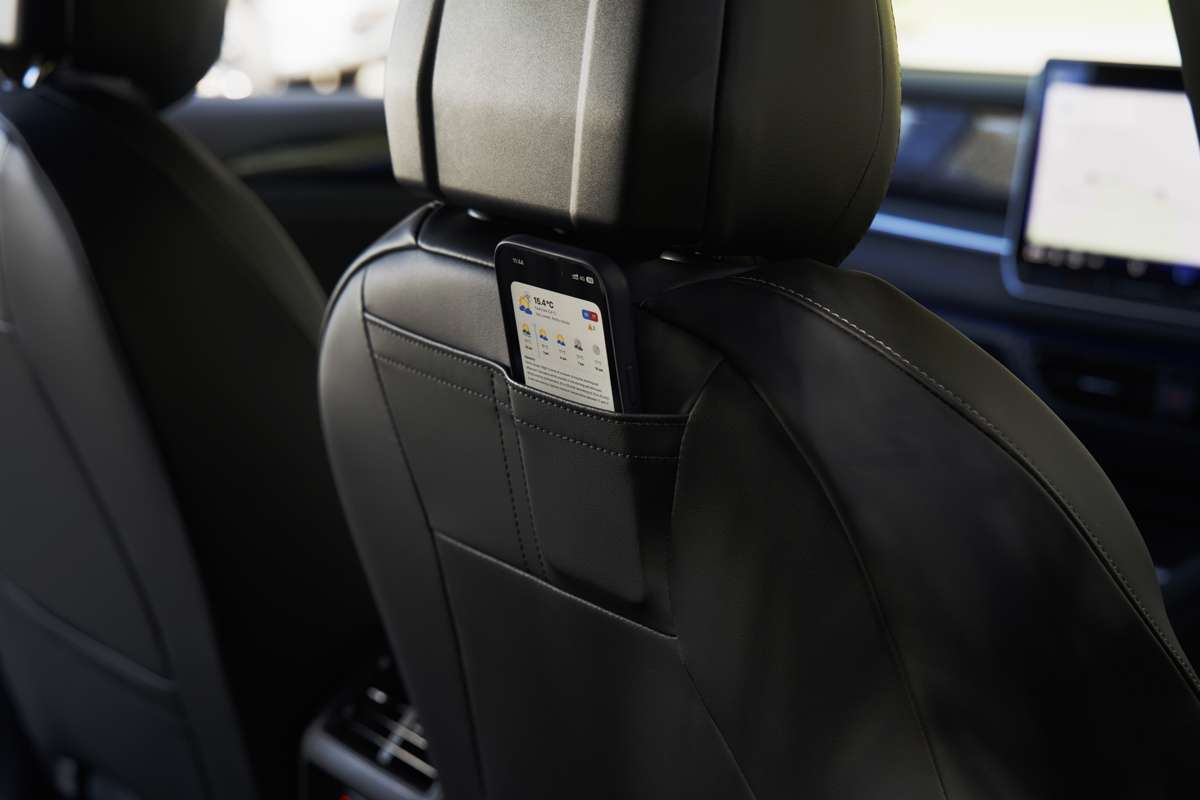
The window seats offer an adult-friendly amount of room, though. I’m 175cm, and had no issue getting comfortable. There’s also a pull-down divider, twin USB ports and tri-zone automatic climate with twin rear vents.
Interior Quality and Value
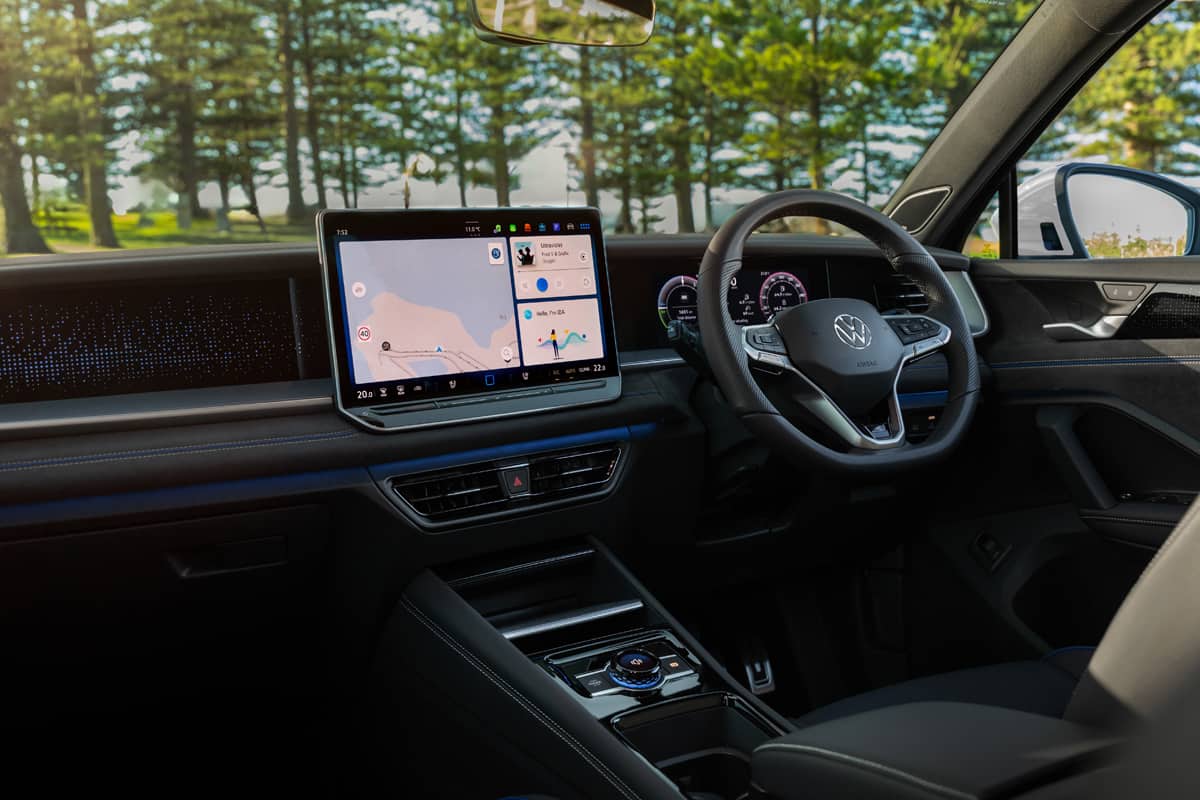
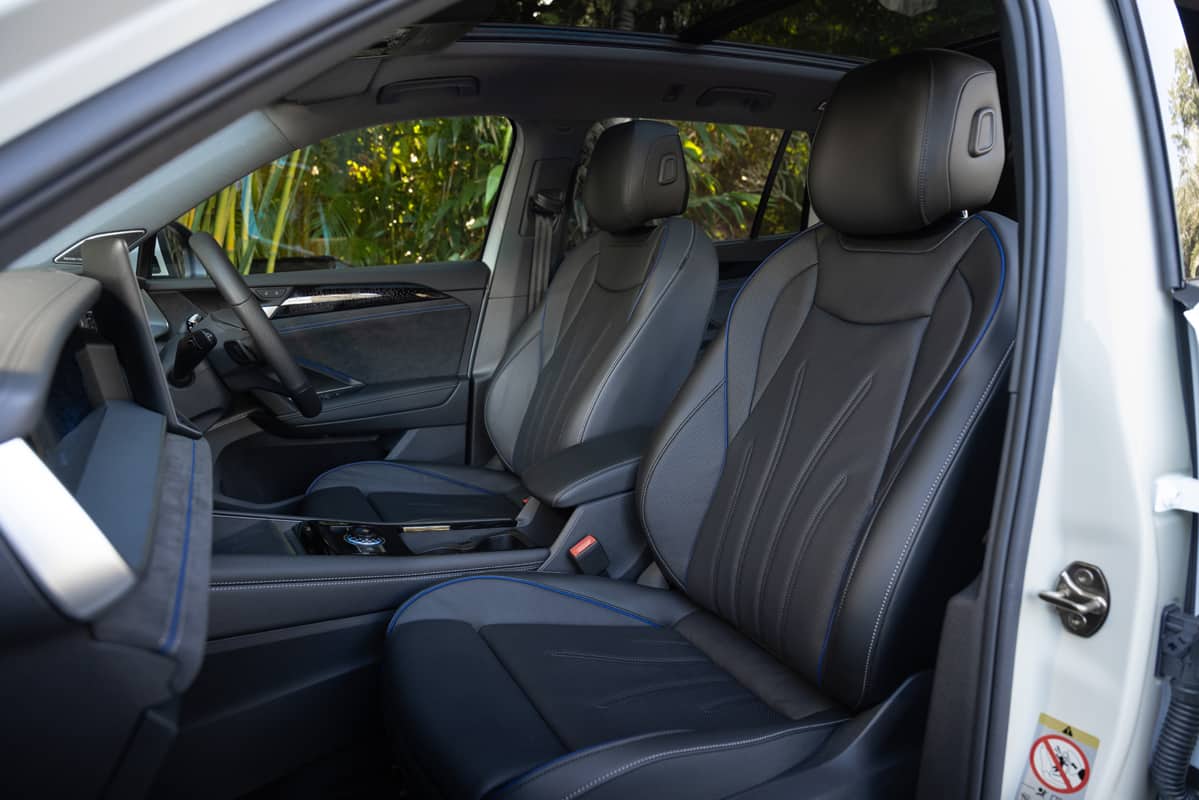
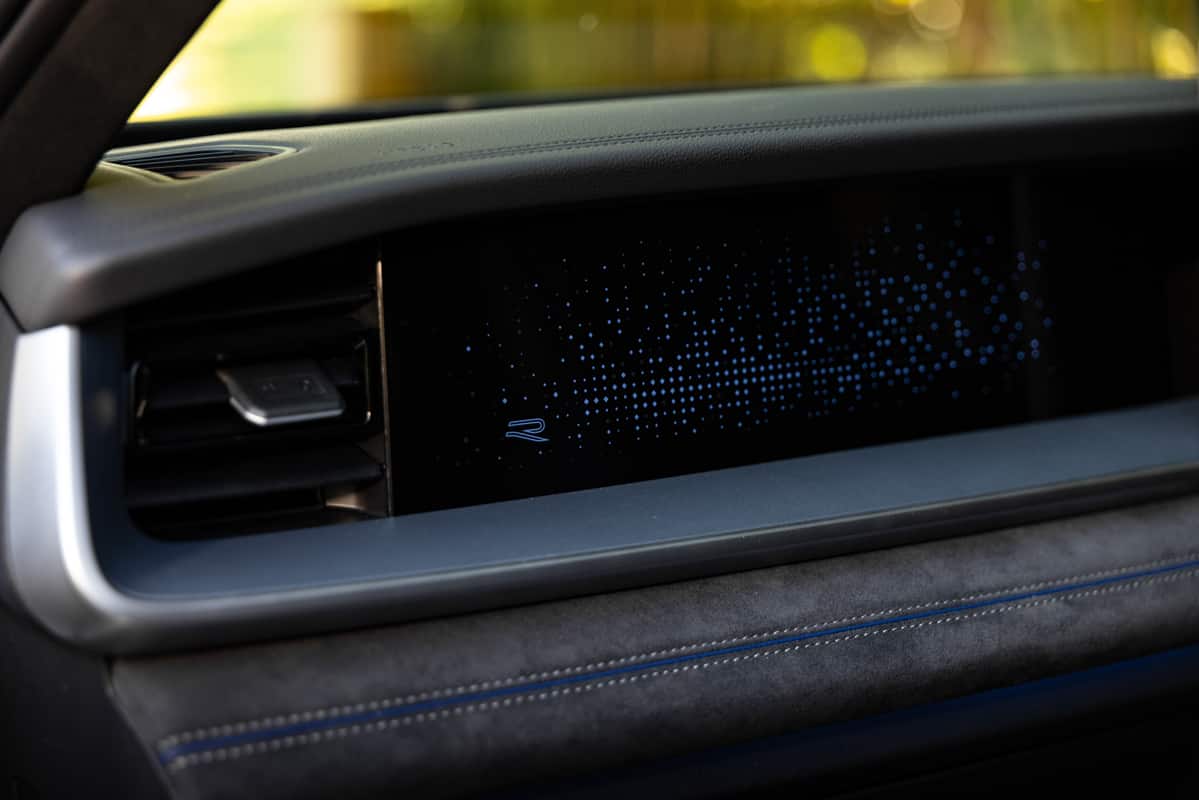
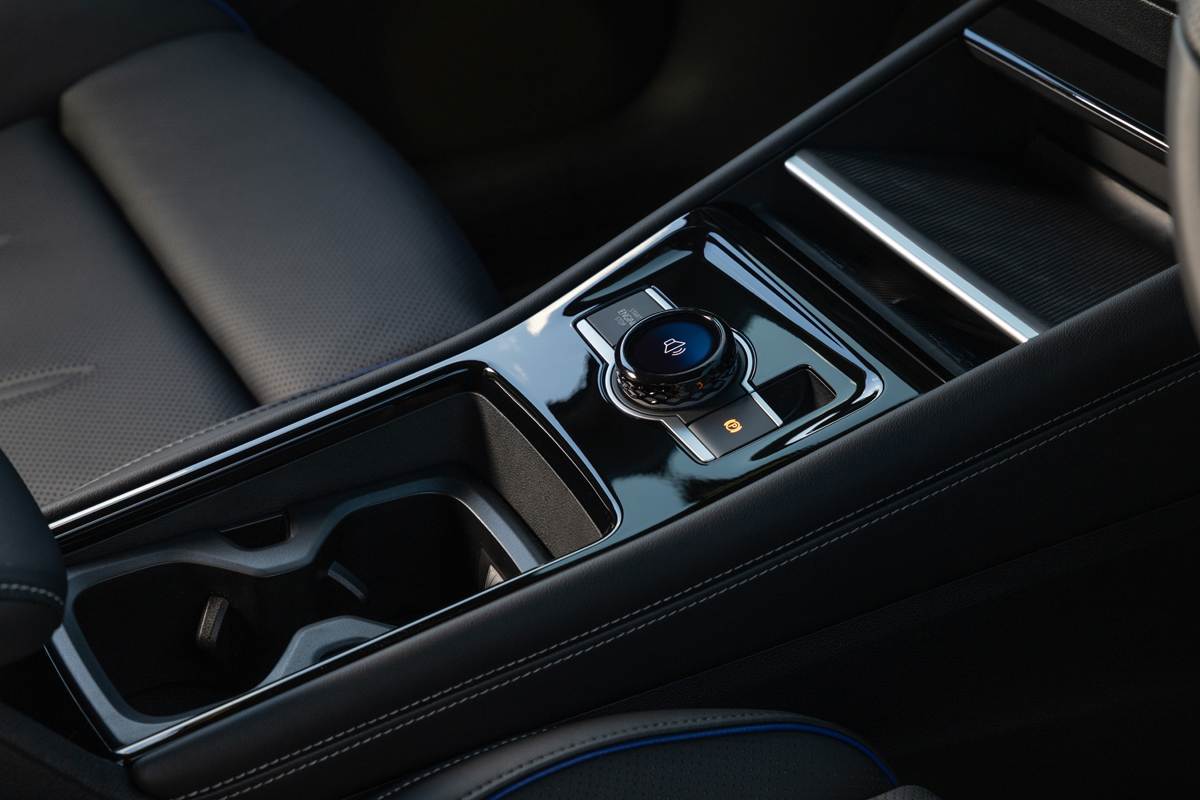
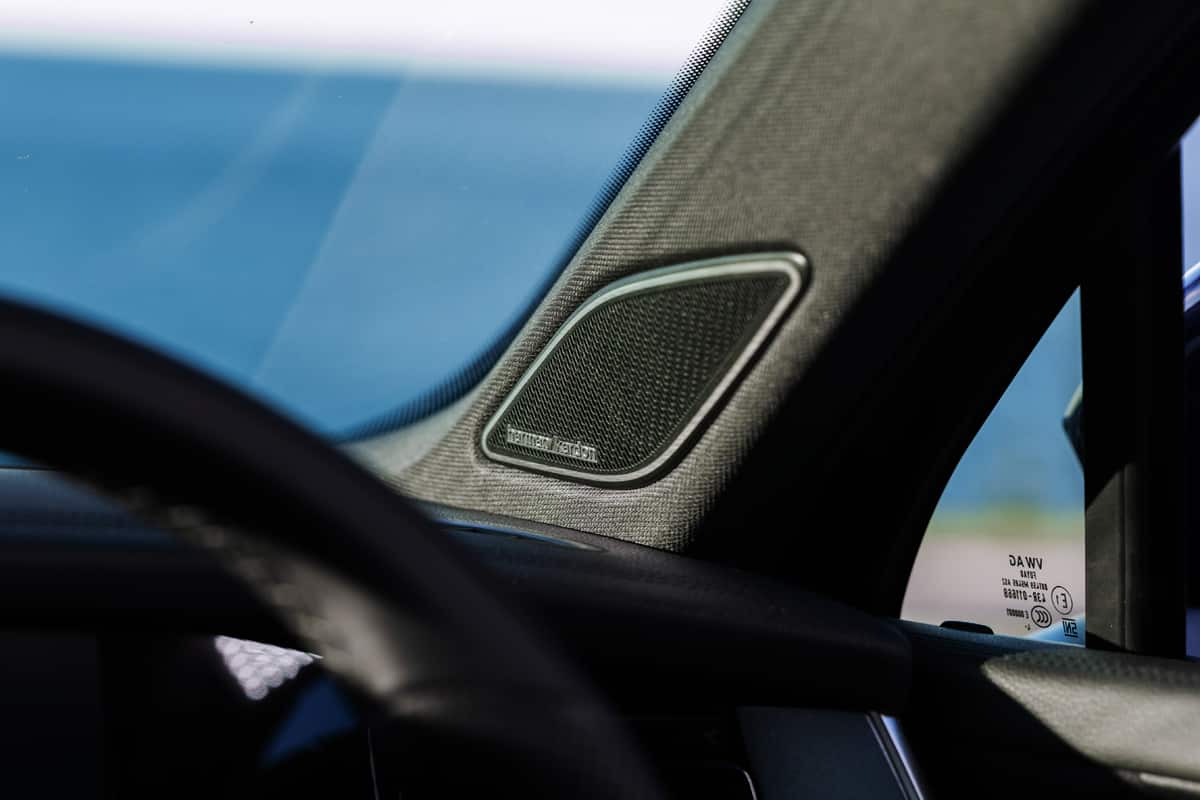
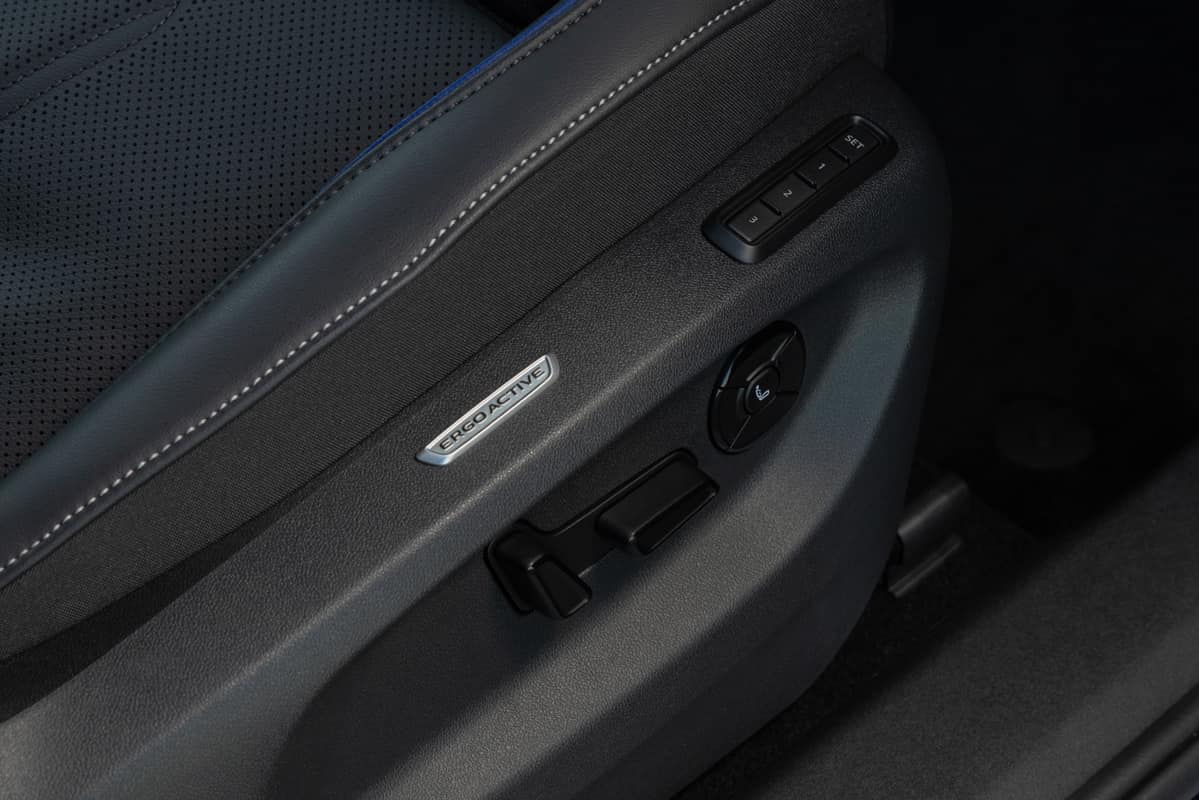
Both the Elegance and R-Line interior treatments are clean and modern, with solid material choices and a genuine feel of quality in the elements you interact with.
In more good news, I think the cheapest version is the stronger buy. The extra power on offer in the $75,990 R-Line version actually feels unnecessary in the context of the Tayron. The performance in the $62,390 Elegance feels ample, especially with the added zip from the electric motor when taking off at city speeds. Right now both models are significantly cheaper, too, with a limited drive-away offer on both grades that will see you on the road for less than the RRP.
Driving Experience and Handling
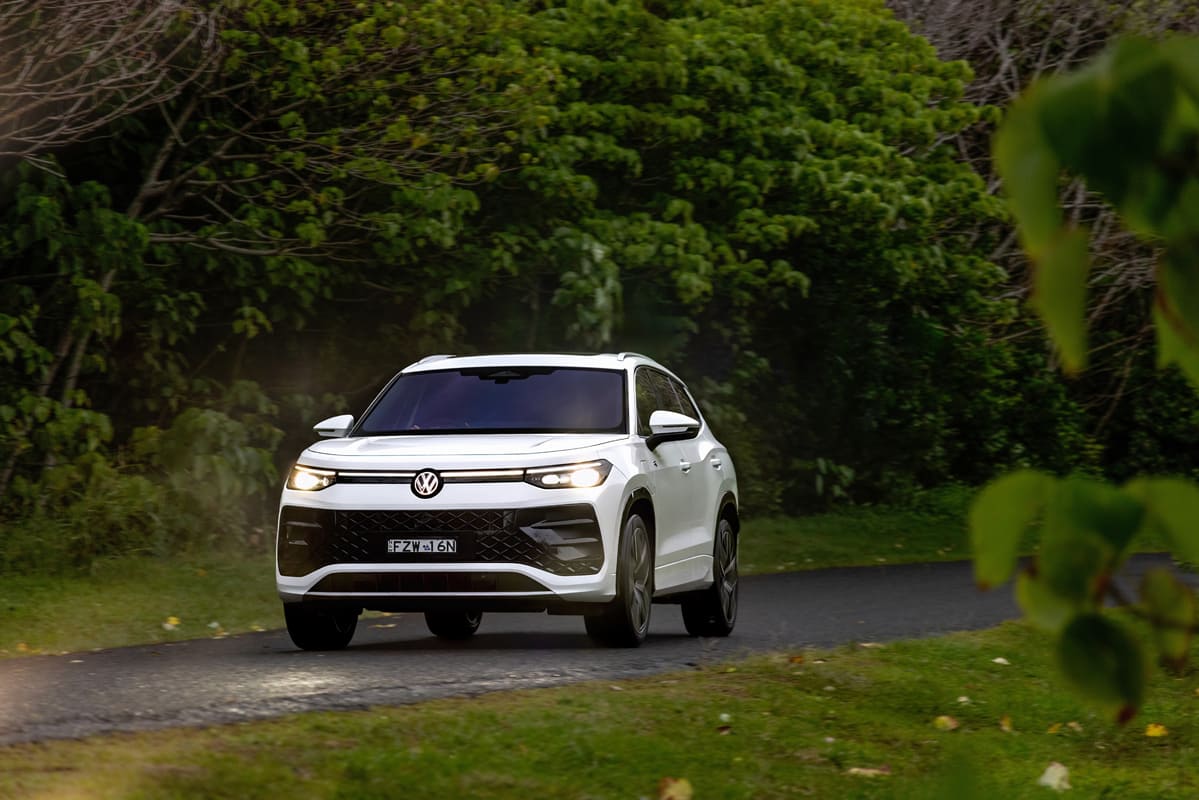
Anyway, the Elegance is officially about one second slower to 100km/h than the R-Line, sure, but a) it doesn’t feel it, and b) who cares? This is spacious family transport, not a Nurburgring rocket.
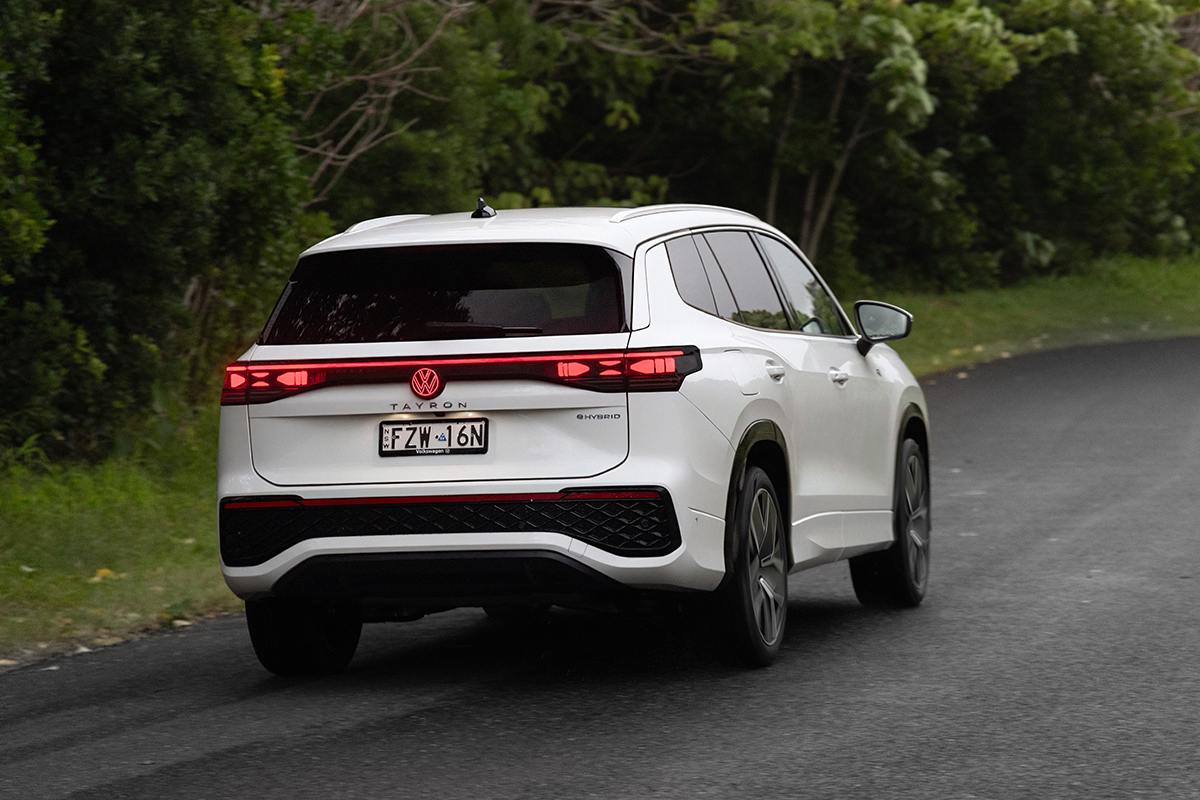
It can get a bit revvy when you really plant your foot from a rolling speed, and it can feel too firm on properly jittery road surfaces. But it’s otherwise a competent and pretty comfortable drive, with a confident weight to the steering and a feeling of connection between drive and car, especially on winding roads, that’s sometimes missing from its competition.
Comparisons and Verdict
There are subtle differences in the way the Tayron and Tiguan drive. Both feel competent and buttoned down, but the Tayron feels a little more stable and better balanced, likely owing to the 110mm longer wheelbase.
Like in the Tiguan, the EV power delivered when you take off really eases forward progression so much so that you really don’t want for more power.
Additional Details
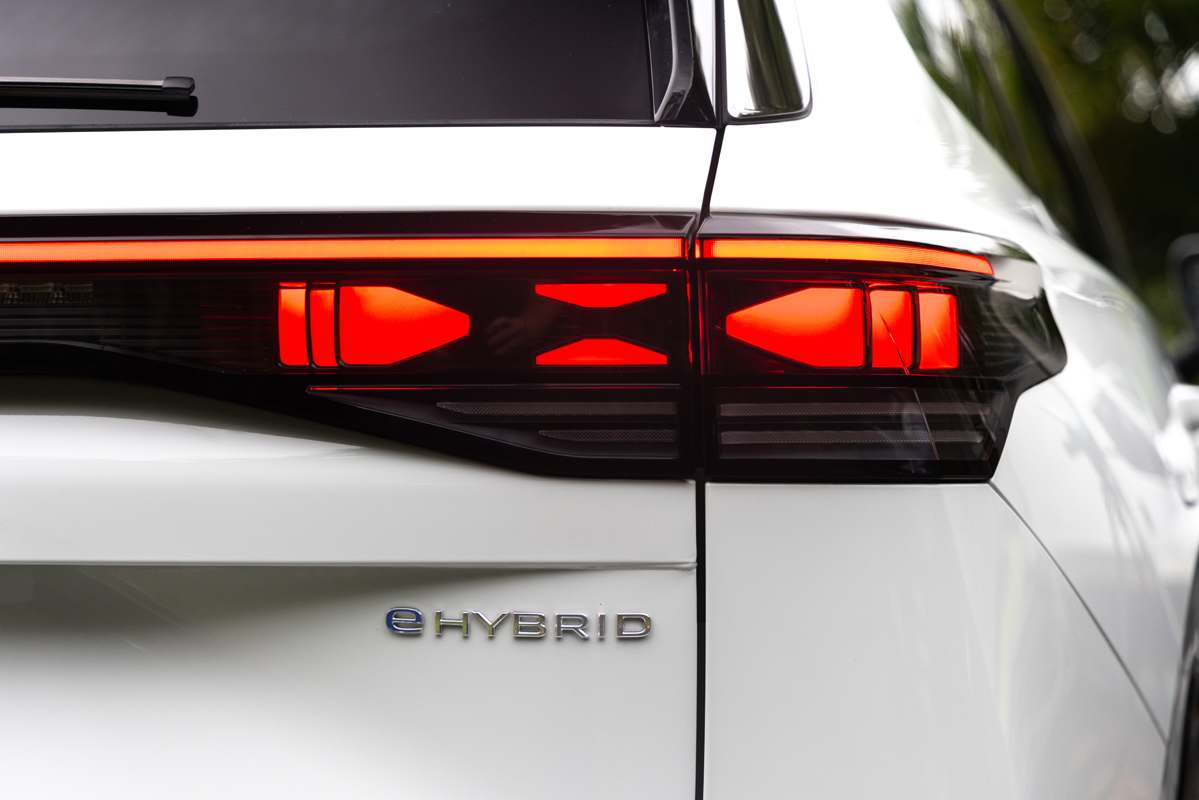
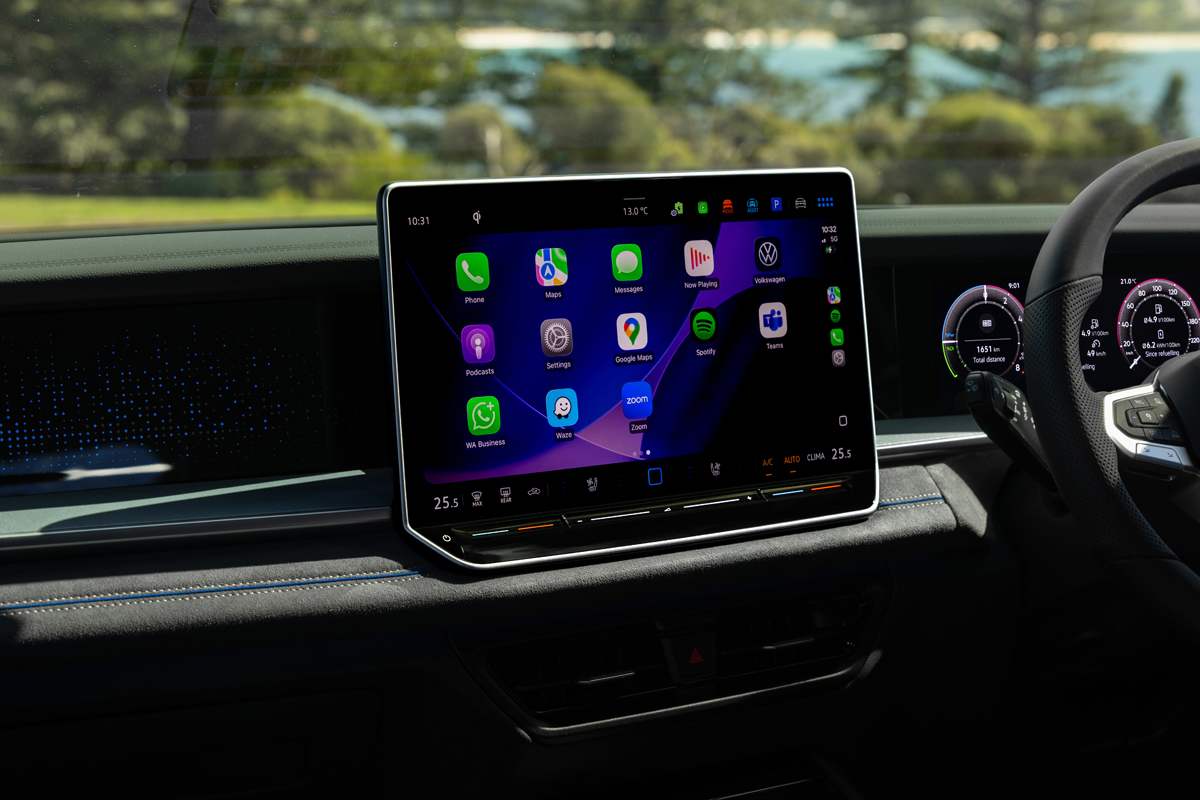
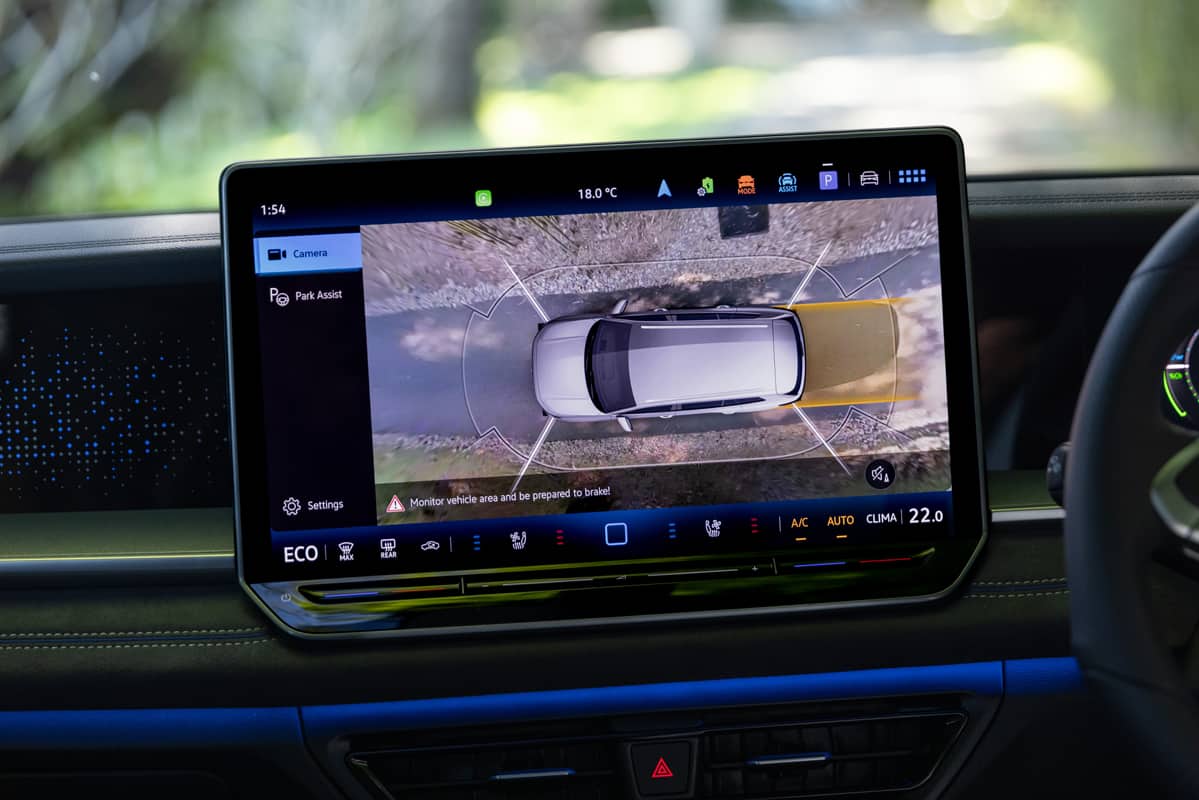
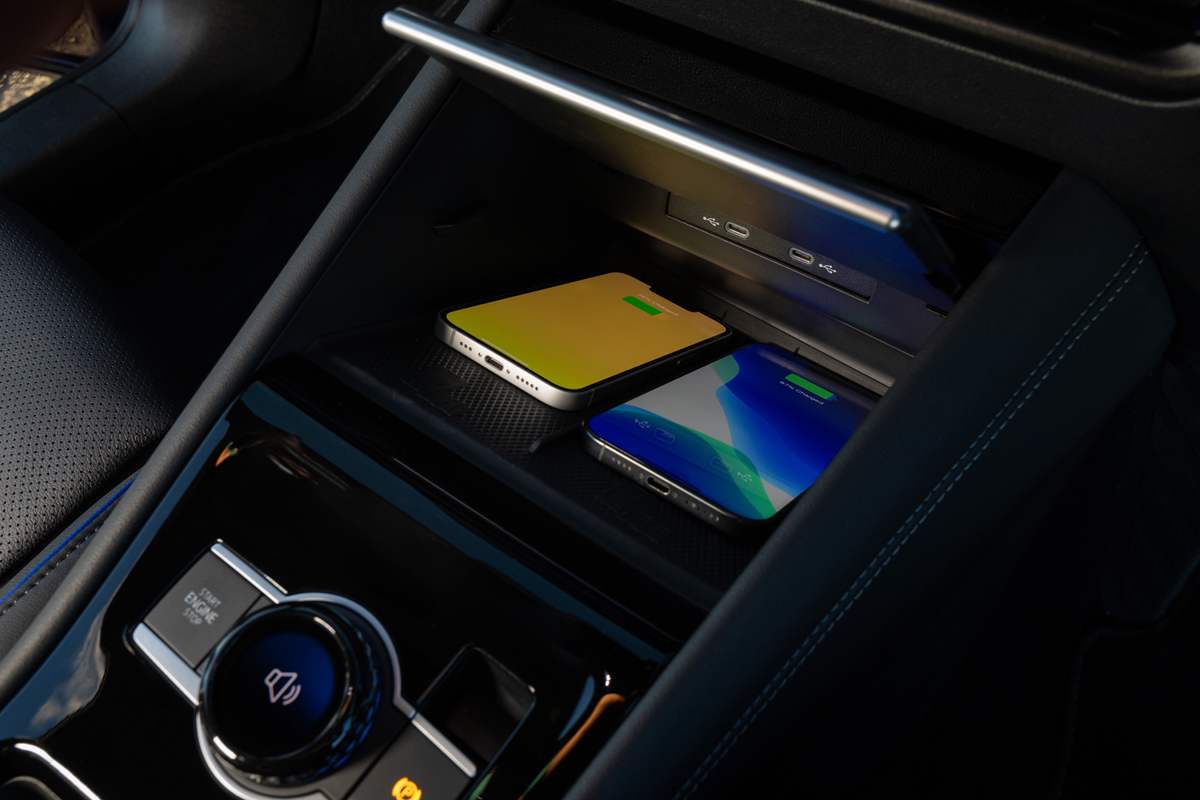
In Elegance trim, your spend buys you 19-inch alloy wheels, an auto-opening boot, and LED lighting. Inside, there’s leather trim with seats that offer heating, cooling and ventilation, a digital driver display, a 12.9-inch central screen and wireless charging.
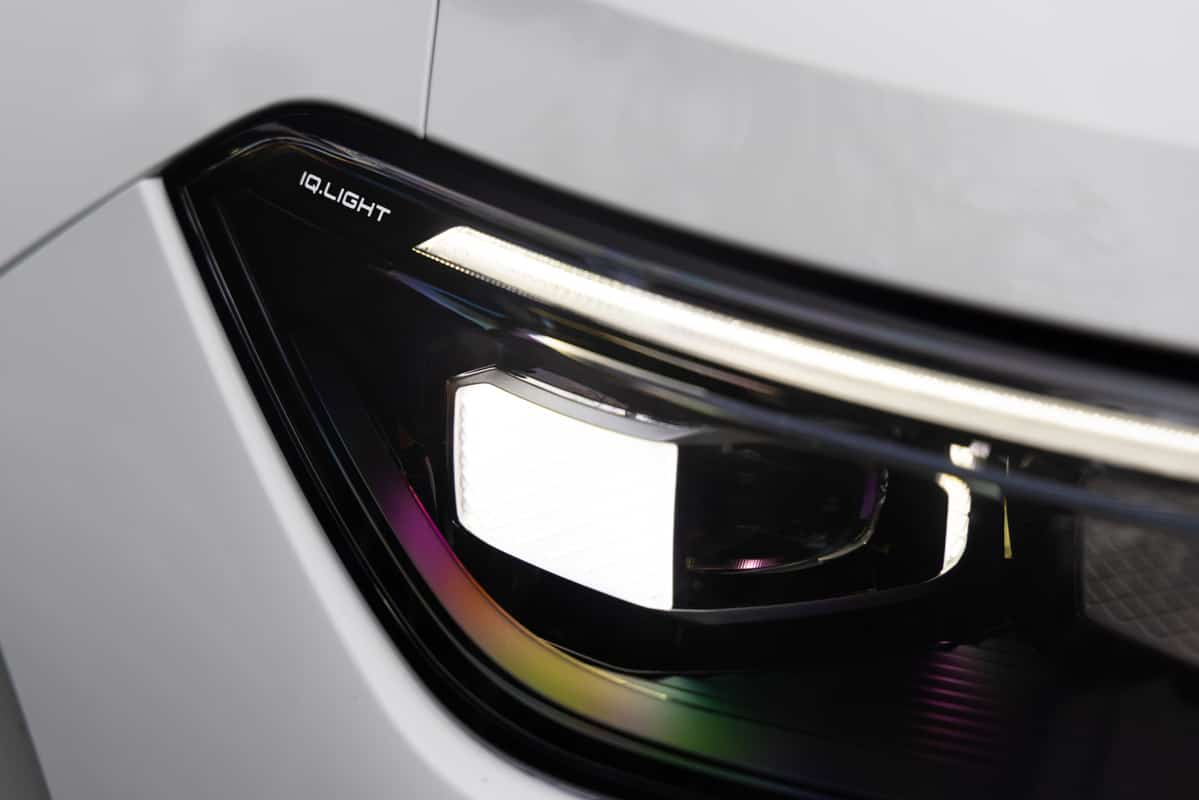
Springing for the R-Line nabs you a sportier look, as well as 20-inch alloy wheels and VW’s clever Matrix LED headlights. There’s a bigger screen and some other niceties, too, but how much all of that matters is up to you.
Unfortunately, Volkswagen won’t budge on its now-too-short-feeling five-year and unlimited-kilometre warranty, which grates in a world of seven-, eight- and 10-year warranties. Volkswagen insists its customers don’t want or need more, but I’d like to speak to some of these customers. The battery is covered for eight years or 160,000kms.
Servicing is required annually, and a three-year prepaid package will set you back $1605, while a five-year package is $3391.
For mine, the Tayran is the VW sleeper, and the Elegance eHybrid is the pick of the plug-in bunch.
Final Thoughts
It might be a new name (pronounced tie-ron, by the way), but I think the Tayron eHybrid outshines its more famous sibling. But save your money and opt for the less powerful powertrain, which better suits the family transport vibe here.