Mercedes’ Struggles with Race Starts
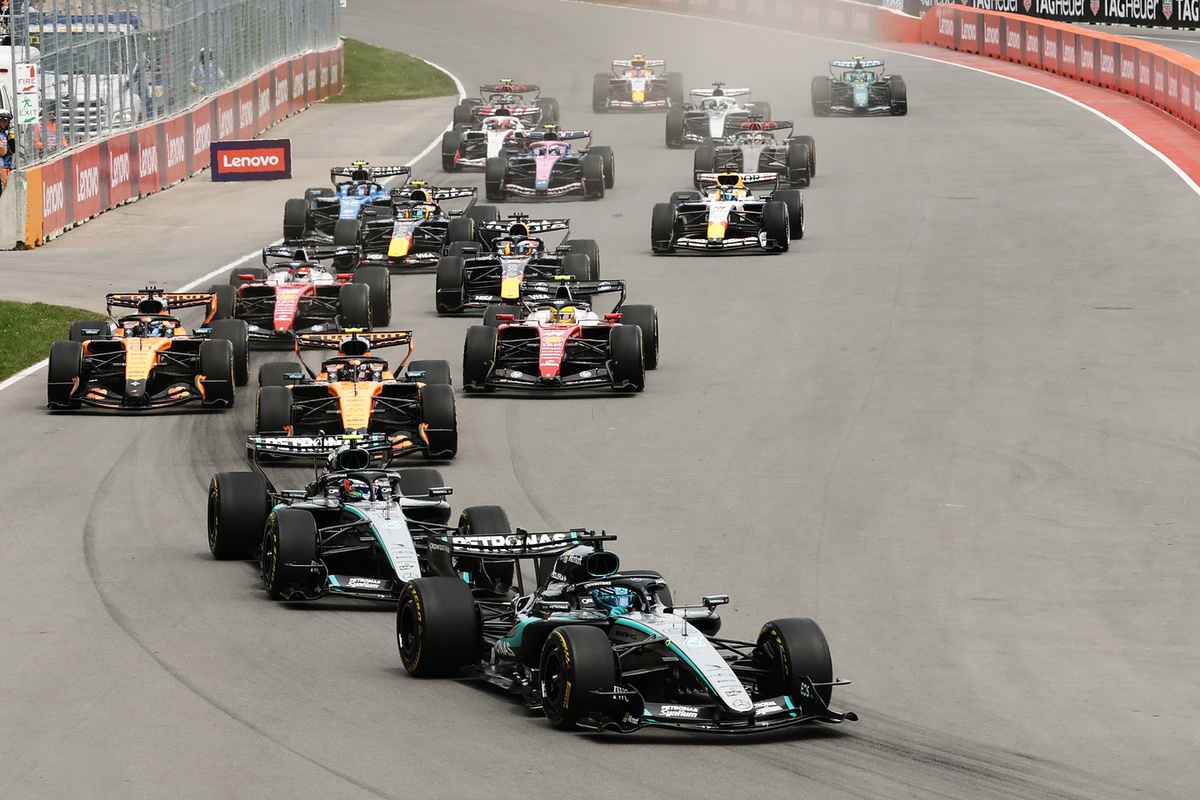
Mercedes has faced several challenges at the beginning of the season, and one of the most notable issues has been their race-start performance. On multiple occasions, especially with Kimi Antonelli, the team has lost positions when the lights went out, to the point where prior to Canada, they had never managed to lead at the end of the first lap despite securing all the pole positions.
This issue needed to be addressed because starting at the front only to be quickly overtaken by the rest of the field was not an ideal situation. While the size of the turbo played a role, it wasn’t the sole cause. In contrast, McLaren, which uses the same power unit, has often managed to get off the line effectively.
The Woking-based team, for example, manufactures its gearbox in-house and has opted for shorter gear ratios, a strategy that differs from Mercedes. According to team principal Andrea Stella, this approach offers an advantage at the start, although it is not the only factor. On average, the McLarens have shown better starting performance on two fronts.
The Problem of Consistency
Consistency was a major issue for Mercedes. Not only did they sometimes lack exceptional initial acceleration, but they also experienced significant inconsistency in their starts. On some occasions, they managed to lose just a single position, while on others, the drop-back was more substantial. This inconsistency was evident during testing in Bahrain, where it took a long time to achieve a good start. The problem particularly affected Antonelli, who often fell back early in races.
It’s important to note that Antonelli wasn’t always at fault. In Australia, he arrived on the grid with no power due to an error by the engineers, which prevented him from performing burnouts to warm up the rear tyres properly. Additionally, with a flat battery, his acceleration after clutch release suffered.
In China, there was a misunderstanding with the track engineer regarding the mappings to be used at the start, and in Miami, the issue was linked to incorrect estimates by the engineers, who expected higher grip from his grid position. The start parameters – from torque to clutch release timing – were set based on an overestimated grip level, leading to a knock-on effect.
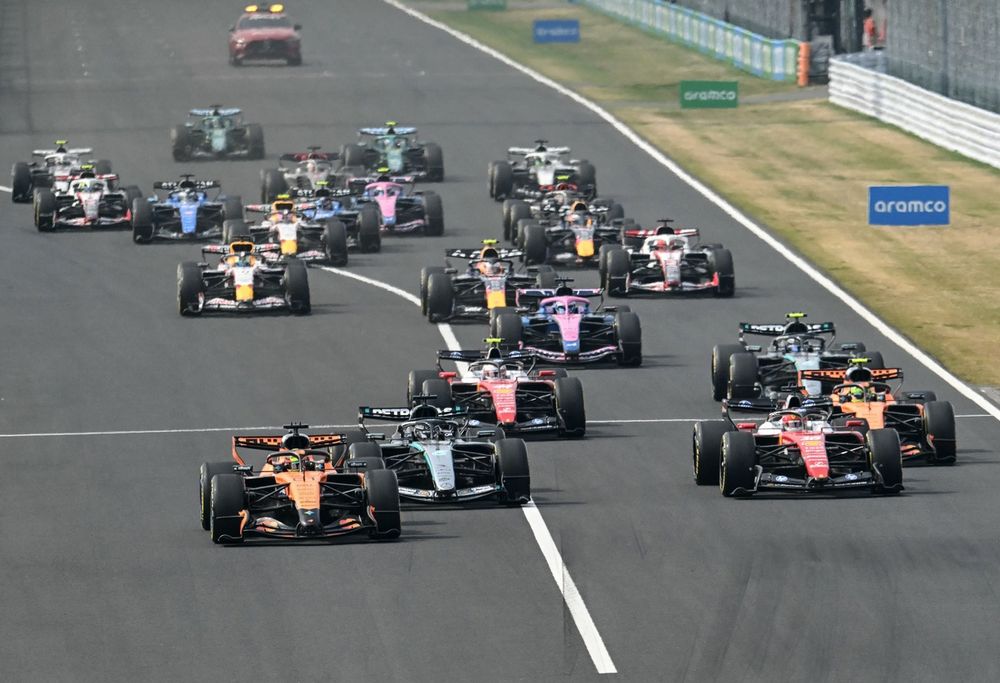
At Suzuka, however, the blame largely fell on Antonelli, who released the clutch too much. This is a sensitive component, where even a few degrees of movement can make a significant difference. For this reason, Mercedes had to address two areas: improving the software and redesigning the clutch lever.
Improving the Clutch Lever
Antonelli chose to redesign the clutch lever for better ergonomics, aiming to increase sensitivity during release. The lever itself hasn’t been completely redesigned; it remains the classic single-lever design used for years. However, changes have been made to the housing where the fingers are inserted, introducing small variations in positioning that allow for finer control during the release phase.
“We have a new clutch lever on my side, to help me be a bit more consistent when releasing the clutch. Obviously, the team has also worked hard on the software and the clutch itself, trying both to improve performance and to make the system a bit more robust,” explained Antonelli, who tested the solutions in free practice and confirmed the changes for the rest of the weekend.
The housing is tailored to each driver’s needs, as finding the right feel at the release point is crucial. In Canada, Mercedes seems to have made progress: in the sprint, Russell produced a real slingshot start, likely the best among the front rows. In the race, however, the three consecutive starts and the slippery conditions caused by drizzle made a precise assessment more difficult, but the performance at the release cannot be considered negative.