The Return of the Pajero: A New Era for Mitsubishi in Australia
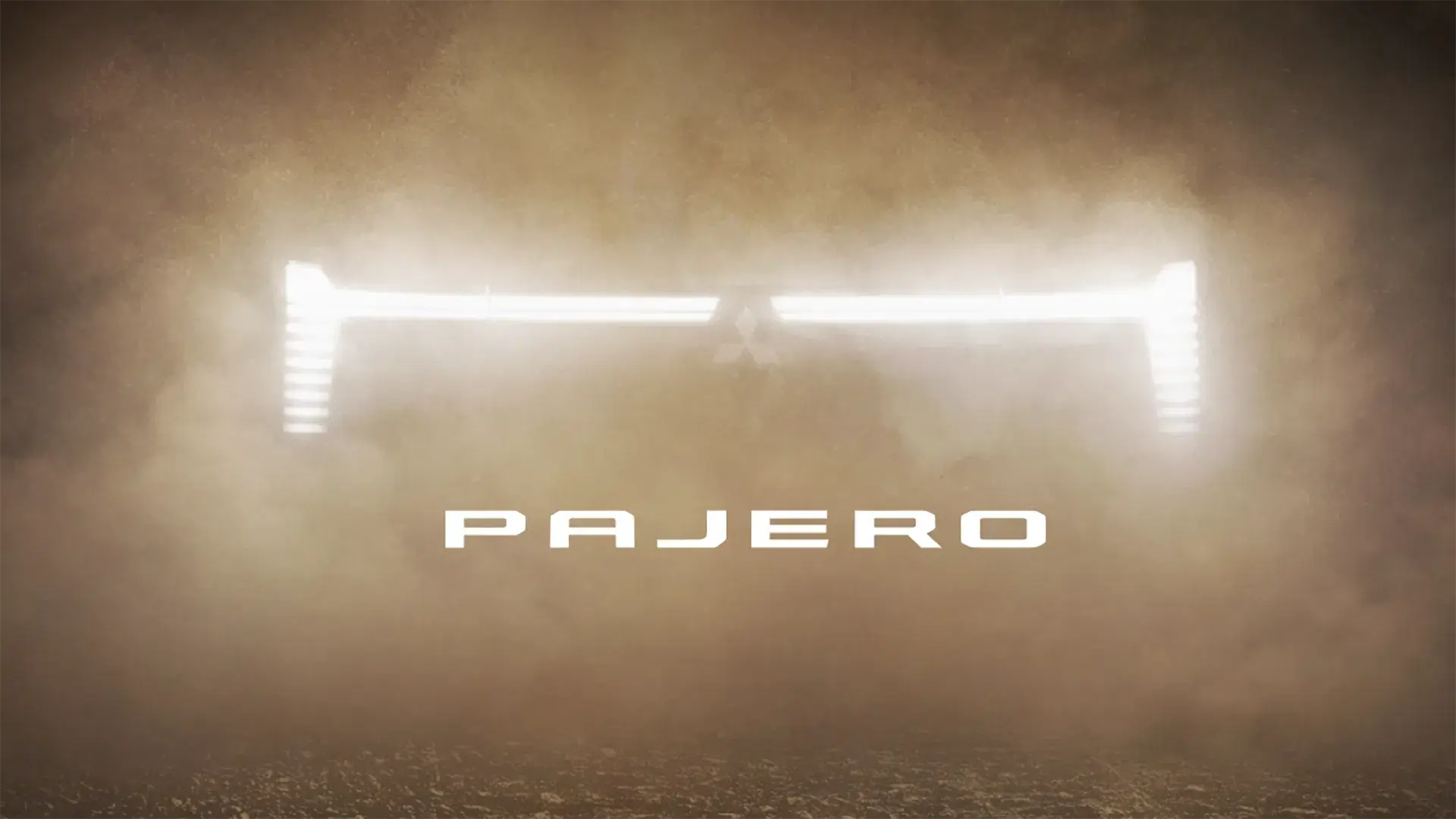
Mitsubishi has officially confirmed that the successor to its Pajero Sport will be branded as the Pajero, marking a significant return to one of its most iconic names in the Australian SUV market. This decision is not just a nostalgic nod but a strategic move to reinvigorate the brand’s presence in the large SUV segment.
The Pajero nameplate, which was a staple in Australia for nearly 40 years, is set to make a comeback with the new model. This move comes after the Pajero Sport was phased out due to safety regulations and declining sales. The new Pajero will be based on the Triton ute platform, featuring a ladder-frame chassis, a departure from the previous monocoque design.
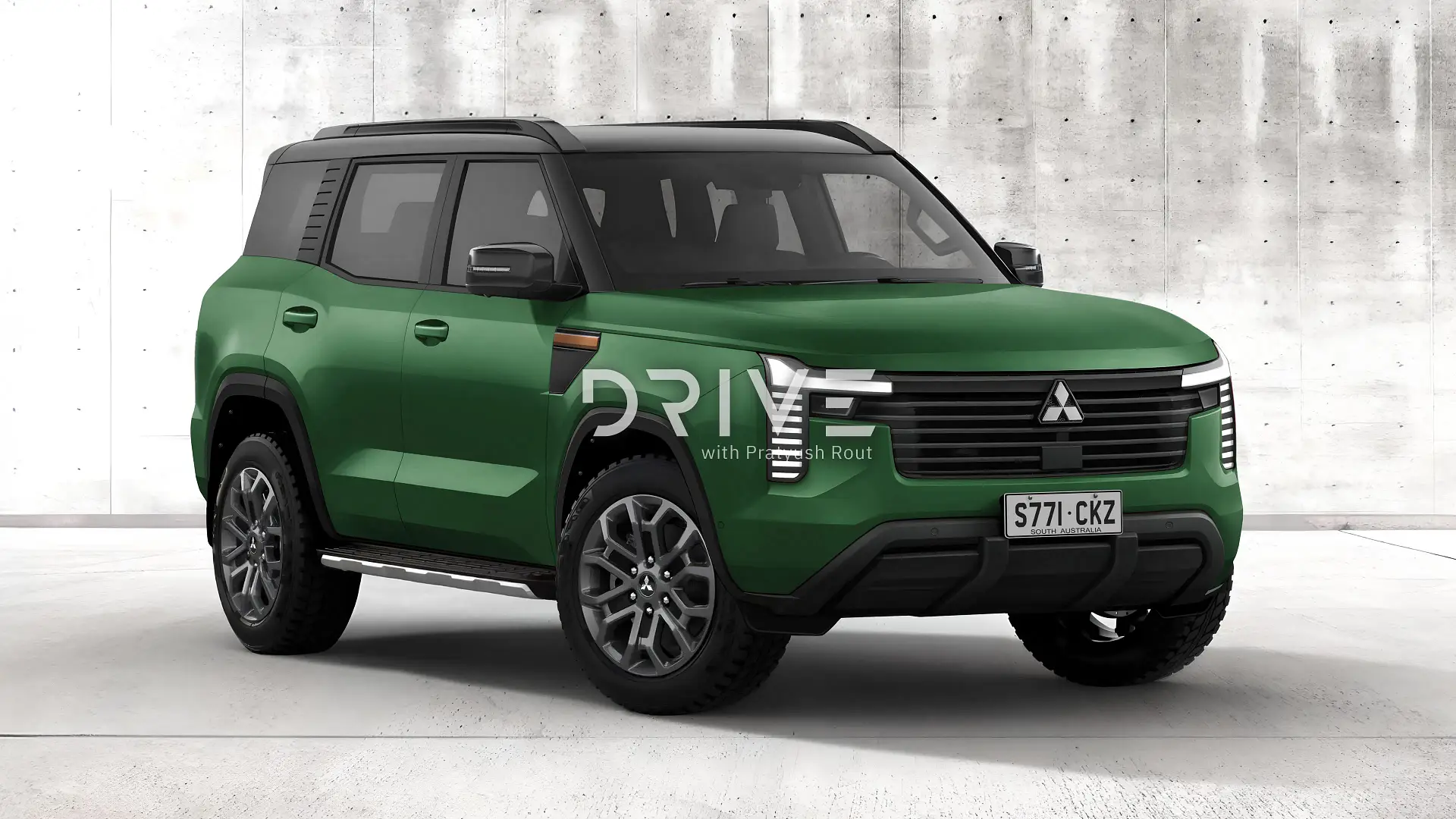
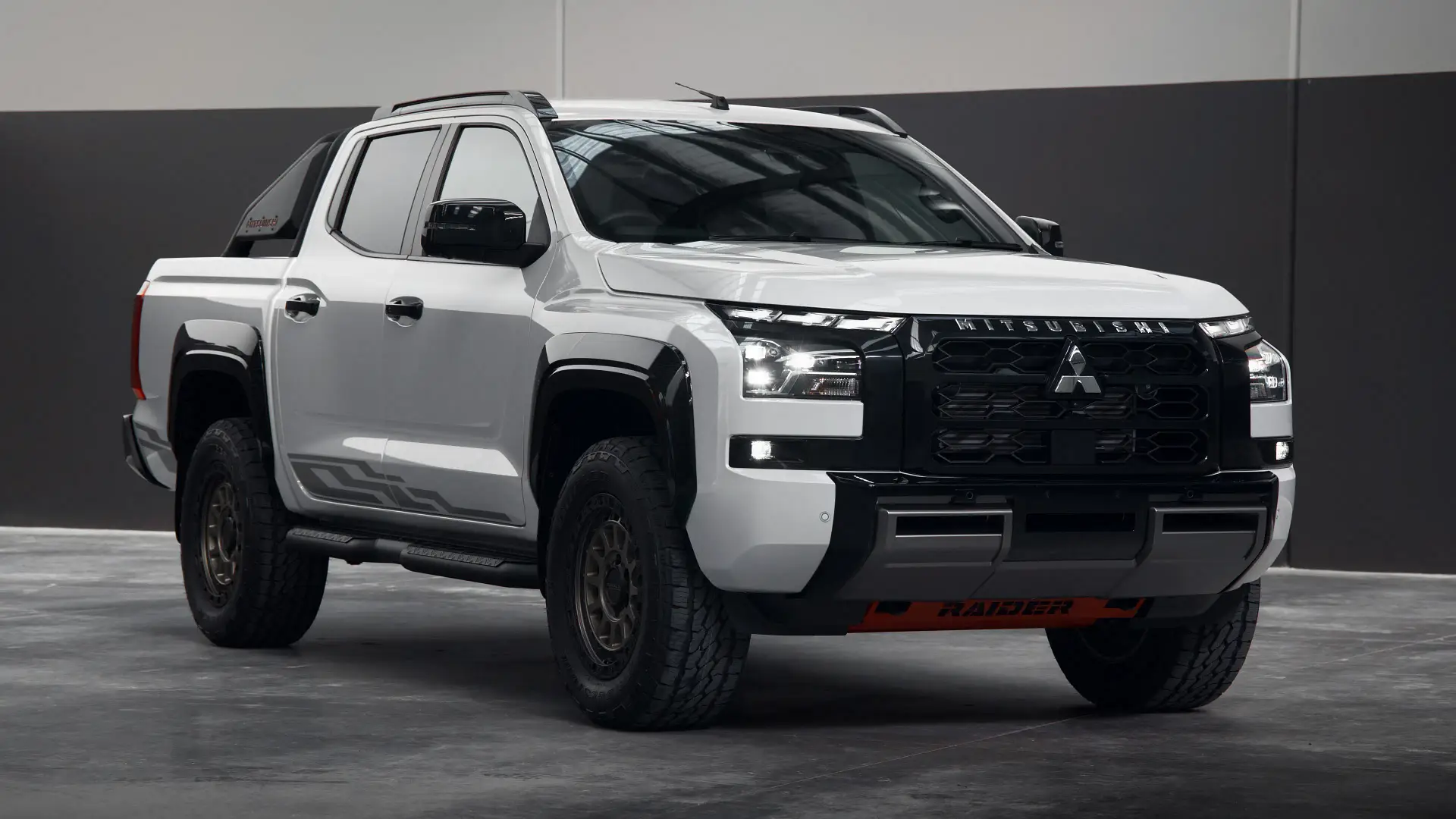
According to Mitsubishi Australia’s General Manager of Product Strategy, Bruce Hampel, the return of the Pajero name is expected to resonate strongly with customers. “Our news today is the naming of the large flagship SUV, which will be the Pajero,” he stated during the launch of the Triton Raider off-road ute.
The new Pajero is scheduled for a global reveal in the northern autumn of 2026, with an anticipated arrival in Australia by the end of the year. This timing allows Mitsubishi to capitalize on the growing demand for large, capable SUVs while aligning with the brand’s broader product strategy.
The original Pajero made its debut in Australia in 1983 and was discontinued in Japan after four generations in 2021 due to declining sales. Despite this, the Pajero Sport continued to find a loyal following in Australia, selling over 65,000 units since its introduction in 2015.
However, production of the Pajero Sport in Thailand ended ahead of schedule due to new safety regulations, specifically related to autonomous emergency braking (AEB) technology. This led to a forward ordering program by Mitsubishi Australia to ensure sufficient stock for customers before the new Pajero arrives.
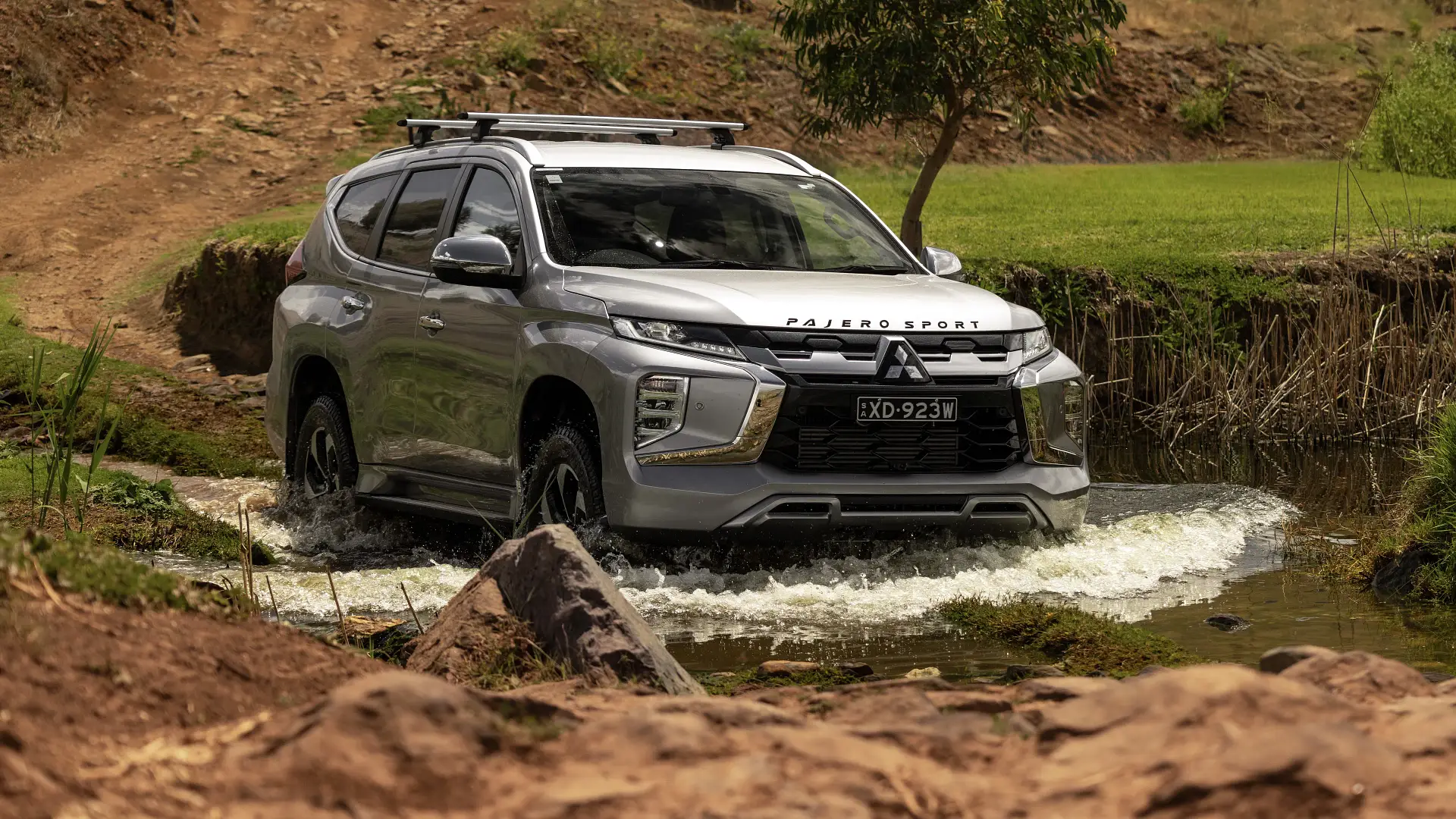
With stock running low, the outgoing Pajero Sport is priced at $51,540 and $65,590 before on-road costs, but the new model is expected to see a price increase to match competitors like the Ford Everest and Toyota Prado.
The new Pajero will be sourced from Thailand, the same country that produces the Triton for Australia. It is likely to feature the Triton’s 2.4-litre ‘4N16’ bi-turbo diesel engine, with potential upgrades for increased power and torque. There are also plans to introduce 48-volt mild-hybrid or plug-in hybrid options in the future.
While the current Pajero Sport is equipped with a 133kW/430Nm ‘4N15’ single-turbo diesel engine, the new model could draw from the Outlander PHEV’s 2.4-litre non-turbo four-cylinder petrol engine paired with electric motors. This would offer a combined output of up to 221kW, though modifications would be needed to accommodate the demands of an off-road-focused SUV.
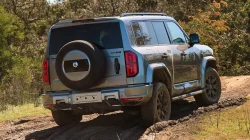
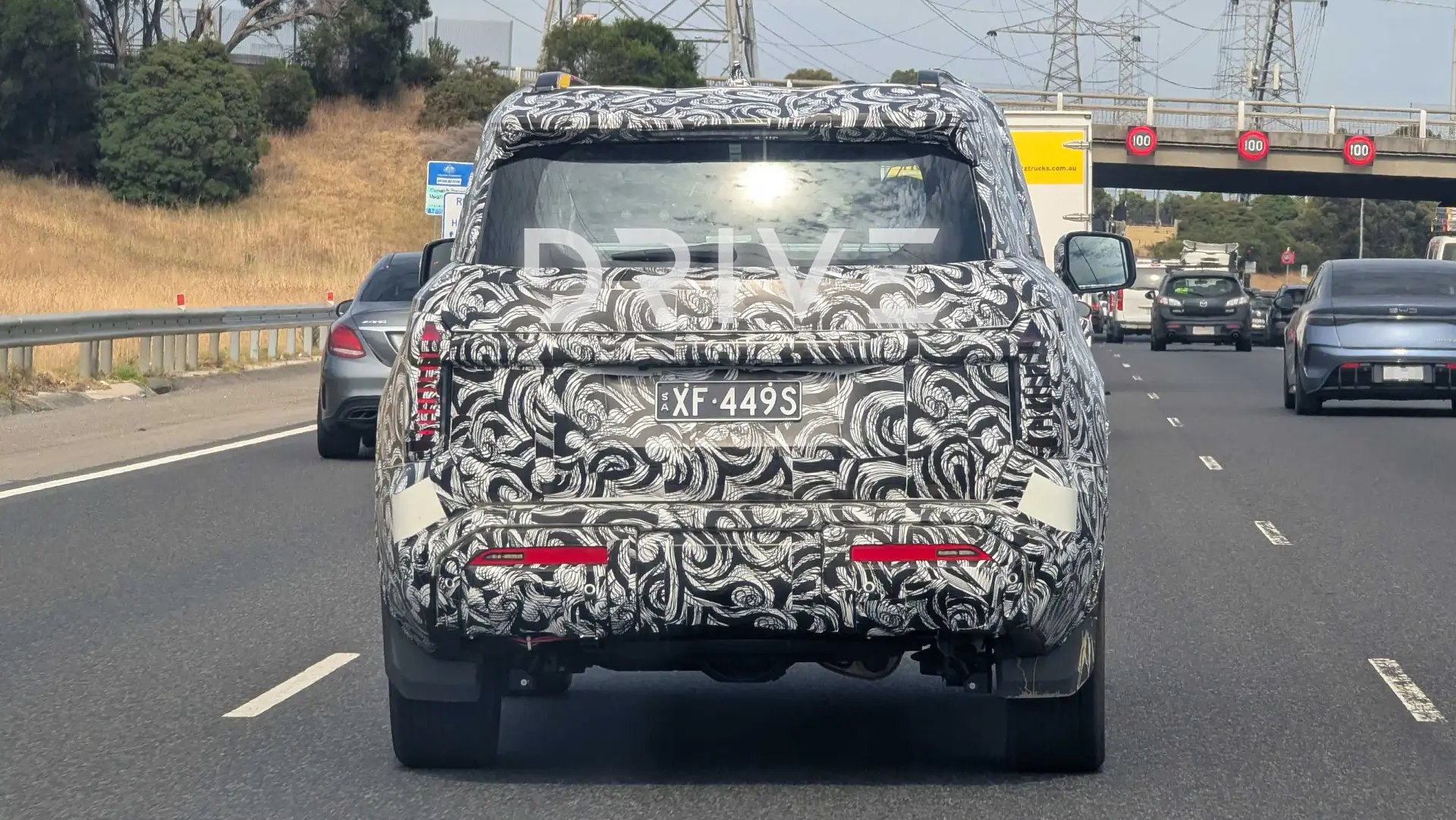
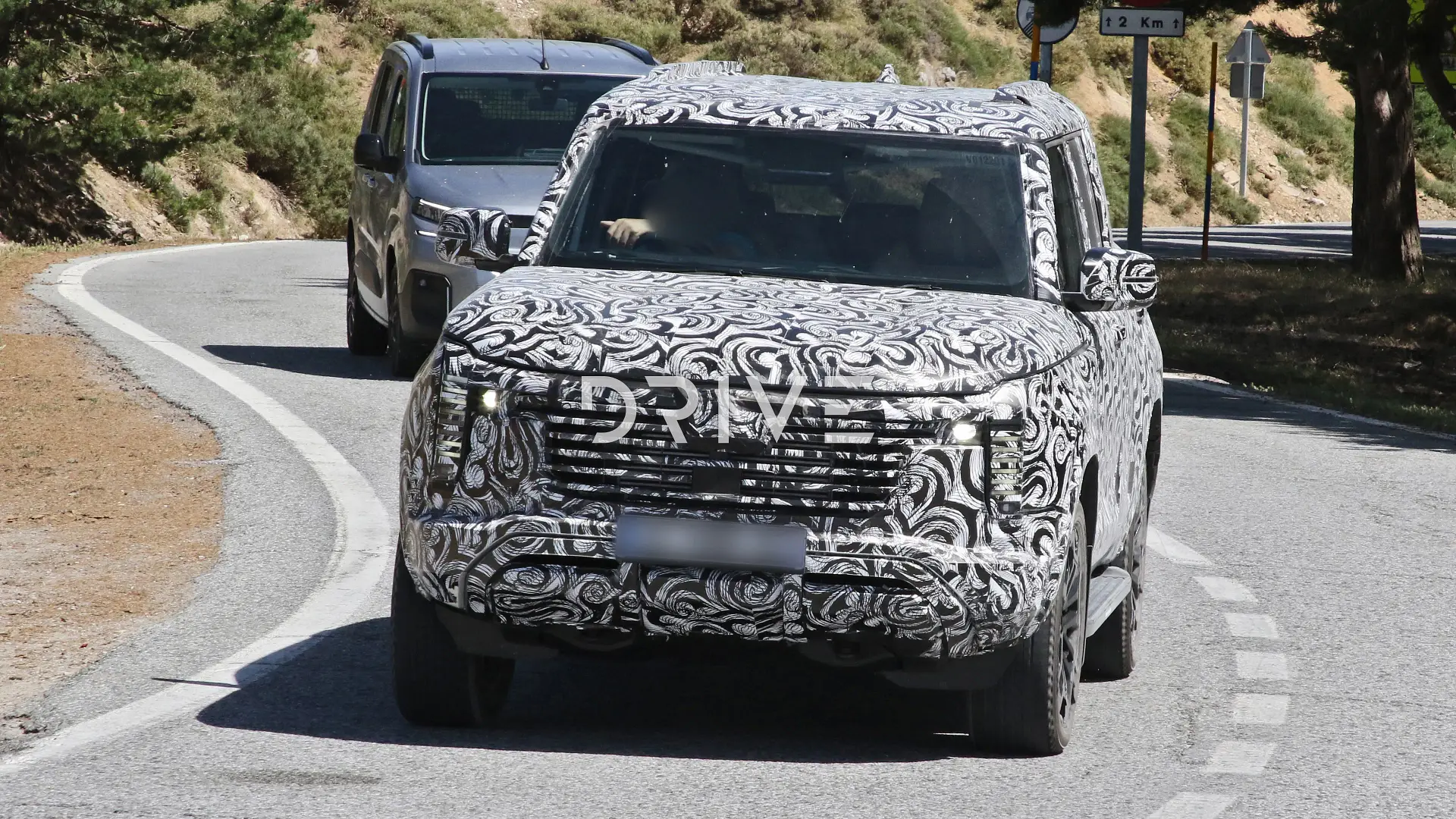
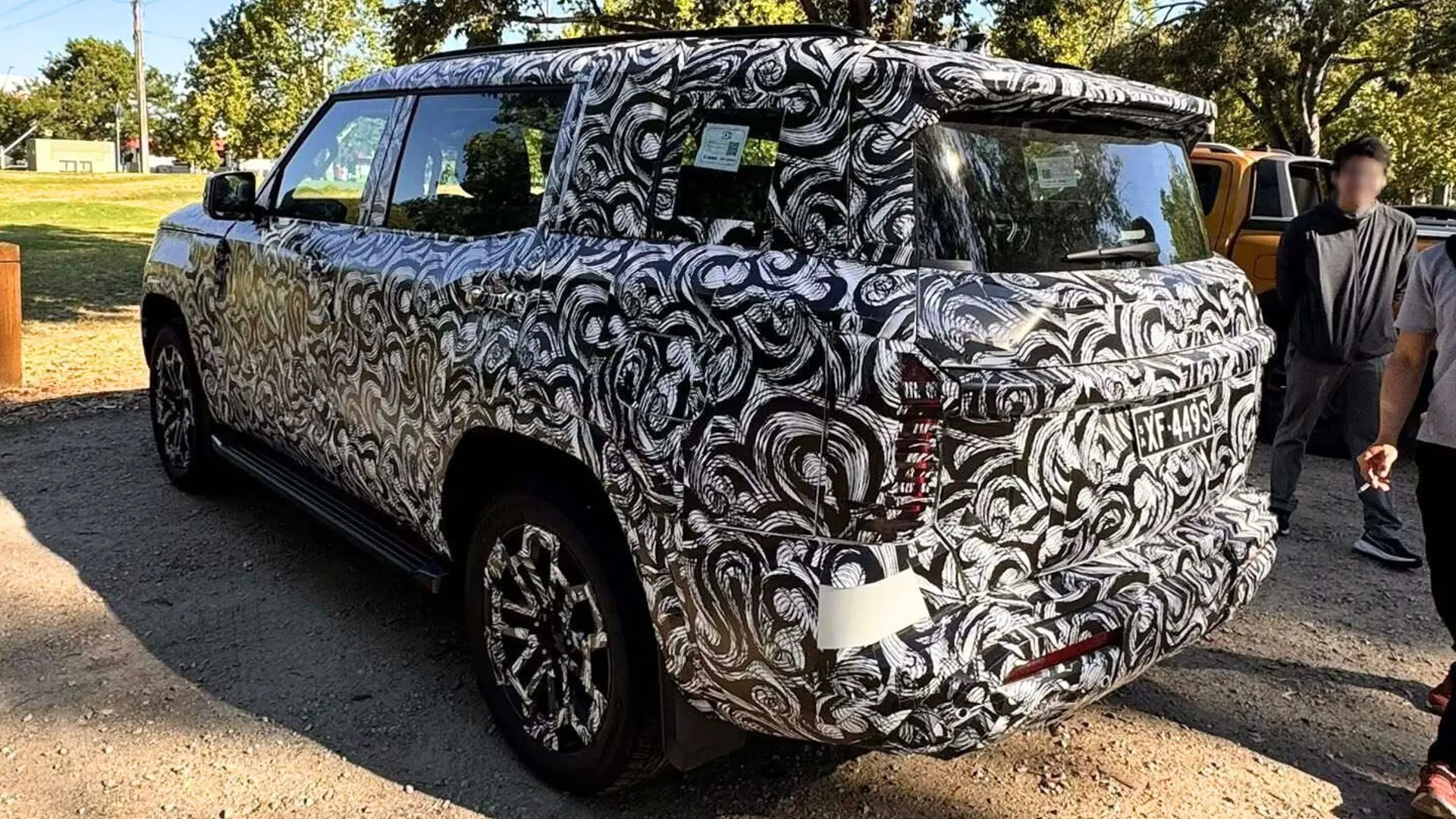
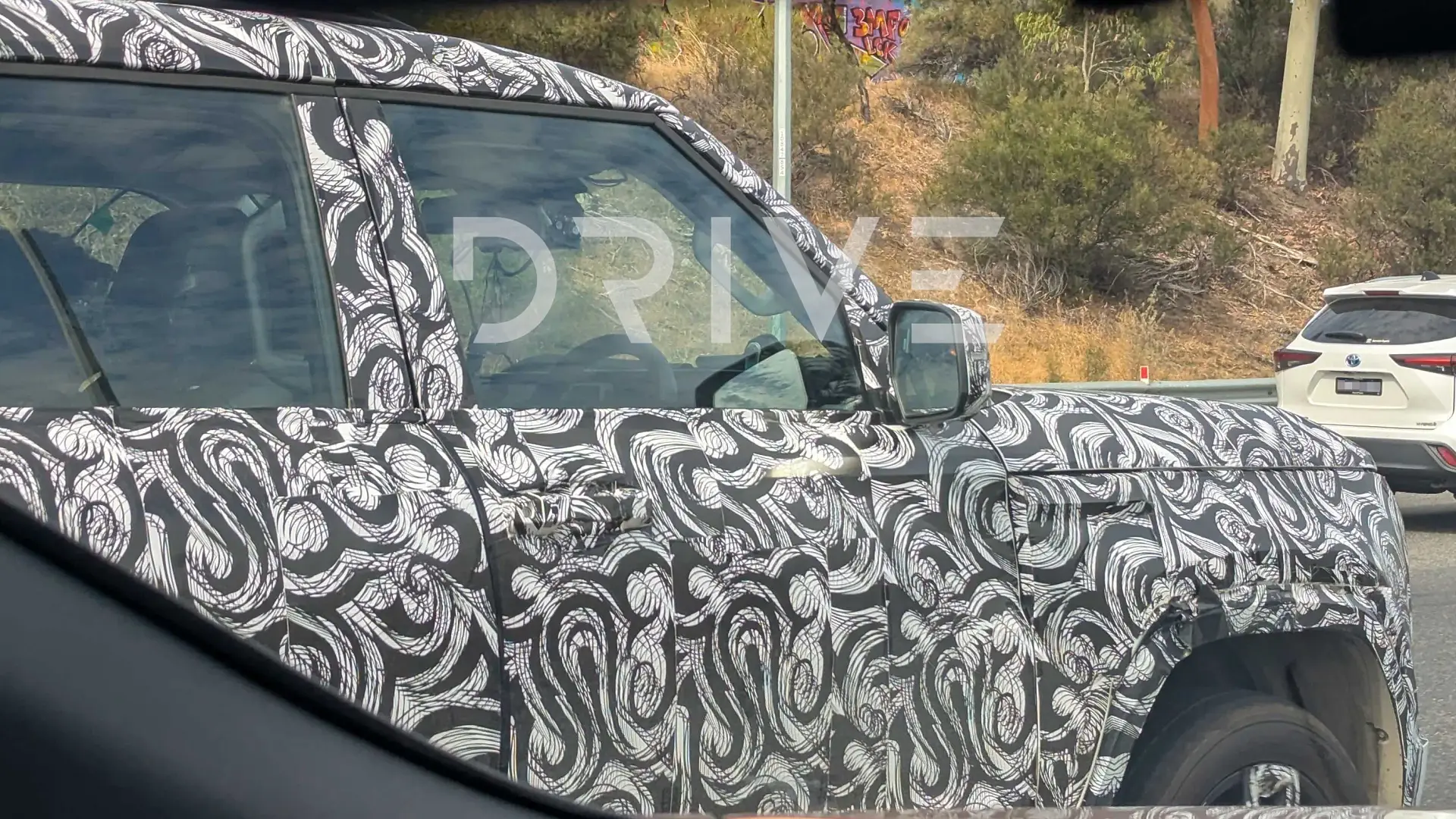
Testing of the new 4WD model is currently underway in Australia, with a camouflaged prototype undergoing rigorous evaluation. While it shares some physical similarities with the new Y63 Nissan Patrol, such as vertical tail-lights, the two models are not related. Nissan has denied Mitsubishi access to its platform, and both will be built in separate locations.
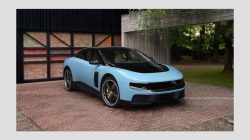
Mitsubishi is also preparing to bolster its lineup with the arrival of the Pajero and a new small electric SUV by the end of 2026. This expansion includes five new models over the next five years, with a focus on electrification options ranging from HEV and PHEV to full BEV.
Hampel emphasized the importance of sustainability in Mitsubishi’s future plans, stating, “Our vehicle was designed by Pininfarina… focusing on interior roominess as well as dynamic handling.” This approach aims to differentiate Mitsubishi from other OEMs in the EV market while maintaining a strong emphasis on quality and durability.
As the automotive landscape continues to evolve, the return of the Pajero represents a bold step for Mitsubishi, combining heritage with innovation to meet the needs of Australian consumers.