New Research Reveals Mosquitoes Can Learn to Associate DEET with Food
Scientists have discovered that mosquitoes can learn to associate the smell of DEET, the world’s most widely used insect repellent, with the possibility of a blood meal. This finding challenges previous assumptions about how these insects respond to chemical repellents.
DEET, also known as N,N-diethyl-meta-toluamide, has been a staple in mosquito control for decades. It is recommended by health authorities around the world, including the UK Health Security Agency, as a first-line defense against insect bites. However, a recent study published in the Journal of Experimental Biology suggests that under certain conditions, mosquitoes may actually be drawn to the scent of DEET after learning to associate it with food.
The Experiment: How Mosquitoes Learned to Love DEET
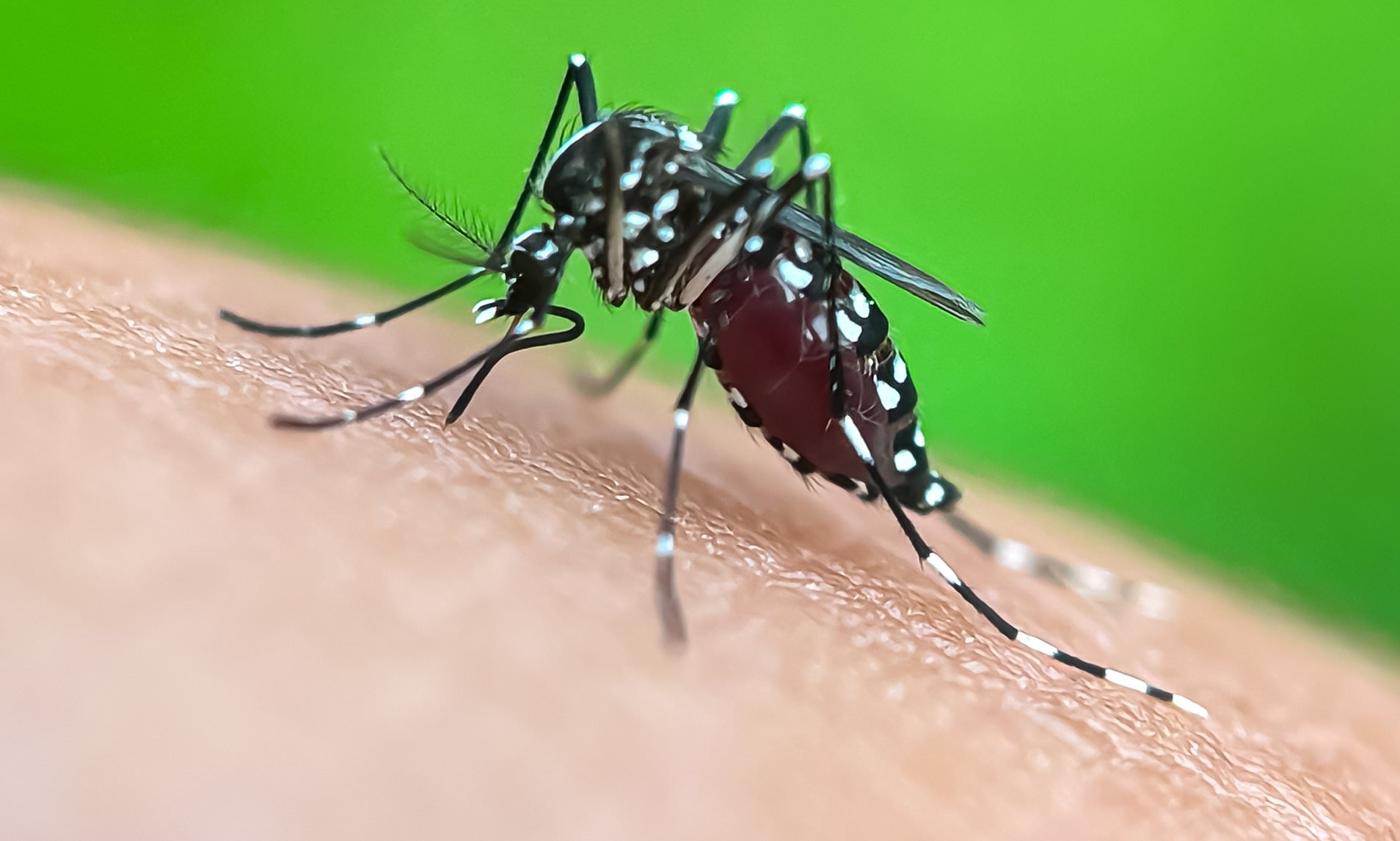
The research was conducted by scientists from the United States and France, who designed an experiment to observe how Aedes aegypti mosquitoes responded to DEET. The study began by placing a swarm of mosquitoes in a fabric mesh enclosure and exposing them to a bag of warm sheep’s blood. Initially, the mosquitoes were quick to feed on the blood, but when the scent of DEET was introduced, they moved away.
To test whether the mosquitoes could learn to associate DEET with the presence of blood, the researchers fed the insects warm blood for 20 seconds, releasing DEET during the last 10 seconds. This process was repeated three times before the mosquitoes were exposed to just the scent of DEET. Surprisingly, more than 60% of the insects tried to bite the fabric, even though there was no blood available.
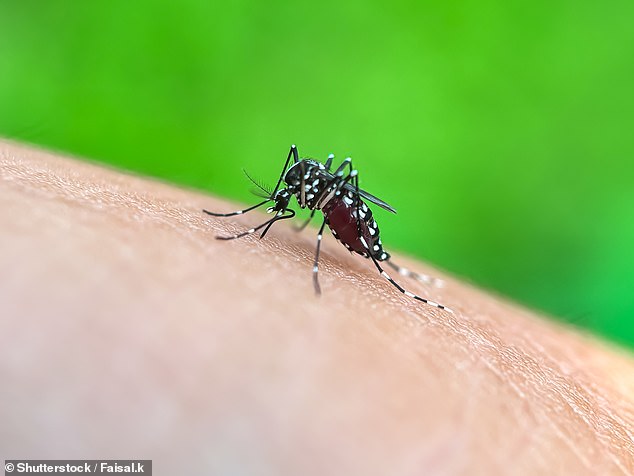
To further test this behavior, one of the scientists offered up their hands—one clean and the other coated with DEET—to the trained mosquitoes. The results were striking: the mosquitoes almost always chose the hand covered in DEET. This outcome was described as “beyond doubt” by the researchers.
Repellent or Attractant? The Science Behind the Behavior
The study also tested the same process using sugar instead of blood, since mosquitoes primarily feed on plant nectar in the wild. The results were similar, showing that the mosquitoes could learn to associate the scent of DEET with a food source, regardless of whether it was blood or sugar.
Co-author Clement Vinauger, from Virginia Tech, explained that the traditional belief was that repellents work due to their chemical properties. However, his research shows that it’s not the chemical itself that repels mosquitoes, but rather how they interpret the chemical information.
He added, “What we are showing is that the mosquito’s brain can rewrite that response based on experience. What the insect has learned matters just as much as what the chemical does. That, I think, is the paradigm shift.”
Expert Opinions and Implications
Claudio Lazzari, another co-author of the study from the Insect Biology Research Institute in France, emphasized that the findings only apply under specific laboratory conditions. He stated that DEET remains the “absolute gold standard for repellents” and that the study’s results do not undermine its effectiveness in real-world scenarios.
Doctor Nina Stanczyk from ETH Zurich University praised the study for highlighting the impressive learning abilities of mosquitoes. She noted that while the findings are remarkable, travelers should not abandon DEET. She clarified that DEET does not lose its effectiveness through normal use, but only under controlled lab conditions designed to study its effects.
Future Considerations
This research raises important questions about the long-term effectiveness of DEET and other repellents. While the study shows that mosquitoes can learn to associate DEET with food, it also underscores the need for continued innovation in mosquito control strategies.
As scientists continue to explore how these insects adapt to repellents, the findings could lead to new approaches in pest management. For now, however, DEET remains a trusted tool in the fight against mosquito-borne diseases.