The Surprising Ability of Mosquitoes to Learn
Mosquitoes are often considered the world’s deadliest animals, responsible for hundreds of thousands of deaths each year due to the diseases they transmit. One of the most effective tools in combating these diseases is repellent, which uses its scent to keep mosquitoes at bay. However, a recent study published in the Journal of Experimental Biology has revealed that mosquitoes may be more adaptable than previously thought.
The research, led by Claudio Lazzari from the University of Tours in France, found that mosquitoes can be trained to associate the smell of DEET (diethyltoluamide) with food. This discovery could have significant implications for mosquito control strategies.
How the Experiment Was Conducted
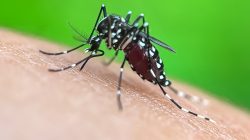
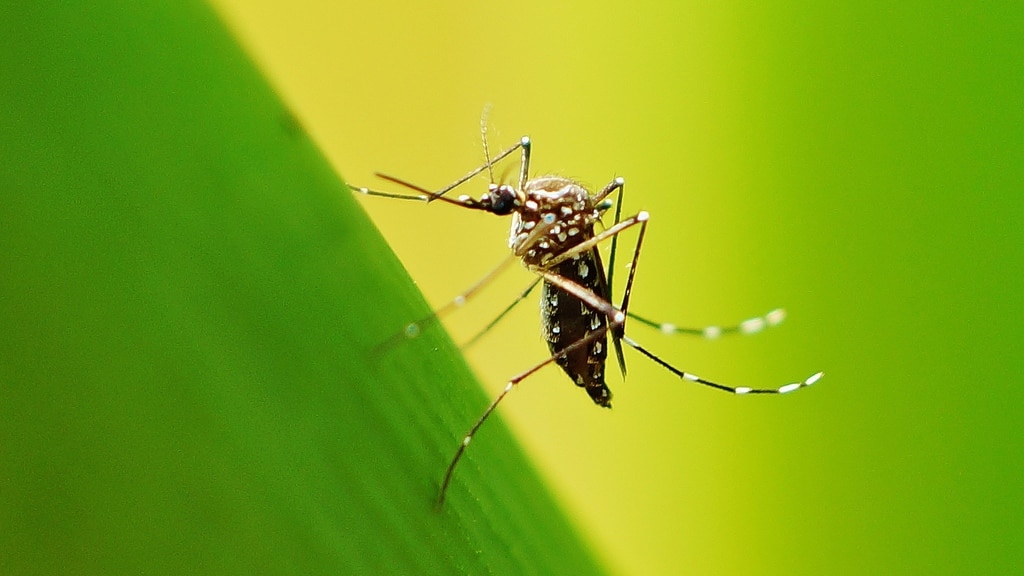
The researchers conducted a series of experiments using Aedes aegypti, a species known for spreading dengue fever, yellow fever, Zika virus, and chikungunya. These diseases cause tens of thousands of deaths annually worldwide.
In the experiment, mosquitoes were placed into small tubes covered with mesh, with mechanisms for pumping the smell of DEET through and providing warm bags of sheep’s blood as a food source. Some mosquitoes underwent “Pavlovian” conditioning, similar to the famous experiments with dogs by Ivan Pavlov. After feeding on blood for 20 seconds, the researchers introduced DEET into the tubes for 10 seconds. This training was repeated three times.
When tested, 60% of the trained mosquitoes attempted to bite non-existent blood bags, indicating they had learned to associate DEET with food. To further test this, one of the researchers dipped her hand in DEET and offered it to the mosquitoes alongside an untreated hand. More than half of the DEET-trained mosquitoes tried to bite the DEET-covered hand, while untrained mosquitoes preferred the untreated hand.
The Complexity of Mosquito Behavior
While DEET has been widely used since the 1950s, scientists still do not fully understand why it repels insects. Traditionally, it was believed that repellents worked either because they were toxic or unpleasant to mosquitoes, or because they blocked their ability to detect humans. However, Professor Lazzari suggests that mosquitoes’ responses to repellents are more flexible.
“Mosquitoes are not programmed robots, but cognitive creatures,” he said. The study also found that mosquitoes could be trained with sugar instead of blood, showing that different rewards could be equally enticing.
Implications for Wild Mosquitoes
Although the study focused on lab-bred mosquitoes, Thomas Schmidt, an insect researcher at the University of Sydney, noted that wild mosquitoes might behave differently. He pointed out that Aedes aegypti primarily feeds on humans, yet the study used sheep’s blood. Additionally, the lab-bred mosquitoes may have evolved differently from their wild counterparts.
Dr. Schmidt also mentioned that there are reports of mosquitoes evading insecticides by flying up during application and returning later when the chemicals have dispersed. While no evidence exists of wild mosquitoes being attracted to DEET, he emphasized the complexity of their behavior.
The Role of Repellent in Mosquito Control
Despite the findings, Professor Lazzari stressed that DEET remains the gold standard for repellents. “It is an effective means of protecting yourself against mosquito bites and can save lives in areas where mosquito-borne diseases are prevalent.”
Dr. Schmidt agreed, stating that the findings should not discourage people from using repellents. “The general consensus is that mosquito repellent works very, very well and it’s an extremely useful way to prevent mosquito disease — or just being annoyed by mosquitoes biting you.”
Conclusion
The study highlights the adaptability of mosquitoes and raises important questions about how repellents work. While the findings are promising, more research is needed to understand how wild mosquitoes might respond to DEET. For now, using repellents according to instructions remains the best defense against mosquito-borne diseases.