A Tragic Story of Perimenopause and Mental Health
An architect who took her own life after experiencing difficulty concentrating due to the onset of perimenopause, which left her feeling ‘very fearful’ of losing her high-flying career, was the subject of an inquest. Victoria Baker, a mother of two, was known for holding herself to exceptionally high standards. However, in the weeks leading up to her death, she suffered a devastating collapse in her mental health and had to be sectioned.
Victoria became convinced that the ‘brain fog’ she experienced, along with anxiety and insomnia, was caused by medication she had taken for an insect bite or possibly fish she had eaten on holiday in Italy. Doctors, however, believed it was simply the result of perimenopause combined with undiagnosed ADHD.
Ms Baker, from Aylsham in Norfolk, was found hanged at the hospital where she had been sent in November 2024 and died a week later when her life support was switched off. Following the conclusion of the inquest, where jurors returned a narrative conclusion, her husband, Sefton Archer, called for better understanding and greater awareness of the impact of perimenopause.
‘ ‘
‘
The Need for Support and Awareness
‘Victoria’s condition was never categorically diagnosed but I strongly suspect that there is a clear link with the menopause,’ he said. ‘Menopause not only comes with its own symptoms but it can exacerbate otherwise previously latent mental conditions.’
For many women, this can be disabling. It’s a time when they most need the love of their families but a time when their needs are misunderstood. ‘There definitely needs to be more support for women going through this change in their lives,’ he added.
Research has shown a rise in suicides among women aged 45 to 54, the age of the menopausal transition. Another case involved Nicola Bulley, a mother of two, who had been struggling with the menopause before her death. Her inquest heard that she had been experiencing symptoms such as lack of sleep and an overloaded brain, alongside issues with the hormone replacement therapy (HRT) she was prescribed.
Understanding the Link Between Menopause and Mental Health
A study last year revealed one in 18 women leave their jobs during menopause due to a mix of physical symptoms, workplace culture, and lack of support, costing the economy £1.5 billion annually. Mr Archer, 66, told the hearing in Norwich that he and his wife had shared a ‘very happy marriage’ and her ‘energy, drive and restlessness had been an asset to her as an architect.’
He added: ‘But as she went into the menopause it became a problem because she was struggling with the inattention.’ Consultant psychiatrist Daniel Dalton told the inquest that Ms Baker was ‘very fearful’ her successful lifestyle was slipping away and became convinced that antihistamine medication taken for an insect bite had caused ‘brain damage.’ She also thought a fish meal in Venice could be to blame or anti-malaria medication.

The Role of Hormones and Mental Health
‘She was not delusional. She held those beliefs sincerely on the basis of symptoms she was experiencing,’ he said, although he added there was no evidence of a link between the medications and any neurological problems. Ms Baker’s condition was instead suspected to be caused by anxiety, suspected ADHD, and the onset of perimenopause.
The link between the last two is becoming better understood, the inquest was told, with hormonal changes significantly exacerbating symptoms in some women. Dr Dalton told jurors there is increasing evidence that undiagnosed ADHD in women can significantly worsen during the menopause because falling oestrogen levels reduce dopamine activity. Dopamine is sometimes described as the ‘feel-good’ hormone. It plays a key role in motivation, pleasure, mood regulation, and motor control.
Ms Baker, who had begun talking about travelling to Zurich for euthanasia, was admitted as an inpatient at Hellesdon Hospital in September 2024 after she was sectioned under the Mental Health Act. The section was lifted a week later but she continued staying there on a voluntary basis.
The Importance of Timely Recognition and Support
The possibility of discharging her had been discussed when she was found hanged in her room on November 10. CPR was started before she was transferred to Norfolk and Norwich University Hospital, where she died on November 17. The jury’s narrative conclusion was returned on the basis that they had been unable to decide whether she intended to take her own life.
Speaking afterwards, Mr Archer said: ‘We would like to thank everyone who cared for Victoria for their help and support and can now realize how difficult and demanding their work can be. Victoria leaves behind her husband and two children who will always deeply miss having Victoria in their lives.’
Around one in six women experience suicidal thoughts during the perimenopause and menopause, research has shown. A coroner ruled Ms Bulley, who drowned in the River Wyre, had died as a result of an accident after experts said entering cold water can cause a person to gasp, inhale water and drown in seconds.
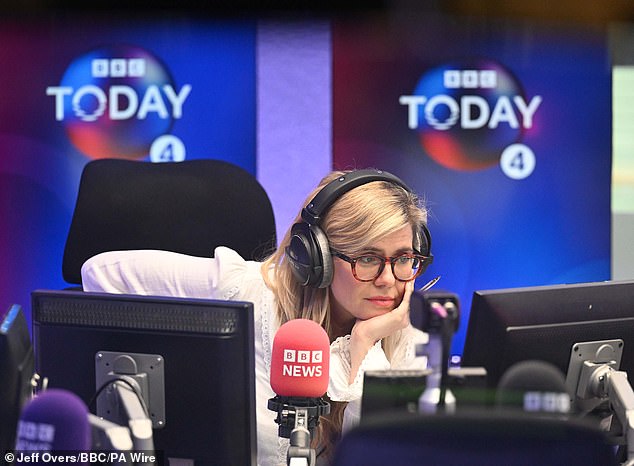
Stars have also opened up about their experiences. BBC Radio 4 presenter Emma Barnett, who formerly presented Woman’s Hour, last year described how she felt ‘robbed’ of her identity after going through perimenopause at 38.
Conclusion
The Menopause Charity said: ‘Perimenopause can have a significant impact on mental health for some women, including anxiety, insomnia, loss of confidence, difficulty concentrating and low mood. For some, these symptoms can be severe and overwhelming. Despite growing awareness of the physical symptoms of menopause, the psychological and cognitive effects are still too often misunderstood, overlooked or misattributed. Many women tell us they feel dismissed or unsupported when seeking help. This is why timely recognition, compassionate support and access to appropriate care are so important. We need menopause and mental health to be part of the same conversation, because for some women the consequences of not recognising the signs can be devastating.’
- For confidential support, call Samaritans on 116 123, visit samaritans.org or visit www.thecalmzone.net/get-support