Understanding the Measles Outbreak Concerns at the World Cup
As the World Cup approaches, there is growing concern about the potential for a measles outbreak among the teams participating in the event. England, in particular, is aware of the risks associated with this highly contagious disease, especially given the current situation in the United States.
The Situation in the United States
The United States is currently facing one of the worst measles outbreaks in decades. According to recent reports, the country has seen a significant increase in cases compared to previous years. In 2026 alone, there have already been nearly 1,952 confirmed cases as of May 21, which is close to the number recorded in 1991. This is alarming because it highlights a serious public health issue that could impact the World Cup.

Risk Factors and Spread of Measles
Measles is known for its high contagiousness. It can remain airborne for up to two hours after an infected person coughs, sneezes, or breathes. In crowded environments such as stadiums, the risk of transmission is significantly higher. Players may come into contact with supporters during celebrations or by giving out shirts after games. Additionally, their family and friends are often present among the crowd, increasing the likelihood of spread.


Expert Opinions on the Outbreak
Mark Jit, Chair and Professor of the Department of Global and Environmental Health at New York University, emphasizes the severity of the situation. He states that the current outbreaks are far larger than what the US has typically seen in recent decades. “This is worrying because measles isn’t a mild illness – it can cause serious complications and can occasionally be fatal,” he explains.
Jit also highlights the contagious nature of measles, noting that it spreads more easily than flu or Covid. If someone with measles is in a crowded stadium, there’s a very good chance they could infect other unvaccinated people nearby.
Vaccination Status and Herd Immunity
While the vaccination status of England’s players is not publicly available, UK government figures suggest that 84.4% of children receive two doses of the MMR vaccine by age five. This is below the World Health Organization’s herd immunity threshold of 95%. The UK lost its measles-free status in 2018, and the USA is at risk of losing it as well.
The MMR vaccine remains the most effective protection against measles. Two doses are 97% effective at preventing infection. Public health experts stress that achieving 95% vaccination coverage community-wide is necessary to maintain herd immunity and stop the virus from spreading.
Symptoms and Complications
Symptoms of measles typically appear seven to 14 days after exposure but can take up to 21 days to develop. Early signs include high fever, cough, runny nose, and red, watery eyes, followed by a rash that begins on the face and spreads downward. Unvaccinated people who are exposed to the virus may need to quarantine for 21 days.
Measles can be caught at any age and prove fatal. Complications include blindness, deafness, and swelling of the brain (encephalitis).
Additional Health Concerns
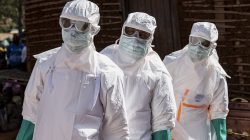
The rise in measles outbreaks comes alongside that of Ebola, which the World Health Organisation has declared to be a ‘public health emergency of international concern’. The WHO says the death rate in the Democratic Republic of the Congo is between 30 and 50 per cent.
Understanding and addressing these health concerns is crucial for ensuring the safety of all participants and spectators at the World Cup. As the event approaches, continued vigilance and proactive measures will be essential in mitigating the risks associated with infectious diseases.