Toyota’s Dominance Under Threat?
Toyota has long been the undisputed leader in the Australian automotive market. For years, it has maintained a significant share of new car sales, with nearly one in five vehicles sold being a Toyota model. However, recent developments suggest that this dominance might be facing a serious challenge.
China’s BYD has emerged as a formidable competitor, surpassing Toyota in April 2026 and achieving an impressive sales growth of over 110% in the first four months of the year. In contrast, Toyota experienced a notable decline, with sales dropping by more than 22% during the same period. This shift marks a turning point in the Australian car industry, where once-unshakable leaders are now being challenged by newcomers.
A New Player on the Scene
Despite the two brands starting the year on very different trajectories, BYD Australia Chief Operating Officer Stephen Collins remains focused on its own goals rather than directly competing with Toyota.
“I think that’s an issue for them,” he said. “All I focus on is what we can control. And at the end of the day, where you finish at the end of the month, the end of the year, the end of the quarter, it’s just a result. It’s just a fallout of what you’ve been able to do. Toyota might be in a situation where their orders are fine, but they can’t get the stock for whatever reason, I don’t know.”
Collins is not aiming for small victories. His goal is to position BYD within the top three selling brands in 2026, a significant leap from its seventh-place ranking in 2025.
“Look, I think I said this at the start of the year and a few people looked at me like I was a bit crazy, saying that, I think we want to be in or around the top three [in total sales],” he added.
The Road to Leadership
While Toyota still holds a substantial lead, the gap is beginning to narrow. Toyota sold 59,675 new vehicles between January and April 2026, while BYD managed to sell 25,243 units. This puts BYD in fifth place year-to-date, just 1,000 units behind Ford.
What makes BYD’s rise even more remarkable is that in April 2025, the brand was not even among the top 10 sellers. This rapid ascent highlights the potential of BYD to become a major force in the Australian market.
Expanding the Range
Part of Collins’ strategy involves growing sustainably but quickly, expanding BYD’s product lineup to cover multiple market segments.
“We want to do all that, but do it quicker and better than anyone,” said Collins. “I’m not saying that arrogantly, I’m just saying that’s the mindset that we need to have now. The mindset for us, for me, now is, ‘oh, we’re not a challenger brand anymore.’ We’re beyond that. We just need to be better.”
To support this expansion, BYD Australia negotiated with its head office to use one of BYD’s eight car carrier ships, the BYD Zhengzhou, to deliver 4,800 new vehicles to Australia. This shipment is part of a planned 30,000 vehicles scheduled to arrive before the end of the financial year, with the “vast majority” already sold.
New Models and Innovations
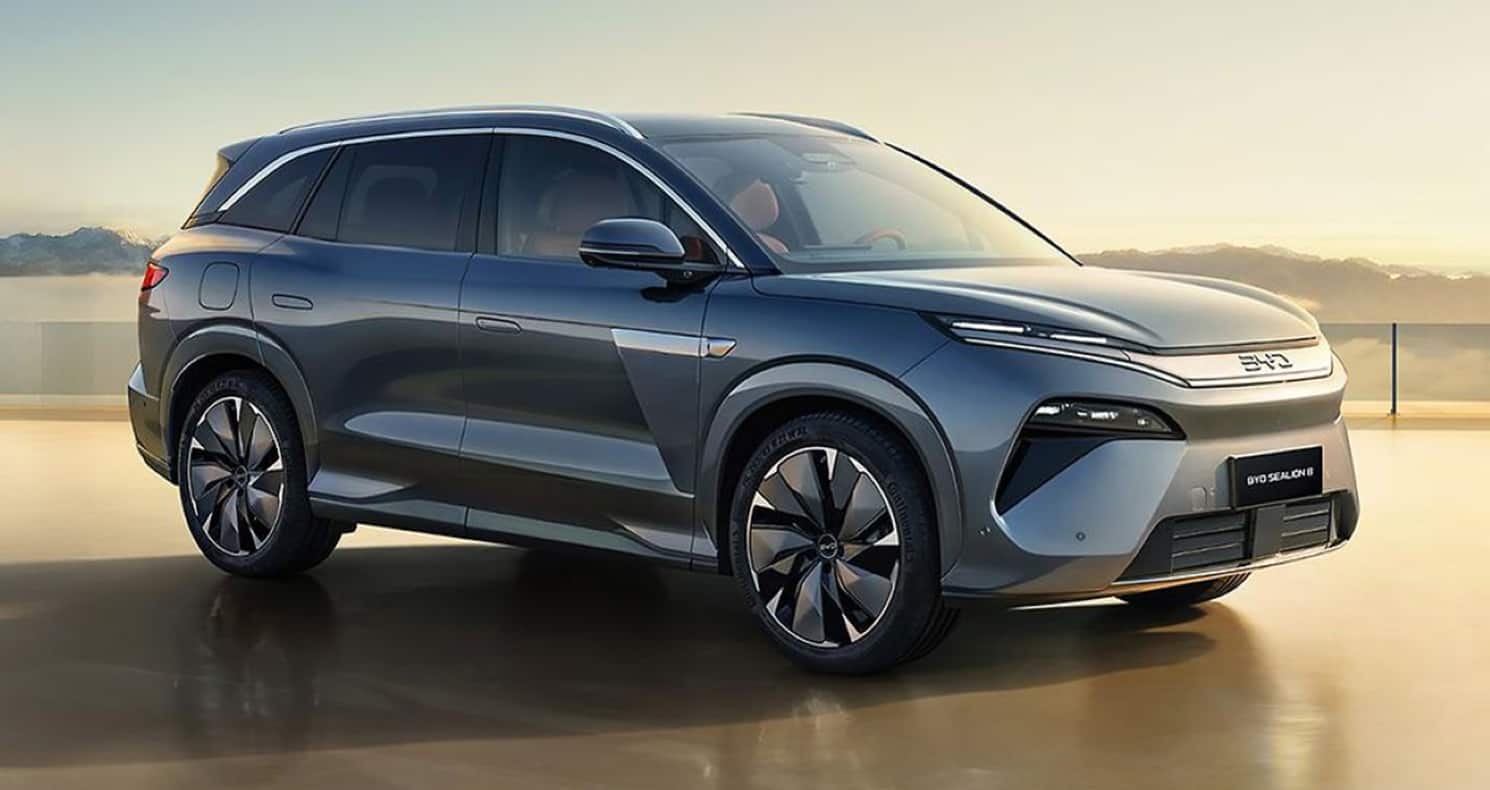
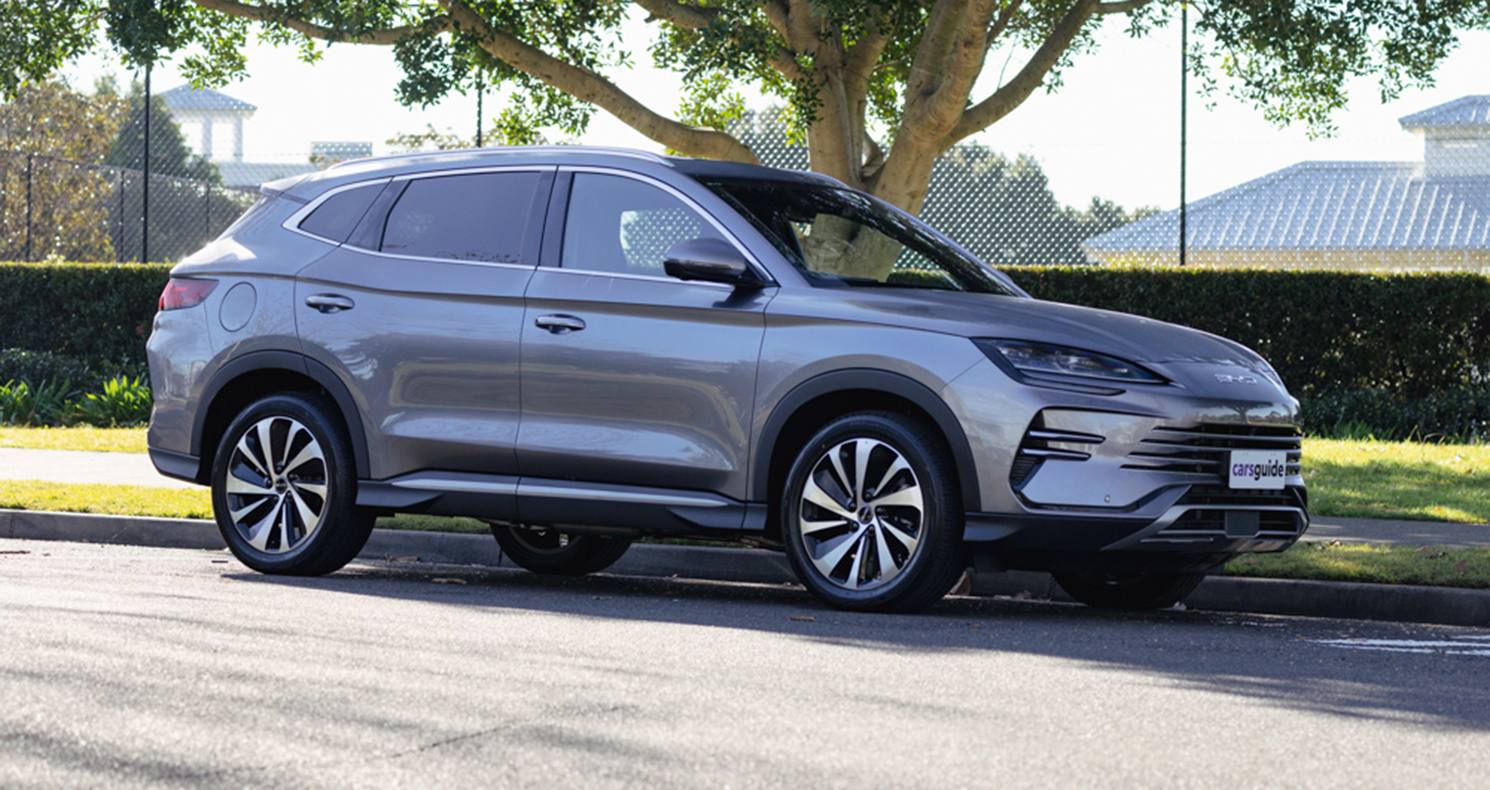
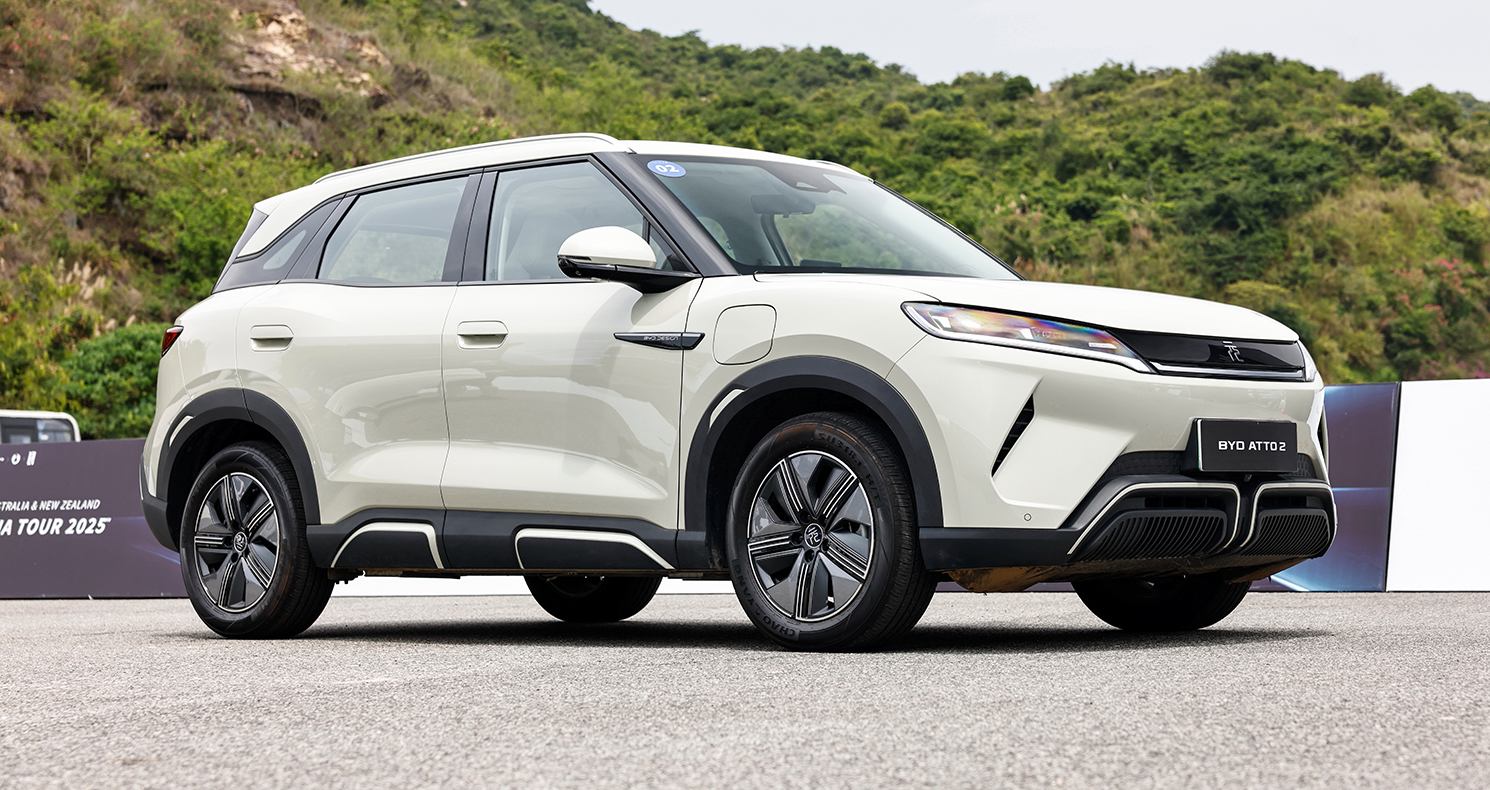
BYD has also expanded its Shark 6 ute range with a new flagship model, the Performance, and a fleet-friendly Cab Chassis option. In addition, the brand has announced the introduction of two new models and two facelifted models before the end of 2026. These additions come alongside previous launches such as the Atto 1 and Atto 2 electric vehicles, as well as the Sealion 5 and Sealion 8 SUVs.