The Enduring Legacy of Marla Singer in Fight Club
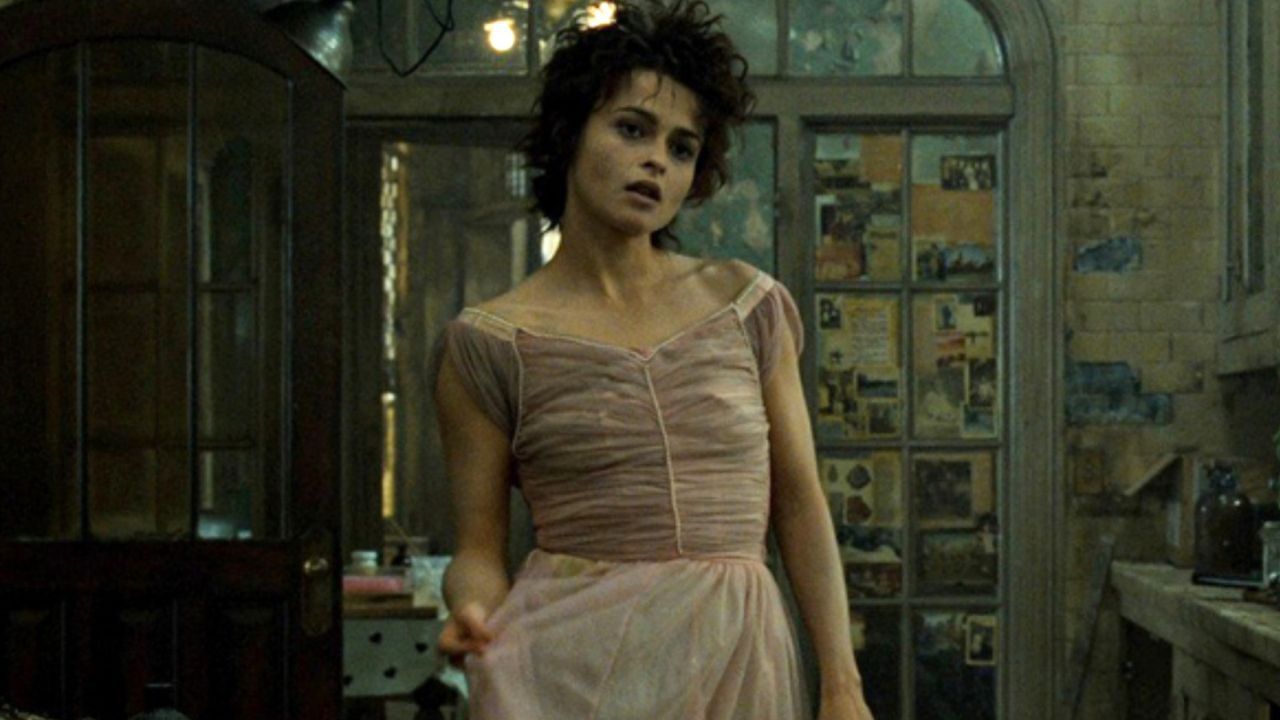
Marla Singer, one of the most iconic characters in modern cinema, has remained a cultural touchstone since her debut in Fight Club. Her enduring appeal is rooted in a unique blend of visual design and powerful acting. The character’s look was shaped by costume designer Michael Kaplan, who drew inspiration from the tragic yet glamorous image of Judy Garland. Director David Fincher embraced this vision, and Helena Bonham Carter’s performance elevated Marla into an unforgettable anti-heroine.
Michael Kaplan’s Vision: A Tribute to Judy Garland
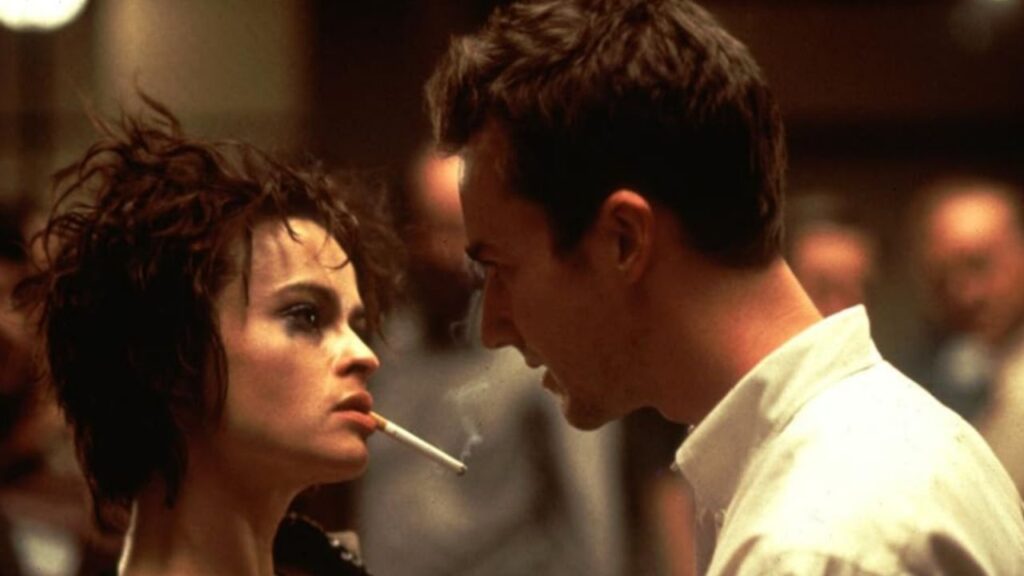
One of the fascinating elements of Fight Club’s production was the deliberate choice to base Marla Singer on the late Judy Garland. Michael Kaplan, the film’s costume designer, showed director David Fincher a photograph of Garland and declared that this was the look they needed for Marla. Fincher immediately supported the idea, and the name “Judy” became a playful nickname on set.
In a 2006 interview with Total Film magazine, Fincher recalled the moment:
“Michael Kaplan said, ‘Here’s who Marla is’ and showed me a picture of Judy Garland. I was like, ‘Run with it, it’s a great idea.’ We’d call her Judy, just out of fun. Or Liza. But mostly we called her Hells. ‘Hells, daarrling!’”
The reference to Liza Minnelli, Garland’s daughter, highlighted how deeply the inspiration influenced the atmosphere on set. However, rather than replicating Garland directly, Helena Bonham Carter focused on the emotional essence of the actress’s later years—frailty, nervous energy, loneliness, and self-destruction. These traits were reflected in every aspect of Marla’s appearance, including her smeared makeup, oversized coats, messy hair, and dark sunglasses.
Helena Bonham Carter: Crafting an Iconic Anti-Heroine

While the Judy Garland inspiration played a key role in shaping Marla’s aesthetic, it was Helena Bonham Carter’s performance that truly made the character iconic. Unlike the typical romantic leads of the late 1990s, Bonham Carter brought a chaotic and unpredictable energy to the role, making Marla one of the most memorable female characters in cinema history.
David Fincher had a clear vision for Marla: she should be someone who lived too hard for too long. Bonham Carter embodied this perfectly, using erratic movements, frequent smoking, and emotional detachment to create a character that stood apart from the norm.
Interestingly, the casting of Bonham Carter for this role was not without controversy. Multiple sources suggest that while the studio considered many candidates, Fincher was determined to cast her. His decision ultimately proved to be a masterstroke, as her performance became one of the defining aspects of Fight Club.
The Impact of Marla Singer
Marla Singer’s legacy continues to resonate with audiences more than two decades after the film’s release. Her complex personality, combined with Bonham Carter’s nuanced performance, has made her a symbol of rebellion and emotional depth. She represents a departure from traditional female roles in cinema, offering a more layered and unpredictable portrayal of a woman navigating a chaotic world.
Bonham Carter’s ability to balance eccentricity with vulnerability gave Marla a timeless quality. Viewers continue to admire her for her strength, unpredictability, and raw emotion, which have made her a lasting figure in pop culture.
Conclusion
Helena Bonham Carter’s portrayal of Marla Singer in Fight Club remains one of the most compelling performances in film history. From the visual inspiration drawn from Judy Garland to the emotional depth Bonham Carter brought to the role, Marla has become an enduring icon. Her impact on cinema and popular culture is a testament to the power of strong storytelling and exceptional acting.