A Journey of 30 Years in Film and Animation
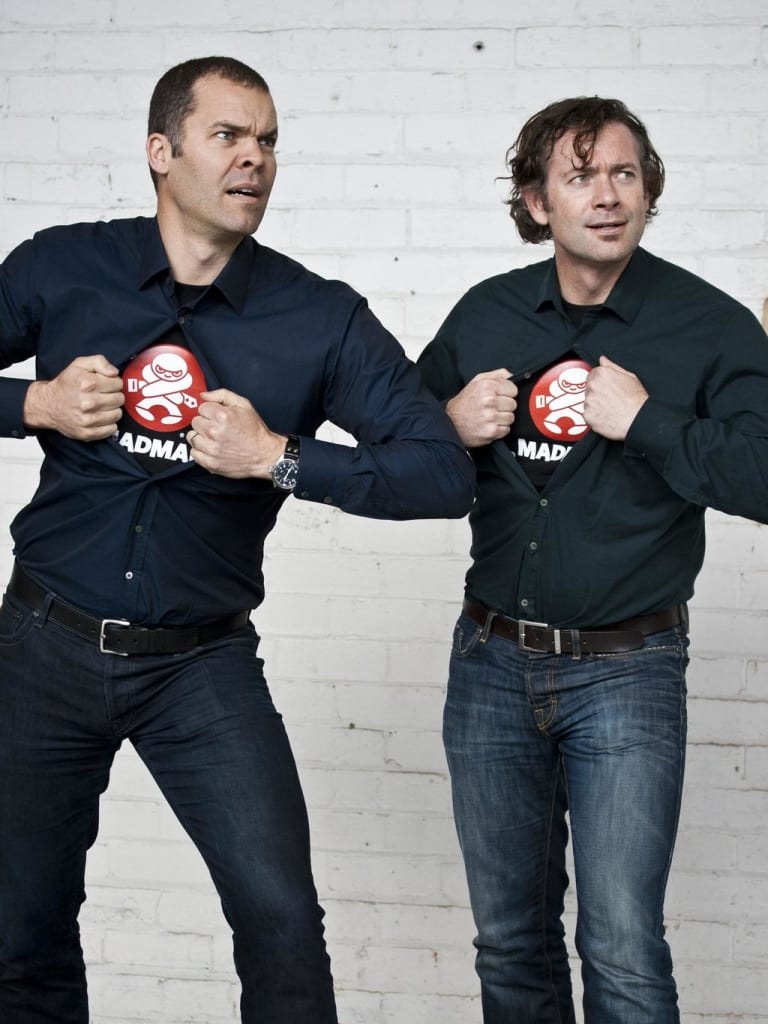
The world was a different place when co-founders Paul Wiegard and Tim Anderson took a chance on setting up what would become Madman Entertainment, which this year celebrates 30 years of fostering movie excellence. ‘It was basically the dawn of the internet,’ Wiegard recalls, as we chat just before he jetted off to observe the new crop of contenders at this year’s Cannes Film Festival. ‘I recall meeting a guy who worked part-time issuing all the domain names for Australia.’
He and Anderson met while studying at Melbourne University, rowing eights together. ‘I had a summer gig working at a small record company that also provided indent services, and I was setting up all the magazine relationships for local music stores around the country,’ Wiegard says. ‘This, at a time when we were importing NME, Q, Voice and Empire, sending them out once they arrived.’
While flipping through these magazines, Wiegard would read about films being released on VHS in the UK, but that weren’t available to buy in Australia. ‘We were film fans and wanted to know more, partly out of servicing our own interests, but we were sure there must be more people out there just like us.’
Getting Anime-Ted
While Wiegard says they were naïve beginnings, they weren’t wrong. ‘My father was quite an entrepreneurial type, so I had that in a little bit in my world,’ Wiegard recalls. Anderson was an usher at Village Cinemas at the time, and the pair would catch ‘an inordinate number of films there,’ Wiegard says.
‘Tim was a comic book collector with an interest in anime, whereas I was more of a culture vulture, into a lot of the European cinema that was coming into the cult movie houses and the Union Theatre at Melbourne Uni at the time and the Kino.’
They combined their interests, with the nascent Madman a two-pronged interest, importing both anime and arthouse cinema titles. ‘It grew very quickly in the space of those first 10 years,’ Wiegard recalls, with highlights including Terry Zwigoff’s quirky documentary Crumb, released on VHS to great success, and Neon Genesis Evangelion, licensed to SBS in 1997.
Rapidly diversifying, they added post-production, design and authoring services, with cult anime classic Ghost in the Shell ushering in the DVD era by 2001. ‘We were able to do a lot of things in-house and put a bit more care and effort into packaging the films we released,’ Wiegard says.
They also released Hayao Miyazaki’s beloved Studio Ghibli anime Spirited Away, which debuted at Berlinale in 2002 and shared the Golden Bear with Paul Greengrass’ Bloody Sunday, going on to win Best Feature Animation Oscar at the 2003 Academy Awards. ‘It was a fascinating time,’ Wiegard says.
Feeling the Blues
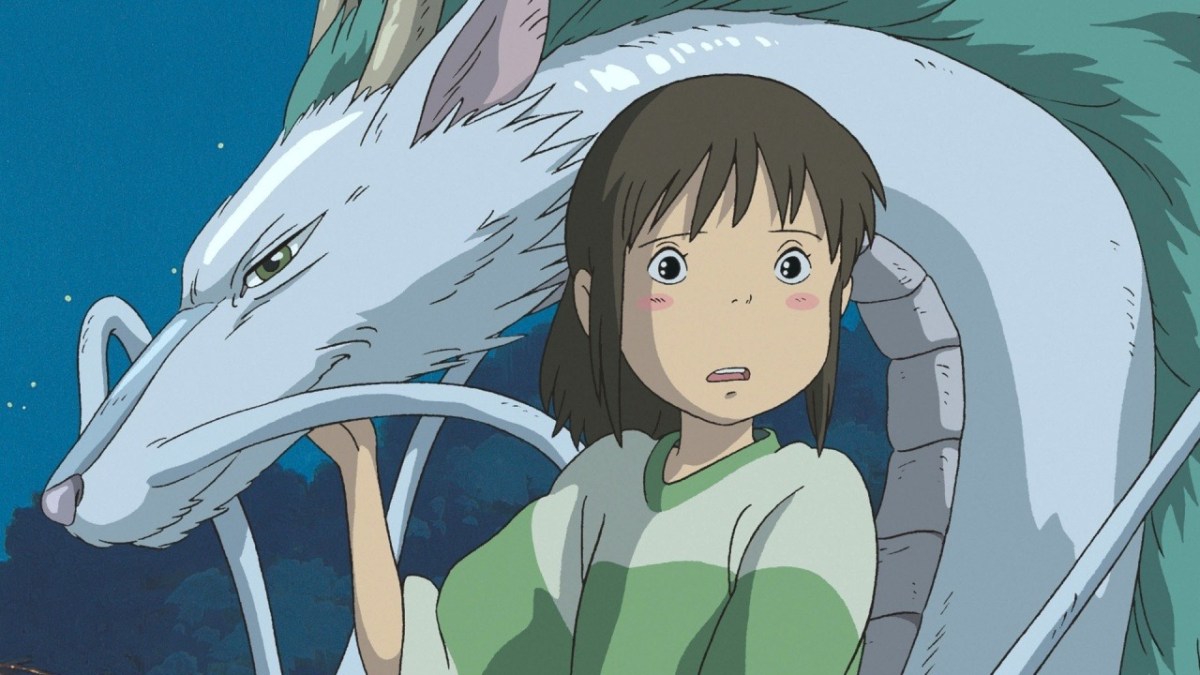
Anime expanding from a niche interest to a global force helped Madman grow exponentially before that arm of the business was sold off to what would become Crunchyroll, now with Sony. ‘That was our growth engine,’ Wiegard says. ‘We were able to add marketing, sales, accounting and a legal team.’
Madman added theatrical distribution to their home entertainment business and assorted other arms in 2004, headed up by Anna McLeish. Todd Haynes’ psychological drama Safe, with Julianne Moore, was their first Australian cinema release, coming almost a decade after its debut at Sundance in 1995.
‘Shortly after that, we took on The Blues series that Martin Scorsese produced, with an almost a festival-like approach,’ Wiegard recalls. ‘It accelerated very quickly.’
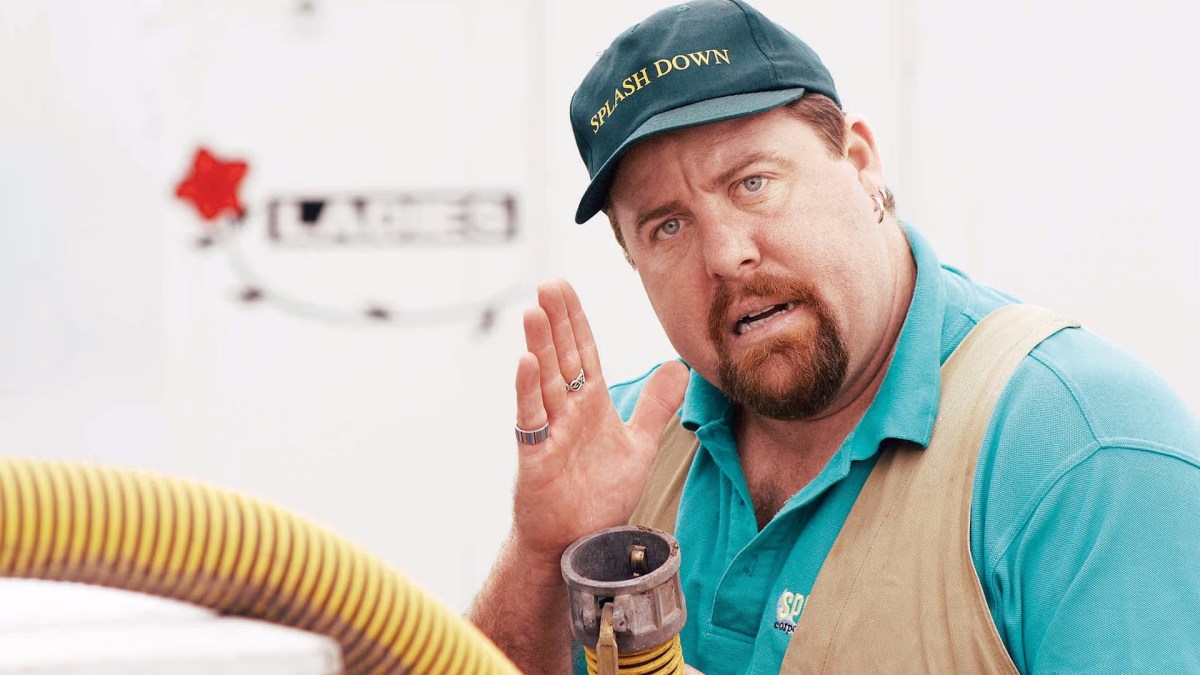
They also got into the production game to great fanfare. Mockumentary Kenny was a huge hit, grossing almost $10 million at the Australian and New Zealand box offices, off a humble budget. Its lead, Shane Jacobson, won the AFI Award for Best Actor.
‘That was quite a milestone,’ Wiegard says. ‘Kenny was the first film where we participated from the start, on the back of seeing a short film, when you’re at that age when your risk appetite is healthy. It was a great learning experience.’
Fashion, Turn to the Left
Fans of The Devil Wears Prada will be intrigued to learn that the real-deal Vogue insight, The September Issue, was Madman’s first documentary release to break $1 million at the Australian box office back in 2009.
That same year, McLeish was leading the charge into production, with Madman launching an initiative called Keep Your Wits About You. ‘Knowing that Australians have a penchant for comedy, the idea was we were looking for something funny,’ Wiegard says.
What they got, instead, was one of Australian cinema’s bleakest (but most brilliant) offerings: Justin Kurzel’s Snowtown. It’s not exactly laugh-a-minute. ‘It was completely at odds with what we thought we were setting out to do, but it was certainly the strongest project, and that started a great relationship with Justin,’ Wiegard says. ‘It was part of our vision, to establish long-term working relationships with filmmakers like Justin. Right now, we’re working on the next project he’s producing, Murder Ballad, directed by Tom Campbell.’
A champion of the classics, Madman also re-released Ted Kotcheff’s 1971 cult film Wake in Fright in cinemas in 2009, taking it to Cannes. ‘One of my all-time highlights is watching Nick Cave watch Wake and Fright in our Collingwood theatrette,’ Wiegard says. ‘The Token group shot about 30 live performances in that warehouse.’
They had another massive smash on their hands with David Michôd’s Animal Kingdom in 2010. It won the Grand Jury Prize, 10 AFI Awards and grossed $5 million at the Australian box office.
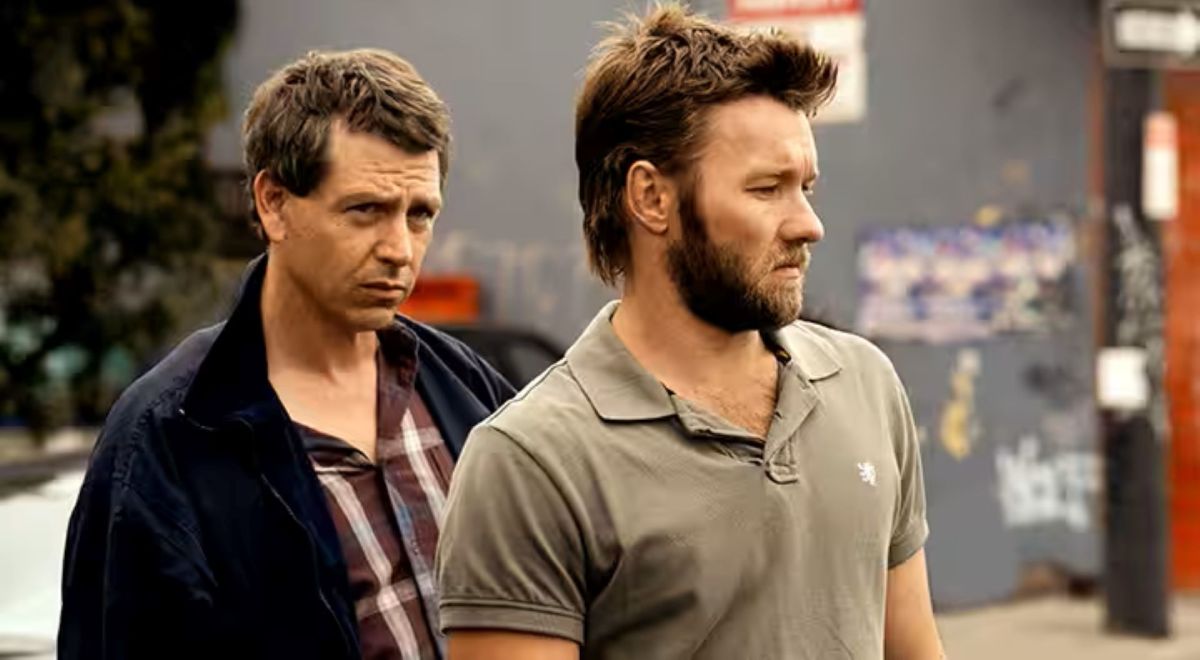
‘It was a brilliant Melbourne story,’ Wiegard says. ‘My home was turned into the production office and my wife worked in the costume department. It was amazing to see that film kick on, launch or relaunch several careers. We’re working on a 4K restoration.’
From Melbourne Uni to Paris, Texas
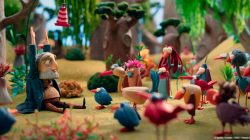
Madman has enjoyed many highlights in the years since, including an enduring relationship with stop-animation genius Adam Elliot. That led to an Oscar win for his beautiful short Harvie Krumpet in 2004, and a nomination for Memoir of a Snail last year.
Wearing many caps, Madman went public with Funtastic Ltd in 2009, only to break away and go private again. The company has also forged strong connections with the public broadcasters and streamers, including Stan and Foxtel, and has launched successful endeavours like DocPlay, which turns 10 this year.
‘To have over 50,000 paying subscribers with 35% to 40% of everything on the platform Australian or from New Zealand, and just watching that percolate, growing steadily, has been fantastic,’ Wiegard says.
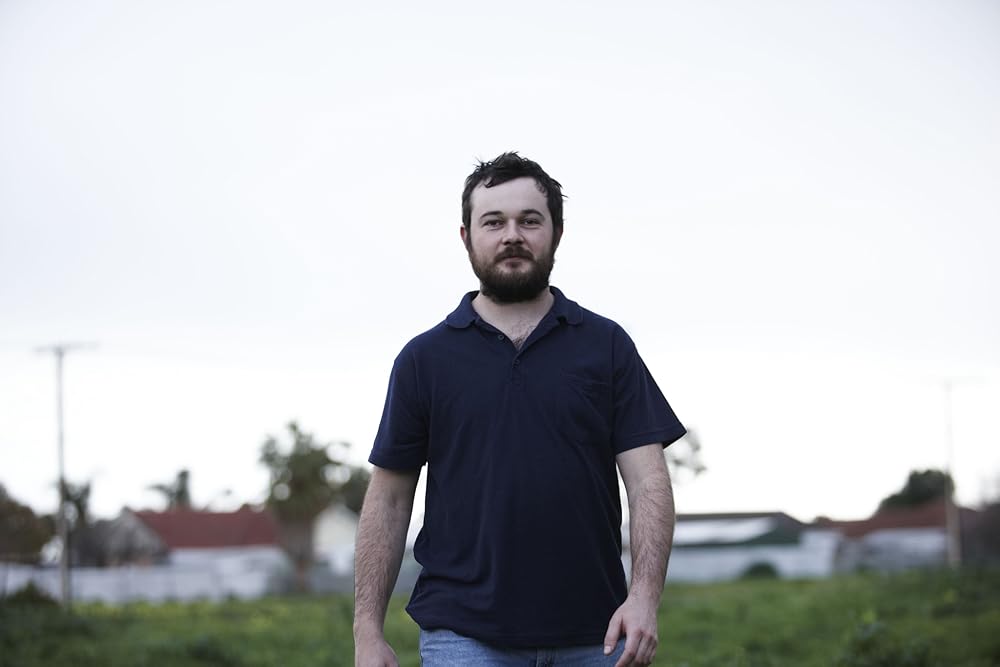
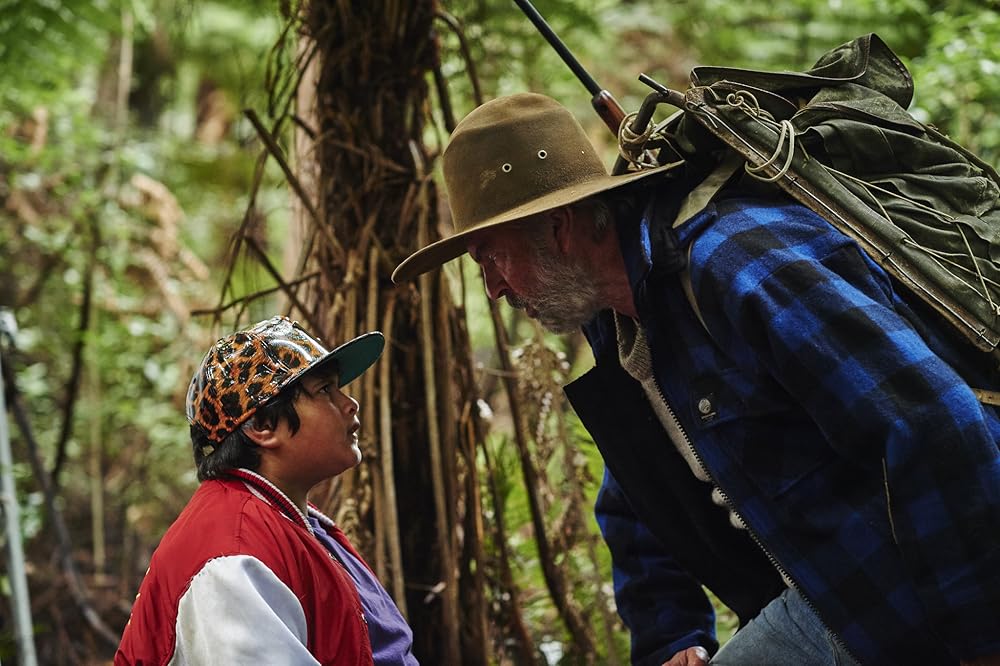
Also in 2016, Hunt for the Wilderpeople became Madman’s biggest box office hit, raking in $11.3 million in Australia and a further NZD$12.2 million across the ditch, where it remains the highest-grossing NZ film of all time.
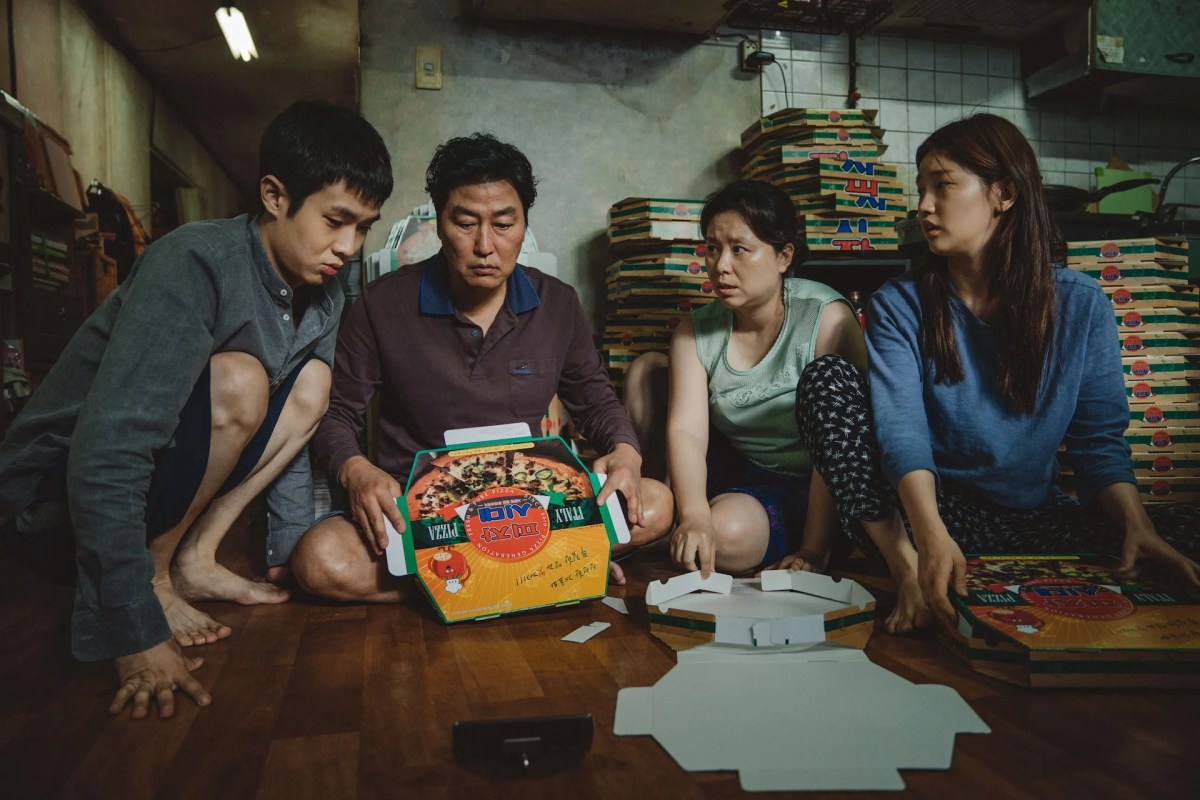
Distributing South Korean filmmaker Bong Joon Ho’s Parasite in 2019 marked another monumental highlight, going gangbusters at the local box office and claiming both the Palme d’Or and the Best Picture Oscar.
‘We took a big swing and to see it go all the way felt like a really a major milestone, not just for our business, but for the industry at large,’ Wiegard says. ‘This idea of making the niche so mainstream is pretty exciting, just to be a part of that.’
After all, that’s basically how Madman began. ‘One of the first films I ever saw, when I moved up to Melbourne Uni to live on campus, was Wim Wenders’ Paris, Texas,’ Wiegard recalls. ‘Through this business, we’ve had the opportunity to release a pristine-sounding and looking version last year.’
Dreams upon dreams. ‘I feel very privileged to be here, wholly Australian-owned, doing what we love,’ he says. ‘And hopefully bringing plenty of people along on the journey with us.’