
The Health Benefits of Sauerkraut
Fermented foods are currently in the spotlight, with options like kefir and kombucha being celebrated for their gut health benefits. However, experts suggest that one of the healthiest ferments might be overlooked: sauerkraut. This traditional dish has been around since the 1600s and is a staple in German cuisine, especially during the winter months when fresh vegetables were scarce.
Sauerkraut is made by combining shredded cabbage with a salty brine, and it’s packed full of probiotics that have been shown to support immune health and reduce inflammation. Unlike other trendy fermented foods that often use sugar and preservatives, sauerkraut is considered a healthier option. It’s also affordable and easy to make, making it an accessible choice for many.

It Can Improve Digestion
Sauerkraut is perhaps best known for its gut health benefits, and for good reason. As it ferments, sauerkraut becomes loaded with natural enzymes that help break down food into more digestible forms. This makes it easier for the body to absorb all the vitamins and minerals from the diet.
However, to get the most benefits, it’s important to choose the right type of sauerkraut. Supermarket-bought sauerkraut comes in two forms: pasteurised and unpasteurised. Pasteurised sauerkraut has been heated to kill off bacteria, which reduces its health benefits. Unpasteurised sauerkraut, on the other hand, is refrigerated rather than heat-treated, preserving the healthy bacteria.
Registered nutritionist Rob Hobson explains that traditionally fermented, unpasteurised sauerkraut contains lactic acid bacteria that can positively influence the gut microbiome. Additionally, sauerkraut is made from cabbage, which is rich in fibre and other plant compounds that support gut health.
One study even found that regularly eating sauerkraut daily can help relieve symptoms of irritable bowel syndrome, a common digestive condition affecting around a tenth of Britons.
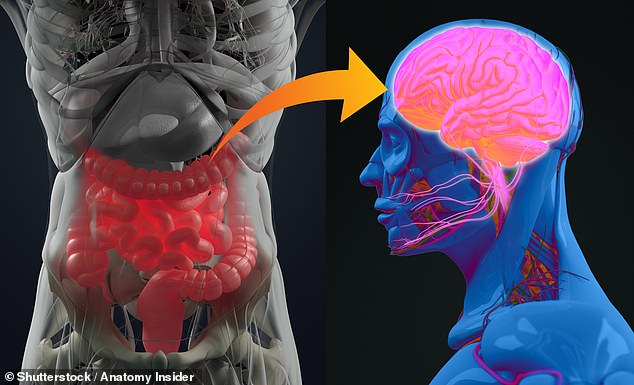
It Can Boost the Immune System
Regularly eating sauerkraut can also strengthen the immune system, protecting against disease. A large part of the immune system is linked to the gut, so foods that support a healthy gut environment may indirectly support immune function. This is because much of the bacteria in the gut is crucial for a strong immune system.
Studies suggest that as much as 70 per cent of immune system cells are located in the gut, meaning a good diet is crucial for fending off viruses and bacteria. Research also suggests that inflammatory bowel disease, where the immune system mistakenly attacks the lining of the stomach, may be due to a lack of healthy bacteria.
For this reason, experts say that sauerkraut is an effective way of boosting the immune system, though it needs to be combined with other healthy lifestyle changes. Adding sauerkraut to your diet is just one way to help support a healthy gut environment, which is part of normal immune function. Sleep, overall diet quality, protein intake, and key nutrients such as vitamins C, zinc, and vitamin D all play a role as well.
It Can Reduce Cholesterol and Boost Heart Health
Sauerkraut could play a major role in lowering cholesterol, the fatty plaque that can trigger heart attacks and strokes, according to research. One of the main reasons for this is that the dish is rich in fibre, a crucial nutrient found in fruit, vegetables, nuts, pulses, and whole grain bread.
When fibre is broken down by the gut, it releases short chain fatty acids, a chemical that can restrict production in the body of LDL cholesterol – so-called bad cholesterol, the form most associated with deadly complications. In turn, by boosting healthy bacteria levels in the gut, sauerkraut can boost levels of HDL cholesterol, the good type.
HDL cholesterol helps carry excess fat back to the liver where it can be filtered out of the body. However, sauerkraut is typically high in salt, which is linked to heart issues. Analysis by the British Medical Journal concluded that a higher than average salt intake is linked with a 12 per cent increased stroke risk. For this reason, Dr Hobson says it’s always worth checking the label of supermarket sauerkraut to assess the salt levels. The NHS advises consuming no more than 6 grams of salt a day.
Can It Really Reduce Cancer Risk?
There is some evidence that foods belonging to the cruciferous vegetable family – including cabbage, broccoli, kale, sprouts, and cauliflower – have cancer-fighting properties. These vegetables contain glucosinolates, powerful compounds which can survive the fermentation process in the gut and help detoxify free radicals in the body.
Some studies have even linked higher intakes of cruciferous vegetables with a lower risk of certain cancers, especially bowel cancer. Experts say this means that regularly consuming sauerkraut could lower the risk of cancer – though only when eaten as part of a healthy diet, says Mr Hobson. He said: ‘Sauerkraut should sit alongside plenty of other vegetables, fruit, wholegrains, pulses and a generally healthy lifestyle.’
How Can I Add It to My Diet?
Given its high fibre content, which will ferment in your gut, you don’t need a lot of the tangy condiment to reap its health benefits. Mr Hobson suggests starting small, around one tablespoon a day, especially if you’re not used to fermented foods. More than this can lead to uncomfortable side effects including bloating and diarrhoea.
He adds: ‘It works well added to salads, grain bowls, eggs, avocado toast, sandwiches, jacket potatoes or alongside all types of fish. I would use it more like a condiment than a main vegetable portion.’