Health Concerns in San Francisco Due to Rabid Bat
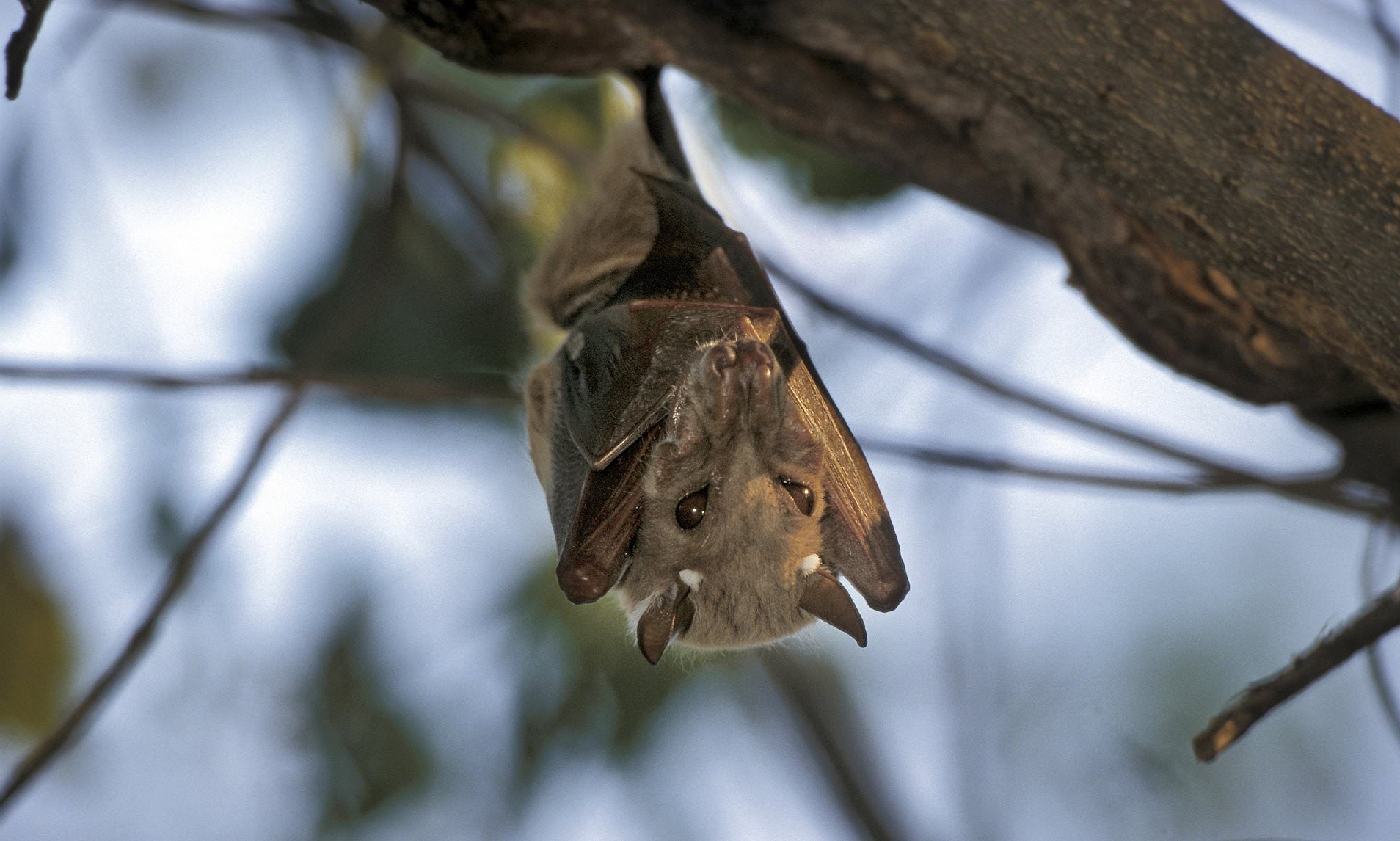
A bat infected with rabies has raised health concerns in San Francisco. Alameda County Vector Control Services reported on Tuesday, May 26, that they collected a bat in the Palo Verde Common area of South Fremont, which later tested positive for rabies. This incident has prompted officials to investigate further and issue warnings to residents.
Rabies is typically transmitted from animals to humans through bites. Once symptoms such as confusion, agitation, restlessness, and excessive salivation appear, the disease is almost always fatal. The bat was found near a sidewalk within reach of pedestrians and animals, leading to an ongoing investigation by Alameda County Vector Control. At this time, there are no known human or animal exposures linked to the incident.
“Rabies is a fatal disease caused by a virus that affects the brain and nervous system,” said the police department. “It is preventable if the exposed person or animal receives a series of rabies vaccine shots as soon as possible after exposure.”
Officials advise humans and pets to avoid contact with bats and other wild animals that can carry rabies, including skunks, foxes, coyotes, and raccoons.
This incident follows another case in March when a bat in the Glenmoor neighborhood tested positive for rabies. Residents are encouraged not to touch sick or dead animals and to report them to Fremont Animal Services or the Alameda County Public Health Department.
Preventive Measures and Community Awareness
To reduce the risk of rabies, officials urge residents to vaccinate all dogs and cats against the disease and keep dogs confined to their property, especially if they are under three months old. It is also recommended to remove any outdoor pet food that may attract skunks and other wildlife. Clearing trash, woodpiles, dense vegetation, and hollow logs can help eliminate hiding spots for these animals.
Homeowners can bat-proof their homes by sealing openings larger than 1/4 inch, particularly near the roof. This helps prevent bats from entering homes and reduces the risk of exposure.
Rabies is a deadly virus that spreads through the saliva of infected animals such as dogs, raccoons, bats, coyotes, and foxes. Most people contract the disease through an animal bite or scratch.
In an extremely rare case, a Michigan grandfather named Barney Kurowicki contracted the disease in January 2025 after receiving a kidney transplant. The kidney was thought to have been infected with rabies.
Once the virus enters the body, it travels along the spinal cord to the brain, causing inflammation. Early symptoms in humans include fever, headache, agitation, confusion, and vomiting. As the disease progresses, patients may experience restlessness, hallucinations, seizures, twitching, excessive salivation, and a fear of water or air blowing in their face.
The disease is almost always fatal once symptoms start. Only 20 cases of human survival have been recorded in medical literature worldwide.
Each year, around 5,000 animal cases of rabies are reported, and about 60,000 Americans seek care for potential exposure. Fewer than 10 Americans die from rabies annually, according to the CDC.
The only way to cure or prevent rabies is through a series of four to five vaccines, which must be administered as soon as possible after someone believes or confirms exposure. In the US, Imovax Rabies and RabAvert are used in humans for this purpose.