Google’s Plan to Release Mosquitoes in the US
Google is planning to release 32 million mosquitoes in California and Florida, provided it receives approval from the US government. This initiative aims to significantly reduce mosquito populations and prevent the spread of diseases such as West Nile Virus and Dengue fever, which can be life-threatening.
But how does releasing more mosquitoes help? The answer lies in Google’s Debug program, which has been working for years to control native mosquito populations by using a naturally occurring bacterium called Wolbachia. This bacterium prevents viruses like dengue from replicating within Aedes aegypti mosquitoes, making them incapable of transmitting diseases to humans or other insects.
How the Process Works
Debug scientists have discovered that by releasing male mosquitoes infected with Wolbachia into local mosquito populations, they can mate with wild females. This mating process infects the wild females, rendering them sterile and preventing them from reproducing. As a result, the population of disease-carrying mosquitoes decreases over time.
This method has already shown success in Singapore, where millions of infected mosquitoes were released starting in 2018. Since then, the program has helped curb the spread of dengue in the region.
Now, Google is looking to expand this approach to the United States. Last month, the company submitted an application to the Environmental Protection Agency (EPA) for an experimental use permit. If approved, Google could release up to 16 million Wolbachia-infected mosquitoes annually in Florida and California for two years.
However, the permit is still under review, and there is no clear timeline for when the release might begin if permission is granted.
Similar Approaches in Australia
Australia has also been exploring similar strategies to manage mosquito-borne diseases. The Debug program was trialled in Queensland in 2018 with support from the CSIRO. This trial demonstrated the potential of using Wolbachia to reduce mosquito populations and prevent disease transmission.
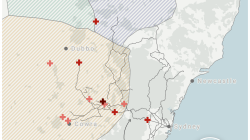
Before Debug, the World Mosquito Program conducted its first field trial with Wolbachia-infected mosquitoes in Cairns over a decade ago. Since then, the program has released infected mosquitoes in several locations across northern Australia, including Cairns and Townsville, to help prevent the spread of deadly illnesses.
Unlike the Debug program, which only releases male mosquitoes, the World Mosquito Program releases both male and female mosquitoes infected with Wolbachia. The infected males mate with wild females, making them sterile. Meanwhile, the infected females will only produce offspring that are also infected with Wolbachia if they mate with wild males.
Benefits of the Approach
The use of Wolbachia offers a sustainable and environmentally friendly way to control mosquito populations without the need for harmful chemicals. By reducing the number of disease-carrying mosquitoes, this method helps protect public health while maintaining ecological balance.
As Google and other organizations continue to explore and implement these strategies, the hope is that they will contribute to a significant reduction in mosquito-borne diseases worldwide.