The 2026 Ebola Outbreak in the Democratic Republic of Congo
The 2026 Ebola outbreak in the Democratic Republic of Congo has already become one of the three largest outbreaks in history, with 238 deaths and over 1,000 suspected cases. What makes this epidemic particularly concerning is that it was detected relatively late, allowing the virus to spread more widely before authorities fully grasped the scale of the crisis.
One significant factor contributing to the delayed response was the nature of the virus itself. This outbreak was caused by the Bundibugyo strain of Ebola, rather than the more commonly seen Zaire strain, which has been responsible for most previous outbreaks. This distinction proved crucial. Many of the diagnostic reagents used were designed specifically to detect the Zaire strain, leading to a significant number of false-negative results. As a result, public health authorities and the global health community took longer to recognize the severity of the situation.
The delay has naturally raised concerns about whether Ebola could spread beyond Africa and eventually evolve into a global threat. However, experts emphasize that there are important differences between Ebola and highly contagious diseases like influenza or measles.
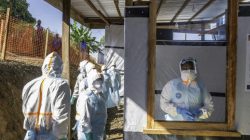
In an email interview, Professor Peter Hotez explained, “Ebola is not easily spread, especially in the early stages. Someone walking in a shopping mall or store is unlikely to spread Ebola. This is very different from influenza or measles. People contract Ebola when caring for sick and dying Ebola patients, as the virus load increases. That’s why hospital and healthcare workers, nurses, and doctors, or respiratory technicians who inadvertently touch the secretions of an Ebola patient are at the greatest risk. For that reason, I don’t see Ebola spreading outside Central and East Africa, except for individual cases appearing on other continents.”
Closer to home, Dr Rajeev Jayadevan, who was part of India’s COVID task force, added, “Ebola is often referred to as the disease of compassion. It usually spreads through caregivers, nurses, and doctors, which means you need to have close access to really get the virus.”
Global Response and Political Implications
What has also drawn attention is the global response to the outbreak. The timing of the outbreak coincided with the United States’ withdrawal from the World Health Organization (WHO), one of the organization’s largest funders and most influential partners. Several experts believe that had the US remained engaged, health officials could have mobilized resources and support earlier to contain the outbreak.
USAID had previously played a key role in Ebola responses. While the US has argued that the WHO informed it too late, public health experts maintain that faster intervention and coordinated action could have significantly altered the course of the outbreak.
Understanding the Transmission of Ebola
Understanding how Ebola spreads is critical in preventing further outbreaks. Unlike highly contagious diseases such as influenza or measles, Ebola does not spread easily through casual contact. The virus primarily spreads through direct contact with the bodily fluids of an infected person, such as blood, saliva, or sweat. This makes transmission more likely among those in close contact with sick individuals, such as family members, healthcare workers, and caregivers.
Healthcare workers are particularly at risk because they are often exposed to the virus during patient care. This is why strict infection control measures are essential in managing outbreaks. In addition, safe burial practices are crucial, as the virus can still be present in the bodies of deceased individuals.
Lessons Learned from Past Outbreaks
Past Ebola outbreaks have provided valuable lessons for managing future crises. For example, the 2014-2016 West African outbreak highlighted the importance of early detection, rapid response, and community engagement. These lessons are being applied in the current outbreak, although challenges remain due to the unique circumstances surrounding the Bundibugyo strain.
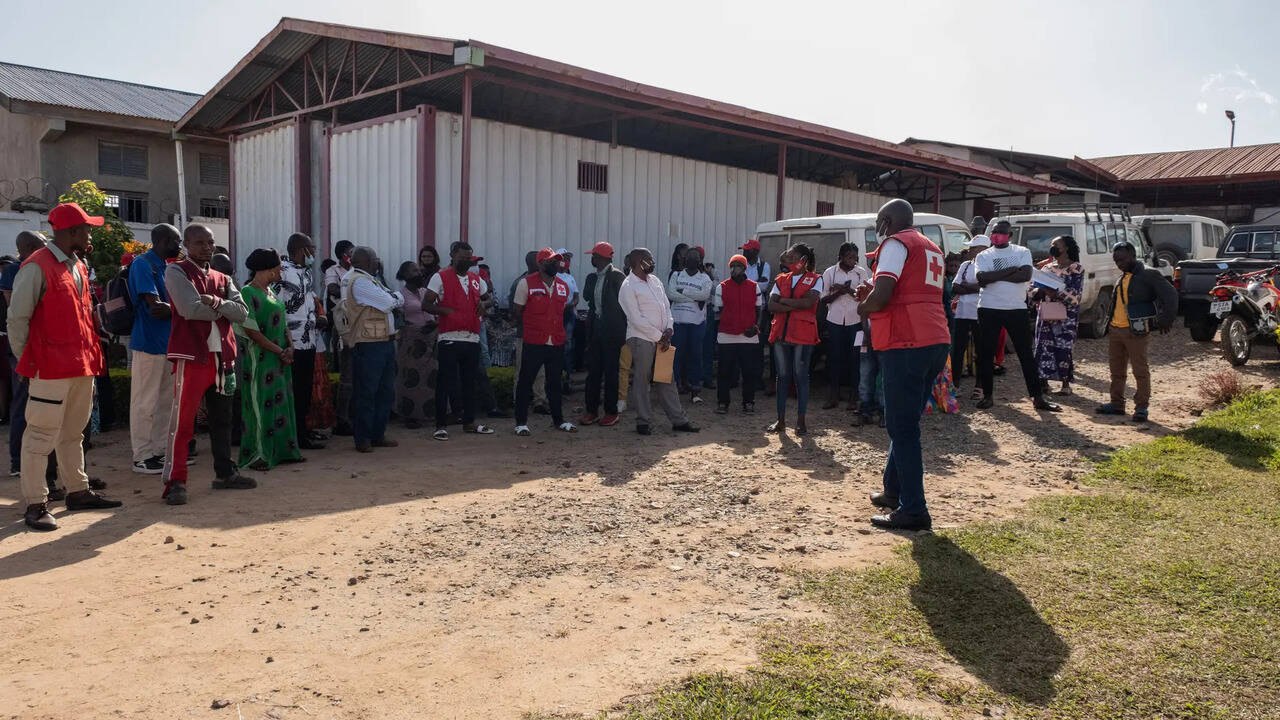
Public health officials are working closely with local communities to raise awareness about the virus and promote preventive measures. Education campaigns are being conducted to ensure that people understand how to protect themselves and their loved ones.
The Role of International Collaboration
International collaboration plays a vital role in combating infectious diseases like Ebola. The WHO, along with other global health organizations, provides technical support, medical supplies, and financial assistance to affected countries. However, the recent withdrawal of the United States from the WHO has raised concerns about the sustainability of these efforts.
Experts argue that strong international partnerships are essential for addressing global health threats. Without coordinated action, the risk of outbreaks spreading beyond their origin remains high. This underscores the need for continued investment in global health initiatives and the importance of maintaining strong relationships between nations.
Conclusion
The 2026 Ebola outbreak in the Democratic Republic of Congo serves as a reminder of the ongoing challenges posed by infectious diseases. While the delayed response and unique characteristics of the Bundibugyo strain have complicated efforts to contain the outbreak, the lessons learned from past experiences are helping to shape a more effective response.
As the situation continues to develop, it is crucial for governments, health organizations, and communities to work together to prevent further spread and protect vulnerable populations. By learning from the past and adapting to new challenges, the global health community can better prepare for future outbreaks and safeguard public health worldwide.