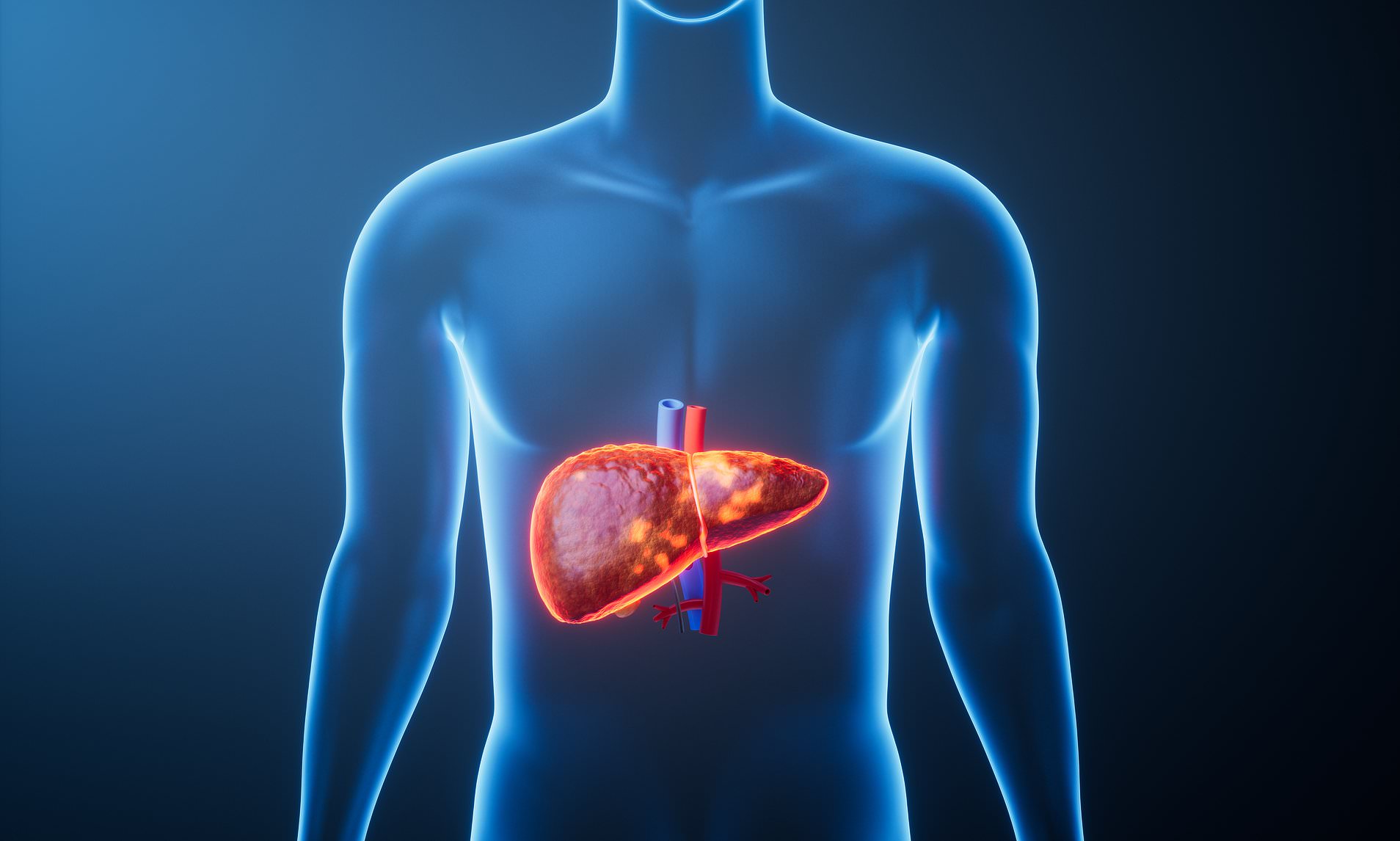
New Approach to Early Detection of Liver Disease
Scientists are exploring innovative ways to identify individuals at risk of liver disease years before symptoms appear. This condition, which has become one of the fastest-growing causes of death in the UK, often develops silently, leaving many unaware until serious and sometimes irreversible damage has already occurred.
Recent research suggests that analyzing existing blood test records could help detect warning signs much earlier. Over recent decades, liver disease rates have surged, with deaths increasing more than fourfold since the 1970s—despite improvements in outcomes for many other major illnesses. While alcohol is a common cause, experts warn that growing numbers of cases are being driven by obesity, diabetes, and poor diet. This means millions of non-drinkers could also be at risk.
One of the biggest challenges is that symptoms can take years to appear. By the time the condition is diagnosed, patients may already have significant scarring of the liver, known as cirrhosis, or even liver failure or cancer.
The Cumulative Liver Damage Index (CLDI)
The new approach, developed through the LiveWell study, uses a method known as the Cumulative Liver Damage Index (CLDI). Unlike standard liver tests, which provide only a snapshot in time, the tool analyses patterns across multiple blood tests to show how damage may have built up over the years.
Researchers used existing NHS data to identify people at higher risk, who were then invited for further checks. The study recruited 994 people from a single NHS site in under a year, with results suggesting the method was more effective at spotting clinically significant liver disease than commonly used first-line tests.
Scientists believe this approach could also streamline care by allowing high-risk patients to be sent straight for non-invasive liver scans, reducing the need for repeated appointments and helping the NHS target resources more effectively.
During the trial, those flagged by the system were offered scans and additional testing, including genetic analysis. ‘This changes what early detection could look like at scale,’ said Charlotte Guzzo, chief operating officer at Sano Genetics, which supported the work. ‘The fact this can be done using data already held in NHS systems is particularly promising.’
Larry R. Holden, of the Global Liver Institute, added that earlier detection could give patients more time to act before serious damage is done. However, experts caution that larger studies are still needed before the method can be rolled out more widely.
Ongoing Research and Expansion
A follow-up trial involving 8,000 patients across multiple NHS sites is already underway, with results expected later this year. The technology behind the approach is now being expanded across parts of the South West of England, with wider NHS rollout being explored in the coming years.
The news comes as weight-loss medications such as Mounjaro (tirzepatide) are showing promising results in the treatment of liver disease. Studies suggest these drugs can significantly reduce liver fat and improve inflammation, and may even help reverse early scarring in some cases.
By supporting weight loss and better blood sugar control, they could slow – or potentially reverse – disease progression, although they are not yet widely approved for this use in the UK.
Understanding Fatty Liver Disease
Fatty liver disease, also known as MASLD or NAFLD, is a long-lasting liver condition caused by having too much fat in the liver. It is closely linked with being overweight as well as conditions such as type 2 diabetes and heart and circulatory disease.
Metabolic dysfunction-associated steatohepatitis (MASH, previously called NASH) is a more serious stage of MASLD. In a small number of people, it can lead to liver cancer or liver failure.
The main treatment is eating a well-balanced diet, being physically active, and (if needed) losing weight. Research shows these can reduce liver fat and in some cases reverse MASLD.