The Science Behind Controlling Rabbit Populations
Using the tailgate of a four-wheeler motorbike as a makeshift dissection table, Dr Ellen Cottingham surgically removes the sex organs from half a dozen freshly caught rabbits. Males and females, plump and in prime breeding condition, are exactly what she and her team of scientists require. “We’re out here really looking for a well-matured reproductive rabbit, and there are certainly a lot of them out here,” Dr Cottingham said.
The University of Melbourne research fellow is at Mt Rothwell Wildlife Sanctuary, west of Melbourne, assisting the sanctuary’s rabbit control team in digging out rabbits. Tissue samples are removed from humanely euthanased animals and carefully packed into an ice chest. Next stop is the University of Melbourne, where this genetic material will create new, laboratory-bred rabbits. “We’re essentially making a rabbit from scratch,” Dr Cottingham said.
Developing a Gene Drive
The scientists are developing a biological control called a “gene drive.” It involves genetically modifying the extraordinary reproductive capacity of the rabbit. The key is to limit the females’ ability to breed, though the role of the males is equally critical. “In our release strategy proposal we would have males spreading the gene drive,” Dr Cottingham said. “Their fertility is totally intact, totally fine, but all of their female offspring, totally healthy otherwise, are infertile.”
The spread of infertile female rabbits into wild populations would cause an immediate, dramatic population crash. And the rabbit’s extraordinary capacity to breed would accelerate the gene drive’s spread, hastening its own demise. But the scientists first have to identify the rabbit genes, in both males and females, that determine fertility. Then breed rabbits carrying the gene drive with a modified and limited capacity to reproduce.
“It’s like a selfish gene that spreads really, really fast through a population, and it’s spread through breeding much faster than normal DNA inheritance occurs,” Dr Cottingham said.
A New Biological Control is Urgently Needed
The release of this technology is at least half a dozen years away, but its development and adoption is increasingly important. Existing biological controls such as the calici and myxoma viruses, highly effective in the past, have lost their virulence in recent years. Consequently, rabbit numbers have exploded to their highest levels in decades.
Feral rabbits are estimated to cause agricultural losses of more than $200 million annually. Control measures amount to tens of millions more, and the cost of the environmental damage they cause is nearly impossible to calculate. This gene drive research is being propelled by recent rapid advances in gene drive technology around the world.
This Australian-led effort also has some international help, including rabbit IVF specialist Dr Kasia Filimonow from Poland. “We have fantastic specialists from very different fields like genetics, epigenetics, ecology, embryology, cell culture,” said Dr Filimonow. “This is the best opportunity and the most efficient way to actually find solutions for conservation.”
Bridging Human and Animal Reproduction
Human IVF technology derived from work in Australia in the late 1960s, where scientists were trying to boost the productivity of elite sheep. It was soon adapted and developed around the world for human use. Now this gene drive work has benefited from advances in recent decades in human IVF technology.
Part of the University team is clinical embryologist Dr Naomi Tappe, who has spent two decades working in human reproduction. Though the goals and outcomes are quite different, some of the techniques being applied are almost the same. “It has been really interesting to move from the field of human IVF across to animals,” Dr Tappe said.
One of her tasks has been trying to obtain usable sperm from the testicles of the rabbits caught at Mt Rothwell. “Once we get the sample, I’ll further prepare it and then eventually it will be added to the eggs once they’ve been matured in vitro,” Dr Tappe said. In recent days the scientists have successfully grown rabbit embryos using IVF.
Potential Applications Beyond Rabbits
Could it be used on other species? Dr Cottingham believes this technology, in time, could be applied to other feral pests, such as cane toads and European carp. With feral cats and foxes also in her sights, she believes it has immense possibilities for wildlife conservation.
The release of the rabbit gene drive, the timing and scale of it will require extensive consultation between scientists, government, landholders and others. “It’s a fairly radical proposal to get rid of rabbits,” Dr Cottingham said. “But it could be the most effective tool we’ll ever have.”
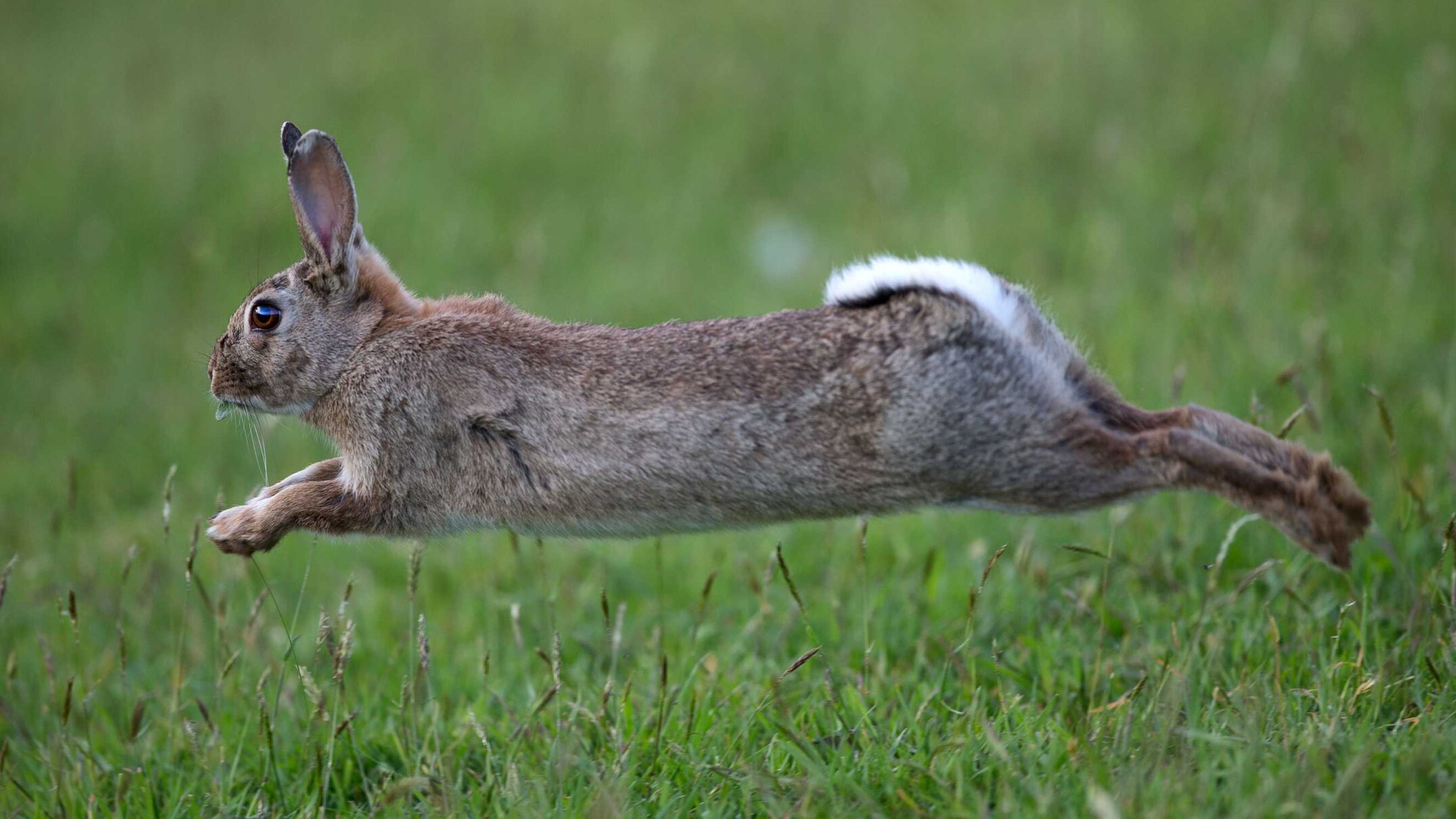
The fertility of the European rabbit, one of Australia’s worst invasive feral pests, is remarkable. A doe can produce up to 60 offspring in a breeding season. Now, that trait holds the key to its eventual demise.