A New Era in American Currency
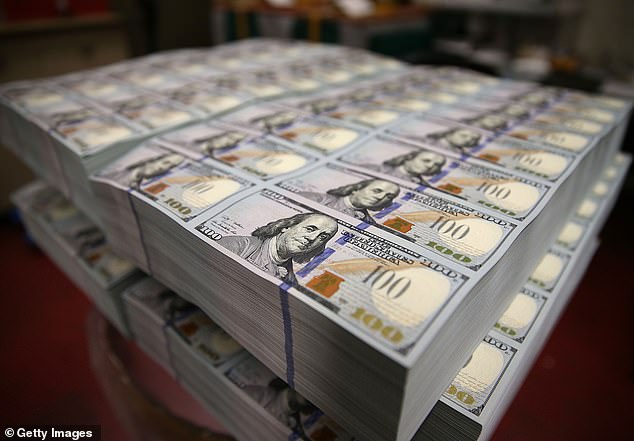
The history of American currency is marked by significant changes, some of which have had lasting impacts on the nation’s identity. One such change involves the recent proposal to place the image of a living president on U.S. banknotes, a move that has sparked considerable debate.
The Legacy of Spencer Clark
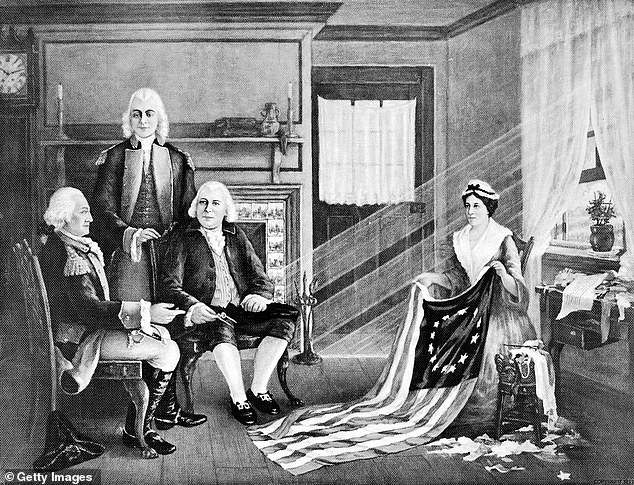
In 1864, during the Civil War, an ambitious government official named Spencer Clark made a bold decision that would influence the future of American currency. As the first Superintendent of the National Currency Bureau, he was tasked with putting the face of Lewis Clark, the famous explorer, on the new 5-cent note. However, instead of following instructions, Clark decided to put his own image on the note, complete with a beard. This act led to outrage from Congress, resulting in the passage of the Thayer Amendment in 1866, which banned any living person from appearing on U.S. paper money, bonds, or securities. For over 160 years, only deceased individuals like Abraham Lincoln and Alexander Hamilton were allowed on U.S. currency.
Trump’s Move to Redefine Currency
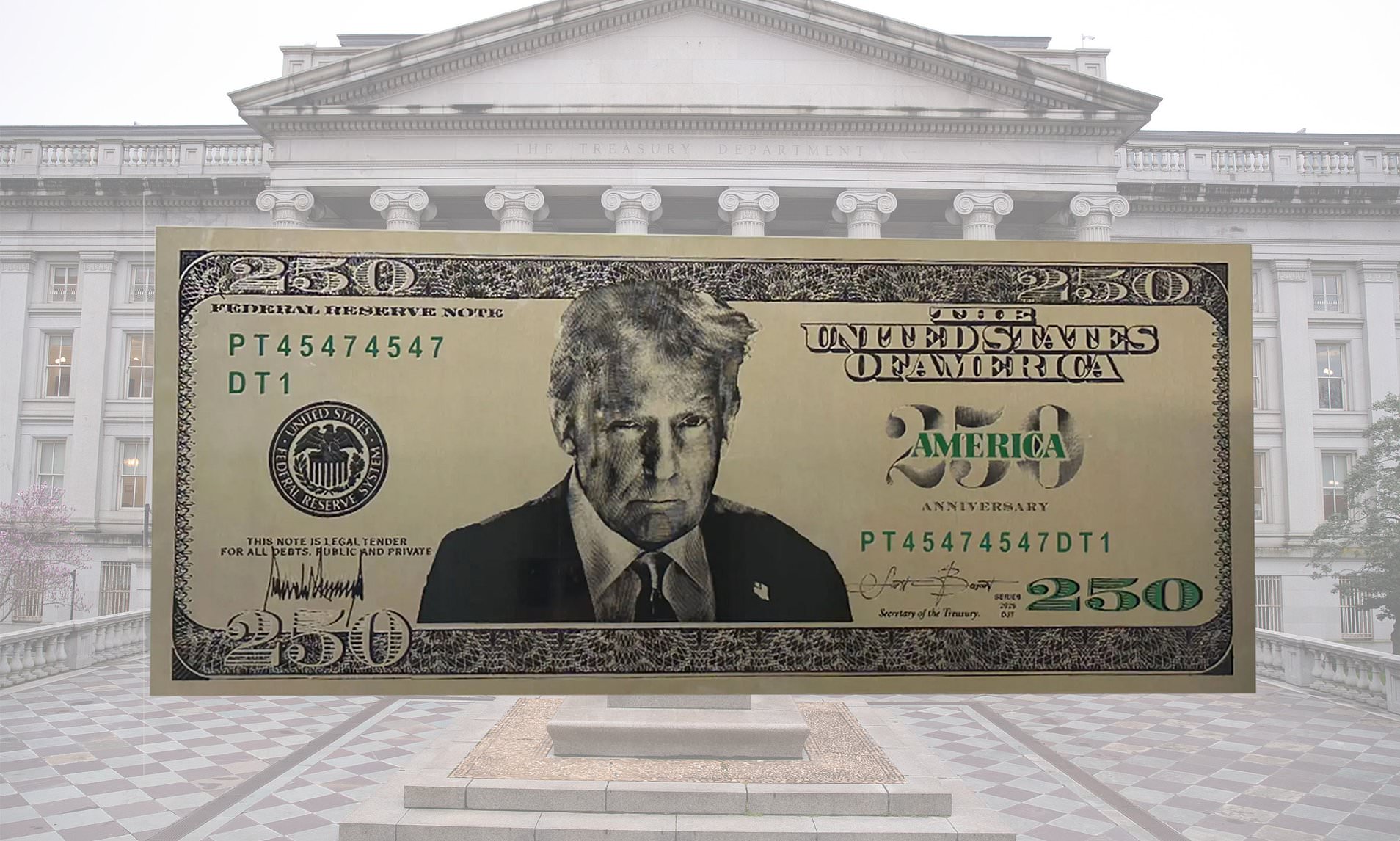
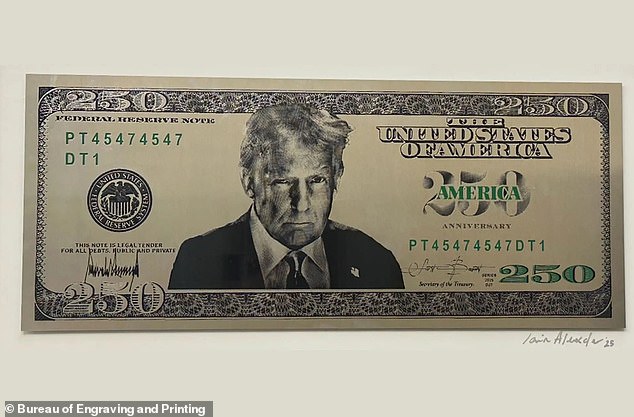
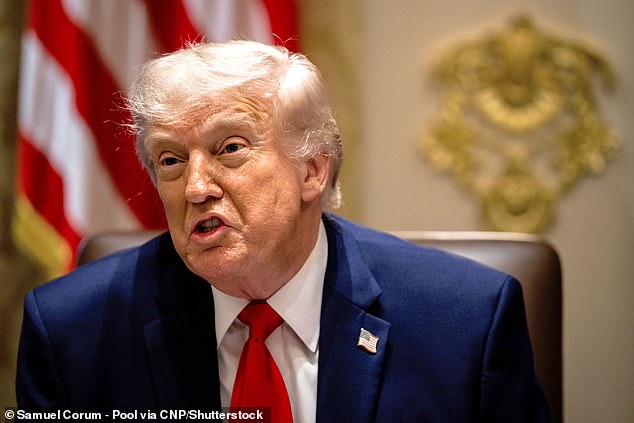
Now, this long-standing rule is being challenged by Donald J. Trump, who appears to be eager to see his own image on U.S. currency. The proposed $250 bill, which is worth significantly more than the original 5-cent note, is just one part of a broader plan to “Trumpify” the dollar. This includes replacing the Treasurer’s signature on banknotes with Trump’s, creating a commemorative coin featuring his image for the 250th anniversary of America, and eliminating the penny.
Arguments for and Against the Change
Supporters of the change argue that other countries also feature their heads of state on currency. In the UK, King Charles III is on all four Bank of England note denominations, and the late Queen Elizabeth II was featured on currency in numerous countries where she was head of state. However, many Americans believe that this should not apply to the United States, especially when it comes to a president who was elected.
Brendan Greeley, author of The Almighty Dollar: 500 Years Of The World’s Most Powerful Money, explained that the practice of putting a head of state on currency often signals a shift in regime. He noted that during the early days of the republic, the federal government did not produce much money, and most currency was issued by private banks. It wasn’t until the Civil War that the federal government began printing a standardized form of currency.
Historical Precedents
There was one notable exception to the rule against placing living leaders on currency. In the 1920s, President Calvin Coolidge appeared on a half-dollar coin commemorating the 150th anniversary of the Declaration of Independence. However, the Thayer Amendment did not cover coins, and there was a strong backlash against the design, with some coins being melted down.
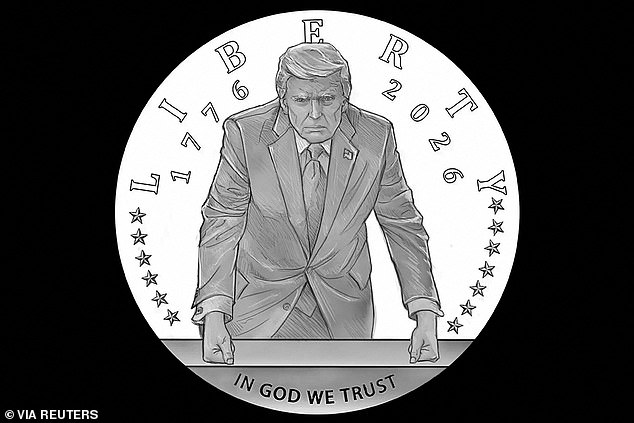
The design for a 24-karat gold commemorative 250th anniversary coin featuring Trump was finalized by the US Commission of Fine Arts in March. Its front features an image of the President in a suit and tie with a stern look on his face, his fists resting on a desk. Lettering on it includes ‘LIBERTY’ and ‘IN GOD WE TRUST’ and the dates 1776-2026.
Controversy and Pushback
The idea of a Trump $250 note first gained attention last year when Brandon Beach, the Trump-appointed Treasurer of the United States, sent a design for it to the Bureau of Engraving and Printing (BEP). The note was designed by Iain Alexander, a British artist based in the Channel Islands. Alexander, who has been pictured at Mar-a-Lago with the President, has previously painted portraits of Queen Elizabeth II and others.
However, the plan for the new note did not go down well at the BEP. Its Director, Patty Solimene, was moved to another role within the Treasury six weeks ago. In a parting email, she expressed her concerns about the project, stating that she had always upheld the values of the organization.
Other bureau staff reportedly pushed back, saying it could take at least six years to produce the $250 Trump note due to complex procedures involving the Federal Reserve and banks.
Political Reactions
The move to change the Thayer Amendment began well over a year ago, with Republican Congressman Joe Wilson submitting the proposed Donald J Trump $250 Bill Act. However, the bill has not yet moved forward in the House. Democrats have criticized the initiative as an example of the White House being out of touch.
Treasury Secretary Scott Bessent has defended the move, calling it a fair way to mark America’s semiquincentennial. Meanwhile, Beach described replacing his signature on notes with that of President Trump as the right thing to do, claiming that the President’s mark on history is undeniable.
Economic Considerations
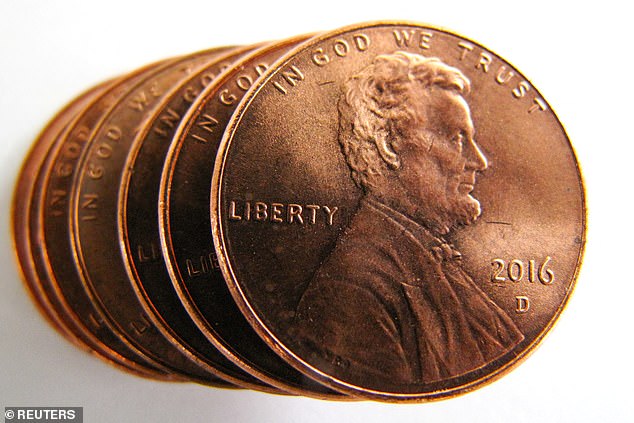
President Trump’s decision to abolish the penny is less about legacy and more rooted in economics. The cost of producing the zinc and copper coins has nearly tripled over the last decade, and it now takes 3.69 cents to make every 1 cent piece. $1 notes are cheaper to print, and the US Mint lost $85.3 million making pennies in 2024.
As the penny fades into obscurity, the proposed $250 notes would secure President Trump’s legacy forever in that they would always be redeemable as legal tender. However, there are doubts they would ever be commonly used in everyday transactions, especially as the world moves away from paper money.